


Victorian Egyptian Revival
Victorian egyptian revival pieces bring the timeless allure of the Nile into domestic spaces through sphinxes, obelisks, and hieroglyphic details.
Victorian Egyptian Revival
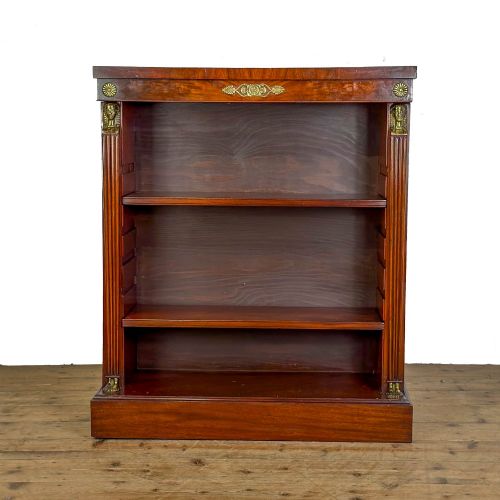
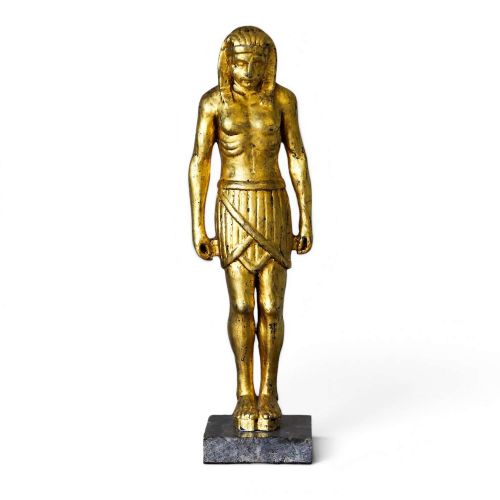
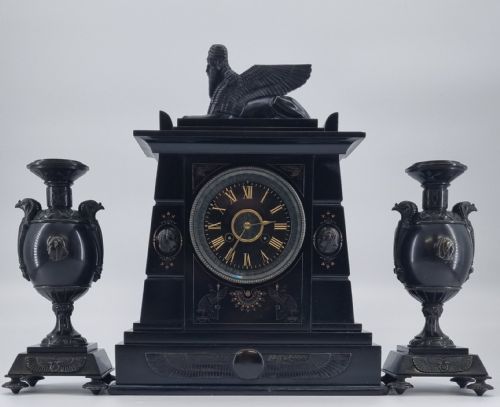
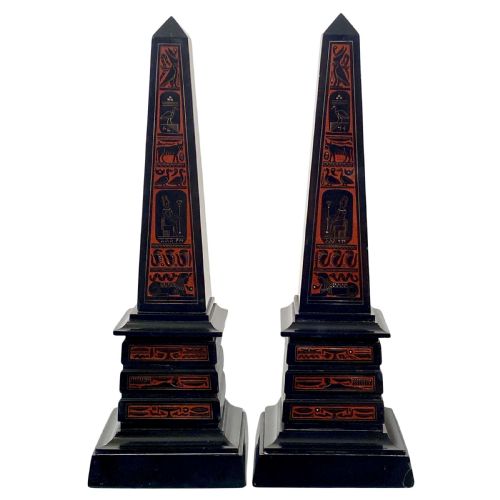
Victorian egyptian revival objects encompass a fascinating range of domestic furnishings, decorative arts, and personal items influenced by nineteenth century archaeological discoveries. Buyers frequently encounter mantel clocks, bronze sculptures, and architectural pieces such as obelisks produced during the height of this decorative fascination.
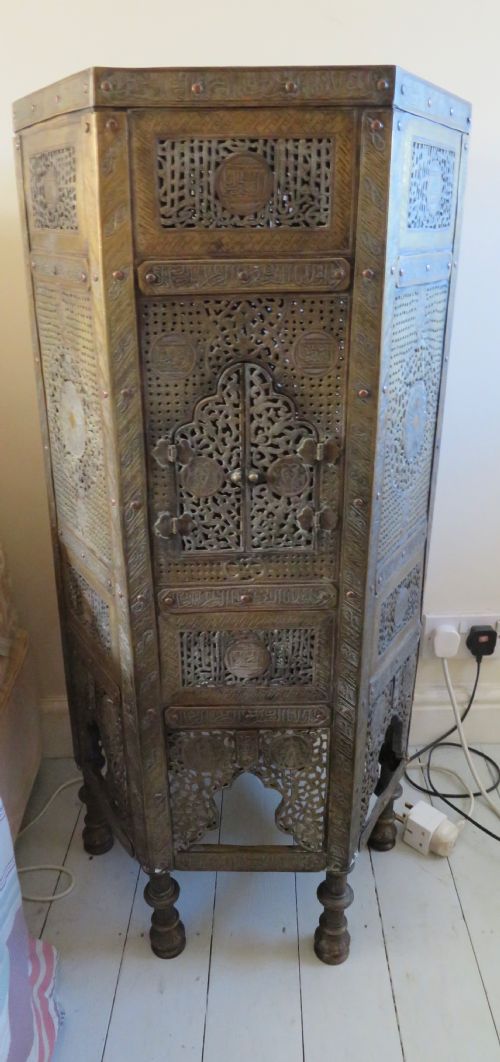
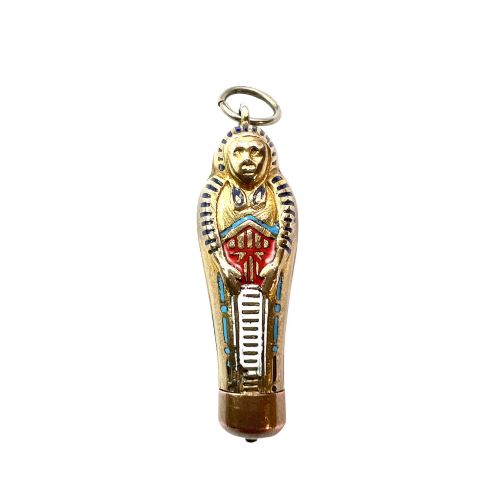
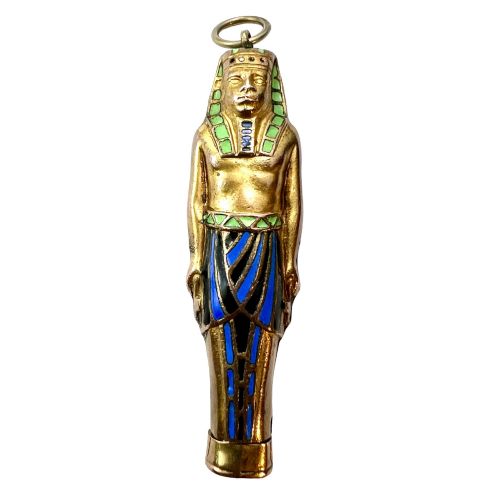
The selection extends from grand furniture pieces like bookcases and cocktail cabinets to smaller Grand Tour souvenirs including shabti figures and silver pencil pendants. These items reflect a Victorian obsession with pharaonic iconography, adapting ancient motifs for contemporary nineteenth and early twentieth century interiors.
How they were made
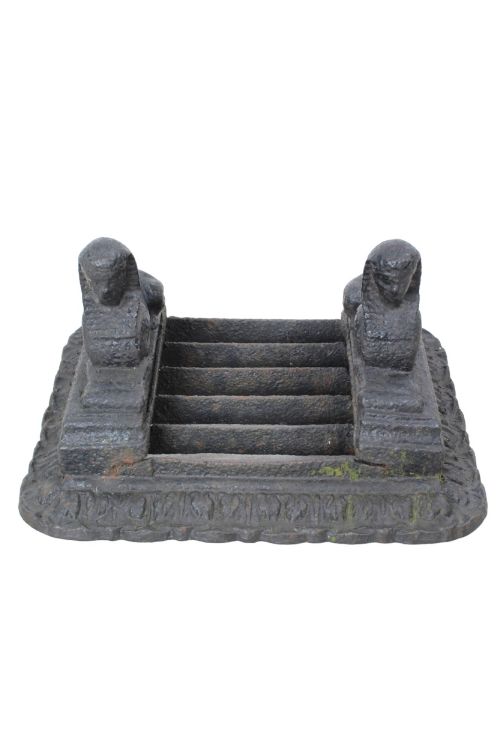
Craftsmen utilised traditional foundry techniques to cast bronze, brass, and iron into complex shapes such as sphinxes, candelabra, and clock garnitures. Marbles like black slate, red marble, and Ashford marble were shaped into solid obelisks and clock bases, often accented with hand-engraved metal details.
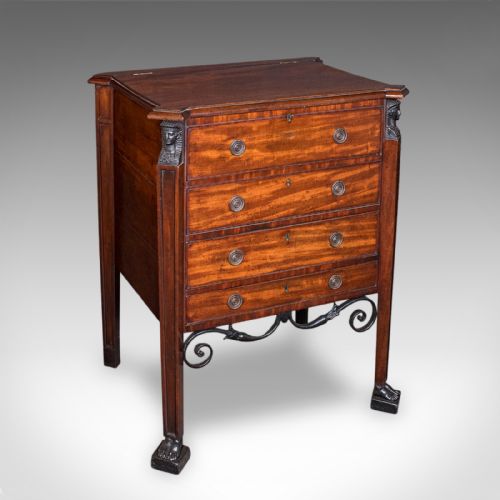
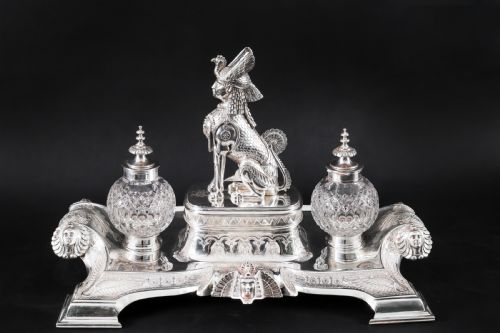
Cabinetmakers worked with timbers such as mahogany to construct specialised furniture, while silversmiths and jewellers employed techniques including enamelling, silver plating, and stone inlay for smaller personal accessories and desk items like inkstands.
Victorian Egyptian Revival Retail Price Guide 2026
Typical asking prices for victorian egyptian revival among the pieces listed under this phrase on Sellingantiques today, from the lower quarter to the upper quarter. They describe what is for sale here now, not the wider market.
The category spans functional domestic items, from inkstands and perpetual calendars to bookcases and cocktail cabinets.
What varies in quality
The distinction between ordinary and exceptional pieces rests primarily upon the crispness of the casting and the fidelity of the carved or engraved hieroglyphs. Superior examples display sharp anatomical details on figures and precise architectural lines on obelisks and clock cases.
Material selection also dictates overall merit, separating standard cast metal items from those incorporating genuine hardstones, fine bronzes, or precious metals with intricate enamel work.
Wilkinson and Co·D Munsey of Cambridge·Achille Brocot·Barraud and Lund London·Thomas White·Liberty and Co
The Victorian Egyptian Revival Glossary
- Obelisk
- A tall, four-sided, narrow tapering monument which ends in a pyramid-like top. These decorative versions were popular Grand Tour souvenirs carved from marble or slate.
- Sphinx
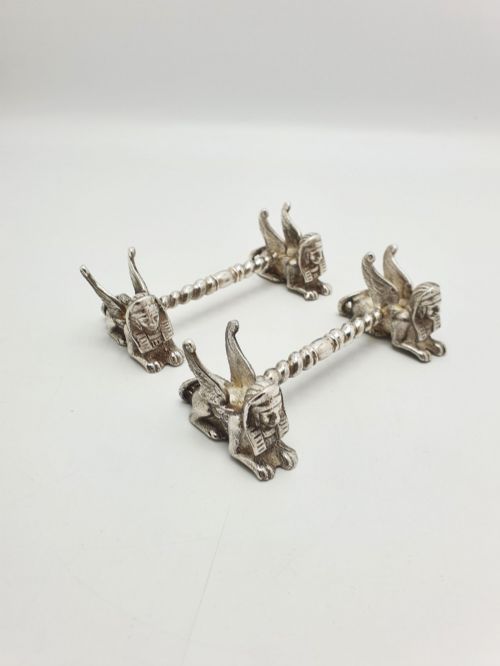
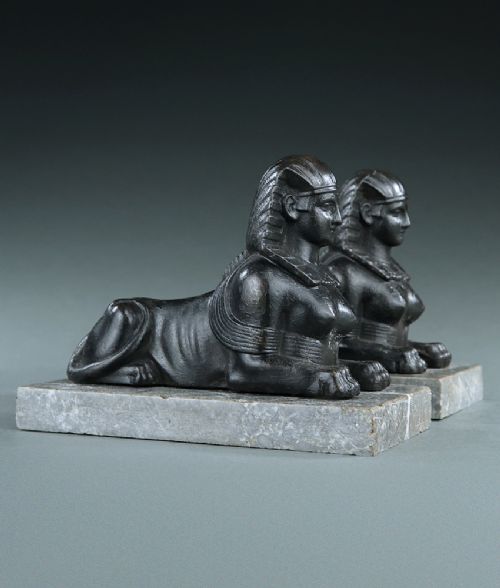
- A mythical creature with the body of a lion and a human head, frequently utilised in pairs for door knockers, knife rests, and mantel clock supports.
- Grand Tour
- A traditional trip of Europe undertaken by upper-class young European men of means, resulting in the collection of antiquities and revival souvenirs.
- Cairo Ware
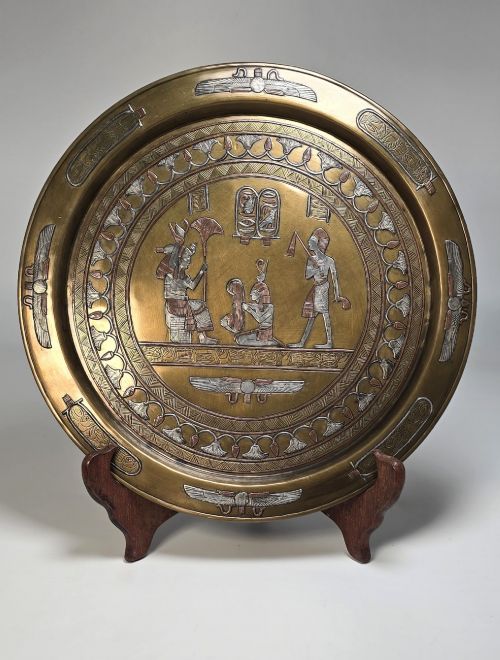
- Late nineteenth and early twentieth century metalware featuring intricate silver and copper inlay work produced in Egypt for the export market.
Victorian Egyptian Revival: Frequently Asked Questions
What periods do these pieces date from?
Most items originate from the nineteenth century, particularly the Victorian era following major archaeological excavations in Egypt. Subsequent pieces extend into the early twentieth century, reflecting renewed public interest after later discoveries.
Craftsmen and manufacturers continued adapting pharaonic motifs well into the 1920s and 1930s, producing specialised furniture and novelty items alongside earlier Grand Tour souvenirs.
How were these decorative items used?
Larger items such as mantel clocks, candelabra, and obelisk pairs served as formal mantelpiece and tabletop ornaments in Victorian drawing rooms. Bookcases and specialised seating integrated ancient Egyptian architectural forms into everyday domestic furniture.
Smaller objects functioned as desk accessories, including inkstands and perpetual calendars, while jewellery and propelling pencils allowed individuals to wear or carry miniature pharaonic motifs.
What materials are most common?
Metals predominate across the category, with bronze, brass, cast iron, and silver plate used extensively for sculptural figures, clock movements, and desk wares. Decorative stones such as black slate, rouge griotte marble, and Ashford marble provide heavy, contrasting bases.
Cabinetmakers utilised dense timbers like mahogany for larger furniture, while specialised small items incorporate enamel, turquoise, and inlaid copper or silver.
How do I distinguish nineteenth century pieces?
Examining the construction methods, patination of the metals, and the specific material composition helps establish the age of an object. Nineteenth century examples often bear maker marks, registry lozenges, or signatures associated with known retailers and clockmakers.
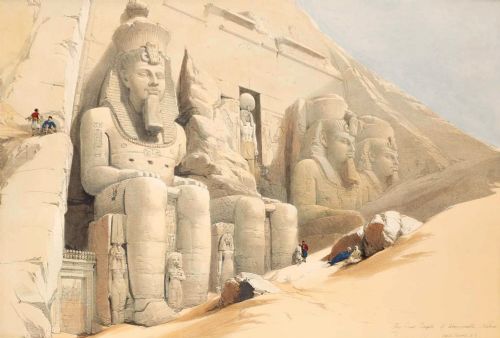
Stylistic nuances also assist, as Victorian interpretations blend classical revival proportions with authentic hieroglyphic source material recorded by early explorers and artists.