


Victorian Earthenware Figurines
Victorian earthenware figurines bring the rustic charm of nineteenth-century parlours directly into modern homes through colourful glazed pottery.
Victorian Earthenware Figurines
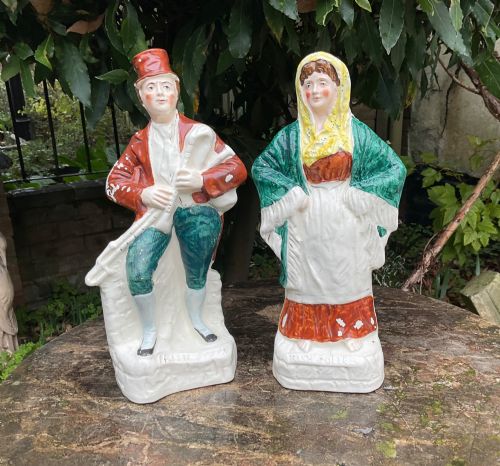
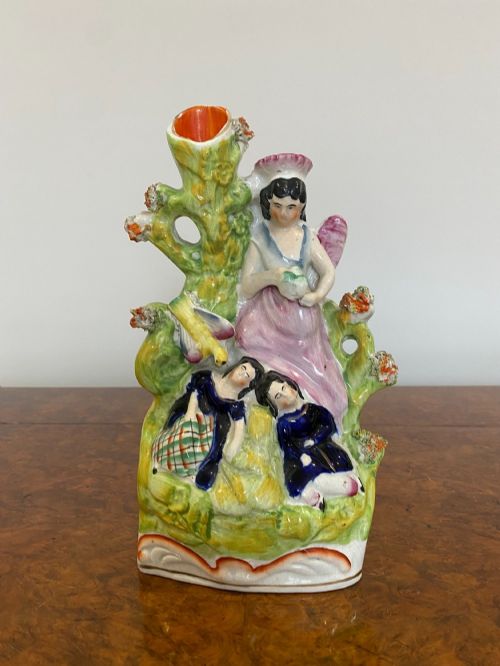
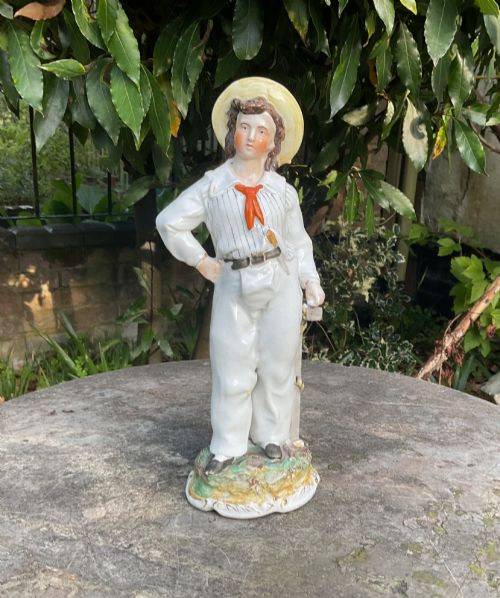
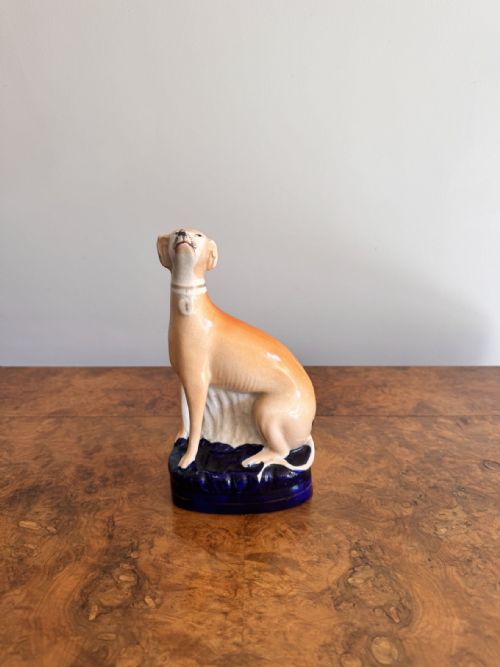
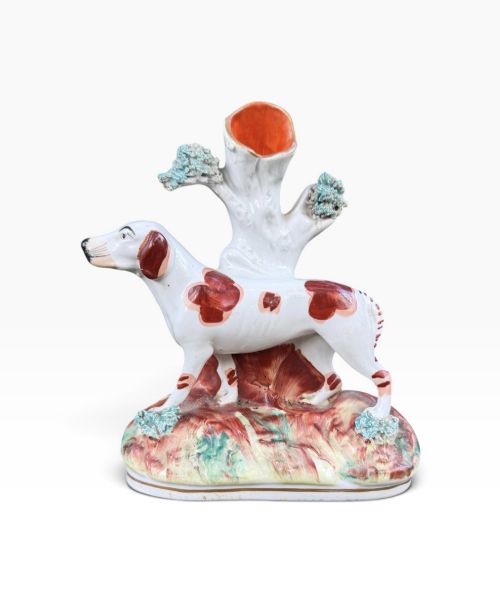
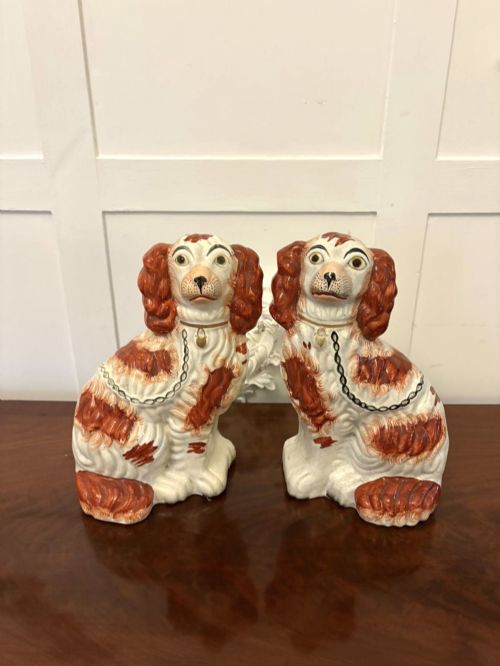
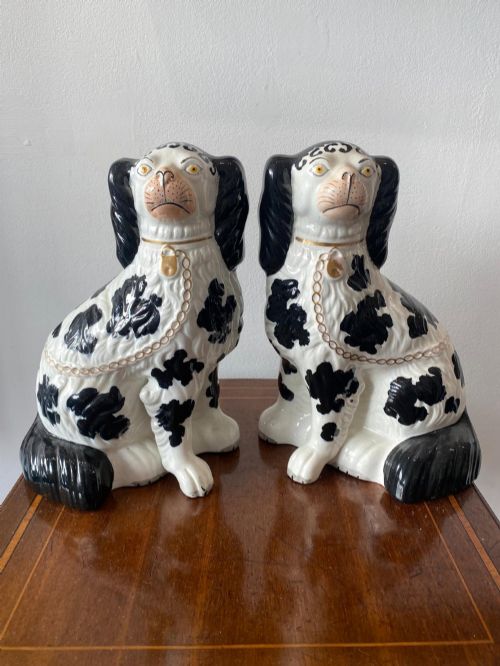
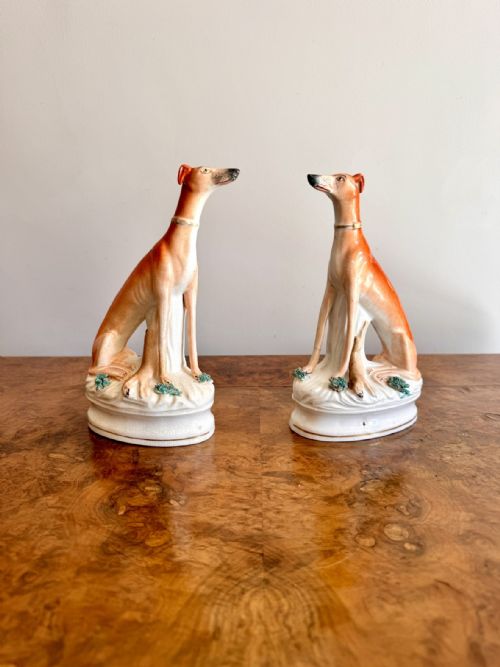
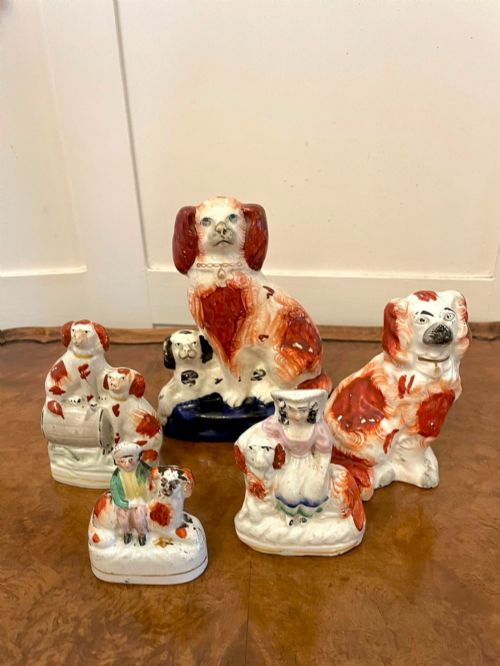
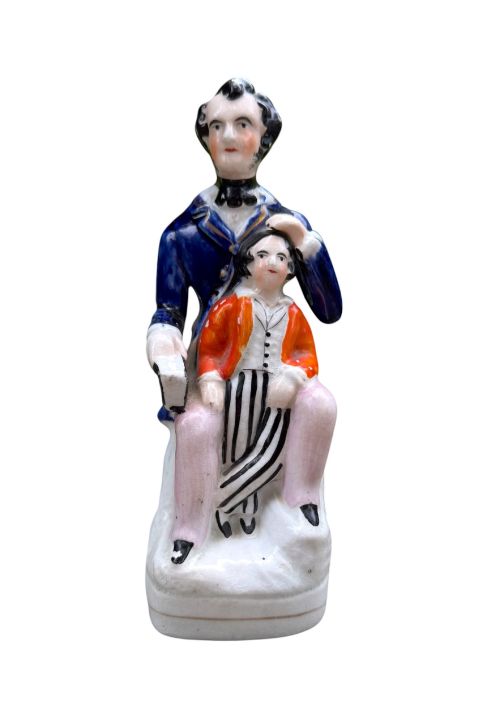
Victorian earthenware figurines encompass a wide variety of ceramic ornaments produced during the nineteenth century, including spill vases, tobacco jars, and portrait figures. When searching for victorian earthenware figurines, collectors frequently encounter Staffordshire dogs, flatback figures of historical personalities, and animal groups.
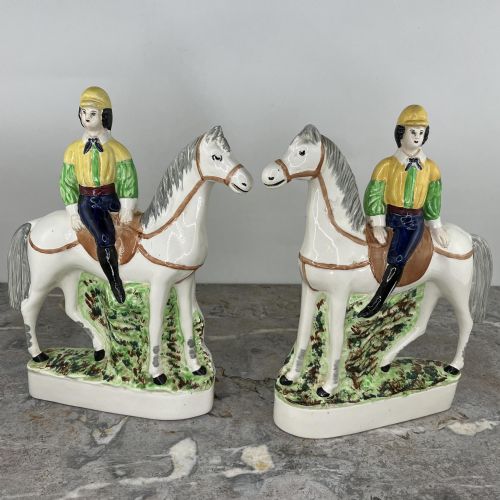
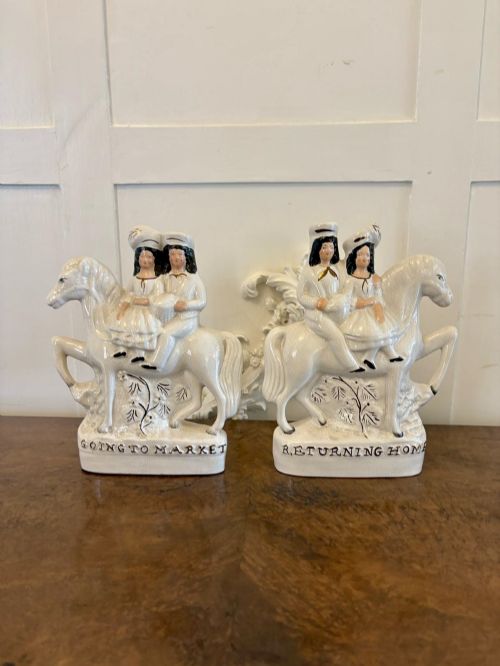
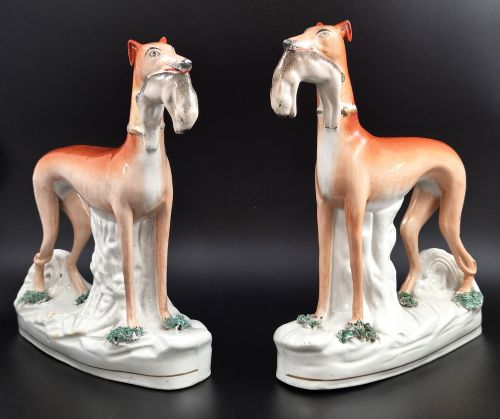
The objects span multiple decades from the mid-nineteenth century to the turn of the twentieth century, reflecting the tastes of the period. Forms range from seated spaniels and greyhounds to theatrical characters and military figures.
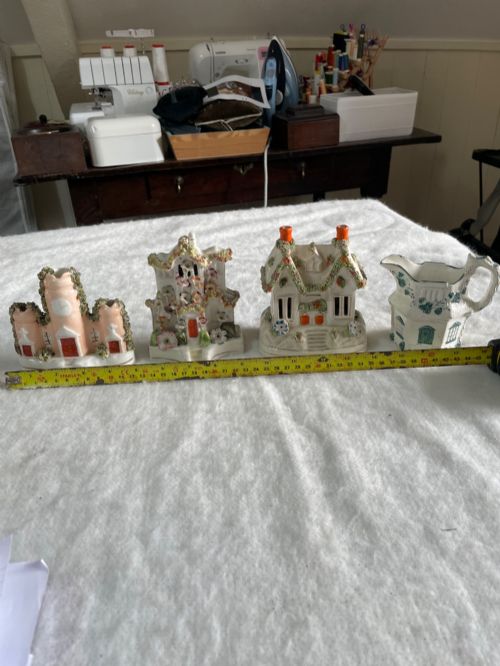
Makers produced both single figures and matched pairs designed for mantelpiece display. Many examples incorporate functional elements such as spill vases or creamers alongside pure ornamentation.
How they were made
Potters shaped these earthenware objects using local clay bodies, frequently applying lead glaze to seal the porous ceramic substrate. Artisans then hand-painted details using enamel colours, sometimes adding gold leaf or gilt highlights for decorative effect.
Many flatback figures and hollow animals were cast in moulds before receiving their primary glaze coat and subsequent colour decoration. Treacle glaze and cobalt blue enamel also appear frequently across the ceramic bodies.
Victorian Earthenware Figurines Retail Price Guide 2026
Typical asking prices for victorian earthenware figurines among the pieces listed under this phrase on Sellingantiques today, from the lower quarter to the upper quarter. They describe what is for sale here now, not the wider market.
Listings feature nineteen-century production dates spanning from the eighteen-fifties through the early nineteen-hundreds, utilising earthenware and lead glaze.
What varies in quality
Original matched pairs maintain higher desirability than mismatched components assembled later. The vibrancy of the remaining glaze and the preservation of gilt highlights also determine the overall standard of each piece.
The Victorian Earthenware Figurines Glossary
- Flatback
- A figure moulded with a finished front and a plain, unglazed or partially glazed flat rear intended for placement against a wall. This construction method saved materials and reduced weight.
- Spill Vase
- A hollow ceramic cylinder attached to a figure designed to hold wooden spills for lighting fires. These practical vessels combine ornamentation with domestic utility.
- Treacle Glaze
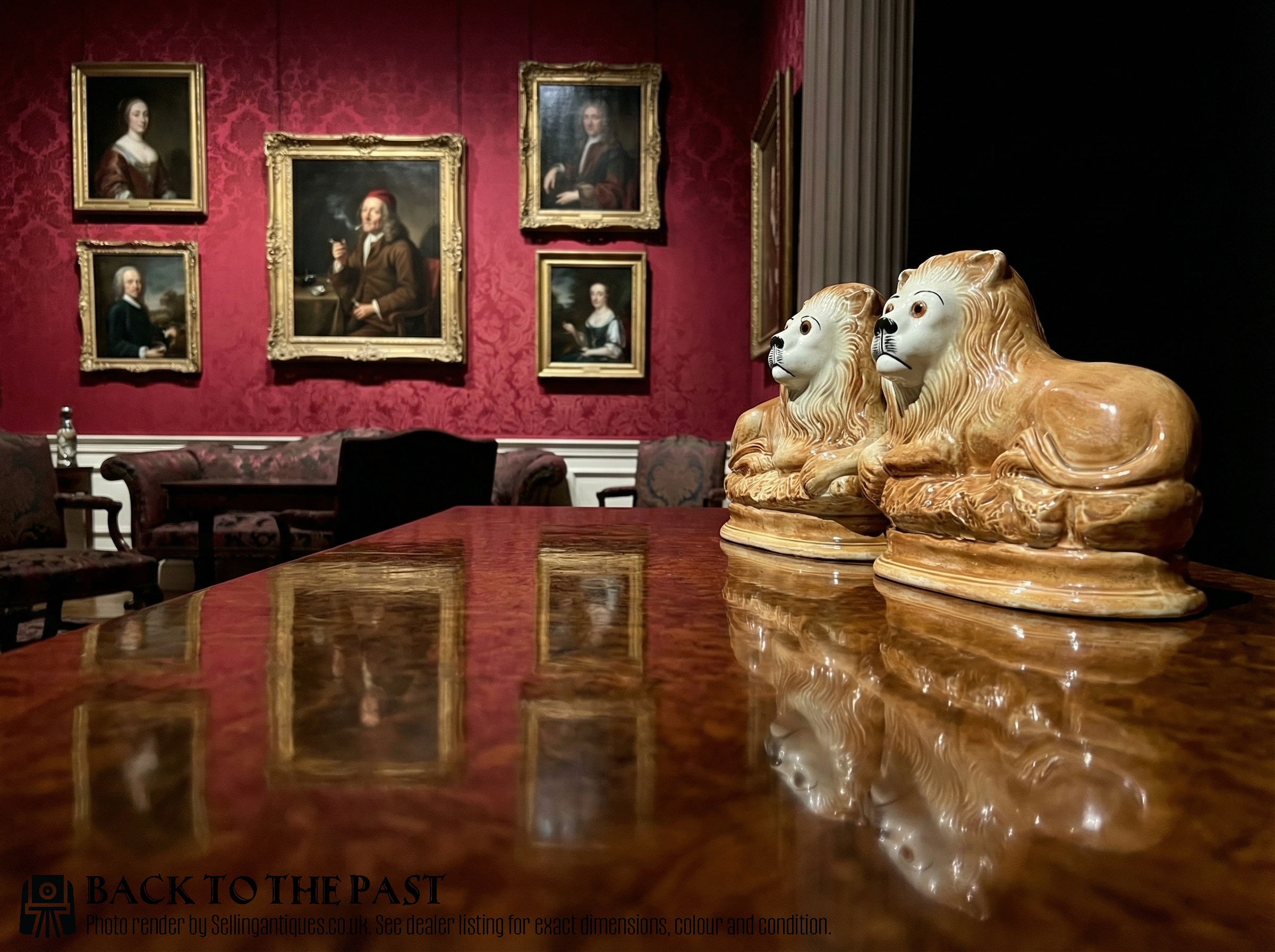
- A dark, translucent brown lead glaze that produces a rich, glossy finish over earthenware. Potters used this technique extensively on animal figures and lions.
- Earthenware
- A porous type of pottery fired at lower temperatures than stoneware or porcelain. It requires a glaze layer to achieve a waterproof surface.
- Enamel Paint
- Vitreous coloured pigments applied over the fired glaze and subjected to a second, lower-temperature firing to fuse the colours to the ceramic.
Victorian Earthenware Figurines: Frequently Asked Questions
Where were these figures made?
Most of these ceramics originated in the Staffordshire Potteries region of England during the Victorian era. Local factories produced vast quantities of earthenware animals and portrait pieces for domestic display.
Production spanned several decades, utilising regional clay resources and traditional pottery techniques passed down through generations of local artisans.
How do I clean my figurine?
Dust these ceramic objects gently with a soft, dry brush to prevent accumulation. Avoid harsh chemical cleaners or submersion in water, as old enamel paint and lead glazes can be delicate.
Surface moisture should be addressed immediately with a soft cloth to protect the porous earthenware body beneath the glaze.
Are these figures waterproof?
While the glaze seals the interior of vessels like spill vases and creamers, older earthenware can remain slightly porous. It is advisable to avoid filling antique spill vases with water for fresh flowers.
Using a small glass insert inside the vase protects the historic ceramic material from moisture damage over time.