






Victorian Drop Dial
When you choose a victorian drop dial, you invite a dependable timekeeper shaped by the busy platforms and stately rooms of the nineteenth century into your home.
Victorian Drop Dial
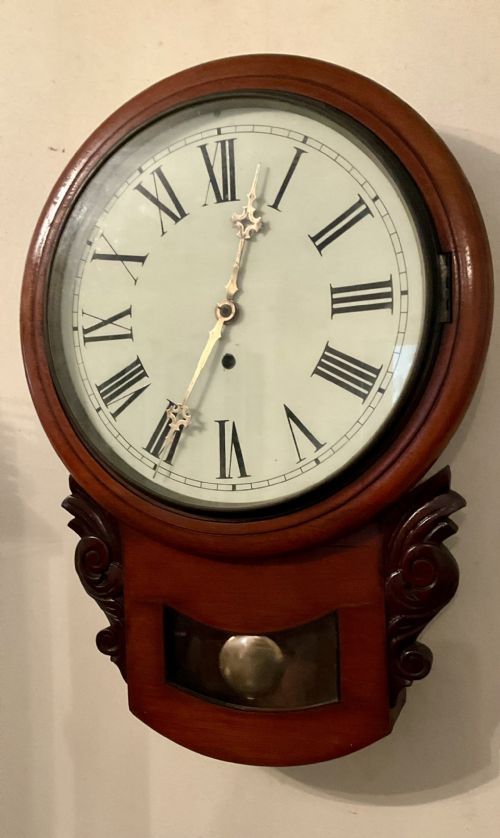
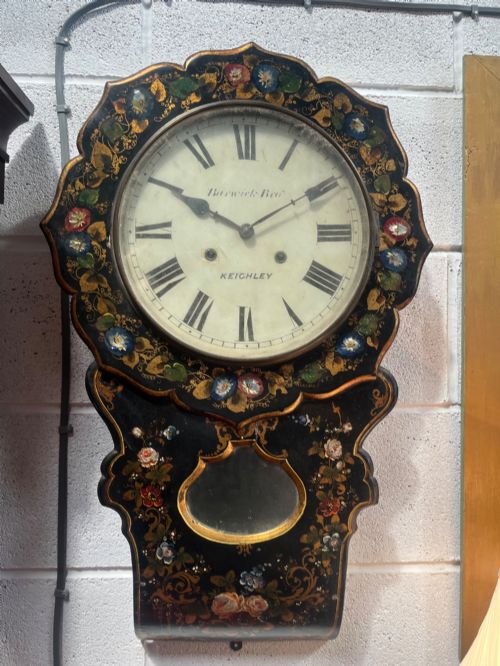
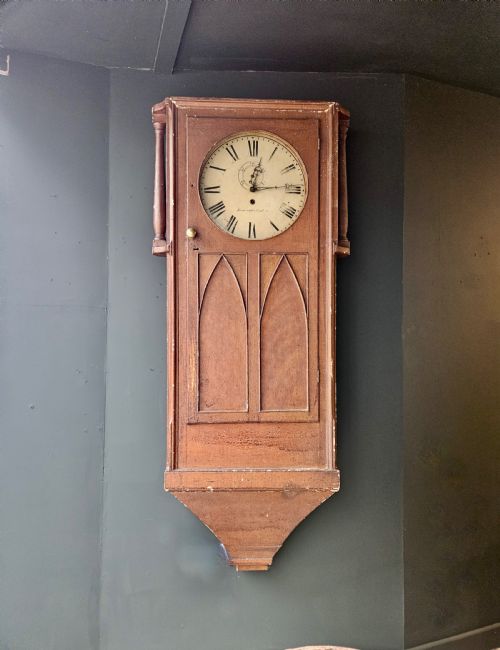
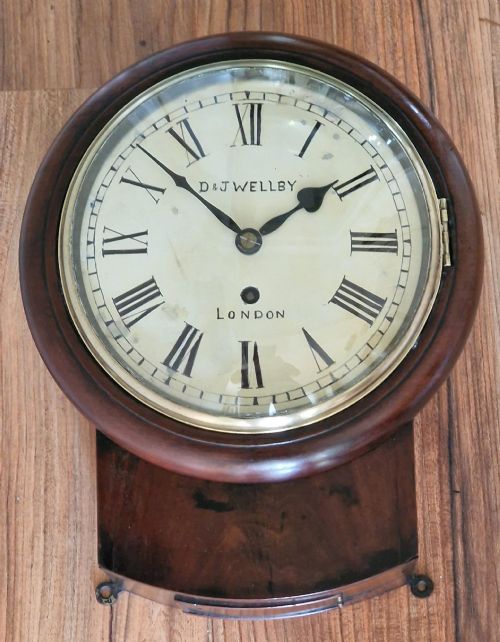
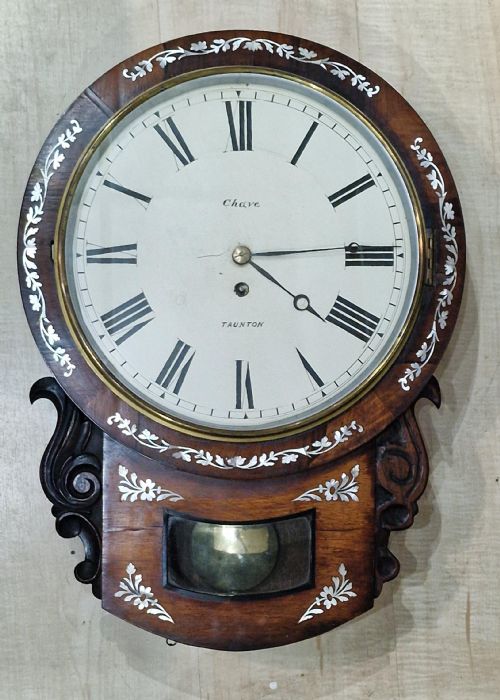
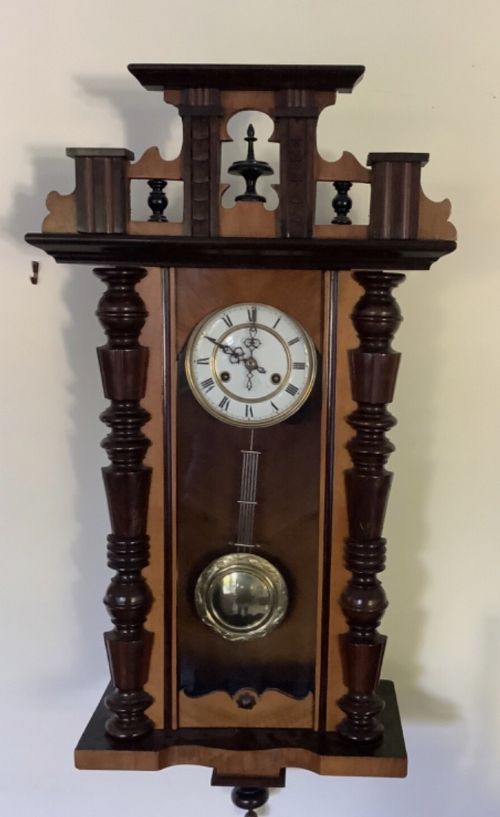
A victorian drop dial combines a circular face above with a lower wooden trunk designed to house a swinging pendulum. These clocks appear frequently on this page in robust timbers such as mahogany and rosewood, reflecting their nineteenth-century origins.
Makers produced these pieces for various settings, ranging from railway stations and public offices to private domestic interiors. Many examples feature fusee movements or striking mechanisms housed in octagonal or round frames with glazed doors.
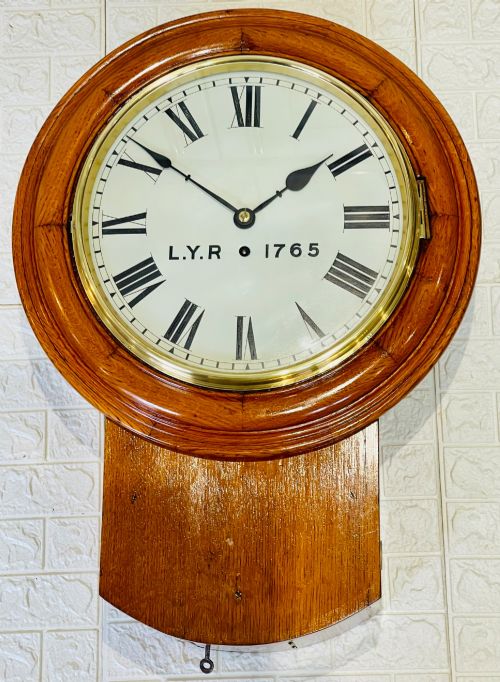
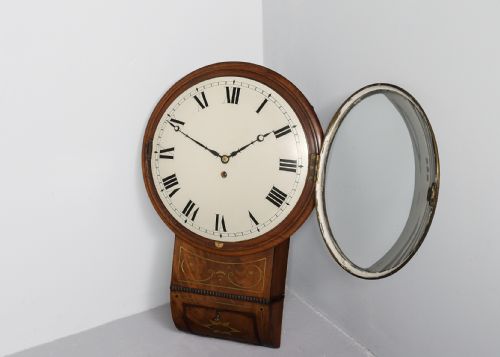
The lower drop case often incorporates decorative brass inlay or mother-of-pearl work, particularly on rosewood and walnut models. Plain mahogany and oak versions tend to represent railway and institutional service, bearing station names or company initials.
Materials and Movements
Cabinetmakers constructed the main cases using solid timbers like mahogany, rosewood, walnut, and oak, frequently housing them in glazed bezels of cast brass. These woods provided the structural stability required for heavy movements mounted on interior wooden trunk boards.
Most pieces rely on fusee movements, a mechanical device using a conical pulley to maintain even tension on the chain as the mainspring unwinds. Twin-fusee configurations manage both timekeeping and bell-striking trains within the same compact wall-hung enclosure.
Judging Quality
The refinement of the cabinetwork and the crispness of any brass or mother-of-pearl inlay distinguish finer examples from standard utility timepieces. Higher-grade pieces often display carefully selected wood veneers and well-proportioned lower cases that balance the dial above.
Movement finishing marks the primary division between standard railway clocks and premium domestic pieces, with skilled makers signing the dial plates and back-bridges. Untouched original dial paint and crisp engraving on the brass bezel surround add considerable character to surviving examples.
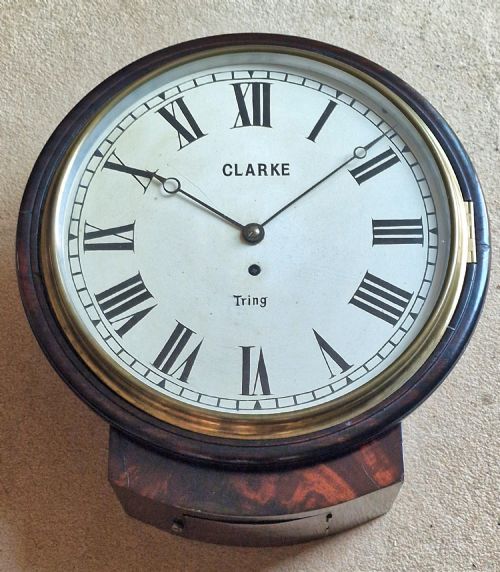
George Clarke Tring·D&J Wellby London·Chave Taunton·Halliday & Rich Bridgwater·Henry Lamb Windsor·Joseph Mansfield·John Walker London·Balbiani Brookley·Kleyser of London·R. Roberts of London·Dent of London·William Burch·James Bennett Norwich
The Victorian Drop Dial Glossary
- Fusee
- A conical pulley connected to the mainspring by a chain or cord designed to equalise the torque as the spring unwinds. This mechanism ensures consistent timekeeping throughout the duration of the winding cycle.
- Dial
- The visible face of the clock, typically painted white or cream and marked with Roman or Arabic numerals. It sits behind a glass bezel held in a wooden or brass surround.
- Bezel
- The ring, often made of brass, that holds the glass protecting the clock face. It usually hinges open to allow for hand-setting and regulation.
- Pendulum
- A suspended weight that swings back and forth to regulate the movement of the clock. In drop dial clocks, it swings within the lower trunk of the case.
- Striking
- A mechanism that sounds a bell or gong to mark the passing hours. Twin-fusee movements commonly incorporate this feature alongside the timekeeping train.
Victorian Drop Dial: Frequently Asked Questions
Where were these wall clocks originally hung?
Railway companies mounted them in waiting rooms and ticket offices to keep passengers and staff synchronized. Domestic examples found places in hallways, kitchens, and parlours across the country.
Public buildings and business offices also utilised them for reliable timekeeping before smaller clocks became common.
How do I wind a fusee wall clock?
A small key fits onto the winding square on the dial face, turned gently until the chain reaches its limit. Care must be taken not to overwind the mechanism.
Most single-fusee models require attention every eight days, while twin-fusee striking versions follow a similar weekly routine.
What is the lower drop case for?
The extended lower portion accommodates the length of the swinging pendulum as it regulates the movement above. Without this drop shape, a wall-mounted clock would require a much larger circular frame.
Cabinetmakers often decorated this lower trunk with veneers or inlay to balance the overall visual weight of the piece.
How do I distinguish a railway clock?
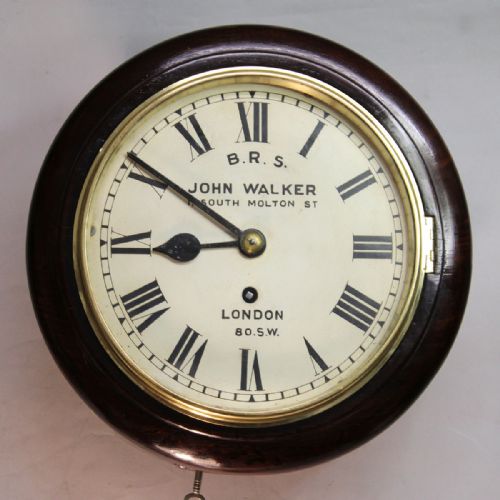
Railway examples frequently display company initials, station names, or inventory numbers painted directly onto the dial or stamped on the wooden case. Their construction tends to prioritise robust utility over decorative inlay.
Many of these institutional pieces feature plain mahogany or oak surrounds designed to withstand heavy daily use.