

Victorian Display Case
A victorian display case brings together glass and timber to protect and present treasured possessions.
Victorian display cases
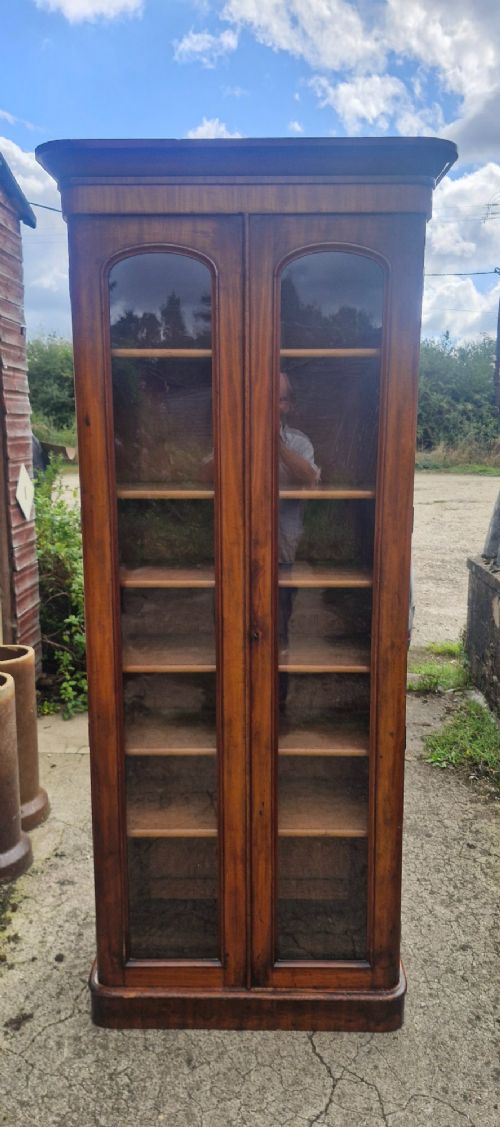
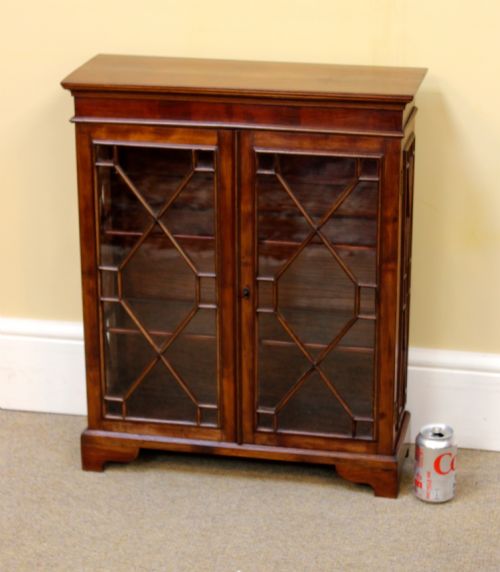
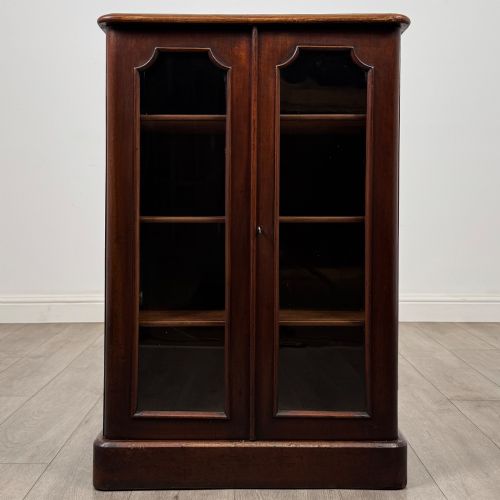
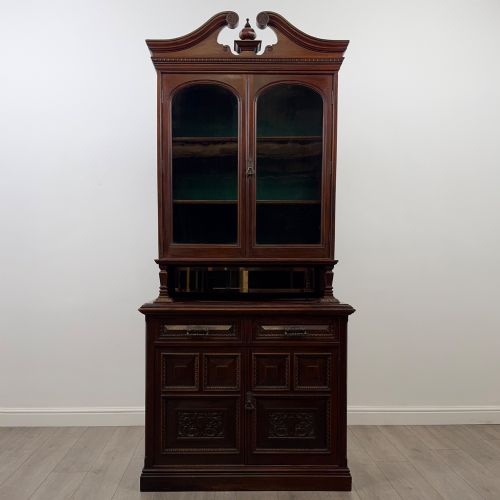
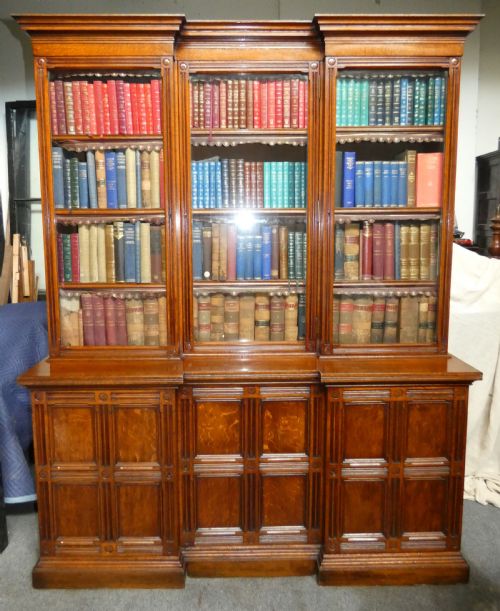
A victorian display case covers domestic cabinets, countertop shop vitrines, and glass domes designed to exhibit objects. The pieces appearing here range from tall library bookcases with glazed doors to small table cabinets and taxidermy domes.
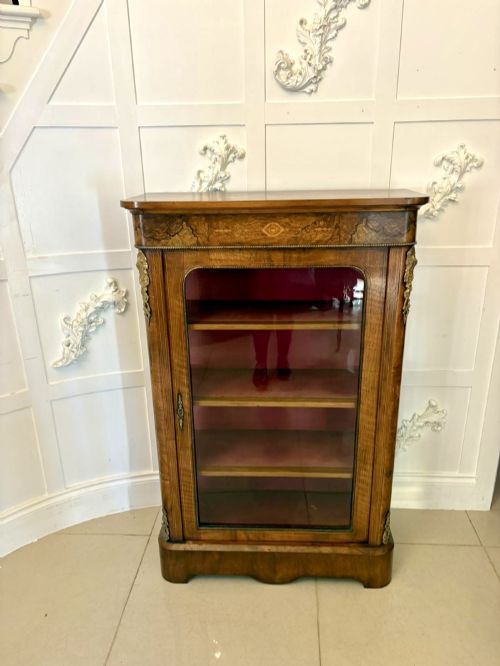
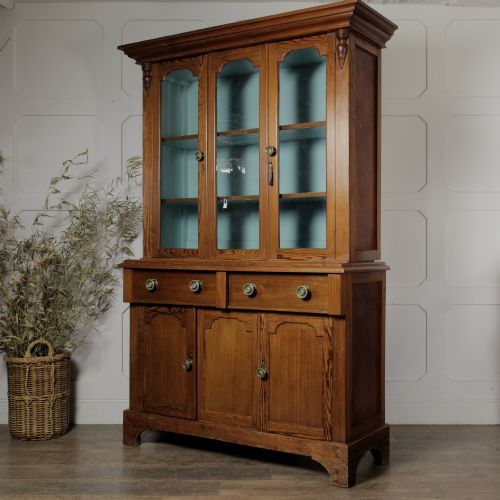
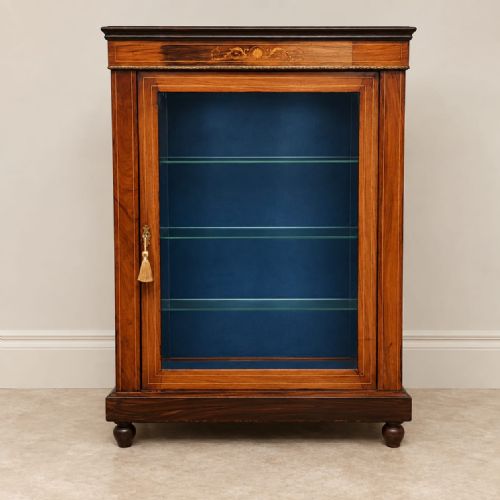
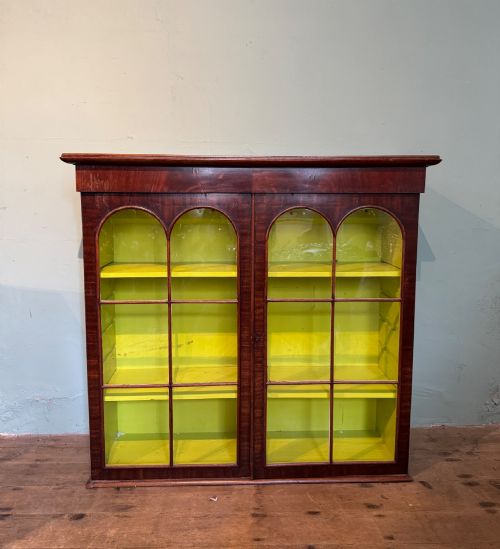
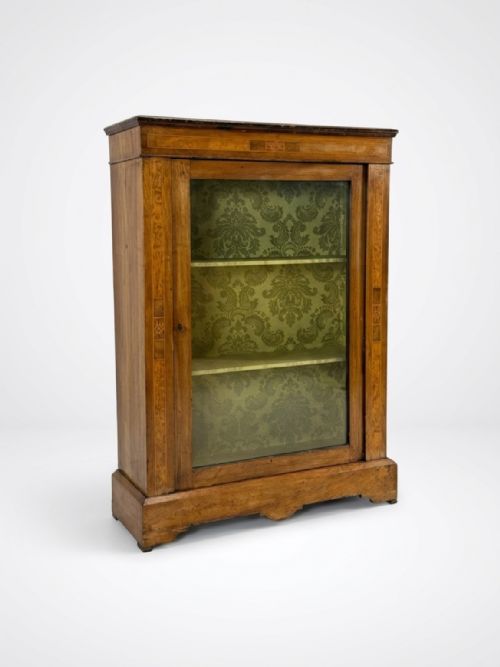
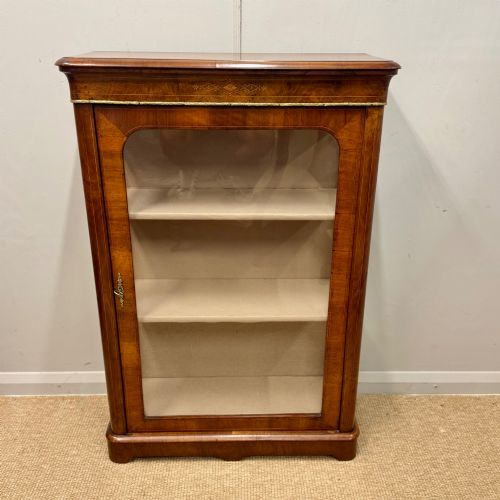
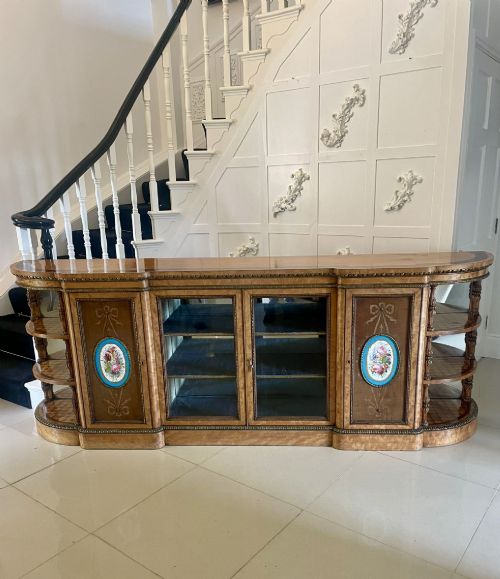
Domestic iterations include pier cabinets, inlaid sideboards, and wall-standing library cases framed in mahogany, walnut, or oak. Commercial shopfittings also appear, including countertop cases and hand-signed biscuit and chocolate cabinets.
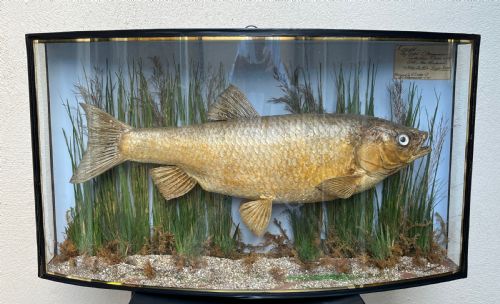
Domes and cloches serve as another distinct category, enclosing botanical specimens, clocks, and taxidermy on wooden bases. These protective glass covers preserve delicate items from dust while maintaining a clear view from every angle.
Materials and construction
Makers utilised dense cabinet timbers such as mahogany, walnut, burr walnut, and oak, often mounting glass within astragal frames. Ebonised wood and satinwood also appear alongside brass hardware and gilt or gold inlay.
Interior surfaces frequently incorporate mirrors to reflect light through the enclosed objects. Ormolu mounts, boxwood inlay, and hand-painted commercial signwriting complete the decoration on specialised pieces.
Retail Price Guide 2026
Typical UK retail prices for victorian display case, calculated from the Sellingantiques database of over a million retail prices indexed since 2003. This retail price guide relies exclusively on Sellingantiques data; no external sources or auction records are used, so the figures do not describe the wider market.
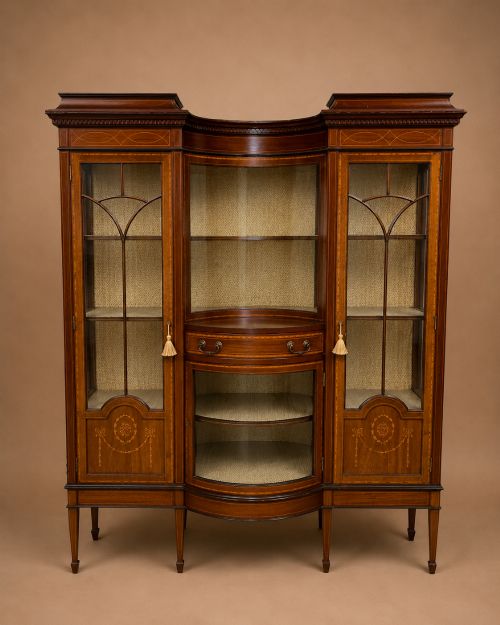
Recorded forms range from tall breakfront bookcases and pier cabinets to small glass domes for botanical specimens.
Design and finishing
Refinement in a victorian display case depends on the selection of timber veneers, such as flamed mahogany or burr walnut, matched with precise marquetry or inlay. Cabinets carrying ormolu mounts and exhibition-quality proportions represent the upper tier of production.
Structural joinery and the clarity of the blown or drawn glass pane dictate durability and visual impact. Commercial counter cases and simpler pine or oak examples prioritise utility over decorative embellishment.
The Victorian Display Case Glossary
- Vitrine
- A glass-fronted cabinet designed specifically for the exhibition of porcelain, curiosities, or fine objects. These freestanding or countertop cases protect items while offering all-round visibility.
- Bijouterie
- A low display table or cabinet with a glazed top and sides, created to hold small valuables, jewellery, and medals. The interior is commonly lined with velvet or silk.
- Pier cabinet
- A narrow cabinet built to fit the wall space between windows, often featuring glazed doors and walnut or mahogany veneers. They served domestic interiors for books and ornaments.
- Cloche
- A bell-shaped glass cover set upon a timber or mirrored base to protect delicate displays such as taxidermy, clocks, or botanical specimens. They isolate items from ambient dust and moisture.
- Ormolu
- Gilded bronze mounts applied to cabinet corners, cornices, and friezes for decorative contrast. This technique enhances the formal appearance of high-status walnut and mahogany furniture.
Frequently Asked Questions
What fits inside a countertop display case?
Countertop cases were originally built for retail spaces to showcase small goods, biscuits, or confectionery to customers.
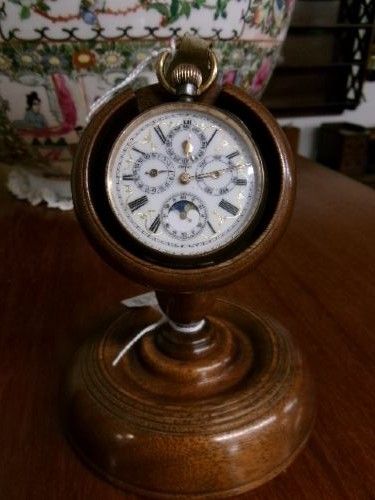
Today, collectors use them on desks or sideboards to exhibit pocket watches, medals, small ceramics, or geological specimens.
How do glass domes protect taxidermy?
Glass domes provide a sealed environment that shields fragile natural history specimens and feathers from airborne dust and physical disruption.
The wooden or mirrored base secures the specimen while the glass cover maintains uninterrupted visibility.
What is the difference between a bookcase and a display case?
While both utilise glazed doors, a dedicated display case prioritises visibility for ornaments, curiosities, and collections rather than bulk book storage.
Many examples combine both functions with adjustable shelving behind glass panels.
Where should a pier cabinet be placed?
Pier cabinets were originally designed to occupy the narrow wall space between two windows in a Victorian drawing room.
Modern placement works well against any flat wall where floor space is limited, as their shallow depth prevents them from projecting too far into a room.