


Victorian Dining Centrepiece
A victorian dining centrepiece anchors the formal table with silver, glass, and layered proportion.
Victorian Dining Centrepiece
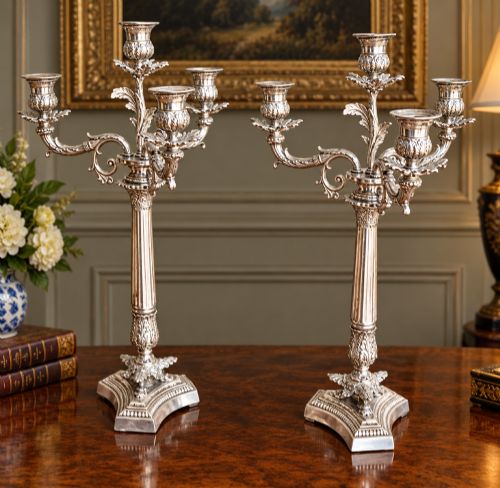
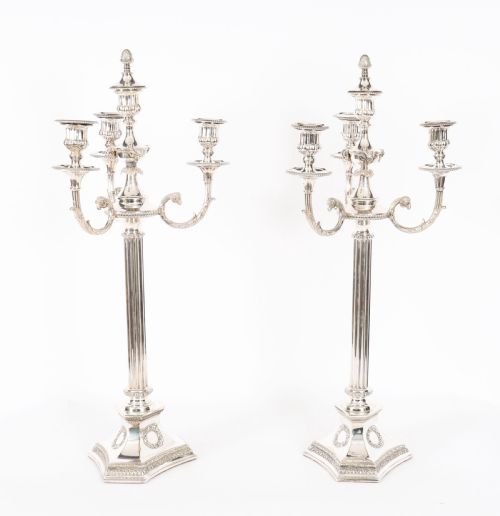
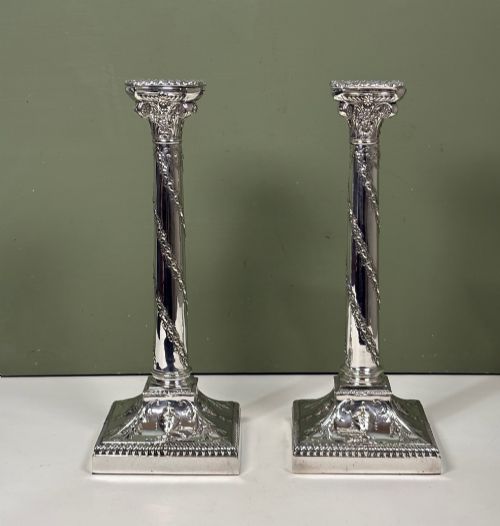
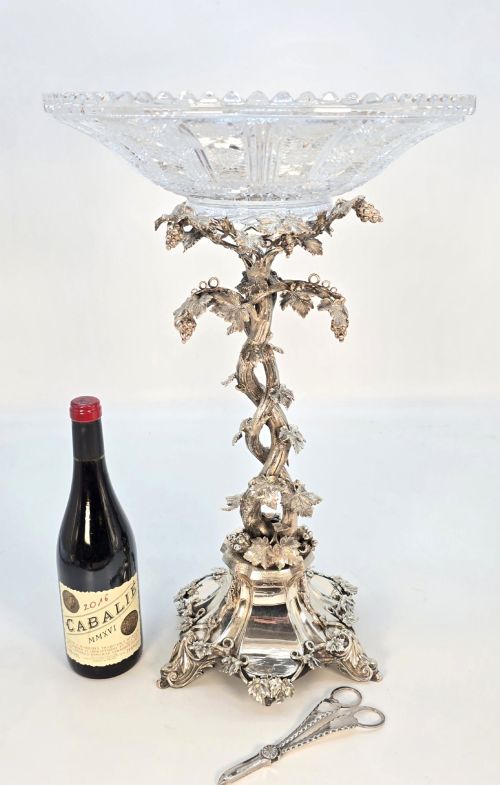
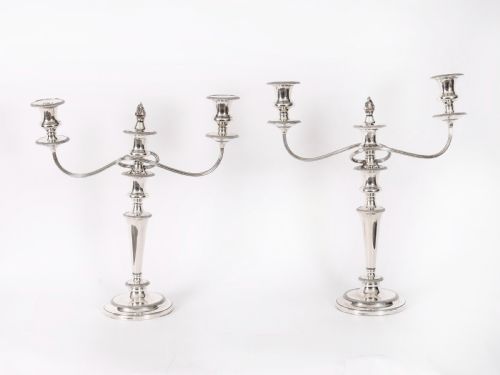
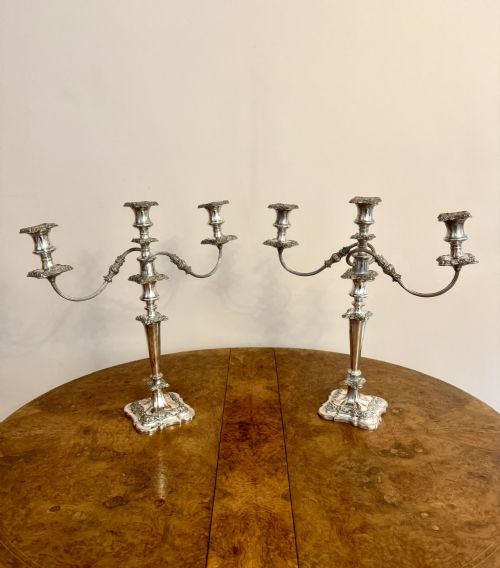
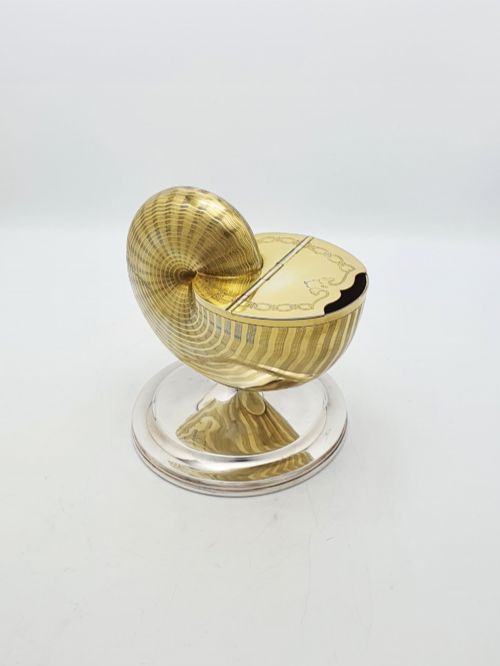
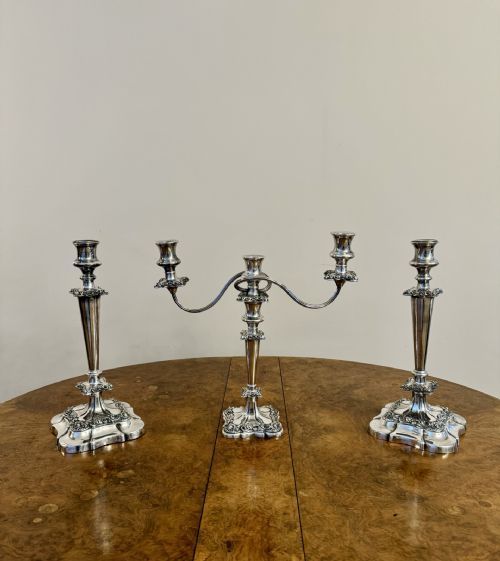
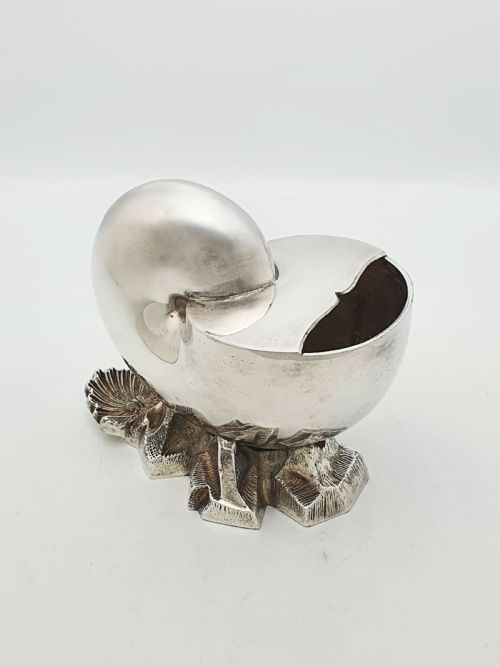
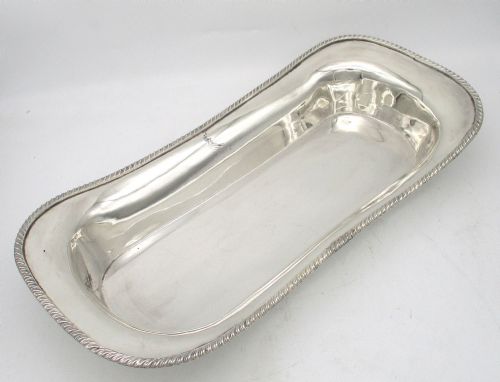
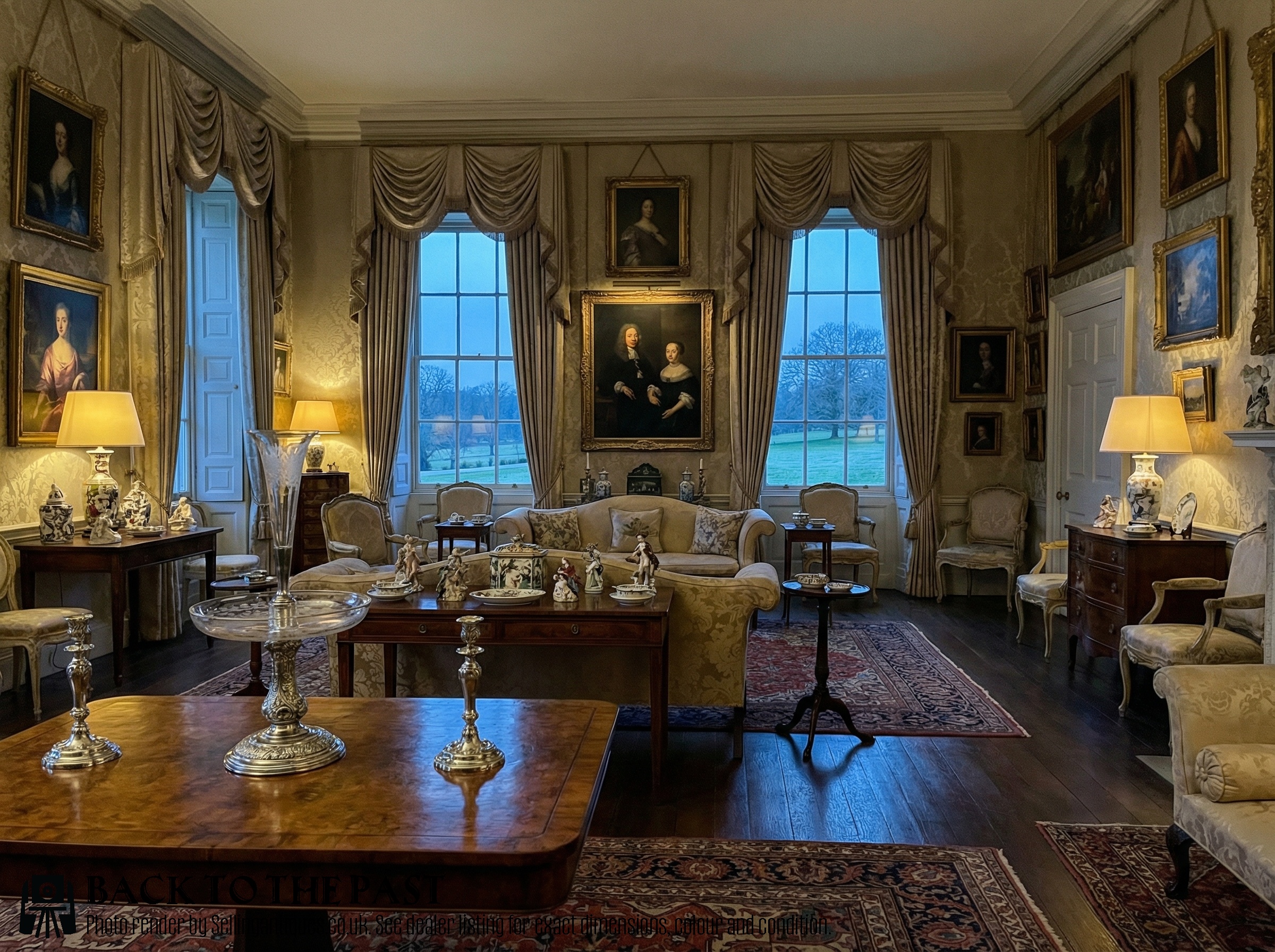
A victorian dining centrepiece gathers the silver-plated and sterling candelabras, epergnes, and serving vessels that dominated nineteenth-century dining tables. The pieces range from monumental multi-branch candelabras down to revolving lazy susans and nautilus shell spoon warmers.
Candelabras and table centrepieces form the most frequent encounters on this page, often paired with cut or cranberry glass inserts. Makers utilised various styles including rococo revival, neoclassical, and naturalism to ornament the dining surface.
The objects stem predominantly from the nineteenth century, utilising base metals, silver plate, and solid sterling silver alongside carved mahogany. Each form served a distinct ritual during formal nineteenth-century dining, from illuminating the table to presenting wine or condiments.
Materials and Construction
Silversmiths constructed these objects using sterling silver or silver plate over base metals, applying techniques such as piercing, casting, and heavy plating. Sheffield plate and electroplate produced durable surfaces capable of sustaining intricate repoussé decoration.
Glass components combine with metal frames in epergnes and centrepieces, employing cut glass, etched glass, and rich cranberry or ruby glass blown into trumpets and bowls. Mahogany timber provides the structure for rotating lazy susans through traditional joinery and turning.
Details such as detachable sconces, figural cherubs, and marine motifs require cast metal elements joined securely to weighted bases. The integration of glass inserts into silver-plated frames demands precise sizing to ensure stability on the dining table.
Listings demonstrate materials spanning sterling silver, silver plate, cut glass, brass, and mahogany across the nineteenth century.
Distinctions in Quality
Quality rests upon the crispness of the chased and cast ornament, where sharper botanical or figural details indicate superior hand-tooling. Heavier gauge metalwork provides structural integrity, preventing the flex and wobble seen in lighter productions.
The integrity of the glass inserts alters the standard of a piece, with deep hand-cut facets and unblemished cranberry colouring representing higher output. Maker marks from established firms denote workshop accountability and superior material purity.
Proportion and balance determine the visual success of multi-branch candelabras and epergnes, separating balanced compositions from awkward arrangements. The preservation of original plating without excessive wear to the underlying base metal maintains the piece's integrity.
Garrard and Co·Walker and Hall·Martin Hall·Elkington·Wade Wingfield Wilkins·James Deakin
The Victorian Dining Centrepiece Glossary
- Candelabra
- A branched candlestick holding multiple candles for table illumination. These often form the central height of a dining arrangement.
- Epergne
- A large ornamental centrepiece featuring a central bowl with branching arms and hanging baskets. They typically display cut glass or ruby glass flutes.
- EPNS
- Electroplated nickel silver, a common base metal process used for nineteenth-century tableware. It provided an affordable alternative to solid sterling silver.
- Spoon Warmer
- A vessel designed to hold hot water for warming silver spoons prior to serving soup or dessert. Victorian versions frequently adopted nautilus shell and ammonite forms.
- Lazy Susan
- A revolving tray placed on the dining table to assist with passing dishes. Nineteenth-century examples often utilise carved mahogany with multi-tier turning.
Victorian Dining Centrepiece: Frequently Asked Questions
What is a victorian dining centrepiece used for?
These pieces anchored formal nineteenth-century dining tables by providing elevated illumination through candelabras or displaying fruit and sweetmeats in epergnes. They served as the visual focal point of the meal.
Smaller iterations held specific culinary purposes, such as warming spoons or containing wine bottles and condiments. Each item contributed to the structured presentation of Victorian dining rituals.
How do I clean silver plated centrepieces?
Silver plate requires gentle cleaning with non-abrasive cloths and dedicated silver foams to preserve the thin metal layer over the base metal. Avoid harsh dipping solutions that strip the historic finish.
Glass inserts can be washed separately in warm soapy water. Care must be taken around weighted bases to prevent moisture ingress.
What is cranberry glass?
Cranberry glass is a pinkish-red decorative glass produced by adding gold chloride to the molten glass batch. It gained popularity during the Victorian era for epergnes and table ornaments.
The rich colour varies in tone depending on the gold content and cooling process. It frequently appears alongside clear glass trails or ruffled rims.
How do I identify a silver plate from solid silver?
Solid silver pieces bear hallmark stamps indicating the assay office, city, and date letter alongside the lion passant for sterling standard. Maker marks also help confirm solid silver manufacture.
Silver plate typically carries manufacturer marks indicating electroplating or Sheffield plate. Wear revealing a yellowish or grey base metal underneath points to plating rather than solid silver.