


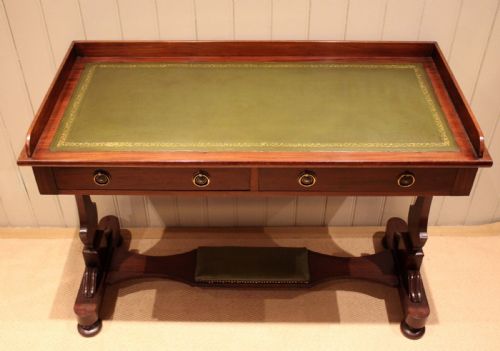
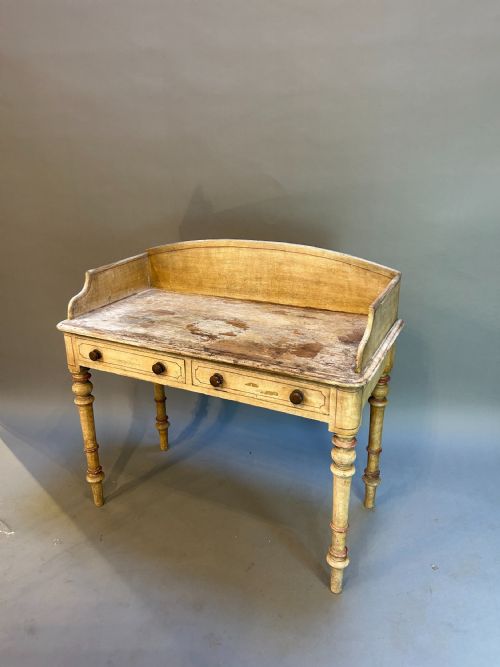
Victorian Desk with Gallery
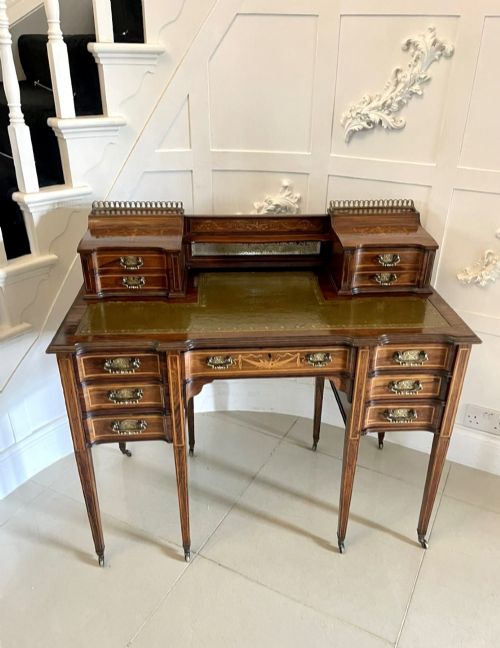
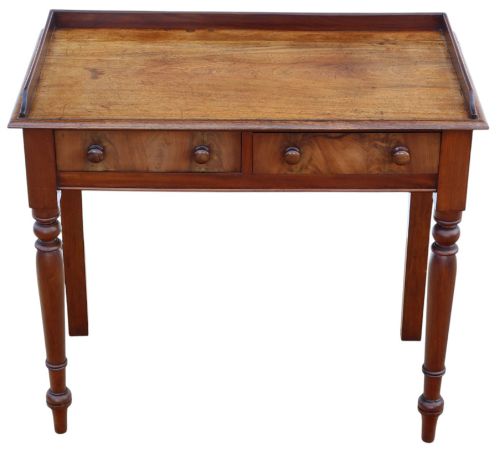
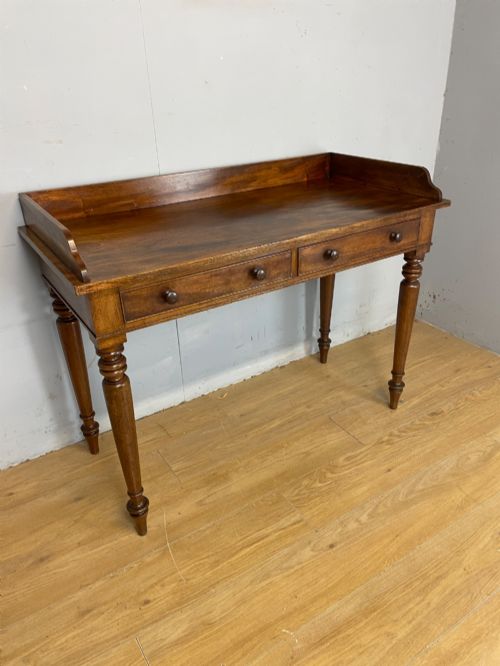
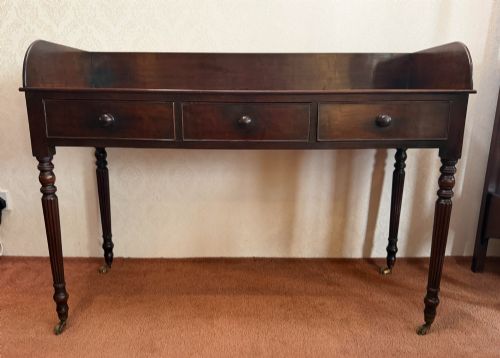
A victorian desk with gallery brings purposeful elegance to a room, offering practical surface space alongside a raised superstructure for letters and small accessories.
Victorian Desk with Gallery
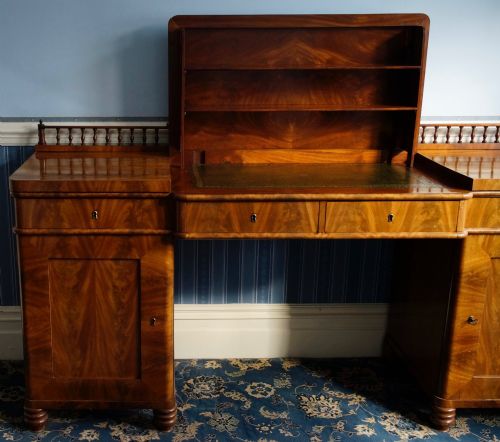
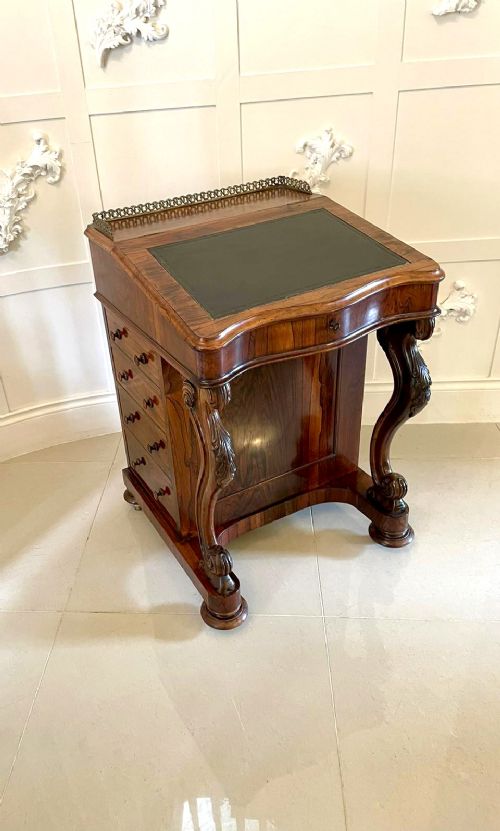
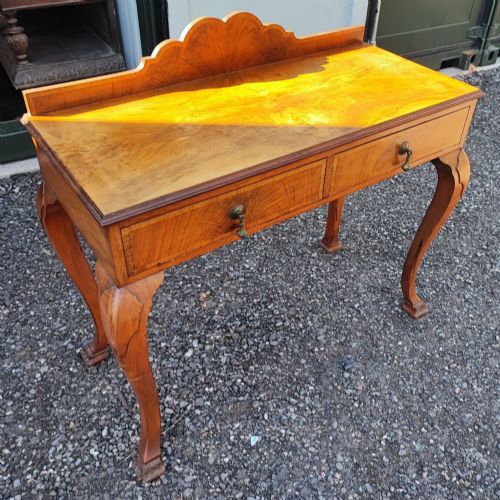
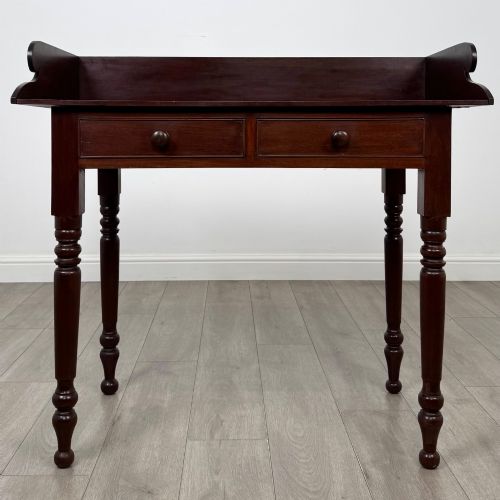
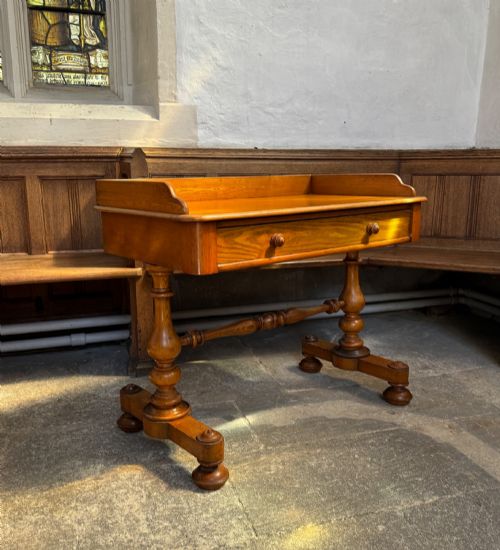
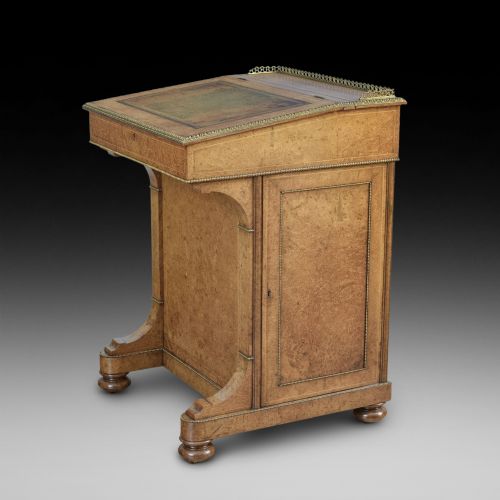
A victorian desk with gallery combines standard writing surfaces with an elevated rear tier or rail, designed to keep stationery organised and papers from sliding off the back. The selection spans compact davenports, pedestal desks, and refined writing tables dating through the nineteenth century.
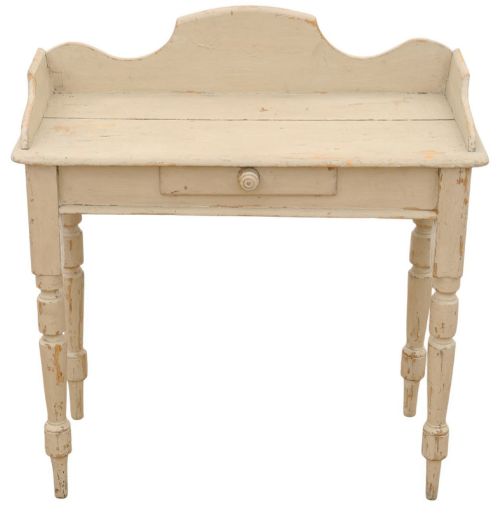
Most examples appear in rich timbers such as mahogany and burr walnut, reflecting the domestic and study fashions of the period. Forms range from simple side writing desks in pitch pine to elaborate satinwood and inlaid pieces.
Materials and construction methods
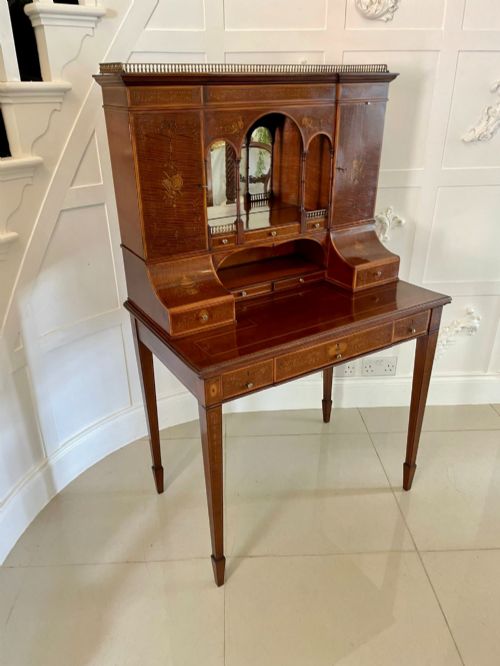
Cabinet makers utilised solid timbers and figured veneers, applying mahogany, walnut, and satinwood over sturdy carcases. Decorative details often incorporate fine stringing, marquetry inlay, and contrasting secondary woods like burr maple for internal fittings.
Hardware typically consists of cast brass handles, hinges, and occasional protective mounts. Writing surfaces frequently feature inset panels of tooled leather, whilst galleries utilise turned spindles or pierced brass rails.
The selection includes specialised forms such as Dickens desks, Davenport desks, and Bonheur du Jour writing cabinets.
Distinguishing quality across examples
Superior pieces display exceptional timber selection, such as highly figured burr walnut or meticulously matched satinwood veneers across all visible surfaces. The refinement of the inlay work and the crispness of turned gallery spindles indicate the level of craftsmanship involved.
Internal construction and original hardware further separate standard production from high workshop output. Well-fitted drawers, original brass locks, and secondary linings demonstrate a standard of joinery that retains structural integrity over time.
Maples·Maple & Co·Rupert Favell
The Victorian Desk with Gallery Glossary
- Davenport desk
- A compact writing box form featuring a sloping hinged lid above a pedestal of drawers. Originating in the early nineteenth century, it became a popular space-saving desk type.
- Bonheur du jour
- A light ladies' writing desk equipped with a small superstructure of shelves, drawers, or a cabinet above the main writing surface. The name translates from French as day's delight.
- Escritoire
- A tall writing cabinet featuring a drop-down fall front that conceals an interior arrangement of small drawers and pigeonholes. It provides both storage and a dedicated writing space.
Victorian Desk with Gallery: Frequently Asked Questions
What is a gallery on a desk?
A gallery is a raised decorative rail or low shelf fitted to the rear edge of the writing surface. Its original purpose was to stop papers and inkwells from sliding off the back of the table.
In Victorian design, galleries evolved from simple functional wooden borders into ornate brass structures with spindles. They contribute significantly to the overall aesthetic height and character of the piece.
How do I care for a leather writing surface?
Leather inserts require gentle maintenance to prevent drying and cracking over time. Regular dusting with a soft, dry cloth keeps abrasive particles from settling into the grain.
Specialist leather dressings or neutral waxes can be applied sparingly to nourish the hide. Avoid harsh chemical cleaners and keep antique desks away from direct heat sources.
Where were these desks placed in a Victorian home?
Writing tables and davenports were typically positioned in libraries, studies, or private withdrawing rooms. Compact examples often sat in corners or against walls where floor space was at a premium.
Pedestal desks usually stood freestanding towards the centre of a study or office room. Their finished backs allowed them to be viewed from any angle within the interior.
How do I distinguish walnut from mahogany?
Walnut displays a rich, warm brown tone with distinctive dark grain figuring and frequent swirling patterns. Burr walnut exhibits intricate, knotty clusters that create highly decorative surfaces.
Mahogany tends to range from a deep reddish-brown to a golden hue with a straighter, more uniform grain structure. It generally offers a heavier weight and a denser feel under hand.