
Victorian Deep Buttoned Sofa
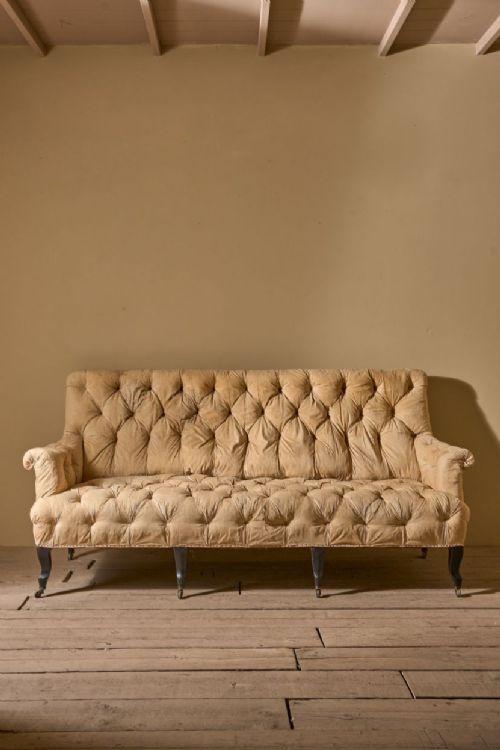
A victorian deep buttoned sofa brings generous comfort and tactile upholstery into a room, offering robust springing and deep tufting that draws the eye immediately.
Victorian Deep Buttoned Sofa
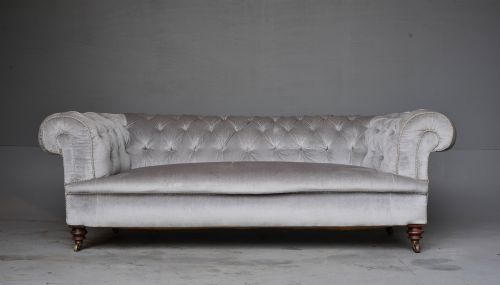
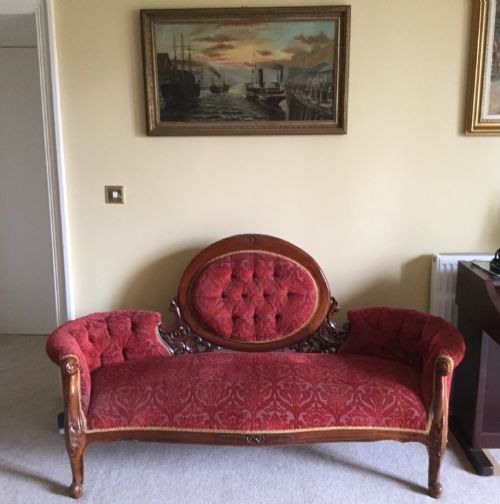
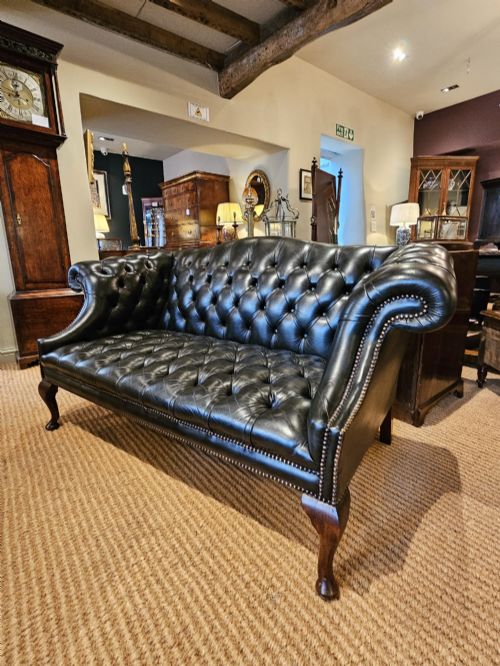
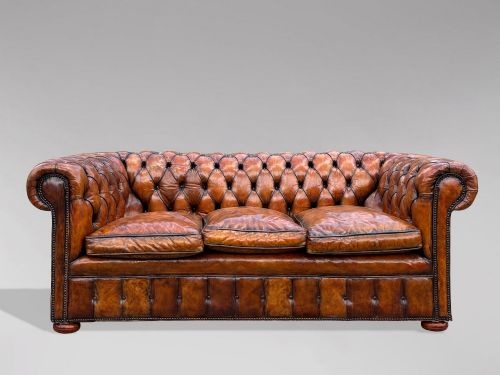
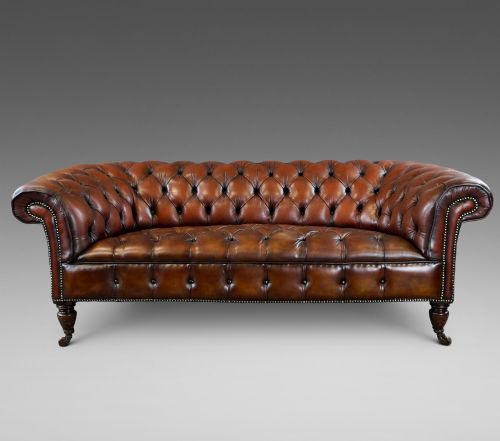
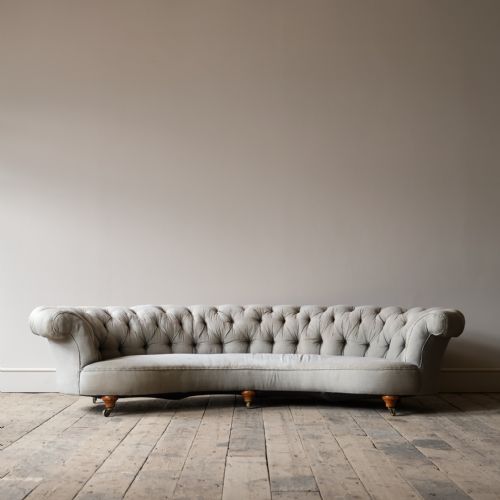
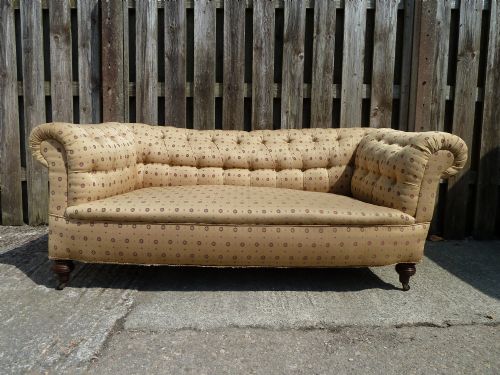
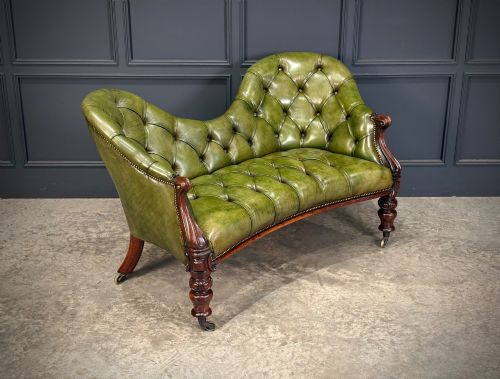
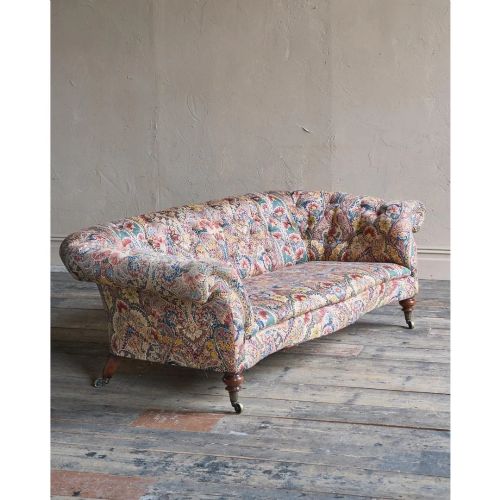
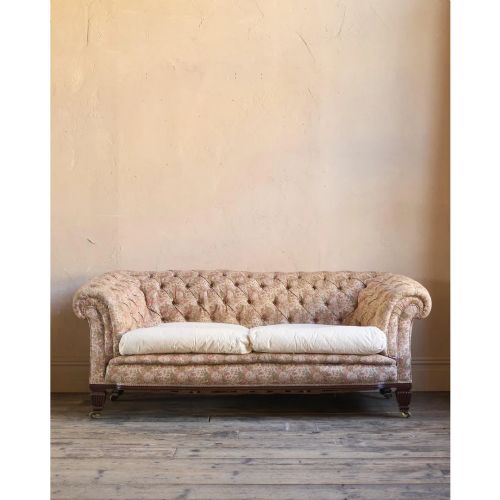
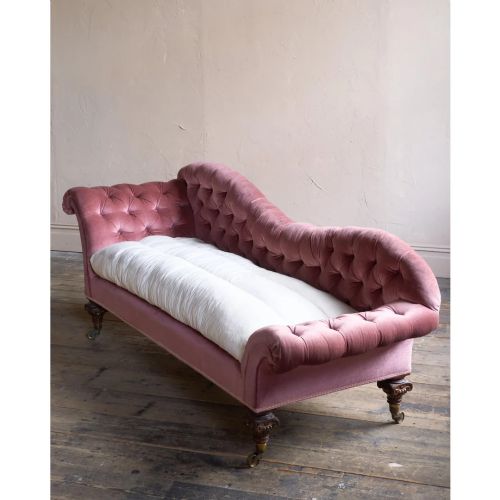
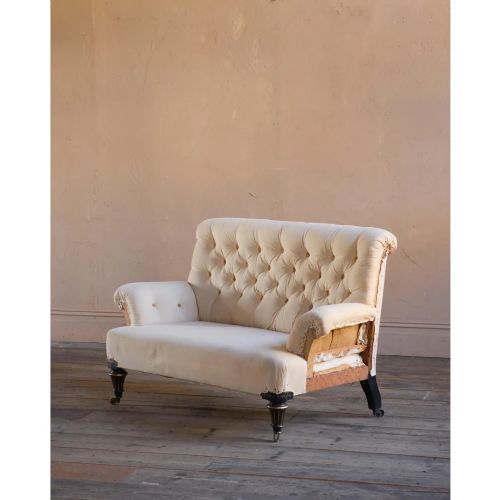
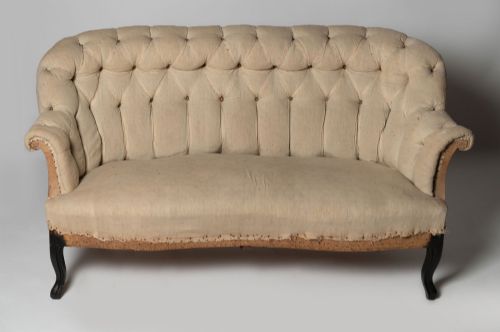
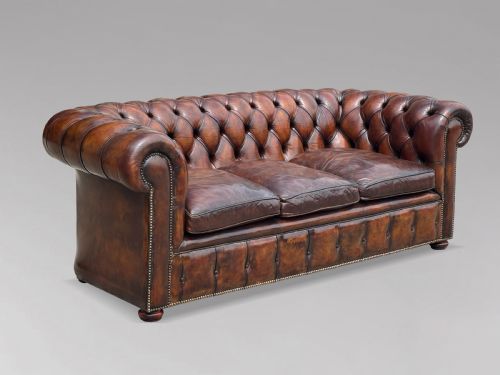
A victorian deep buttoned sofa is built for grand sitting rooms and parlours, typically taking the form of a Chesterfield, a scroll arm settee, or a spoon-back salon piece. You are most likely to encounter nineteenth century Chesterfields upholstered in aged leather, alongside mahogany and walnut frames finished with elaborate carved details.
Makers such as Howard and Sons, Jackson and Graham, Hampton and Sons, and Jas Shoolbred produced fine examples during the nineteenth century. These forms range from double-ended settees and corner configurations to chaise longues and three-seater Chesterfields designed for substantial living spaces.
How they were made
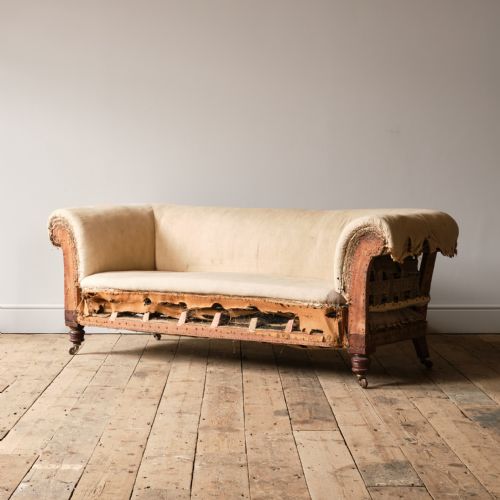
Frames rely on sturdy timbers including mahogany, walnut, and hardwood, providing a rigid internal structure for complex sprung bases. Upholstery techniques combine traditional hand-tying of springs with deep tufting secured through the back and seat.
Some nineteenth century sofas hide their makers in plain sight, stamping names onto the brass castors rather than the timber.
What varies in quality
The distinction between ordinary workshop output and master cabinetmaker production lies in the handling of the timber frame and the precision of the sprung base. Maker attribution, such as pieces bearing the stamp of Howard and Sons or Jas Shoolbred, elevates a piece through superior joinery and refined proportions.
Upholstery materials also divide the selection, shifting from standard fabric coverings to hand-dyed leathers and deep pile brocades. Original un-restored condition with intact patination carries different weight compared to frames stripped and prepared for fresh re-upholstering.
Howard and Sons·Jackson and Graham·Hampton and Sons·Jas Shoolbred
The Victorian Deep Buttoned Sofa Glossary
- Chesterfield
- A large upholstered sofa characterised by arms and back of the same height and deep button tufting. It remains a staple of nineteenth century seating forms.
- Chaise Longue
- An elongated chair or daybed designed for reclining, often featuring a single raised end and exposed mahogany or walnut framing. These pieces frequently incorporate buttoned upholstery and carved supports.
- Spoon-Back
- A chair or sofa backrest carved in a concave oval shape resembling the bowl of a spoon. This style is commonly found on Victorian walnut and mahogany salon pieces.
- Brocade
- A rich shuttle-woven fabric featuring raised decorative patterns, often utilised for heavy upholstery on nineteenth century settees. It provides a textured contrast to plain leather finishes.
Victorian Deep Buttoned Sofa: Frequently Asked Questions
How do I identify a Howard and Sons sofa?
Makers like Howard and Sons often stamped their frames or casters, though construction quality and specific nineteenth century proportions also point to their workshops.
Look closely at the woodwork and the configuration of the sprung base to match known nineteenth century examples.
Are these sofas suitable for daily use?
Many nineteenth century pieces retain robust hardwood frames and sprung bases that support regular seating. Some listings require complete reupholstering, meaning the internal webbing and padding must be assessed before heavy use.
Leather and durable velvet finishes hold up well to everyday wear when the underlying structure remains sound.
How do I care for antique leather upholstery?
Hand-dyed leathers benefit from careful cleaning and conditioning to preserve the natural patination developed over the nineteenth century. Avoid placing these pieces in direct sunlight to prevent the leather from drying out.
Regular dusting and appropriate leather balms keep the deep buttoned surface supple.