



Victorian Decorative Glazed Earthenware
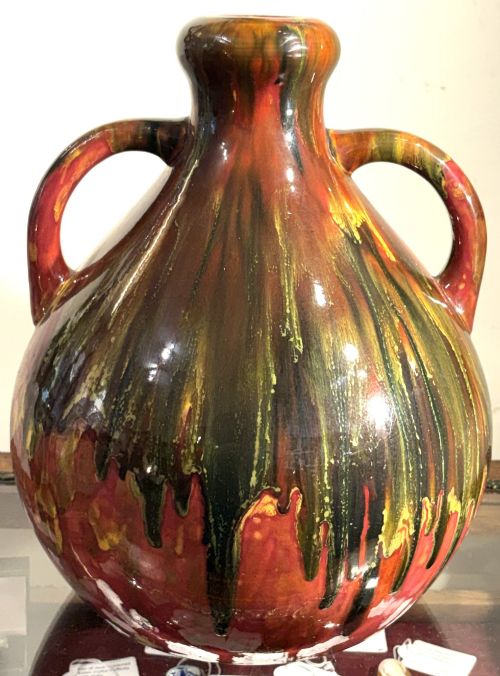
These pieces of victorian decorative glazed earthenware bring colour and substance to a room through rich ceramic bodies and vivid lead glazes.
Victorian Decorative Glazed Earthenware
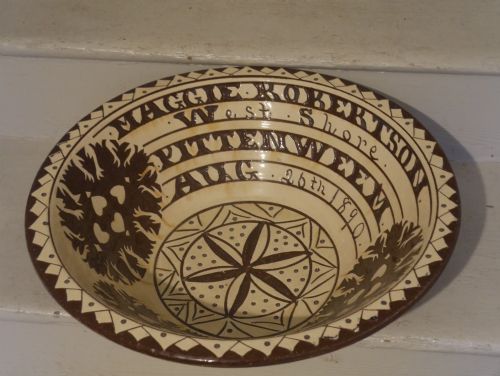
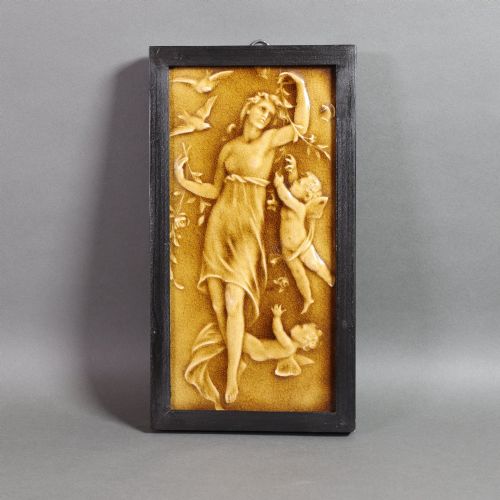
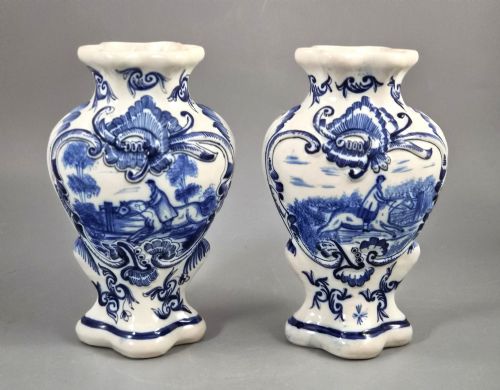
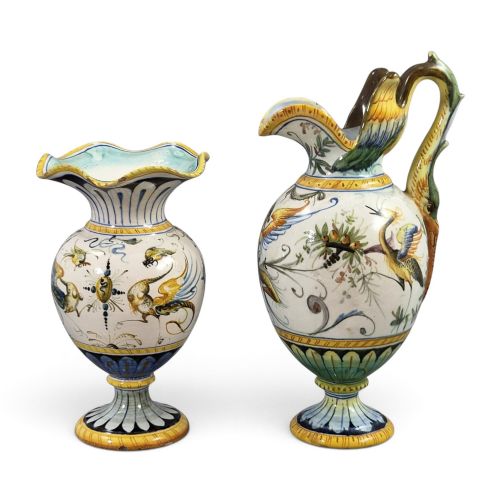
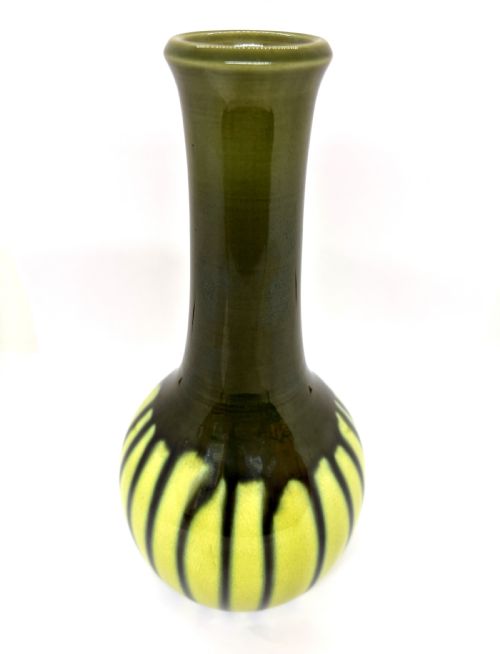
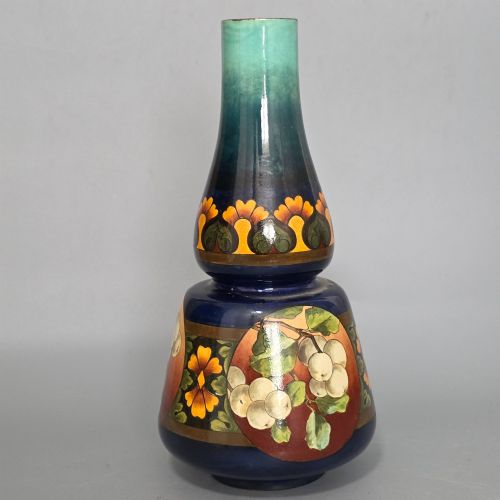
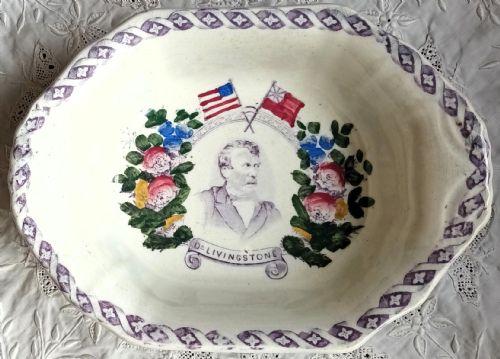
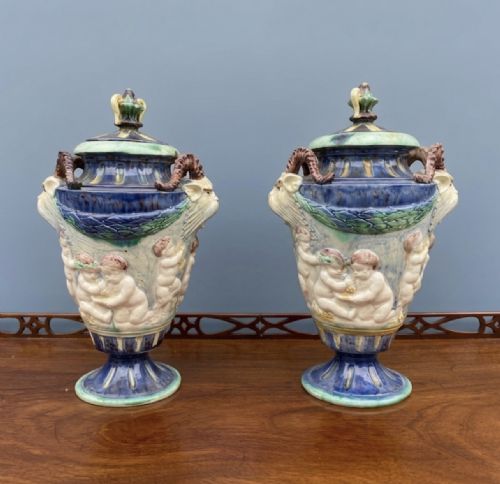
Victorian decorative glazed earthenware encompasses a diverse array of nineteenth-century ceramics, ranging from majolica jugs and botanical jardinières to Scottish dairy bowls and Staffordshire figures. The pieces meeting this description span the Victorian period into the Edwardian era, showing influences from Arts and Crafts design alongside Continental revivals.
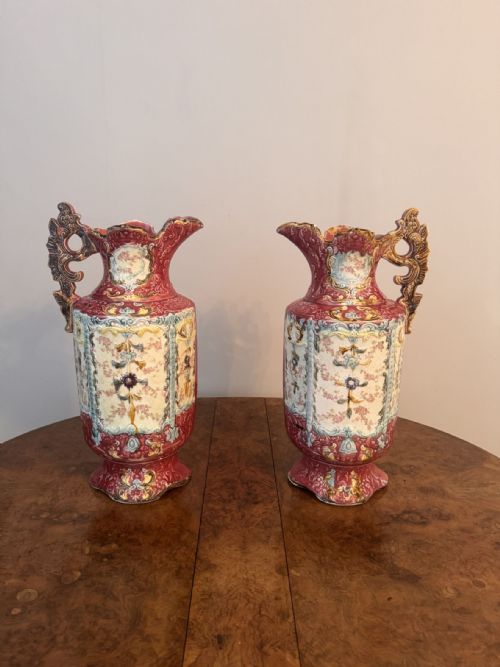
Vases, ewers, and decorative bowls form the core of what is available, often decorated with floral motifs, animals, or figural subjects. Collectors encounter both utilitarian kitchenwares turned ornamental and ambitious studio pottery designed purely for display.
How They Were Made
Potters shaped earthenware bodies on the wheel or pressed them into moulds, producing forms from simple cylindrical vessels to elaborate urns and garden seats. These porous clay bodies required an impermeable surface coating to hold liquids and accept decoration.
Glazes, including lead glaze and rich enamel colours, were applied over the fired clay or raw slip before a second firing fixed the palette. Factories and studio potteries utilised majolica and faience techniques to achieve glossy, highly coloured finishes.
Listings span from the 1850s through to the 1930s, encompassing Victorian, Edwardian, and Arts and Crafts aesthetics.
What Varies in Quality
The depth and consistency of the glaze application dictate visual success. Superior examples display even coverage without pooling, allowing coloured enamels to retain their brilliance across complex contours.
Burmantofts Pottery·Doulton Lambeth·Cantagalli Florence·Sir Edmund Elton·Minton·Mettlach Pottery·Bretby
The Victorian Decorative Glazed Earthenware Glossary
- Earthenware
- A porous pottery fired at lower temperatures than stoneware or porcelain. It requires a glaze to become waterproof and forms the primary body for most nineteenth-century decorative ceramics.
- Majolica
- A type of pottery glazed with an opaque tin-lead enamel and painted with colourful metal oxides. The Victorian iteration is celebrated for its vibrant greens, browns, and yellows.
- Faience
- Tin-glazed earthenware produced in imitation of Italian majolica or Delftware. Makers across Europe and Britain utilised this term for decorative wares with painted or enamelled surfaces.
- Jardiniere
- An ornamental ceramic pot or stand designed to hold a plant or flower arrangement. These large vessels often feature raised botanical or animal decoration.
- Comport
- A decorative footed dish or bowl used for serving fruit or sweetmeats at table. In Victorian ceramics, these frequently adopt naturalistic leaf and flower forms.
Victorian Decorative Glazed Earthenware: Frequently Asked Questions
What is victorian decorative glazed earthenware?
These items are ceramic objects produced during the nineteenth and early twentieth centuries, finished with protective and decorative glossy surface coatings. They include functional vessels like jugs and bowls alongside purely ornamental figures and plaques.
Potters across Britain and Continental Europe used earthenware clay as a canvas for experimental glazes, bright enamels, and sculptural moulding.
How were these ceramics used originally?
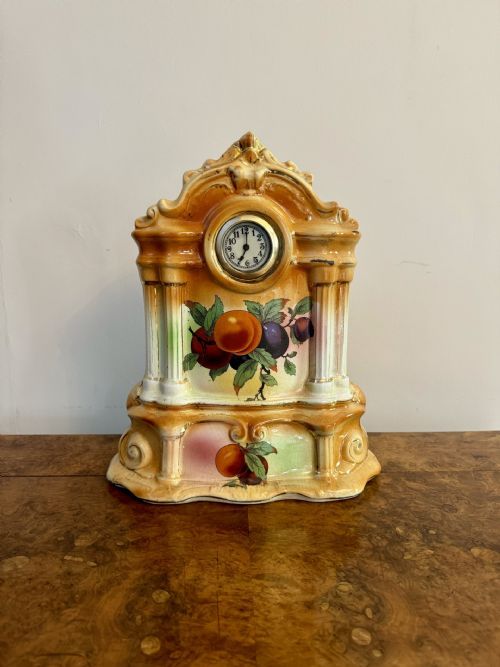
Many pieces served specific domestic functions in the Victorian household, from dairy bowls and cheese dishes to umbrella stands and jardinières for indoor plants. Other items, such as wall plaques and mantel clocks, were purely decorative.
Over time, functional items gained decorative status as dining and interior display became more elaborate.
How do I care for glazed earthenware?
Keep these ceramics out of direct sunlight to prevent fading in painted enamels and handle them carefully to avoid chipping the softer earthenware body. Dust them gently with a dry cloth.
Avoid submerging older pieces in water for prolonged periods, especially if the glaze has developed fine crackle lines.
How do I tell periods apart?
Look to the stylistic cues and manufacturing marks stamped or painted on the underside of the ceramic body. Mid-century pieces often favour classical revival or straightforward utilitarian forms, while later Victorian items lean into Arts and Crafts or naturalistic majolica designs.
Factory marks and registry diamonds help narrow down the decade of production.