
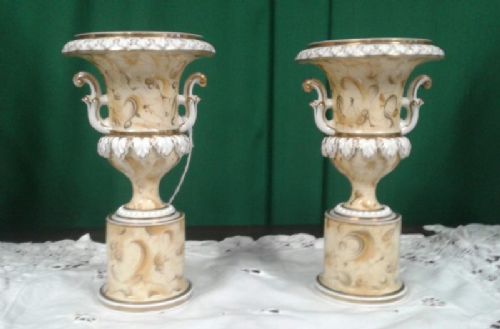


Antique Ceramic Urn Pedestal
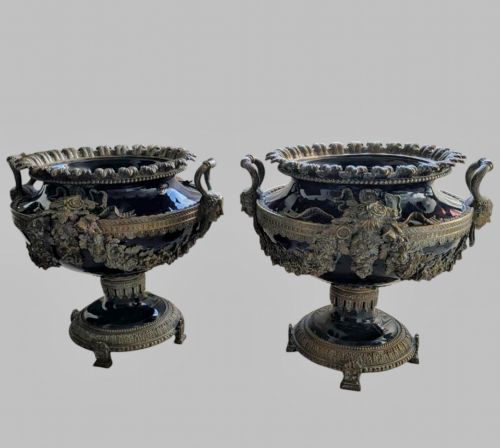
An antique ceramic urn pedestal brings sculptural presence to a room, combining substantial pottery forms with classical architectural elevation.
Antique Ceramic Urn Pedestal
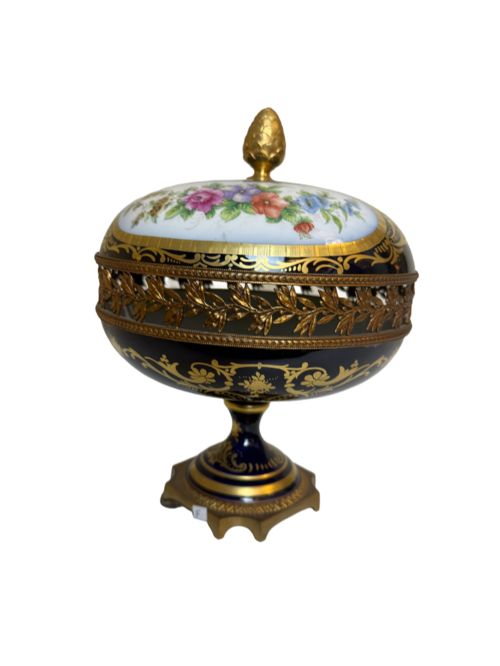
An antique ceramic urn pedestal combines elevated stands with display vessels, drawing from a rich lineage of nineteenth-century decorative arts. Buyers seeking this phrase encounter grand jardinieres, campana vases, and lidded urns mounted upon matching or integrated column bases.
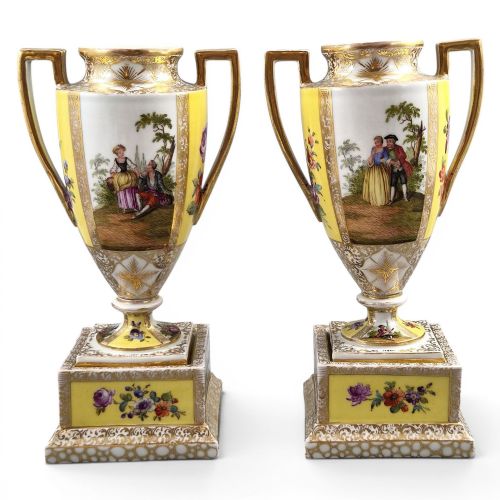
The objects span Victorian, Edwardian, and continental revival periods, reflecting nineteenth-century enthusiasm for classical antiquity and Renaissance forms. European kilns from England, France, Germany, and Italy dominate the selection, offering everything from domestic mantel garnitures to monumental garden planters.
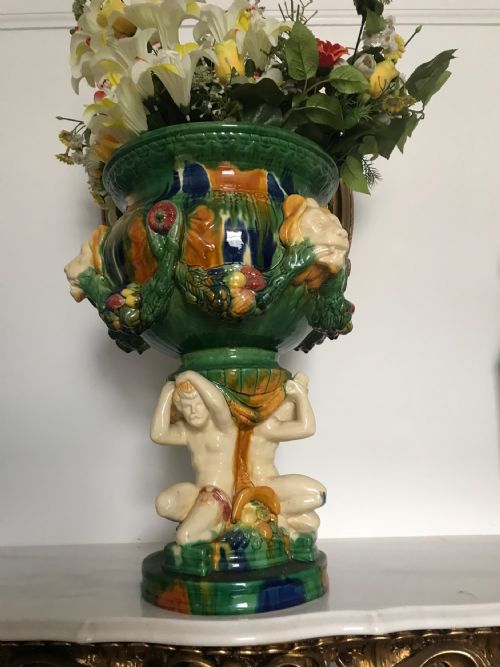
Forms vary from delicate blush ivory porcelain to heavy majolica earthenware on figural stands, uniting the vessel and its pedestal into a single architectural statement.
How They Were Made
Potters shaped these pieces using earthenware, terracotta, and hard-paste porcelain, frequently combining thrown bodies with moulded relief decoration. Glazed ceramic surfaces received either rich tin-enamel majolica pigments, lustrous metallic sheens, or hand-painted botanical and avian scenes.
Many examples incorporate mixed media, mounting porcelain urns upon gilt bronze or ormolu mounts, or pairing terracotta bodies with sculptural animal bases like lions and griffins. Firing large pedestals and figural planters required immense skill to prevent warping in the kiln.
Several Victorian planters feature vigilant ceramic lions and griffins keeping watch beneath the foliage.
What Varies in Quality
The distinction between ordinary production and exceptional work rests upon the crispness of the moulded relief and the mastery of the glaze. Hand-painted detailing by named artists elevates a standard porcelain body into a collector piece, while heavy earthenwares depend upon deep, vibrant colour saturation in the majolica or lustre layer.
Proportion and structural ambition separate simple vessels from monumental compositions, particularly when stands incorporate complex figural supports or intricate gilding. Completeness also dictates standing, as matched pairs and original three-piece garnitures hold greater sculptural coherence than single survivors.
Helena Wolfsohn·Meissen·Wedgwood·Royal Doulton·Doulton Burslem·Clement Massier·Minton·Cantagalli·Julius Dressler·Vienna·Hadley's Worcester·Sevres·Capodimonte·Royal Worcester·Lipscombe And Co·Royal Crown Derby·Albert Carrier
The Antique Ceramic Urn Pedestal Glossary
- Campana urn
- A classical bell-shaped vessel with a flared rim and footed base, popular in nineteenth-century neoclassical revival pottery. These forms frequently sit upon matched pedestals to display floral arrangements.
- Jardiniere
- A large decorative ceramic pot or planter designed to hold growing plants or cut flowers. They often feature naturalistic foliage or figural relief moulding.
- Majolica
- A type of earthenware covered with an opaque tin glaze and painted with metallic oxide colours. The technique produces rich, glossy surfaces with deep hues.
- Garniture
- A set of three or more matching ornamental vases or urns designed for symmetrical display on a mantelpiece or sideboard. They often include a central urn flanked by smaller matching ewers or vases.
- Lustre glaze
- A pottery finish incorporating metallic films that create an iridescent, shimmering effect when viewed in the light. Clement Massier utilised this technique on earthenware stands.
Antique Ceramic Urn Pedestal: Frequently Asked Questions
What is an antique ceramic urn pedestal used for?
These pieces served primarily as decorative focal points in nineteenth-century interiors, holding floral displays, greenery, or standing alone as sculptural ornaments. Grander versions occupied hallways, conservatories, and drawing rooms to display wealth and classical taste.
Today, they function similarly in interior design, providing height and architectural interest to empty corners or serving as statement centerpieces on large tables and pedestals.
How do I distinguish majolica from standard earthenware?
Majolica is defined by its thick tin-opacified glaze applied over an earthenware body, which absorbs metallic oxide pigments to create intensely vibrant, glossy colours. This technique gives the surface a rich, saturated appearance with high relief modelling.
Standard glazed earthenware often utilises simpler transparent or coloured leads glazes without the characteristic opaque tin foundation of true majolica.
Where were most nineteenth-century porcelain urns made?
Major ceramic manufacturing centres across Europe produced these works, with prominent output from English factories like Royal Worcester and Minton, alongside continental powerhouses in France, Germany, and Italy. Each region developed distinct stylistic signatures.
English works often embraced blush ivory and naturalistic flora, while French and German kilns favoured classical Vienna painting styles and elaborate neoclassical or rococo revival forms.
Are these pedestals and urns fixed together?
Many nineteenth-century examples comprise separate components where the urn or planter rests securely atop a matching column or figural stand. This modular construction made firing large ceramic masses feasible for historic kilns.
Buyers should examine whether the base and vessel were designed as an integrated single unit or meant to separate for easier transport and placement.