


19th Century Minton Ceramics
These 19th century minton ceramics combine technical ambition with varied form, offering collectors everything from majolica garden seats to delicate porcelain dessert plates.
19th Century Minton Ceramics
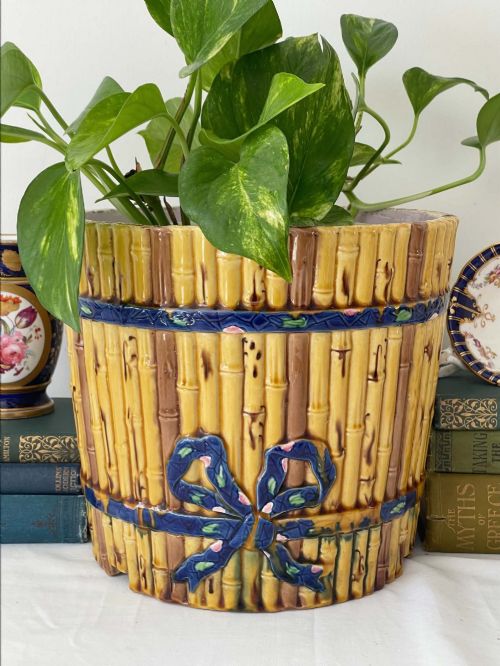
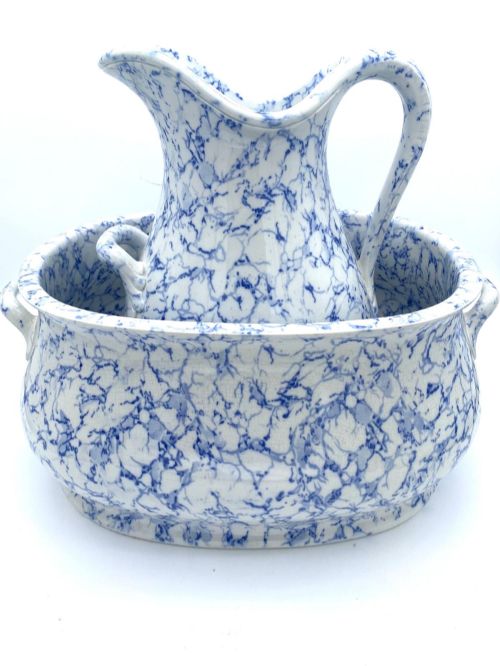
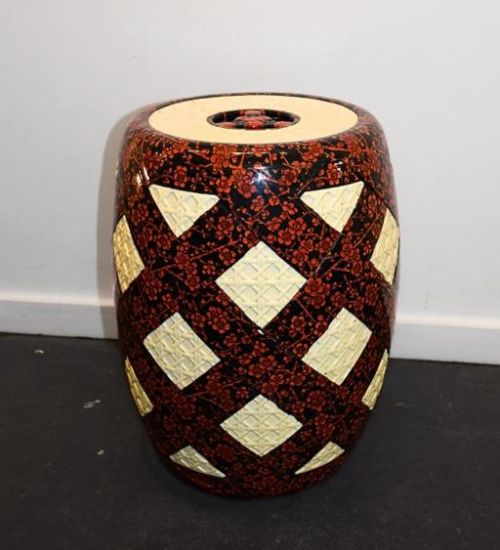
When you search for 19th century minton ceramics, you encounter a remarkably broad spectrum of nineteenth-century production spanning the Georgian, Victorian, and Aesthetic periods. The pieces appearing in these listings range from utilitarian creamware garden seats and footbaths to sculptural figures in Parian and elaborate majolica jardinieres.
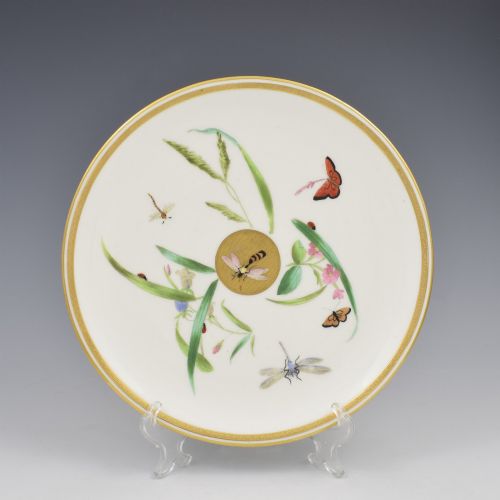
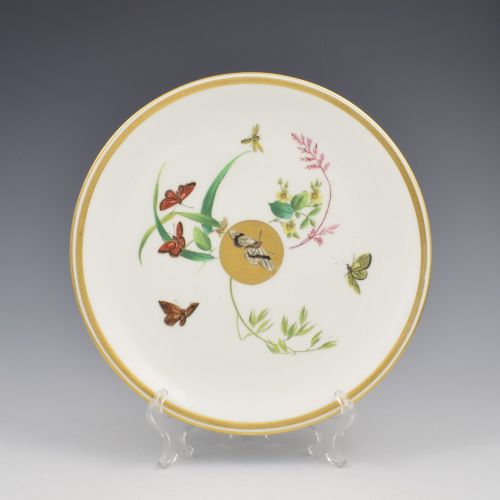
The works reflect shifting tastes across the decades, moving from early flower-encrusted scent bottles and armorial cabinet plates toward Japanese-influenced dessert plates and bold majolica centrepieces. Cabinet plates, vases, and tiles dominate the forms, providing clear examples of the factory's technical versatility.
How they were made
Production relies heavily on porcelain, earthenware, and creamware bodies shaped into complex vessels, figures, and tiles. Artisans applied rich surface decoration utilising enamel painting, gilding, and intricate glaze work.
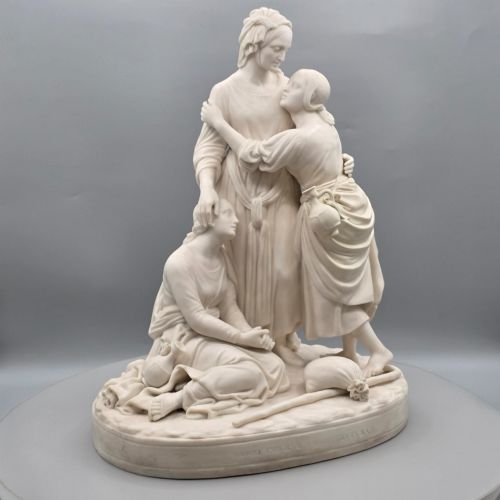
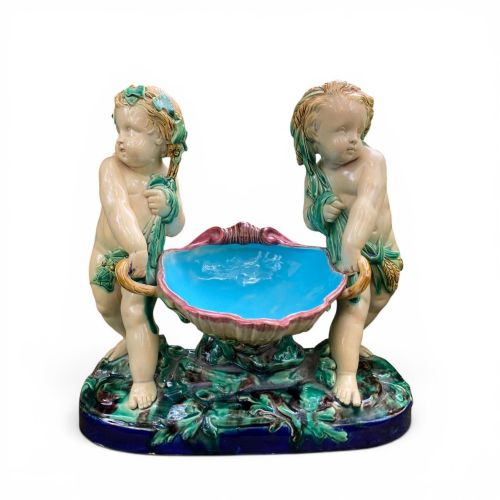
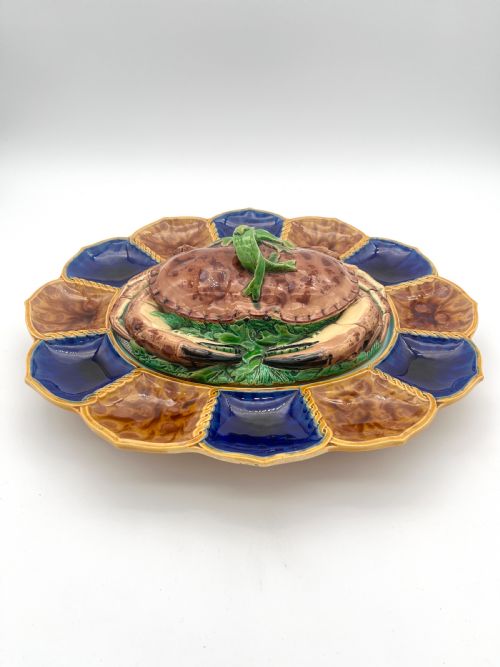
Majolica pieces receive vibrant coloured glazes over moulded earthenware reliefs, whilst Parian figures utilise a specific unglazed biscuit porcelain designed to mimic carved marble. Specialist techniques such as pate-sur-pate build up relief designs in white slip on a contrasting ground.
Listings feature porcelain, earthenware, and creamware across Victorian, Aesthetic, and Georgian periods.
What varies in quality
The distinction between standard commercial output and superior examples rests upon the ambition of the modelling and the precision of the hand-painting. Monumental majolica forms and detailed figure groups demonstrate a sculptural confidence that sets them apart from repetitive tableware.
Complexity of glaze application and the crispness of transfer printing or hand-applied gilding further divide the range. Pieces bearing specific design attribution to figures like Christopher Dresser or incorporating specialised techniques elevate the standard significantly.
Minton·Christopher Dresser·Minton and Hollins
The 19th Century Minton Ceramics Glossary
- Majolica
- A type of earthenware decorated with colourful, opaque lead glazes applied over a white ground. The technique allows for vibrant, glossy surfaces on sculptural forms like jardinieres and tazzas.
- Parian
- A fine unglazed biscuit porcelain developed to imitate carved white marble. It gained immense popularity for portrait busts and classical figure groups.
- Pate-sur-pate
- A ceramic decoration technique where successive layers of liquid white porcelain slip are painted onto a coloured body. This builds up a low-relief cameo effect.
- Creamware
- A refined earthenware body with a pale yellowish-cream tone, perfected in the eighteenth century and utilised for durable domestic and garden wares.
- Chinoiserie
- A decorative style reflecting European interpretations of Chinese and East Asian artistic traditions. It frequently appears in painted ceramic patterns and motifs.
19th Century Minton Ceramics: Frequently Asked Questions
How do I date early Minton pieces?
Dating relies on impressed factory marks, shape numbers, and stylistic changes ranging from Georgian neo-classicism to Victorian naturalism. Comparing the paste and decorative style against known production eras provides further clarity.
Secondary clues include registration diamonds and painter's monograms found on the underside of plates and vases.
What is Victorian majolica?
Victorian majolica is a brightly coloured lead-glazed earthenware introduced by Minton at the London Great Exhibition. It permitted sculptors to create dramatic, highly realistic botanical and animal forms.
The rich metallic oxides fired beneath the glaze produced deep greens, ochres, and purples characteristic of the style.
How should I care for antique porcelain?
Antique porcelain and earthenware require gentle handling and should be washed by hand in lukewarm water using mild soap when necessary. Avoid immersing pieces with metal mounts or delicate applied elements.
Keep items away from direct sunlight and sudden temperature fluctuations to protect the integrity of the glazes and gilding.
What is Parian ware used for?
Parian ware served primarily for decorative figures, busts, and commemorative groups intended to bring classical sculpture into the Victorian home. Its marble-like finish made it ideal for portraiture and literary subjects.
Unlike glazed porcelain, its matte texture requires careful handling to prevent staining from oils and dust.