

Victorian Dark Wood Furniture
Victorian dark wood furniture comprises substantial timber pieces from the nineteenth century, offering both rich grain and functional utility for modern interiors.
Victorian Dark Wood Furniture
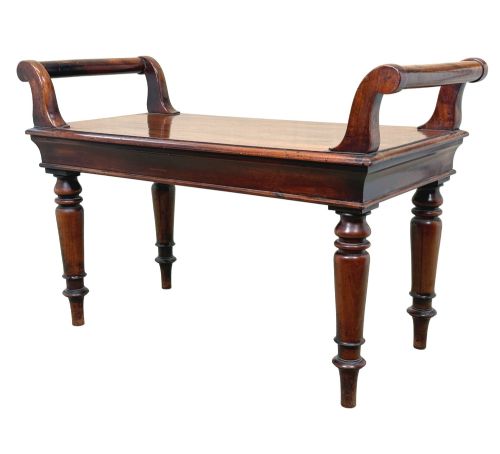
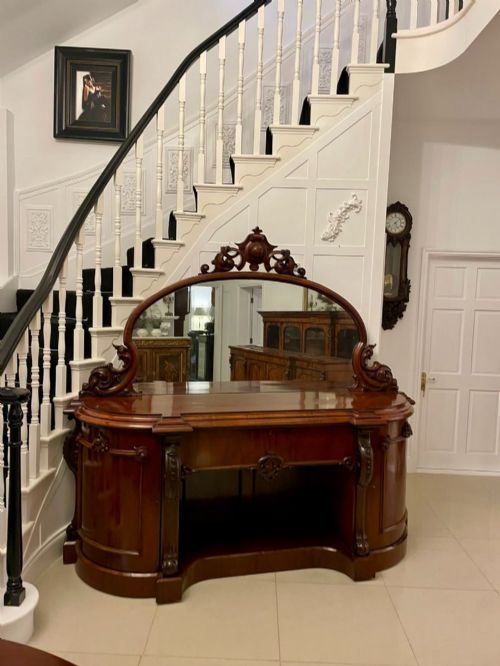
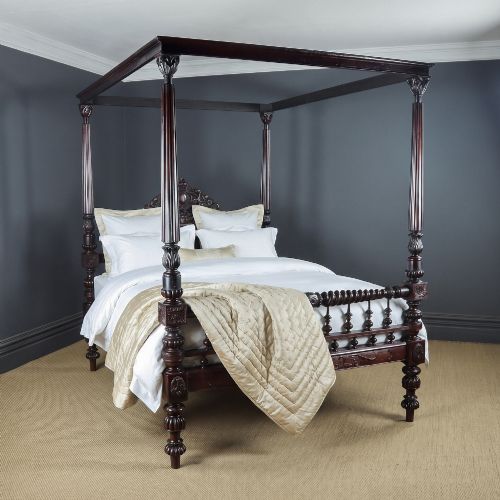
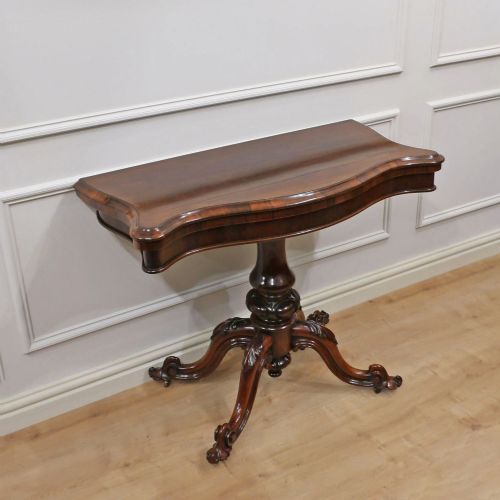
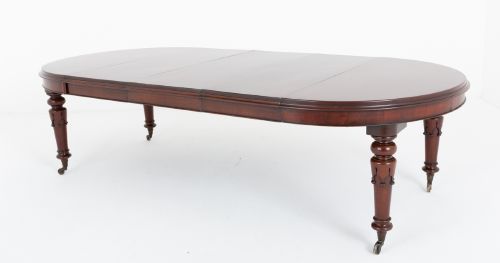
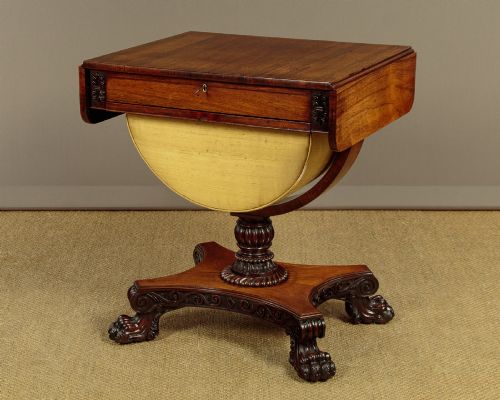
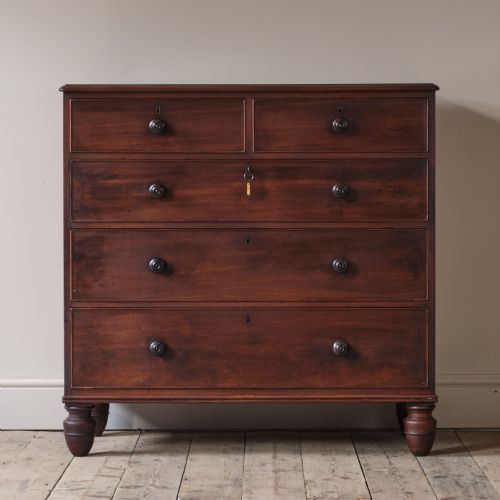
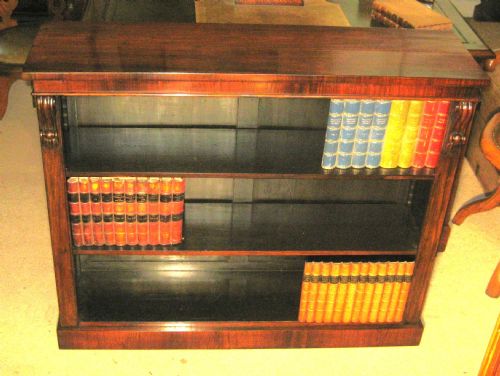
When buyers search for victorian dark wood furniture, they encounter a wide array of domestic and colonial forms spanning the nineteenth century. These pieces range from practical storage solutions such as chests of drawers and bookcases to occasional items like side tables and Canterbury stands.
Materials and construction methods
Cabinet makers utilised dense, durable hardwoods such as mahogany, rosewood, walnut, and padouk for their structural integrity and deep natural colour. These primary timbers were often enhanced with secondary woods, brass hardware, and intricate mother-of-pearl inlay.
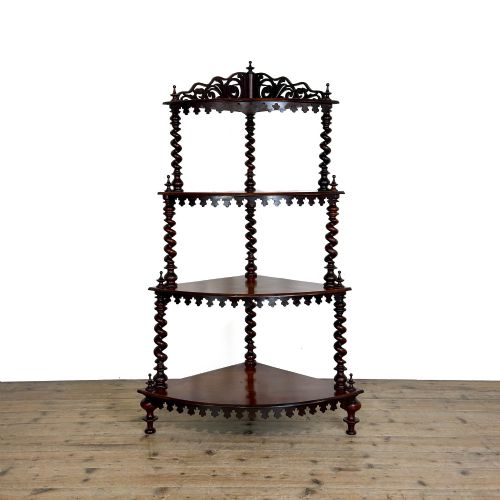
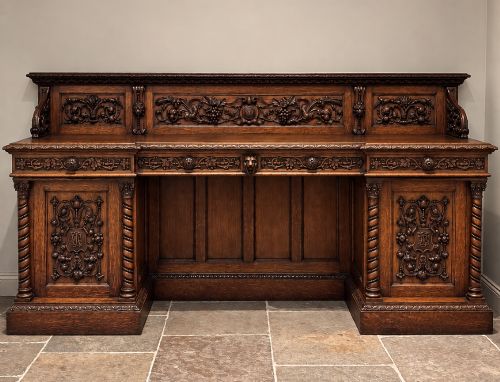
Joinery techniques relied on traditional hand-cut joints, turned supports like barley twists, and elaborate hand-carving. Surfaces were frequently finished to highlight the natural figuring of the dark timber, whether through French polishing or wax.
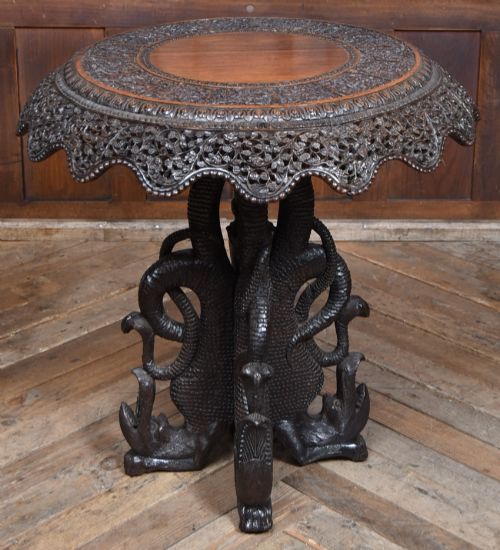
One late Victorian elephant table comes complete with painted wooden tusks.
Judging the quality of dark wood pieces
Quality rests upon the selection of the timber grain, the crispness of the hand-carving, and the integrity of the original construction. Superior pieces display carefully matched veneers, robust internal drawer framing, and well-executed decorative details rather than superficial ornamentation.
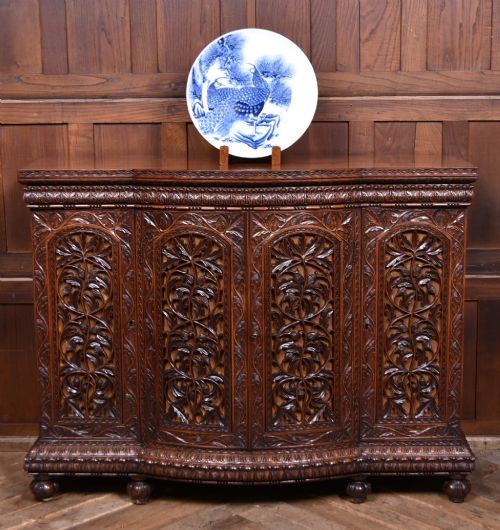
The distinction between standard utility items and finer examples also lies in the restraint or ambition of the design, whether in regional Anglo-Indian carving or metropolitan cabinet work. Original hardware and minimal structural alteration preserve the integrity that collectors value.
T & G Seddon·GM Elwood for JS Henry·Trollope & sons·Gabriel Viardot
The Victorian Dark Wood Furniture Glossary
- Canterbury
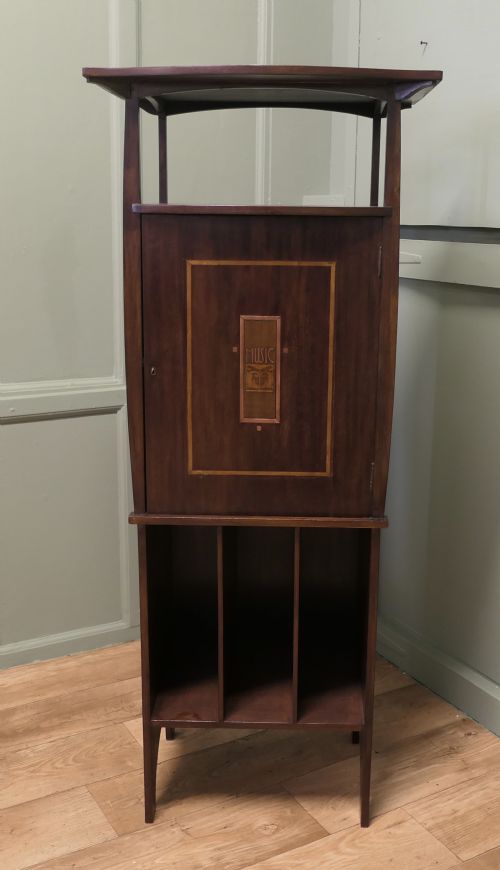
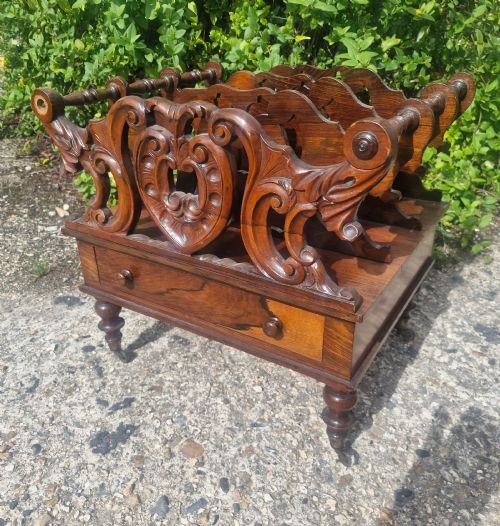
- A low stand featuring sloped partitions, originally designed for holding sheet music or loose periodicals.
- Whatnot
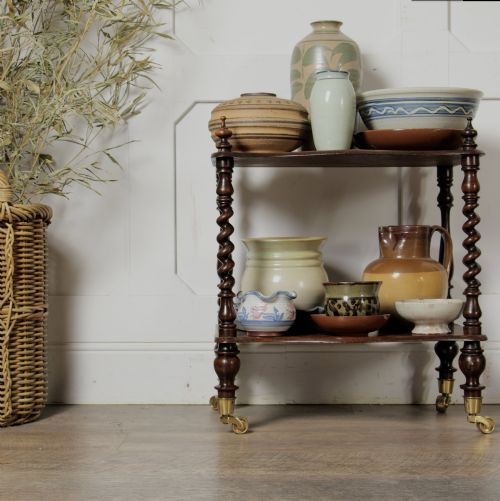
- A piece of open shelving with multiple tiers supported by slender pillars, used for displaying ornaments or books.
- Padouk
- A heavy, durable tropical hardwood with a deep reddish-brown colour, frequently utilised in Anglo-Indian furniture.
- Pembroke table
- A small occasional table featuring drop leaves supported by hinged brackets on two opposite sides.
- Ebonised
- Wood finished with a dark stain or paint to imitate the appearance of expensive ebony.
Victorian Dark Wood Furniture: Frequently Asked Questions
How do I care for dark wood surfaces?
Clean surfaces regularly with a soft, dry cloth to remove dust and prevent abrasive build-up on the polished timber.
Avoid placing pieces near direct heat sources or strong sunlight, which can dry out the wood and fade the rich natural colour over time.
Were these pieces made only in Britain?
While many items originated in British workshops, a significant portion comes from colonial regions under British influence during the nineteenth century.
Anglo-Indian and Burmese pieces utilised local dense hardwoods like padouk while adhering to contemporary European cabinet forms.
How do I distinguish standard Victorian from earlier styles?
Pieces attributed to the Regency or William IV periods generally display cleaner classical lines and specific Regency proportions before high Victorian ornamentation developed.
Later Victorian items often incorporate heavier carving, darker ebonised finishes, or eclectic revival styles such as Gothic and Japonisme.
Can I use these large cabinets in modern rooms?
Many bookcases, sideboards, and chests of drawers retain practical proportions that fit contemporary domestic room layouts without overwhelming the space.
Smaller occasional tables and side stands offer versatile placement options for daily use beside modern seating.