



Victorian Cut Glass Goblets
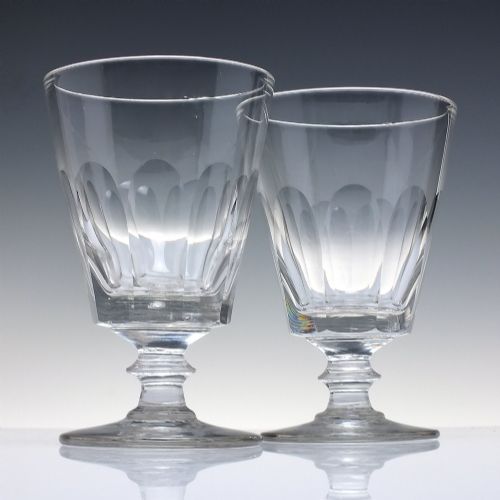
These Victorian cut glass goblets bring weight and sharp facets to the table, formed from heavy crystal and clear glass.
Victorian Cut Glass Goblets
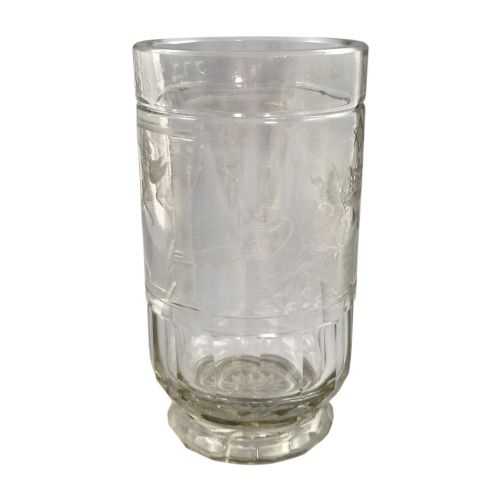
Victorian cut glass goblets span the nineteenth century, with examples emerging from the eighteen-fifties, sixties, seventies, and eighties. Buyers searching this phrase encounter substantial drinking vessels, large rummers, and engraved ceremonial beakers.
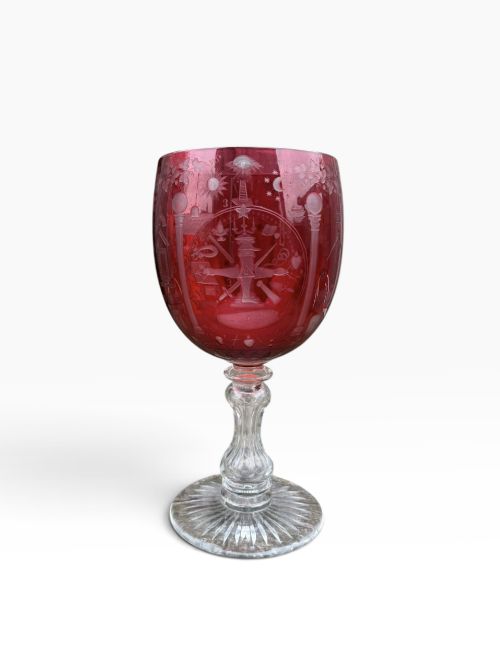
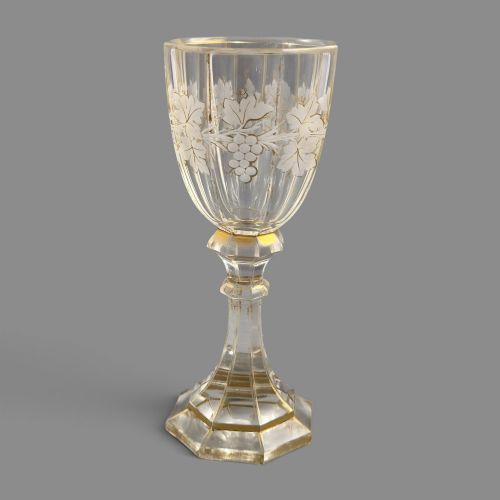
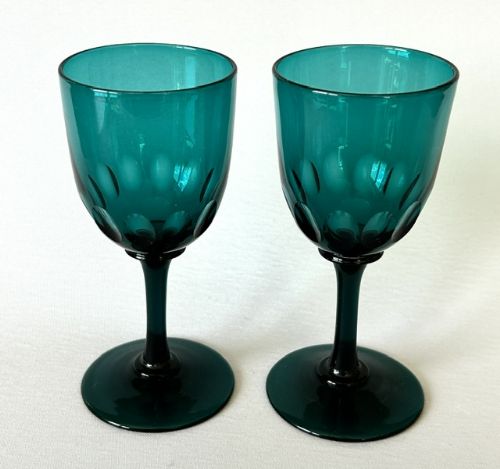
The selection includes matched pairs and larger sets alongside coloured variations in cranberry, vaseline, green, and aqua glass. English and Bohemian workshops dominate the origins of these pieces, often featuring cut, etched, or engraved decoration.
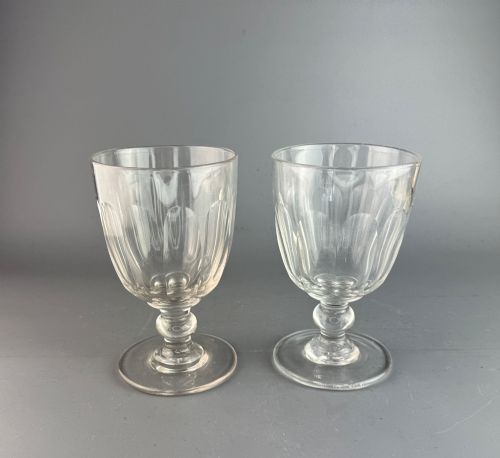
Alongside standard wine glasses, the forms extend to heavy crystal rummers with baluster stems and gilt or triple-cased decorative presentation pieces. These diverse drinking vessels reflect the changing tastes of the nineteenth century.
Materials and construction
Makers shaped these objects using lead crystal, lead glass, and clear glass, alongside coloured variations like cranberry and vaseline glass. Heavy metal content in the lead glass allowed deep wheel-cutting without fracturing the vessel.
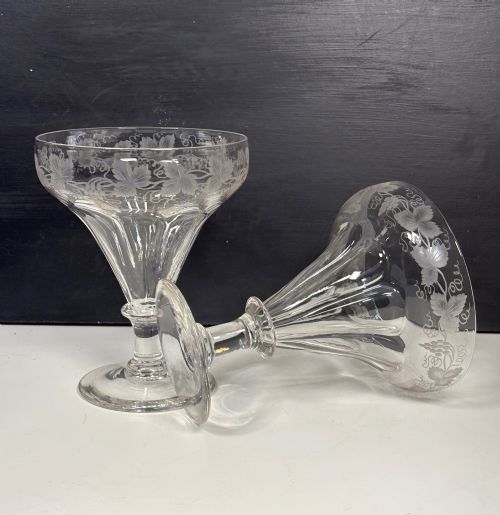
Decoration relied on skilled hand-cutting, intaglio engraving, etching, and acid-cutting, occasionally augmented with gold leaf and gilding. Workshops in Bohemia and England employed cased glass techniques, layering different coloured glass before cutting through the exterior strata.
Materials range from plain clear glass and heavy lead crystal to vibrant cranberry and vaseline glass.
Evaluating craftsmanship
Quality rests in the crispness of the wheel-cut facets and the depth of the intaglio engraving across the surface of the bowl. Superior vessels display precise symmetry in their cut patterns and clarity within the lead crystal body.
Weight and balance indicate finer manufacture, particularly in large rummers and stemmed goblets featuring baluster stems. The application of gilding and the execution of complex cased glass layers separate standard production from exceptional pieces.
Moser·Stevens & Williams
The Victorian Cut Glass Goblets Glossary
- Rummer
- A large, heavy drinking glass popular in the nineteenth century, often featuring a short stem and a capacious bowl used for ale or wine.
- Lead Crystal
- Glass containing metallic oxide of lead, which increases brilliance, weight, and the softness required for deep wheel-cutting.
- Baluster Stem
- A thick, swelling stem shape resembling an architectural baluster, frequently found on heavy drinking vessels.
- Cased Glass
- Glass made from two or more distinct layers of different coloured glass fused together before being cut or engraved.
- Intaglio
- A technique where designs are incised or sunk below the surface of the glass, creating a detailed frosted effect.
Victorian Cut Glass Goblets: Frequently Asked Questions
How do I use these goblets today?
These nineteenth-century vessels serve well for special dinners, formal toasts, or display on a sideboard. Their heavy lead crystal construction makes them durable enough for occasional use with wine or dessert drinks.
Hand washing in warm water keeps the crystal and delicate engraving safe from thermal shock and abrasive dishwashers. Storing them upright on a stable surface prevents rim damage.
Were these goblets used for wine?
Many examples on this page served as wine glasses, dessert wine glasses, or large rummers for heavier ales and punch. Specific sizes varied according to the beverage consumed during the period.
Ceremonial pieces, such as Masonic beakers, served symbolic functions rather than everyday dining purposes. Their generous proportions reflect nineteenth-century hospitality customs.
How do I distinguish English from Bohemian pieces?
English examples often showcase deep, geometric cut glass patterns in clear lead crystal with sturdy baluster stems. They emphasise weight, clarity, and traditional facet cutting.
Bohemian pieces frequently incorporate rich colours like cranberry or green, alongside elaborate gilding, cased glass layers, and pictorial engraving. These continental works often lean towards ornate, decorative presentation.
What is the difference between etched and cut glass?
Cut glass relies on abrasive wheels of stone or copper to grind deep, sharp facets and patterns into the thick body of the glass. This method leaves distinct, tactile grooves.
Etching uses acid or chemical agents to eat away at the surface, producing shallow, fine lines and frosted designs. Etched decoration appears flat against the glass wall.