




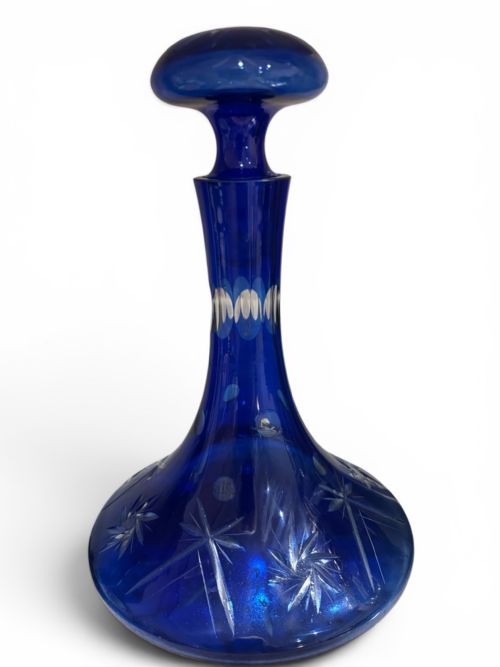
Victorian Cut Glass Bottle
Selecting a victorian cut glass bottle brings heavy hand-cut crystal and hallmarked sterling silver mounts straight from the dressing table or dining sideboard into daily domestic life.
Victorian Cut Glass Bottle
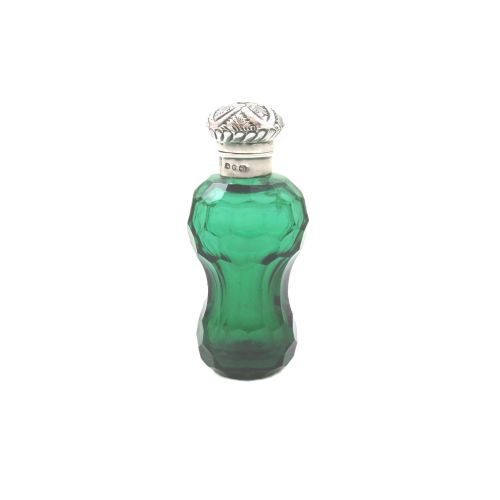
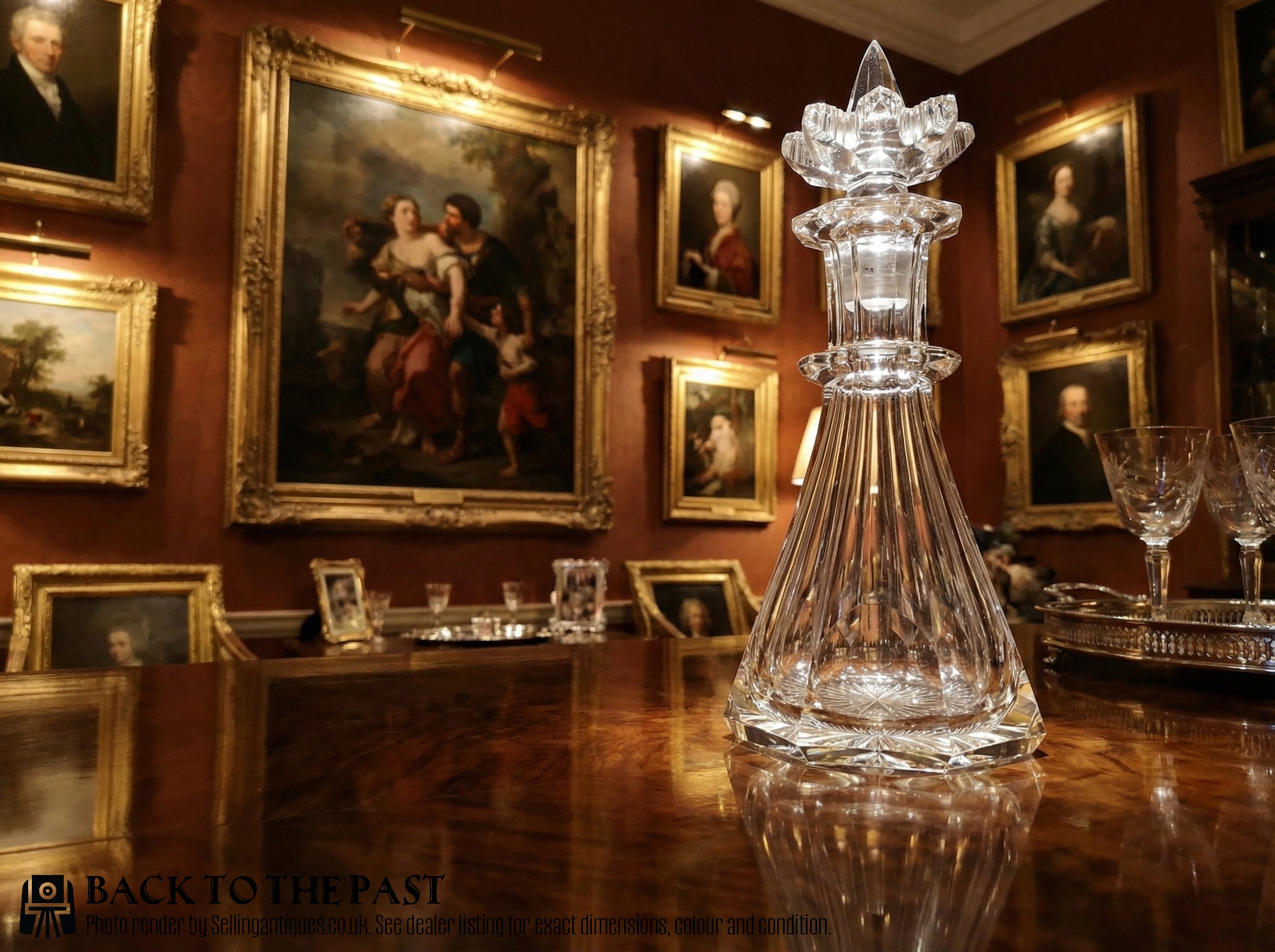
A victorian cut glass bottle encompasses a variety of functional domestic containers produced primarily during the nineteenth century, including pocket scent phials, dressing table perfume flagons, and larger spirit decanters. These vessels served polite society for personal grooming, hospitality, and dining, fabricated with practical intent alongside decorative appeal.
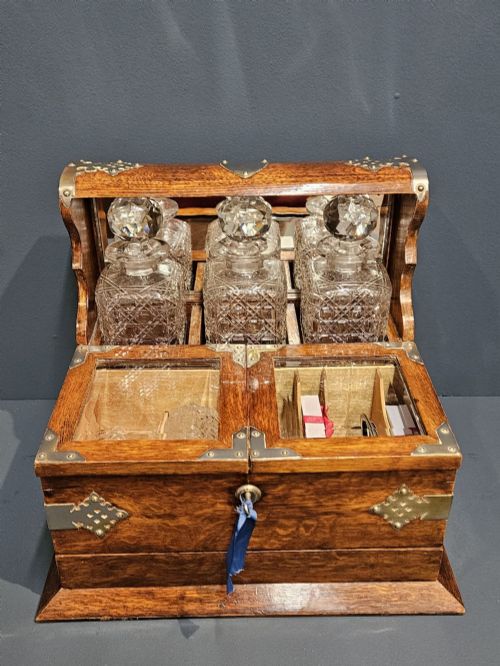
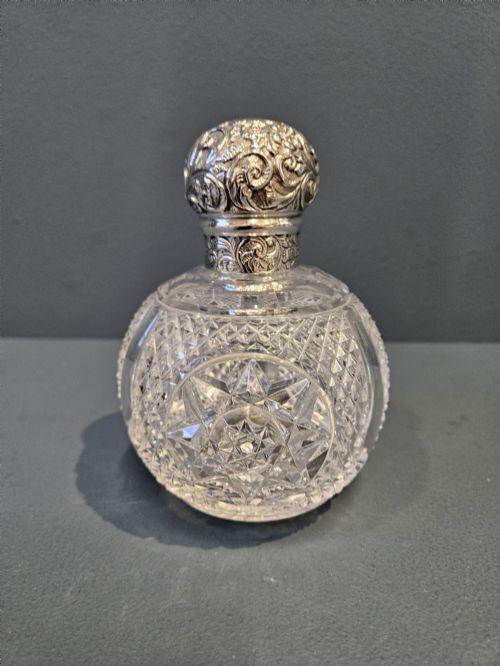
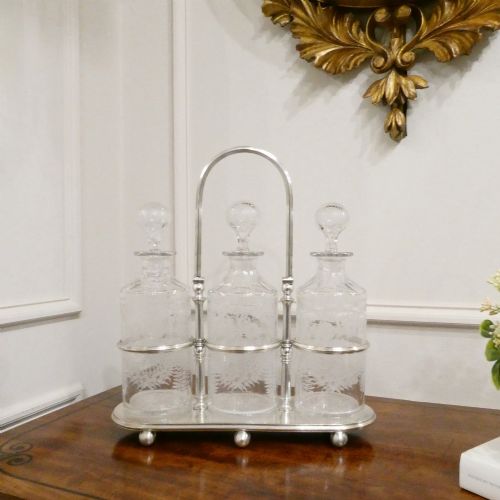
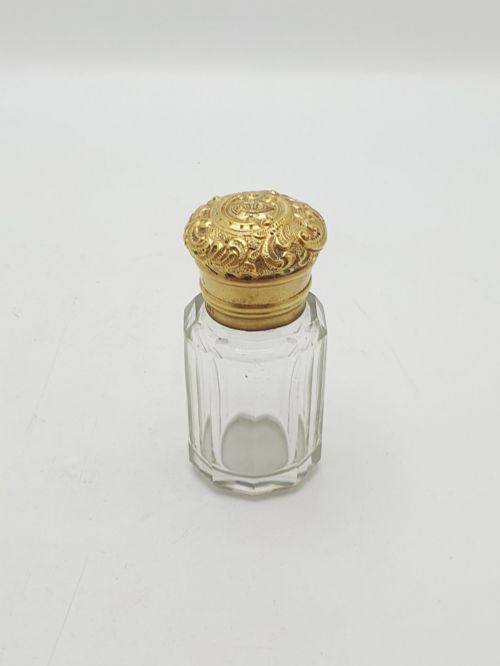
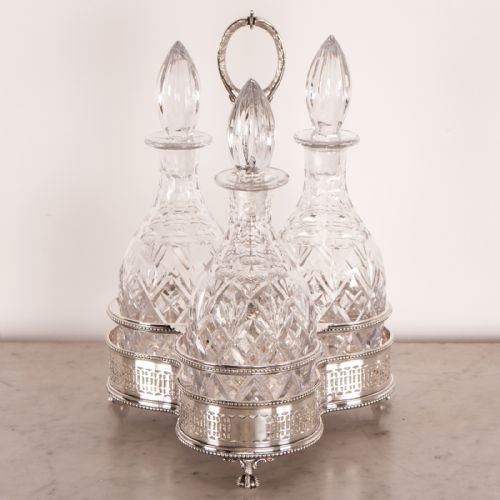
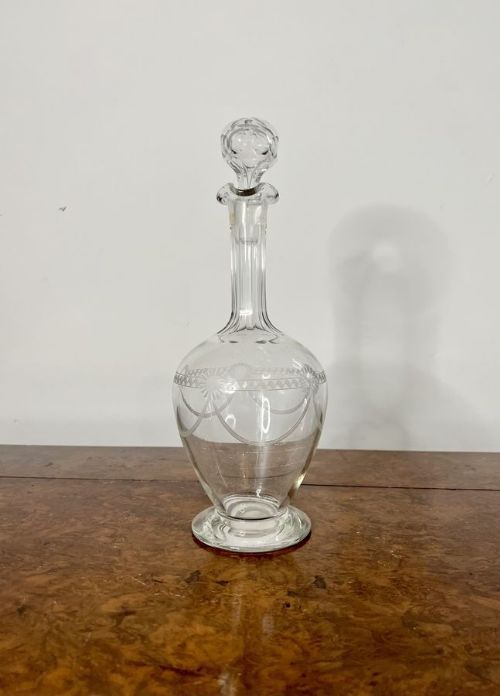
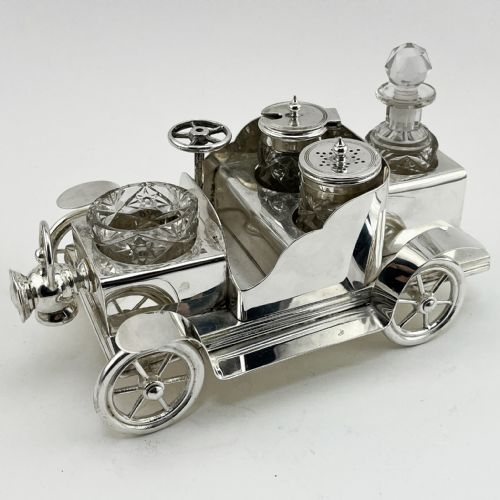
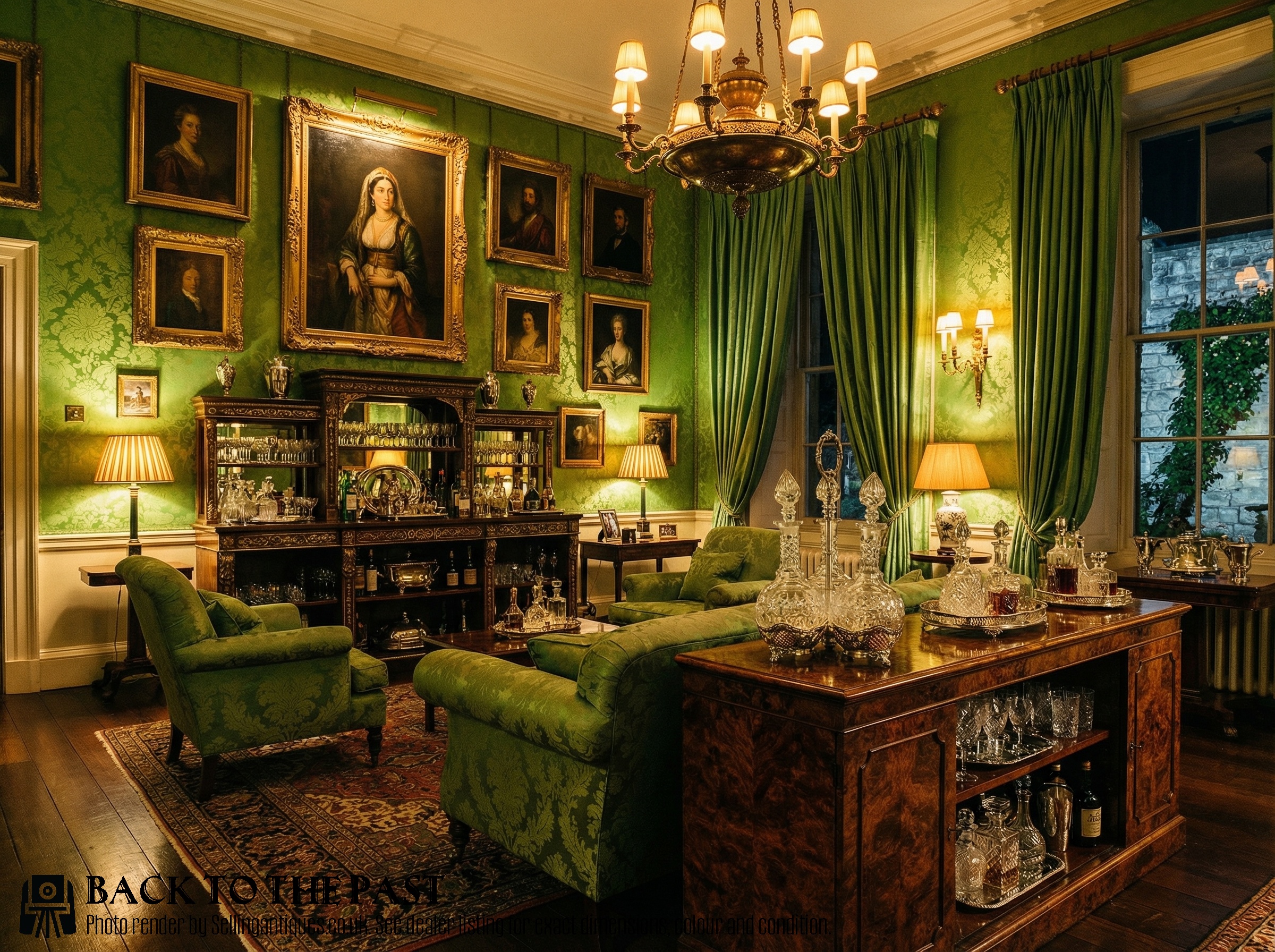
The selections available include tall wine decanters, small hinged vanity bottles, and multi-bottle cruet sets housed in oak or walnut frames. Many examples incorporate sterling silver collars, hinged lids, or pierced frames stamped with period assay marks, grounding the glassware in specific decades of manufacture.
How they were made
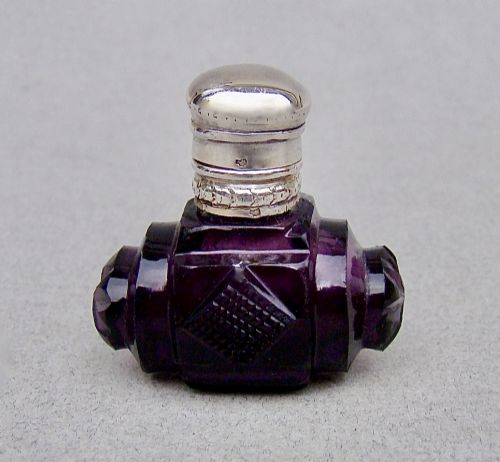
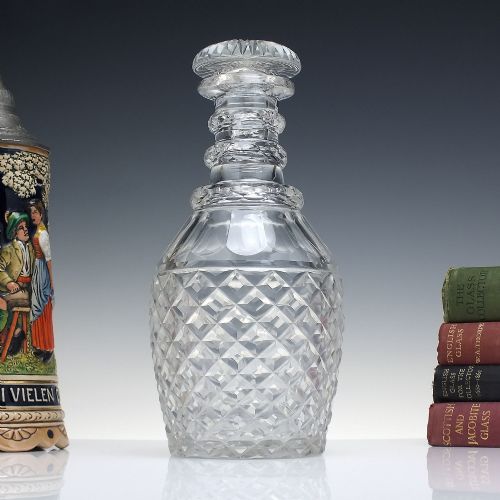
Makers shaped these vessels by blowing molten glass into iron or wooden moulds, or by free-blowing the gather before applying deep wheel-cut facets. Artisans then polished the surfaces on stone or wooden wheels to achieve transparency and sharp geometric definition along the flutes and diamonds.
Metalworkers fabricated matching mounts from sterling silver, silver plate, or brass, securing collars and hinged caps directly to the glass necks with specialised adhesives or cork linings. Silversmiths frequently embossed, chased, or pierced these metal fixtures with floral patterns or registration dates.
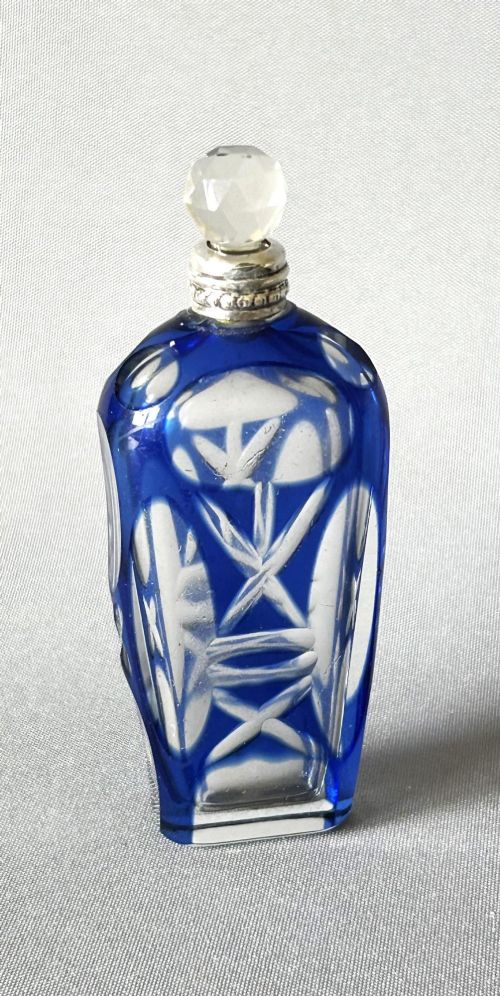
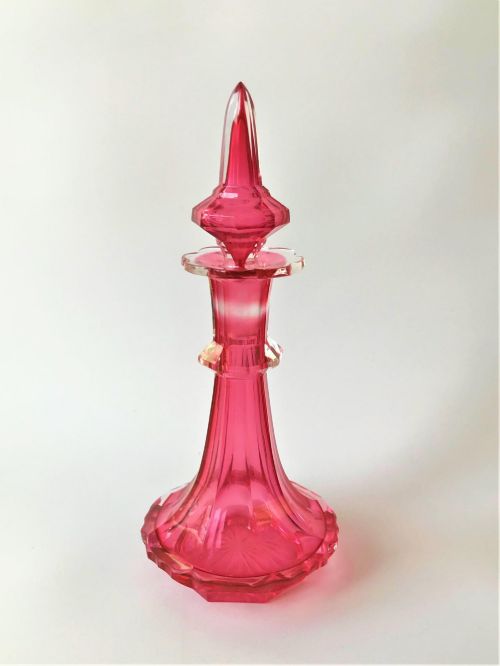
Overlay vessels required fusing a layer of coloured glass over a clear crystal core before cutting through the outer stratum to expose contrasting windows of transparency. Wooden framing for cruets and tantalus sets involved seasoned hardwoods like walnut, oak, and coromandel, fitted with cast or ormolu mounts.
Victorian Cut Glass Bottle Retail Price Guide 2026
Typical asking prices for victorian cut glass bottle among the pieces listed under this phrase on Sellingantiques today, from the lower quarter to the upper quarter. They describe what is for sale here now, not the wider market.
Some Victorian travellers relied on miniature cayenne pepper bottles made of cut glass and silver gilt to spice up bland railway meals on the move.
What varies in quality
Quality rests upon the crispness of the wheel-cut facets and the weight of the raw crystal blank, where deeper cutting and heavier lead content produce superior refraction and balance in the hand. Substantial glass walls resist chipping and provide a solid foundation for the metal mounts.
The caliber of the metalwork distinguishes standard commercial output from high-end workshop production, marked by thick gauge sterling silver, fully legible hallmarks, and secure, well-fitted hinges on bottle caps. Maker marks from established silversmiths elevate the standing of the piece.
Integrity of design extends to matching stoppers and complete sets, where original glass stoppers ground precisely to fit individual bottle necks command greater regard than later replacements. The clarity of coloured glass layers and precision in overlay cutting further separate ordinary items from exceptional examples.
Walker And Hall·Mappin And Webb·Charles May·The Mousley Brothers·Sampson Mordan And Co·William Comyns·William Hutton And Sons·Drew And Sons·Bentjemann And Sons
The Victorian Cut Glass Bottle Glossary
- Slice-cut
- A decorative technique featuring broad, flat, parallel facets cut into the body of the glass. This method creates geometric planes that reflect light differently than fine diamond cutting.
- Tantalus
- A locking wooden or metal stand that holds decanters securely in place while displaying the contents. The locking mechanism prevents guests or servants from accessing the spirits without a key.
- Vinaigrette
- A small ornamental box or bottle with a perforated internal grill holding a sponge soaked in aromatic vinegar. Victorians carried these small containers to combat unpleasant odours in public spaces.
- Cruet set
- A matched group of glass bottles or cruets mounted in a portable frame for holding vinegar, oil, mustard, and condiments at the dining table. Frames typically feature a central carrying handle and silver-plated or sterling construction.
- Overlay
- A method of casing one layer of coloured glass over another layer of contrasting colour or clear crystal. Cutting through the outer layer reveals the base material underneath in distinct patterns.
Victorian Cut Glass Bottle: Frequently Asked Questions
How do I identify a Victorian scent bottle?
Victorian scent bottles generally feature heavy cut crystal or coloured glass bodies fitted with hallmarked sterling silver collars, screw caps, or hinged lids bearing period date letters.
Many examples also display registration diamonds or maker marks stamped directly onto the metal mounts, indicating production years between eighteen thirty-seven and nineteen hundred and one.
Are original stoppers important?
Original stoppers that match the cut pattern and ground neck of the bottle maintain the historical integrity and visual balance of the piece.
Replacement stoppers often fit loosely or display minor variations in glass tint and cutting style when examined closely against natural light.
How should I clean antique glass?
Wash glass vessels gently in warm soapy water using a soft cloth, avoiding abrasive pads that can scratch the surface or damage old metal mounts.
Submerging antique silver-mounted bottles in liquid cleaner should be avoided to protect the cork linings and adhesives securing the collars to the glass necks.