
Victorian Credenza Side Cabinet
A victorian credenza side cabinet brings architectural presence and rich figured timbers into a room, combining display space with concealed storage.
Victorian Credenza Side Cabinet
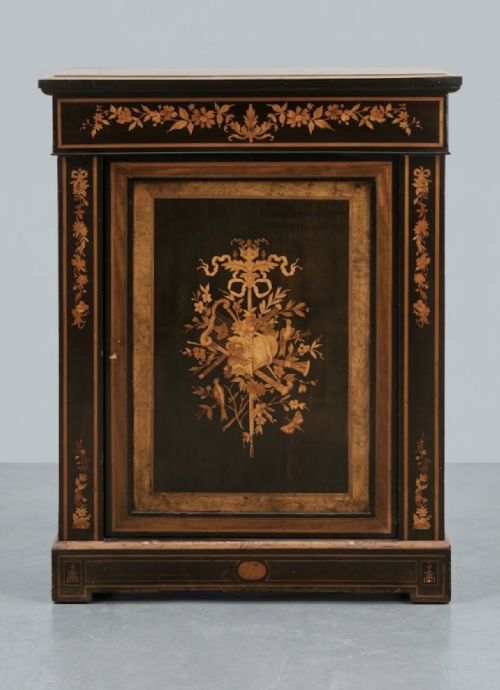
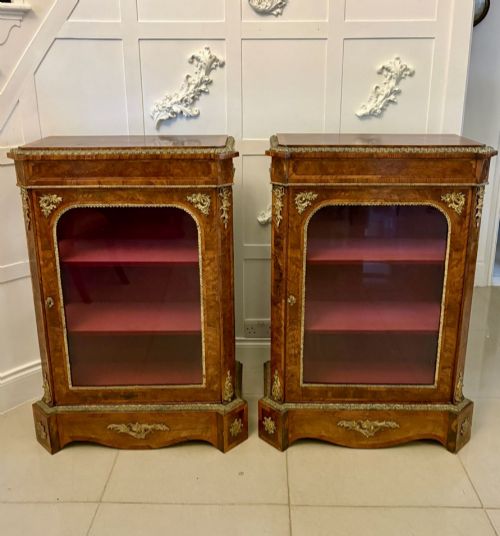
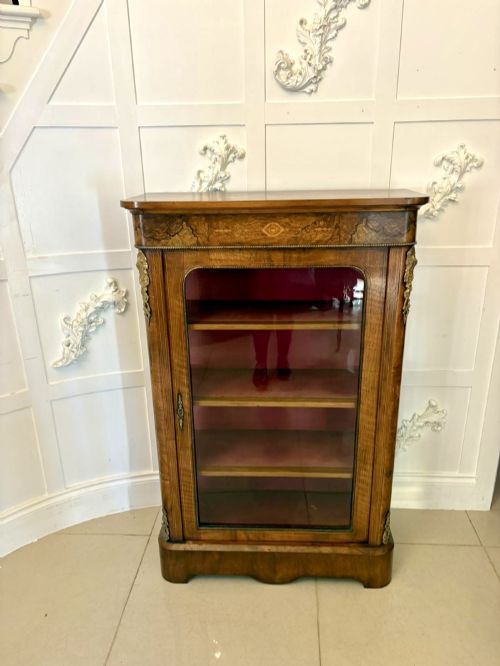
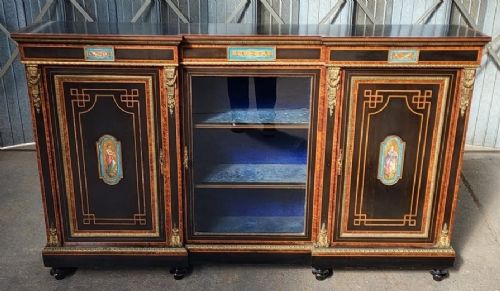
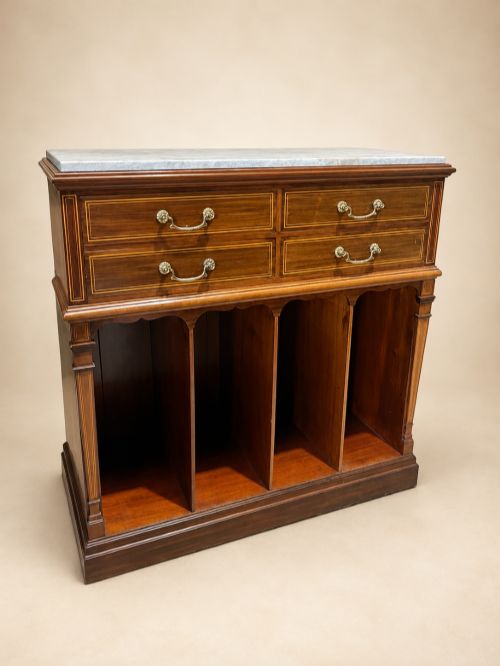
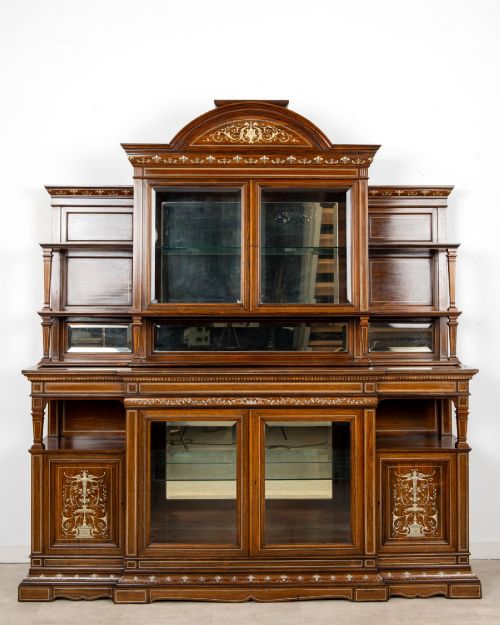
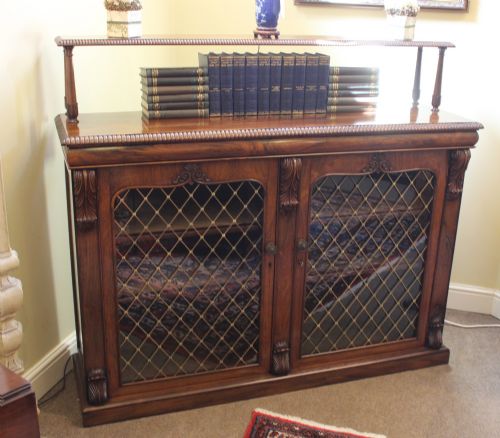
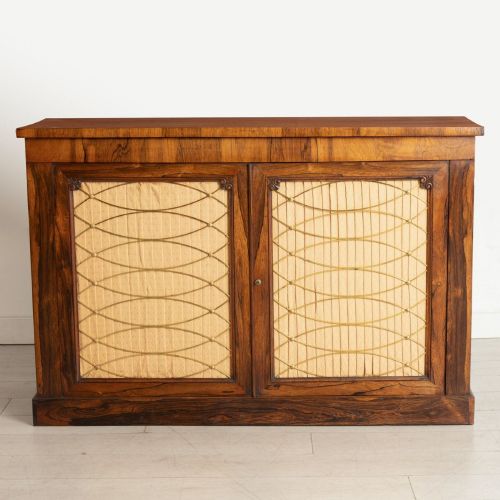
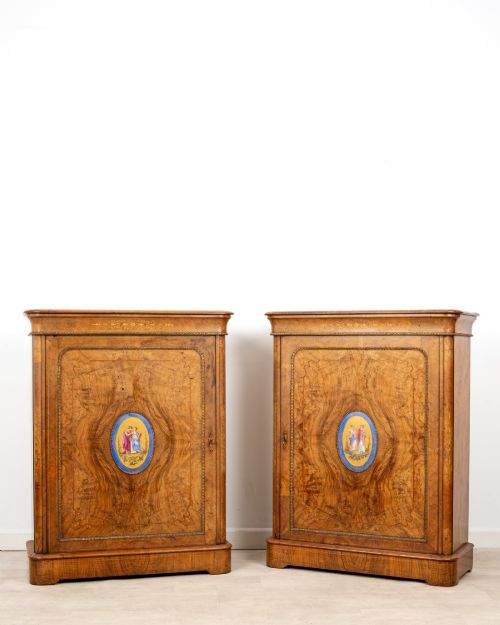
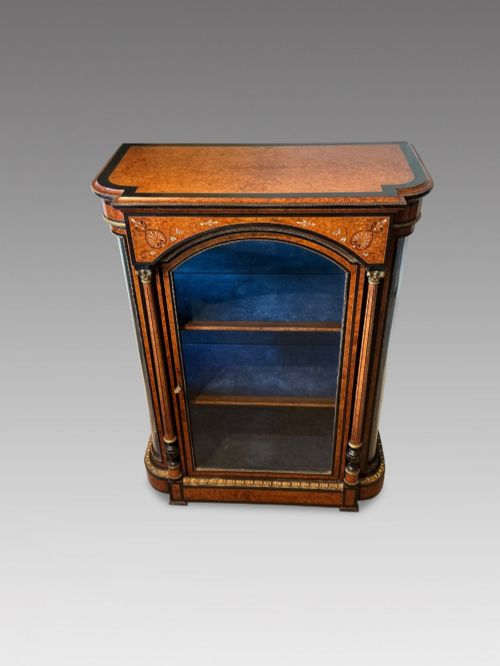
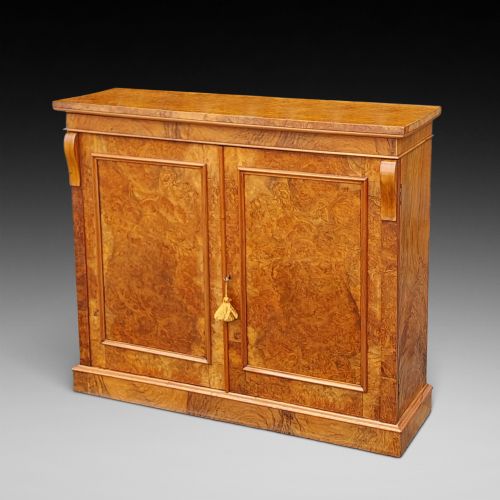
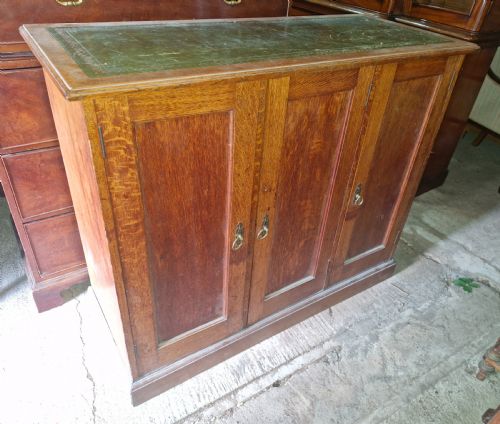
A victorian credenza side cabinet encompasses low, wide display pieces and narrower pier cabinets originating across the nineteenth century, including the decades around 1860, 1870, and 1880. These forms function as focal points in reception rooms, designed to stand flat against a wall while offering shelved storage behind glazed or panelled doors.
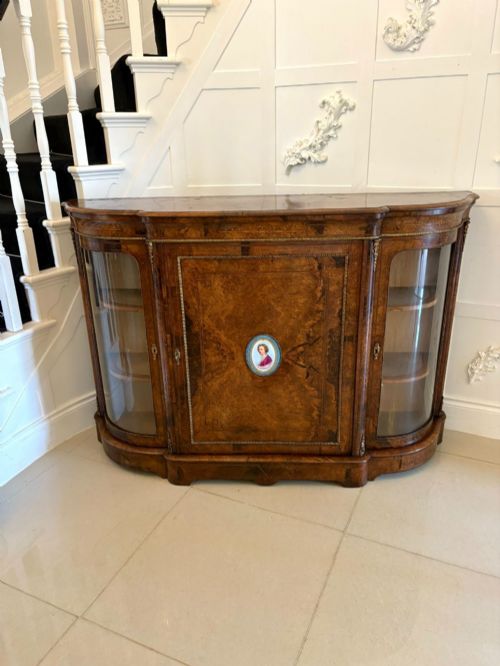
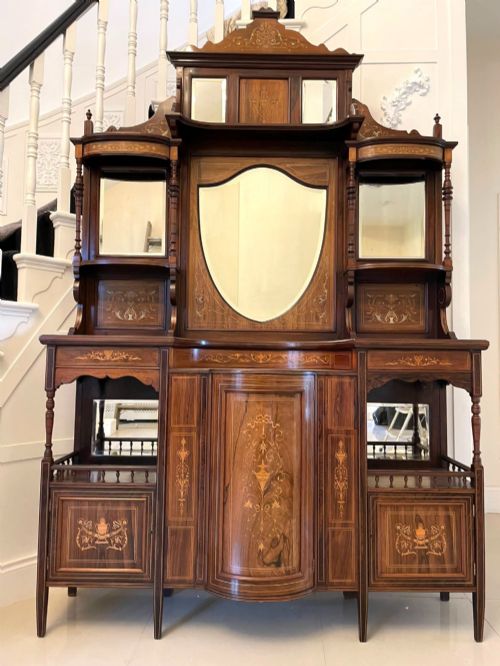
The variations span grand serpentine-fronted credenzas fitted with central cupboards flanked by curved glass side doors, alongside rectilinear pier cabinets and chiffoniers. Burr walnut and rosewood versions dominate the surviving evidence, frequently accented with marquetry inlay and gilt-metal mounts.
Materials and construction
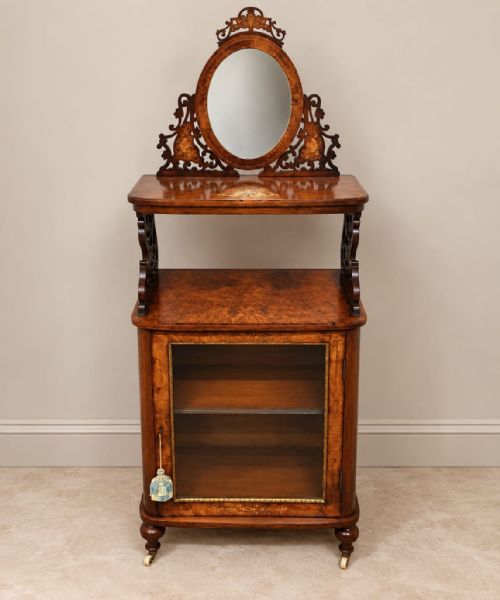
Cabinet makers utilised dense structural carcases of pine or oak, veneered with highly figured timbers such as burr walnut, rosewood, amboyna, and ebonised wood. Marquetry details incorporate satinwood and other contrasting light woods inlaid into the primary surfaces.
Decorative enrichment relies heavily on cast or chased ormolu and gilt-bronze mounts, alongside inset porcelain plaques painted with figures or floral subjects. Glazing is typically held within shaped brass or wooden framing, while internal shelving remains timber or fabric-lined.
Some nineteenth-century credenzas feature removable wooden backs, presumably allowing servants to dust the interior glass without disturbing the display.
Evaluating the craftsmanship
Quality reveals itself in the selection and bookmatching of the veneer, particularly where burr walnut figures are mirrored symmetrically across large doors and curved panels. Finer examples display meticulous hand-cut marquetry rather than stamped or printed substitutes.
The execution of the cast ormolu mounts and the precision of the cabinet joinery distinguish workshop standards. Stamped signatures from notable makers or retailers indicate higher tiers of nineteenth-century production.
Collinson & Lock·Gillows·Lamb of Manchester·Edward Holmes Baldock
The Victorian Credenza Side Cabinet Glossary
- Credenza
- A low cabinet piece traditionally featuring a central cupboard flanked by side compartments or display sections. These units often incorporate glazed doors and extensive gilt-metal mounts.
- Pier Cabinet
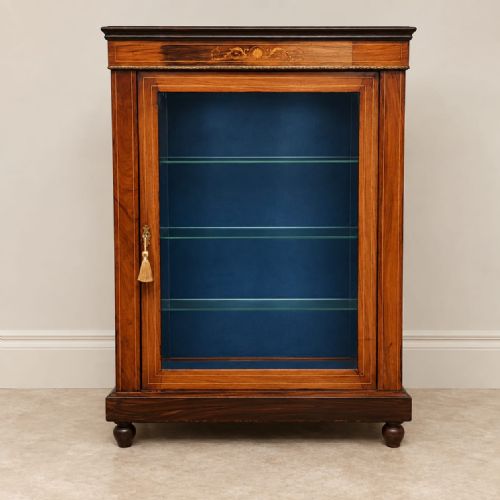
- A narrow upright display cabinet designed to fit wall spaces between windows. They typically feature a single glazed door and flat sides.
- Burr Walnut
- A figured timber harvested from walnut tree growths, producing swirling grain patterns prized by nineteenth-century cabinet makers. It is sliced into thin veneers for decorative surfaces.
- Ormolu
- Gilt bronze mounts cast and chased to embellish furniture frames and door borders. The technique involves applying a gold amalgam to bronze before firing.
- Marquetry
- Inlaid wood veneers arranged in pictorial or geometric patterns across cabinet doors and friezes. Craftsmen cut contrasting timber veneers together to achieve tight joints.
Victorian Credenza Side Cabinet: Frequently Asked Questions
What is a victorian credenza side cabinet used for?
These cabinets served as principal display and storage furniture in nineteenth-century reception rooms, holding porcelain, glassware, and decorative objects behind glass doors.
The enclosed cupboards beneath or beside the display sections provided practical storage for table linen, books, or household silver out of sight.
How do you date a nineteenth century cabinet?
Dating relies on combining timber choices, construction techniques, and stylistic influences such as Gothic Revival or French Revival details recorded across the period. Secondary woods inside the carcase and the style of screw fixings or hinges also assist in establishing the decade of manufacture.
Makers' stamps, trade labels, or registration marks found on the woodwork or brass mounts offer the most precise chronological indicators.
Where should you place a credenza in a modern room?
A credenza suits placement against a principal living room wall where its low profile allows paintings or mirrors to hang comfortably above it. The flat top surface provides an ideal stage for lighting, books, or curated collections.
Because many nineteenth-century examples feature finished backs or sit low to the floor, positioning them away from direct heat sources protects the vulnerable veneers from shrinking.
What is the difference between a chiffonier and a credenza?
A chiffonier is typically a compact sideboard featuring a raised shelved superstructure or mirror-back above lower doors, originating earlier in the nineteenth century. They served functional storage roles in dining rooms and smaller parlours.
A credenza is lower and more symmetrical, usually consisting of three sections with a central cabinet flanked by curved glass display compartments designed specifically for exhibition.