


Victorian Corner Stand
When you search for a Victorian corner stand, you are looking at versatile nineteenth-century furniture designed to utilise neglected room angles with display shelves, cabinets, and umbrella holders.
Victorian Corner Stand
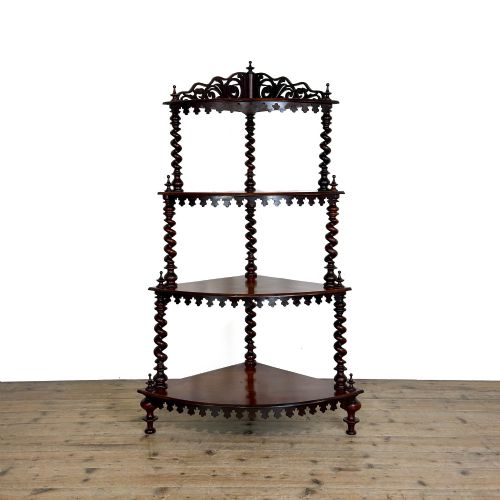
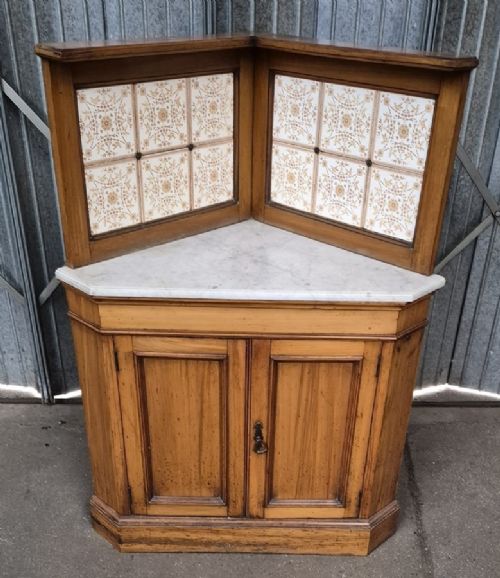
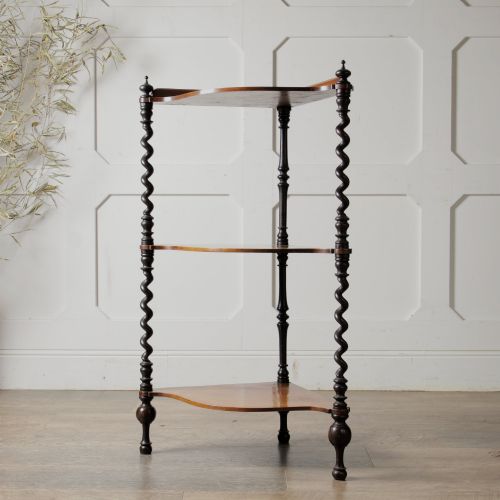
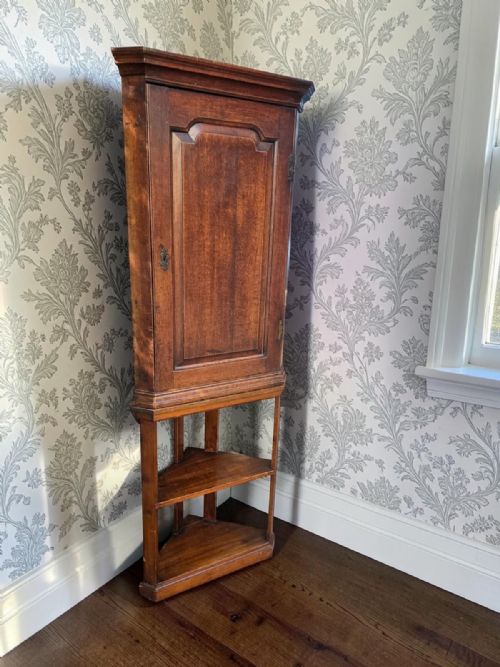
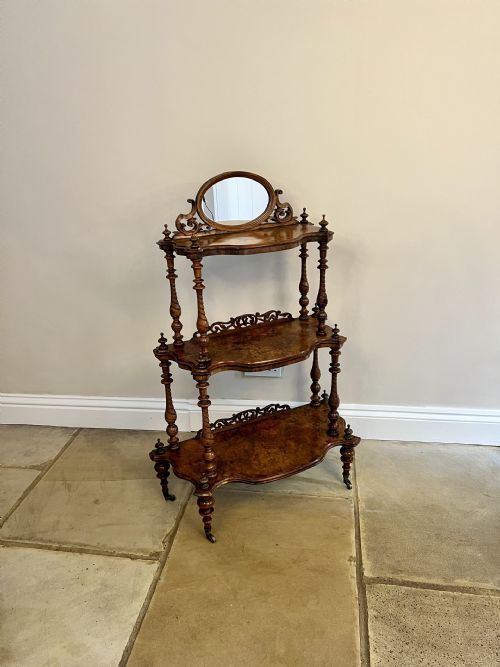
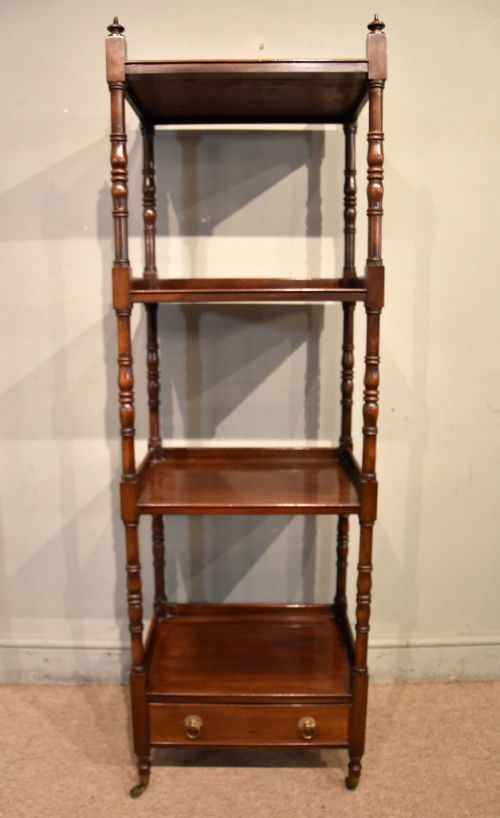
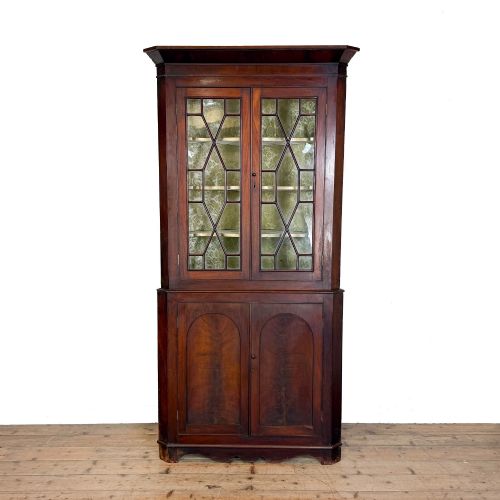
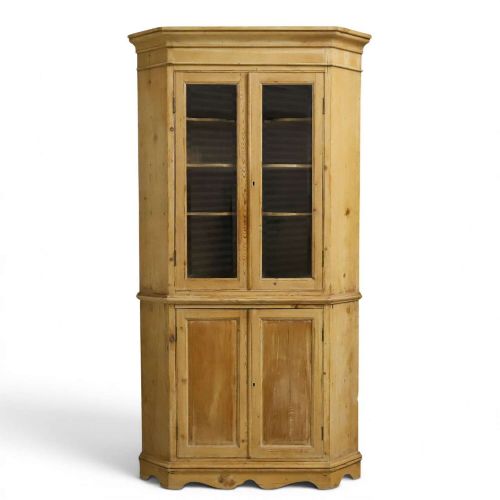
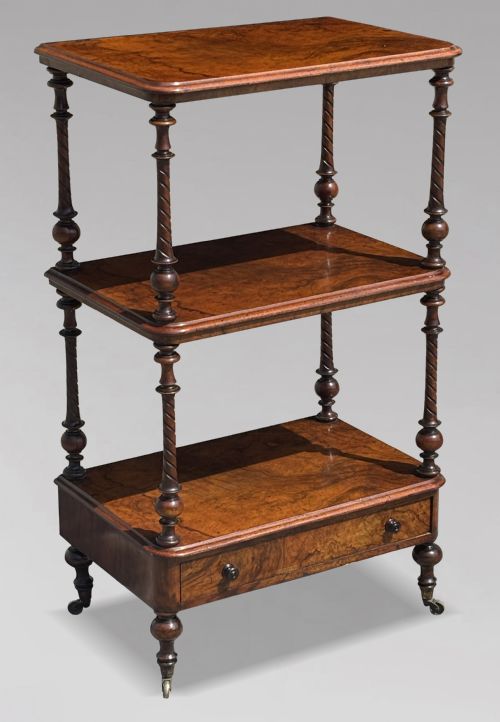
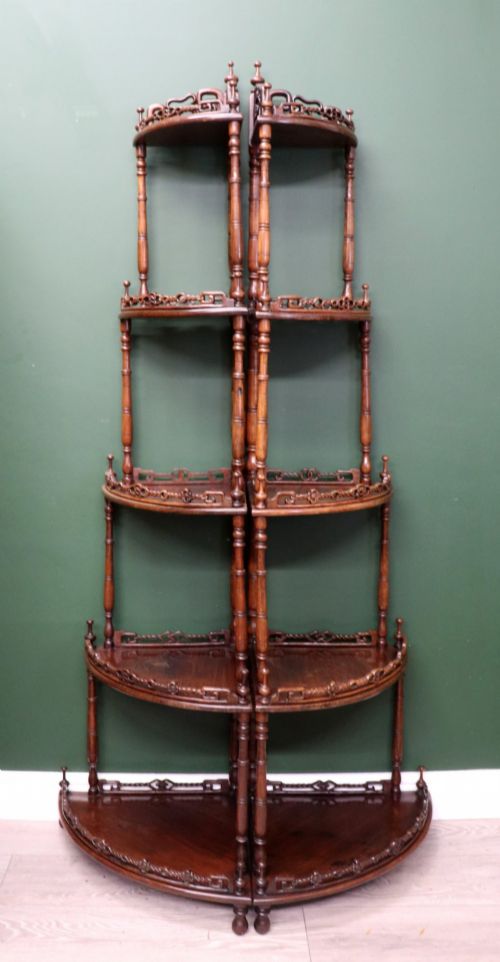
A victorian corner stand encompasses a broad variety of domestic furnishings built to fit snugly into room junctions, ranging from multi-tiered open whatnots to enclosed floor-standing cupboards. The most frequent examples appearing on this page are mahogany and burr walnut multi-tier shelving units and glazed or panelled corner cabinets.
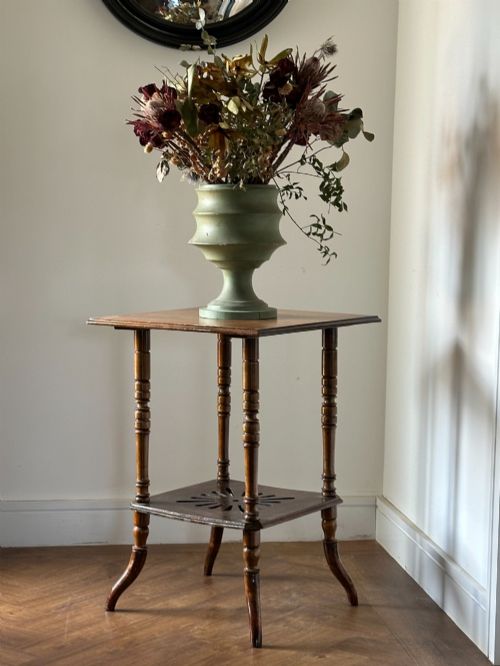
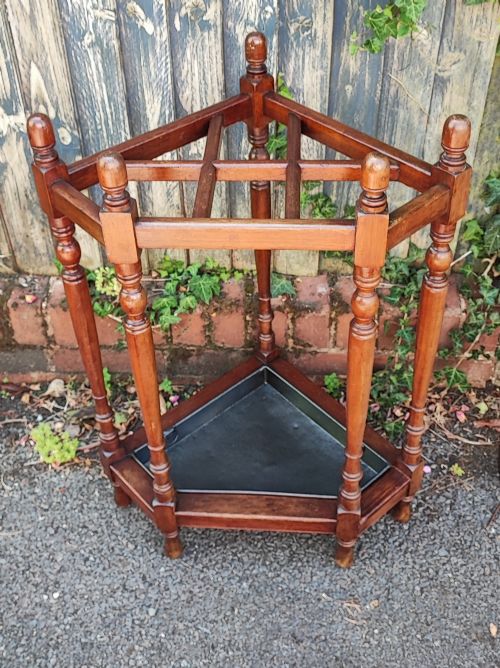
Makers and cabinetmakers also produced functional items for specific rooms, including washstands with marble tops, bamboo display stands for the Aesthetic style, and cast iron stick and umbrella holders for hallways. These utilitarian and decorative forms span the nineteenth century, overlapping into Edwardian variations.
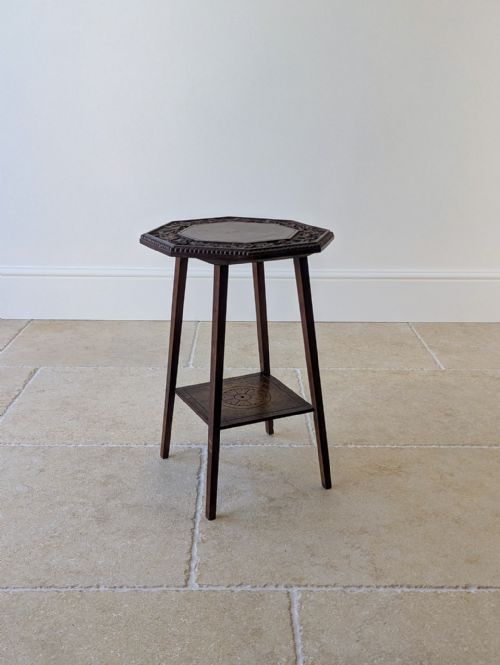
Moorish revival and arts and crafts influences appear alongside standard Victorian country and revival styles, reflecting diverse nineteenth-century tastes. Buyers encounter everything from simple pine cupboards to exhibition-quality inlaid rosewood furniture.
How they were made
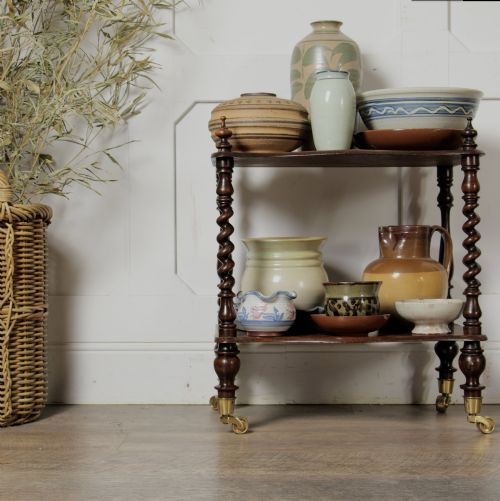
Cabinetmakers utilised rich timber veneers such as burr walnut, rosewood, and mahogany over solid secondary woods, frequently adding contrasting stringing and marquetry inlay. Structural elements like barley twist columns, turned uprights, and carved brackets provided both support and decorative detail.
Metal components played a structural and decorative role in functional items, employing cast iron and brass for umbrella stands, pan stands, and plant holders. Glazed doors utilised timber framing to house glass panels securely for display cabinets.
Some umbrella stands still retain their original cast iron drip trays, saving nineteenth-century carpets from soggy walking sticks.
What varies in quality
The degree of refinement in timber selection and cabinetmaking distinguishes standard utility pieces from exhibition-grade furniture. Highly figured burr walnut veneers, intricate marquetry inlay, and superior carving signify workshops operating at a higher level.
Subtlety of proportion, the integration of secondary woods, and the crispness of turned components like barley twists separate mass-produced items from superior examples commissioned from prominent retailers.
Walker & Sons·Liberty & Co.·Edwards & Roberts·Maple & Co.
The Victorian Corner Stand Glossary
- Whatnot
- An open set of multi-tiered shelves used for displaying ornaments and small objects. These pieces often feature three to five tiers supported by turned columns.
- Corner cabinet
- A cupboard specifically constructed with a triangular footprint to fit flush against room corners. They feature either solid wooden doors or glazed panels for display.
- Barley twist
- A decorative turning technique resembling a spiralling rope. This woodwork style appears frequently on nineteenth-century supports and uprights.
- Washstand
- A functional piece of furniture designed to hold washing basins and pitchers, sometimes featuring marble tops and splashbacks. They were essential bedroom and dressing room fittings.
Victorian Corner Stand: Frequently Asked Questions
Where should I place a corner stand?
These pieces fit naturally into unused room angles, transforming empty junctions into focal points for display or storage. Smaller whatnots work well in living spaces for ornaments, while taller cupboards suit dining rooms.
In hallways, cast iron or brass versions manage walking sticks and umbrellas effectively. Their triangular footprint ensures they occupy minimal floor space while offering maximum utility.
How do I care for nineteenth-century timber?
Keep wooden furniture away from direct heat sources and strong sunlight to prevent the timber and veneers from drying out or splitting. Dust regularly with a soft, dry cloth and apply a quality wax polish occasionally to nourish the surface.
Avoid using modern liquid cleaning sprays, which can damage historic French polish or wax finishes. Maintaining a stable room temperature helps preserve the structural integrity of older joints.
What is the difference between a whatnot and a cabinet?
A whatnot consists of open tiered shelves designed exclusively for display rather than concealed storage. They showcase decorative objects, books, and collections from multiple angles.
Cabinets feature doors, either solid wood or glazed, allowing owners to store items out of sight or protect delicate china from dust. Both forms share the same triangular footprint tailored for room corners.
How do I identify aesthetic movement pieces?
Aesthetic movement items often incorporate Japanese-inspired motifs, ebonised finishes, or bamboo construction. These pieces reflect a late nineteenth-century shift toward artistic design and unconventional materials.
Look for slender proportions, lacquer work, and asymmetry, which distinguish them from heavier revival styles of the same era.