


Victorian Cold Painted Bronze
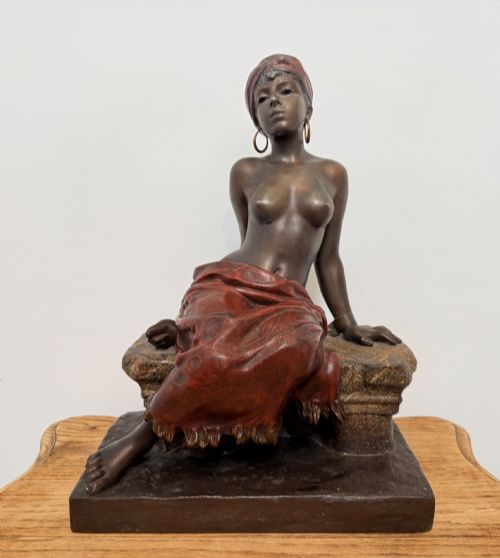
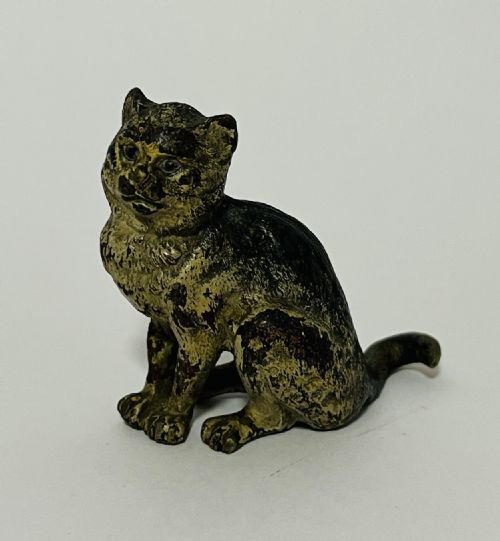
Victorian cold painted bronze figures are characterful metal animal and human sculptures finished with naturalistic pigment, highly sought after by collectors for their intricate detail and whimsical charm.
Victorian Cold Painted Bronze
Victorian cold painted bronze pieces encompass a wonderful variety of small sculptures, figurines, and functional items like oil lamps and pin cushions. When searching for victorian cold painted bronze, buyers most frequently encounter animal subjects, from cats and dogs to birds and larger game.
The objects span the nineteenth century into the early twentieth century, showing strong connections to Austrian workshops and Viennese foundries. Many pieces depict realistic naturalism or humorous satirical scenes, reflecting the eclectic taste of the period.
Materials and Methods
These pieces begin as cast bronze or patinated bronze, though alternative metals like spelter also appear in the record. Molten metal is poured into moulds to create the base sculpture, capturing fine textures such as fur, feathers, and fabric folds.
The defining characteristic is the paint layer applied after casting without subsequent firing, using oil-based paints or enamel paint. This cold-painting technique allows for vibrant, lifelike colouration on the metal surface, though the pigment remains delicate and susceptible to wear.
Several dogs caught in the act of cocking their leg show that Victorian animal sculptors possessed a wonderfully cheeky sense of humour.
Judging Quality and Execution
The survival of the original painted surface significantly influences the standing of a piece. Superior works retain their original pigment with minimal touch-ups, while lesser examples show extensive flaking or complete repainting over time.
E Villanis·Ernst Wahliss·Jennings Brothers·Franze Bergman·Jules Moigniez·Louis Hottoot·Goldscheider
The Victorian Cold Painted Bronze Glossary
- Cold-painted
- A finishing method where pigment is applied to a bronze casting without heat bonding. The paint sits directly on the metal surface.
- Animalier
- A nineteenth-century artistic movement dedicated to the realistic portrayal of animals. Sculptors in this style focused closely on anatomical accuracy.
- Spelter
- A zinc alloy commonly used as a less expensive alternative to bronze. It offers similar casting capabilities but feels lighter and more brittle.
- Patinated
- Treated with chemicals to alter the surface colour of the metal before or instead of painting. This creates rich brown, green, or dark tones.
Victorian Cold Painted Bronze: Frequently Asked Questions
How do I clean cold painted bronze?
You should only clean these pieces with a very soft, dry brush to remove dust. Moisture and chemical cleaners will damage the fragile cold-painted surface.
Avoid rubbing the painted areas entirely, as the pigment can easily lift from the metal beneath.
Are all cold painted bronzes Austrian?
While many prominent pieces originated in Vienna, production was not limited to Austria. Makers in England, France, and America also produced similar works.
Foundries across Europe utilised the technique, leading to diverse regional styles and subjects.
How can I spot repainting?
Original paint often shows fine craquelure and gentle wear consistent with age. Modern touch-ups under magnification may appear flat or sit differently in crevices.
Comparing the pigment style to documented works by known foundries helps verify the surface.
What is the difference between bronze and spelter?
Bronze is a durable copper alloy that takes fine detail and holds up well over time. Spelter is a softer, zinc-based metal that was used for more affordable decorative objects.
Spelter pieces are generally lighter and more prone to cracking or breaking under stress.