
Dark Bronze Animal Figurine
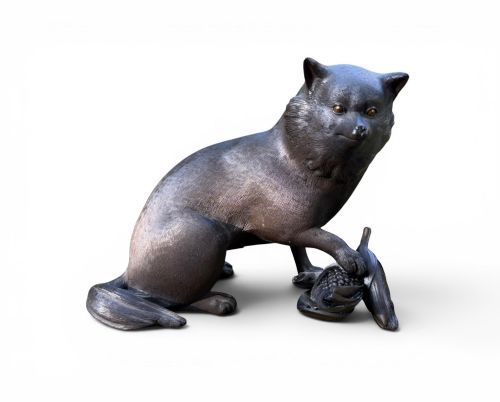
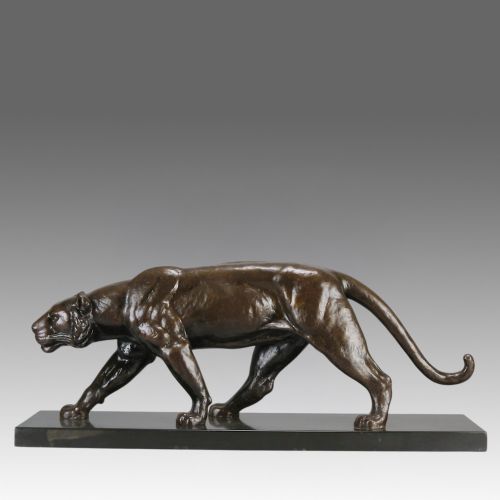
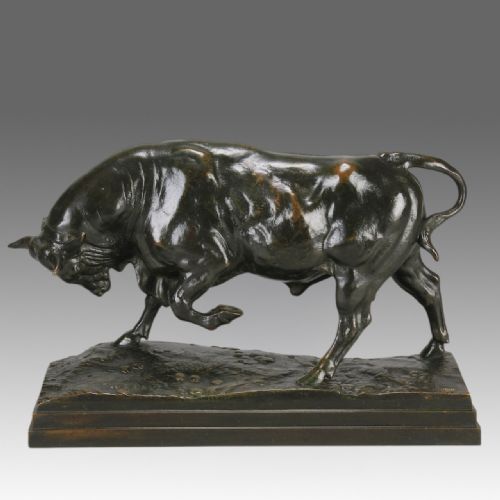
A dark bronze animal figurine captures the natural energy and physical presence of creatures through cast metal.
Dark Bronze Animal Figurine
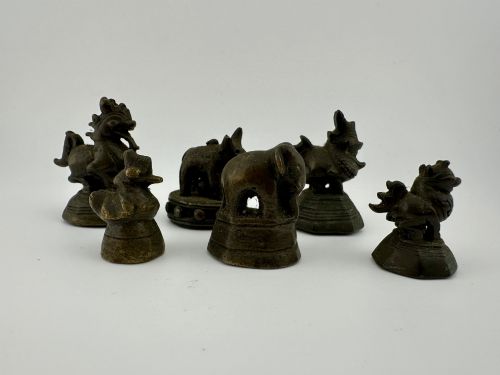
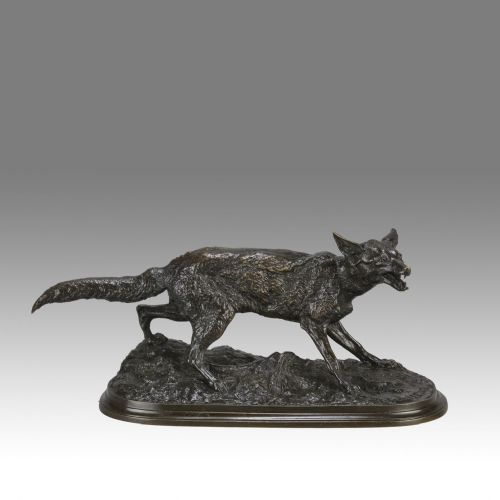
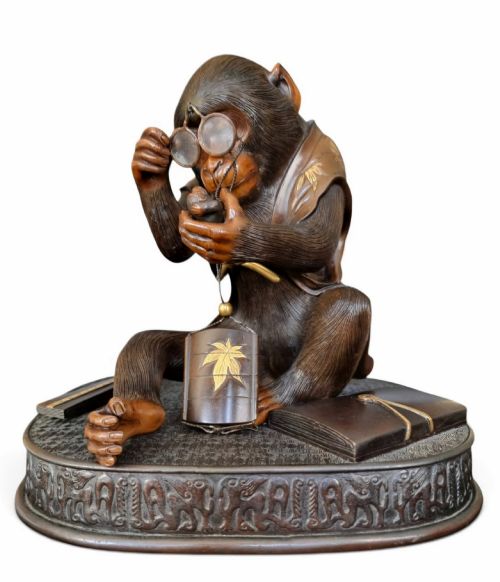
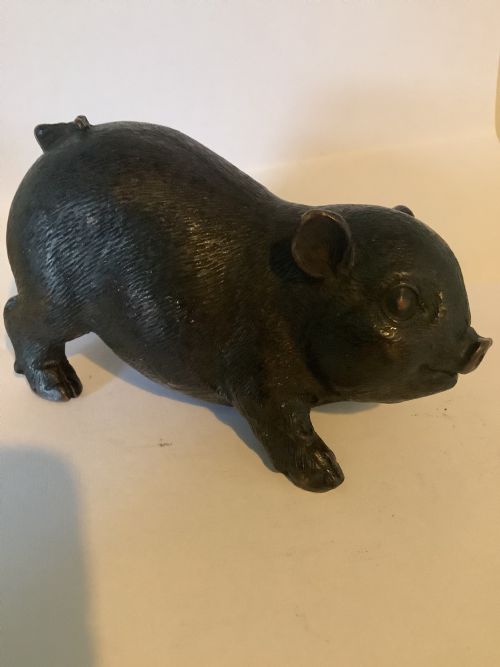
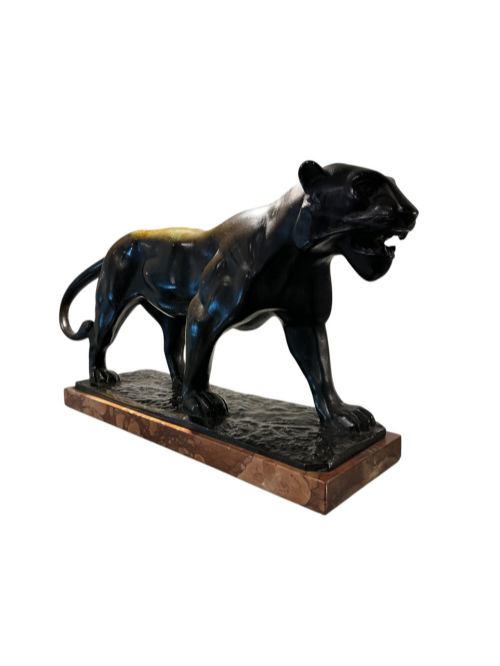
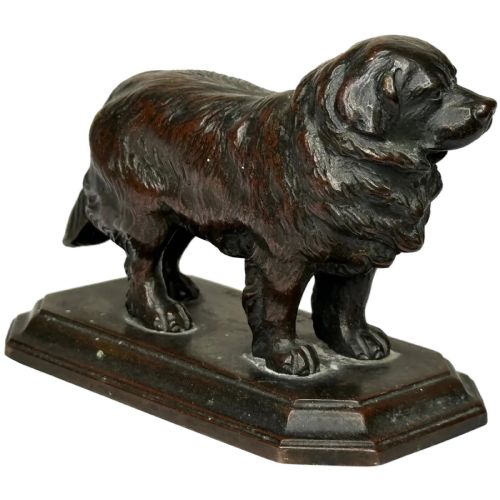
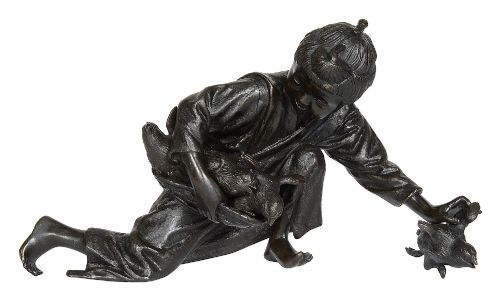
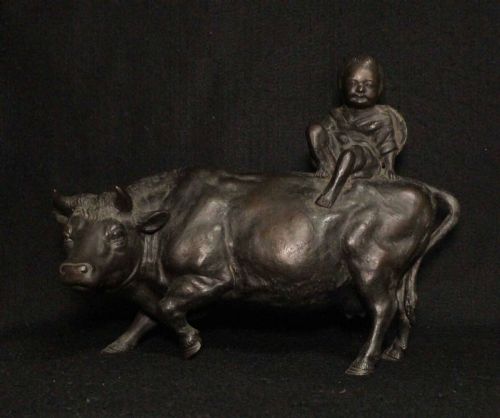
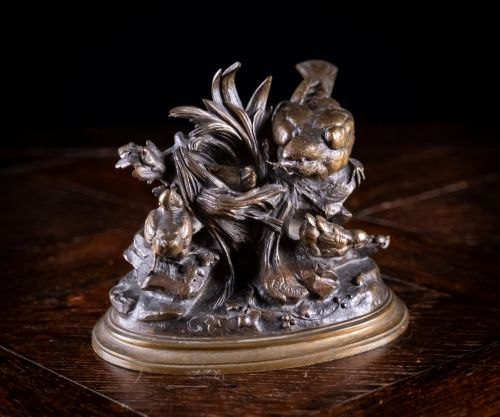
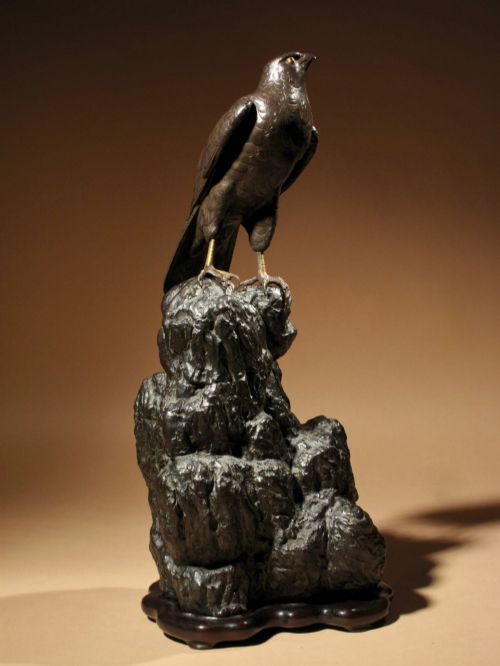
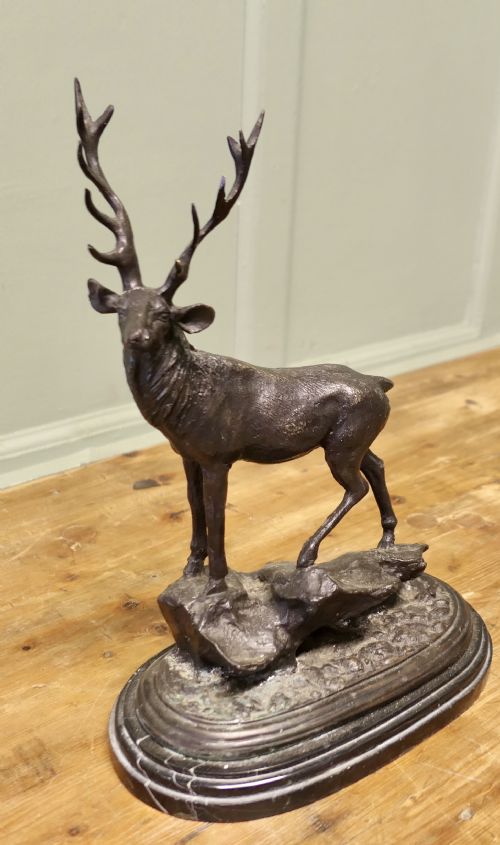
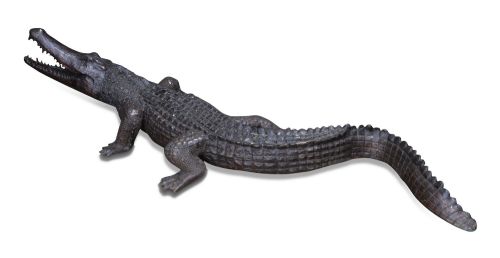
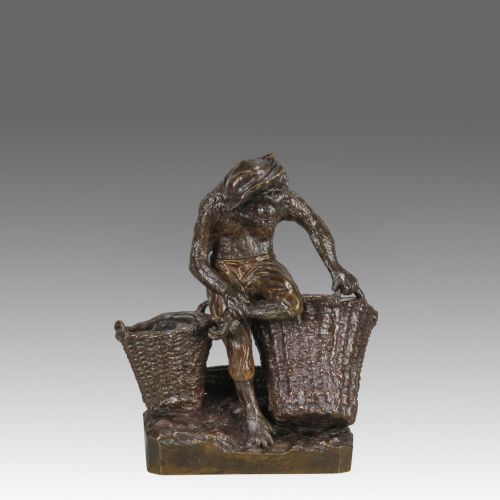
A dark bronze animal figurine encompasses small sculptural representations of beasts, birds, and domestic creatures cast in metal. When searching for a dark bronze animal figurine, collectors encounter works ranging from European animalier studies to Japanese Meiji period okimono. These pieces capture subjects from prowling panthers and working dogs to birds and farm animals.
The objects stem predominantly from the nineteenth and early twentieth centuries, spanning Victorian, Art Deco, and Meiji aesthetics. Forms vary from miniature desktop sculptures to substantial figures mounted on marble or onyx plinths. Domestic animals, wildlife, and anthropomorphic creatures feature prominently across the available selection.
Materials and casting techniques
Foundries utilised the lost-wax method or sand-casting techniques to shape molten metal into complex animal forms. The primary material consists of bronze, often supplemented by patination treatments that yield deep brown, black, or dark green surface tones.
Certain Austrian workshop pieces incorporate cold-painted pigments applied over metallic surfaces to add naturalistic colour details. Mixed metals and occasional gold inlay appear in Japanese works, combining bronze with contrasting copper alloys for decorative effect.
Listings feature periods spanning from the seventeenth century through the Victorian era and the Art Deco movement.
Factors determining quality
The definition and sharpness of the cast define the visual success of the piece, distinguishing superior models from softer copies. Musculature, fur texture, and facial expressions require precise hand-chilling and finishing work after the casting process concludes.
The depth and stability of the original patina contribute significantly to the character of the surface. Furthermore, the integration of original bases, such as shaped marble or onyx plinths, influences the overall balance and presentation of the sculpture.
P J Mêne·Christophe Fratin·Alexandre Ouline·Antoine Louis Barye·Alfred Barye·Kunio Itô·Franz Bergman·Prosper Lecourtier·Alfred Dubucand·Victor Peter
The Dark Bronze Animal Figurine Glossary
- Animalier
- A nineteenth-century artistic movement focused on the realistic depiction of animals in sculpture. Practitioners studied live subjects extensively in menageries.
- Okimono
- A Japanese ornamental figurine designed for display on a shelf or in a traditional alcove. These objects demonstrate intricate metalwork and characterful observation.
- Patination
- The chemical or thermal treatment applied to metal surfaces to create aged coloration. This process protects the bronze while establishing dark tonal depth.
- Cold-painted
- A technique where paint is applied to unheated bronze objects, common in Austrian foundry production. Such pigments remain delicate and susceptible to flaking over time.
- Plinth
- A heavy base, often marble, onyx, or stone, supporting the bronze sculpture. It provides physical stability and visual grounding for the figure.
Dark Bronze Animal Figurine: Frequently Asked Questions
What is an animalier bronze?
An animalier bronze is a nineteenth-century European sculpture focusing specifically on the accurate anatomical study of animals. These works capture creatures in motion or repose, often highlighting predatory behaviour or domestic companionship.
Artists observed animals directly in zoological gardens to achieve realistic musculature and posture in their cast metal models.
How do I care for bronze figures?
Maintenance requires gentle dusting with a soft, dry cloth to prevent the accumulation of abrasive particles. Avoid commercial polishes or liquids that can strip the original dark patina from the metal surface.
Maintaining stable indoor humidity protects any accompanying marble or onyx bases from moisture absorption and cracking.
What is a Meiji period okimono?
A Meiji period okimono is a Japanese decorative sculpture produced during the late nineteenth or early twentieth century. These objects represent animals, figures, and folkloric subjects with high technical precision.
Artisans frequently utilised mixed metals and fine patination to create distinct surface textures on subjects like elephants, monkeys, and horses.
What is cold-painted bronze?
Cold-painted bronze refers to metal sculptures finished with unfired oil or enamel paints applied directly to the surface. This technique gained popularity in Austrian workshops producing small figurines of birds and wildlife.
The resulting colours provide realistic plumage or fur tones but require careful handling to preserve the fragile paint layers.