


Austrian Bronze Bird Ornaments
Austrian bronze bird ornaments are charming miniature animalier sculptures, and you want one for their exquisite character and detailed hand-painting.
Austrian Bronze Bird Ornaments
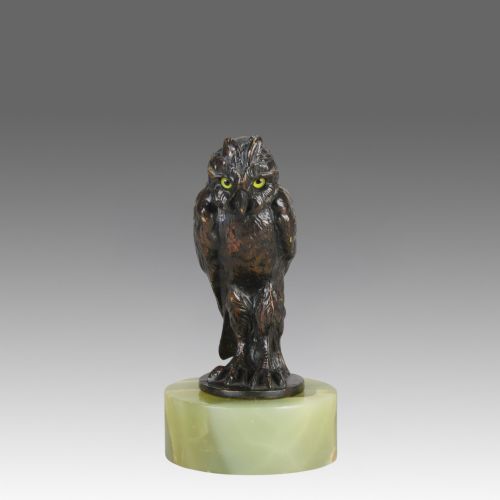
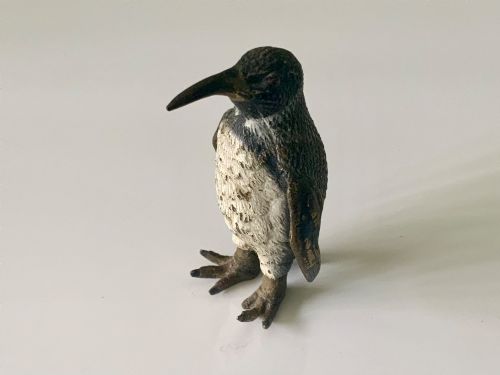
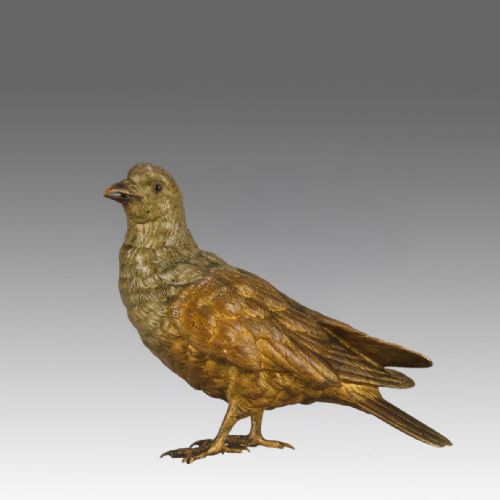
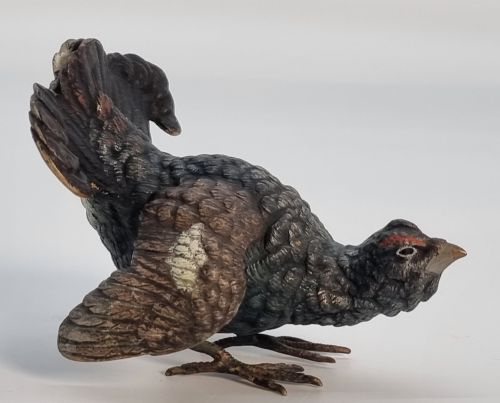
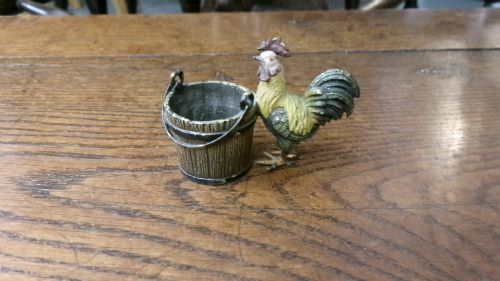
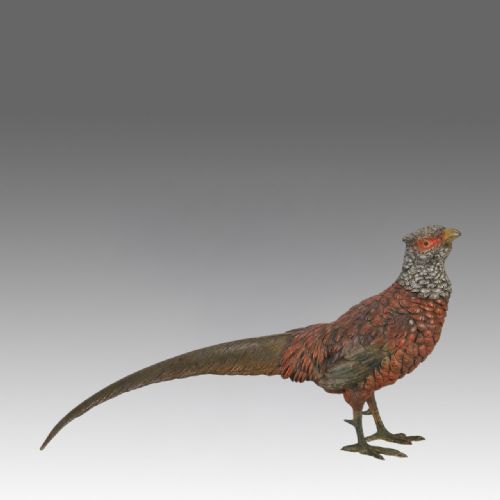
When you search for Austrian bronze bird ornaments, you encounter small animalier sculptures and desk accessories produced primarily during the late nineteenth and early twentieth centuries. These pieces capture various avian subjects, from owls and penguins to pheasants and grouse, modelled with acute observation.
The objects span several decades including the Victorian era, the Art Nouveau period, and the early twentieth century. Their origins trace directly to Viennese foundries that specialised in lifelike animal studies.
How they were made
The foundation of each piece is cast bronze, produced using traditional foundry methods to capture fine feather details and anatomical precision. Some compositions incorporate secondary materials like onyx for bases or plinths.
The defining technique is cold-painting, where multiple layers of enamel paint are applied to the unheated metal surface by hand. This pigment settles into the recesses of the casting to create realistic plumage patterns and colours.
Listings feature cold-painted bronze and onyx materials across periods spanning the nineteenth century up to nineteen thirty.
What varies in quality
The distinction between standard commercial output and the finest workshop productions lies in the sharpness of the underlying bronze casting. Superior examples retain crisp feather texturing and realistic anatomical proportions before any pigment is applied.
Quality also rests heavily upon the skill of the cold-painter, with master pieces showing subtle shading, multiple colour tones, and careful brushwork that brings the bird to life. Pieces associated with notable foundries or makers tend to exhibit superior surface preservation and more complex compositions.
Franz Bergman
The Austrian Bronze Bird Ornaments Glossary
- Cold-painted bronze
- A metal sculpture finished with unfired oil or enamel paints applied directly to the surface. This technique allows for vibrant polychrome detail but requires careful handling to prevent paint loss.
- Vienna bronze
- Small-scale metal figures produced in Austrian foundries during the late nineteenth and early twentieth centuries. These works are celebrated for their naturalistic depiction of animals and humans.
- Animalier
- A nineteenth-century artistic movement focused on the realistic portrayal of animals. Sculptors in this tradition studied living subjects closely to render accurate musculature and posture.
- Pin tray
- A small shallow dish designed to hold pins, small stationery, or desk accessories. Many bronze bird ornaments double as functional desk items of this type.
Austrian Bronze Bird Ornaments: Frequently Asked Questions
What are Austrian bronze bird ornaments?
These are small, hand-painted metal sculptures depicting various bird species, produced mainly in Vienna during the nineteenth and early twentieth centuries.
Craftsmen cast the metal and applied oil or enamel paints by hand to create realistic plumage and colouration.
How were these bird sculptures used?
Many were created as decorative cabinet bronzes intended for display on desks, mantelpieces, or in display cabinets.
Some examples were integrated into practical desk accessories, such as pin trays or inkwell mounts, combining utility with fine art.
How do I care for cold-painted bronze?
Protect the fragile enamel paint by keeping the piece away from direct sunlight and moisture.
Dust the surface very gently with a soft, dry brush and avoid using chemical cleaners or water.
How can I tell the period?
Dating relies upon stylistic markers such as Art Nouveau design influences, casting characteristics, and signature marks associated with specific Viennese workshops.
Earlier nineteenth-century pieces often display different patination styles compared to those made in the decades leading up to nineteen thirty.