


Vienna Bronze Bird Figurine
A vienna bronze bird figurine captures avian life in miniature, offering collectors vibrant hand-painted detail and charming character from the late nineteenth and early twentieth centuries.
Vienna Bronze Bird Figurine
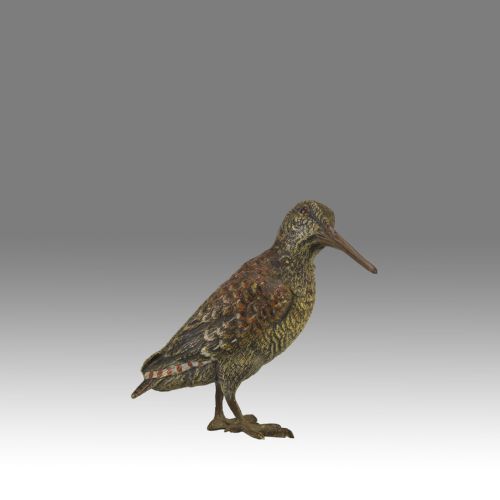
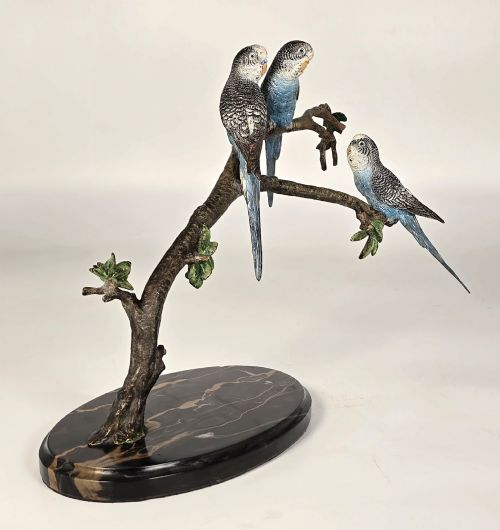
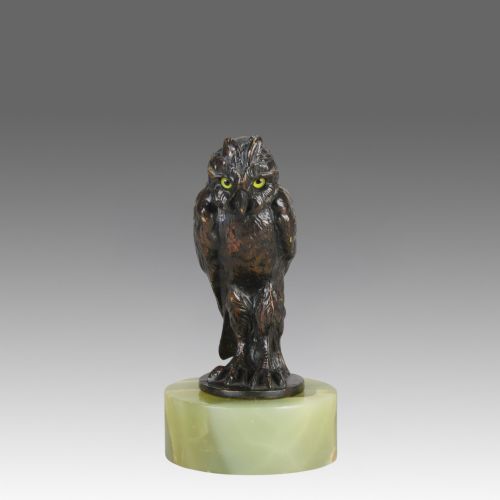
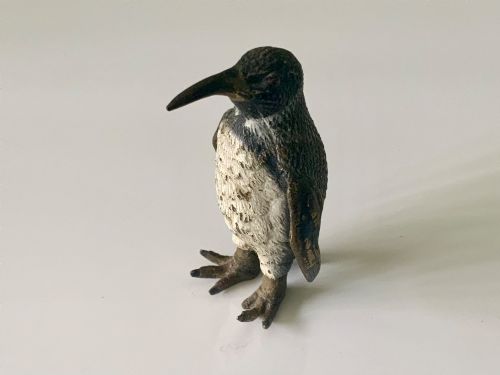
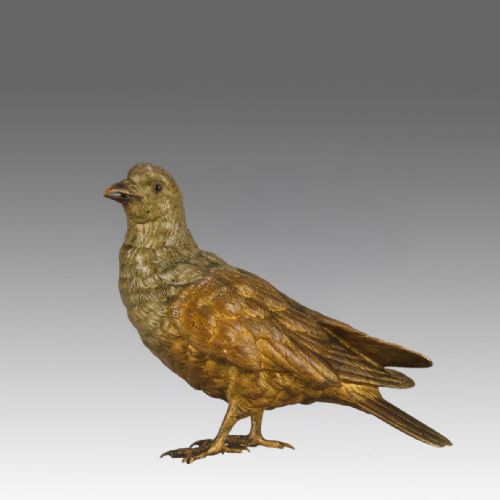
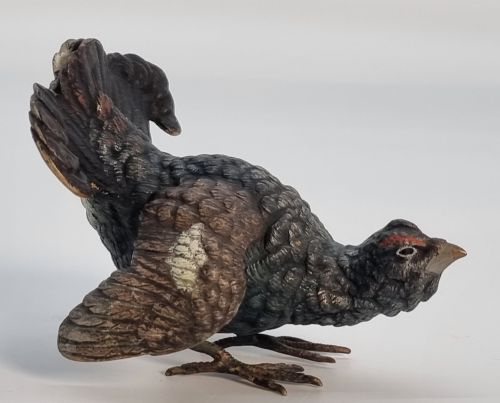
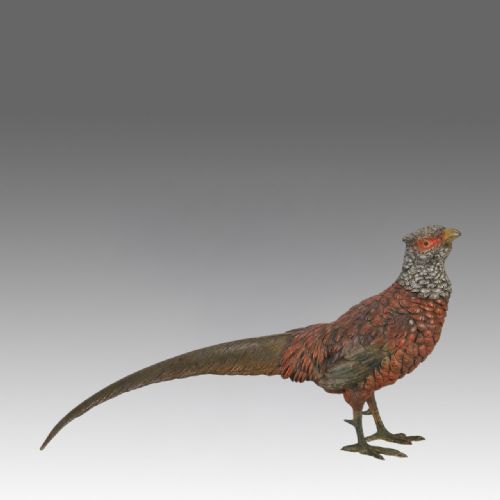
When searching for a vienna bronze bird figurine, you encounter miniature metal sculptures depicting avian subjects such as woodcocks, budgerigars, owls, penguins, pigeons, capercaillies, cockerels, pheasants, blackbirds, grouse, kingfishers, magpies, ducks, parrots, and a little plomb de nuremberg bird on a leaf. These pieces originate predominantly from the early twentieth century, with examples spanning the nineteenth century up to nineteen thirty.
The objects take various functional and decorative forms, appearing as standalone sculptures, figurines, desk accessories, pin trays, and mounted studies on onyx plinths. Most examples follow the Viennese Animalier and Austrian naturalist traditions, translating the natural world into small-scale cabinet bronzes.
How they were made
The foundational form relies on cast bronze, shaped through traditional foundry techniques to capture the fine contours of feathers and anatomy. Some pieces incorporate natural stone elements, mounting the metal figures onto bases of onyx or marble.
Surface colour comes from cold-paint techniques, applying enamel paint or polychrome paint directly onto the unheated metal surface. This finish relies on careful brushwork rather than kiln-firing, which accounts for the delicate surface detail seen across these birds.
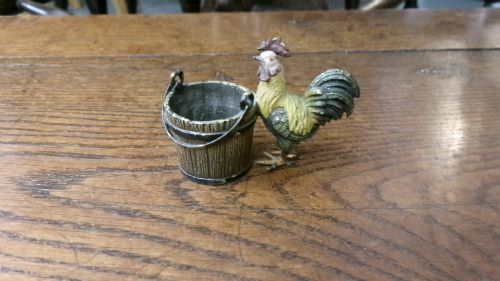
Among the feathered flock, a tiny metal cockerel tends diligently to his own minuscule bucket.
What varies in quality
Quality rests significantly on the precision of the casting and the sensitivity of the hand-painted surface decoration. Finer examples display crisp feather texturing and lifelike posture that reflect close observation of nature.
The condition of the original cold-painted surface dictates much of the appeal, alongside the presence of signature marks or foundry stamps. Integration with secondary materials, such as fitted onyx plinths, also separates standard production pieces from more elaborate cabinet studies.
Franz Bergman
The Vienna Bronze Bird Figurine Glossary
- Cold-painted bronze
- Bronze sculpture finished with paint applied to the cold metal surface without firing. This technique allowed for vibrant polychrome decoration.
- Animalier
- Art that faithfully depicts animals, birds, and wildlife. This sculptural style flourished across Europe during the nineteenth and early twentieth centuries.
- Onyx plinth
- A decorative stone base supporting a sculpture. These mineral mounts provide stability and visual elevation for cabinet bronzes.
- Pin tray
- A small desk accessory designed for holding small items like pins or nibs. Many diminutive bronze animal figures were incorporated into these functional desk items.
Vienna Bronze Bird Figurine: Frequently Asked Questions
What is a vienna bronze bird figurine?
A vienna bronze bird figurine is a small cast metal sculpture of an avian subject, finished with cold-painted enamel colours. These pieces originated in Austrian workshops during the late nineteenth and early twentieth centuries.
Craftsmen modelled various species, from pheasants and owls to budgerigars and kingfishers, capturing realistic postures and plumage in miniature form.
How should I clean my cold painted bird?
Cold-painted surfaces require gentle care because the enamel paint sits on top of the metal rather than being fired into a glaze. You should only use a dry, soft brush to remove dust.
Water, moisture, and chemical cleaners can lift or damage the delicate historic paintwork, so display them away from direct sunlight and damp environments.
Are these birds mounted on stone?
Certain examples feature stone bases, such as onyx plinths, which support studies like drake mallard ducks. These mineral mounts provide extra weight and a finished display base.
Other versions stand independently as unmounted figurines or serve practical purposes as small desk accessories and pin trays.
How do I recognise the period?
Pieces from this tradition typically date from the nineteenth century through the early twentieth century, encompassing Art Nouveau and Art Deco stylistic influences. The naturalistic modelling reflects nineteenth-century animalier sculpture.
Examining the casting style, the type of mineral base, and the characteristics of the polychrome or enamel paint helps determine the era of manufacture.