

Victorian Coffer Chest
When you search for a victorian coffer chest, you seek a robust nineteenth-century storage container built to hold blankets, linens, or travel gear.
Victorian Coffer Chest
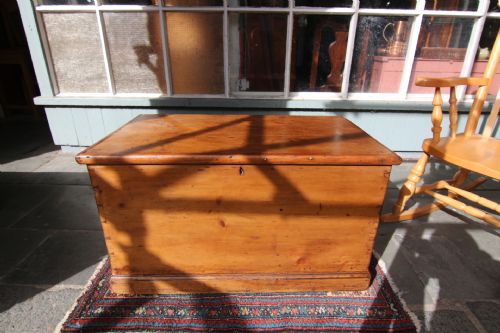
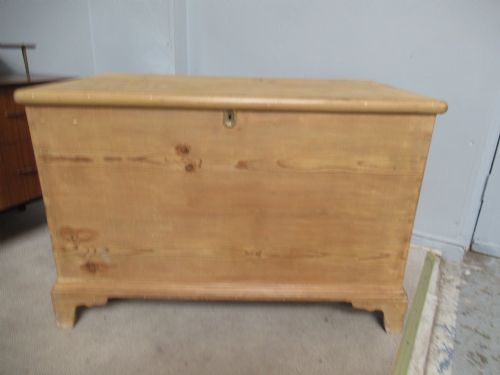
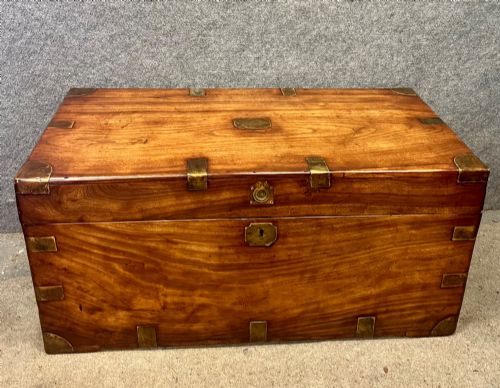
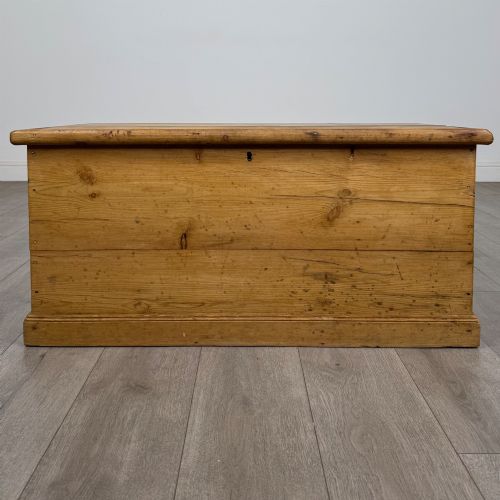
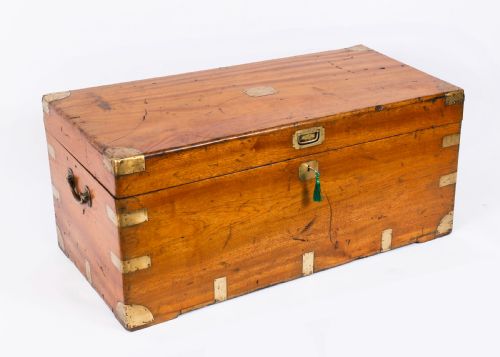
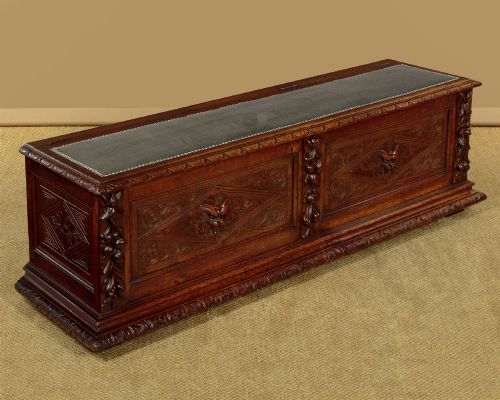
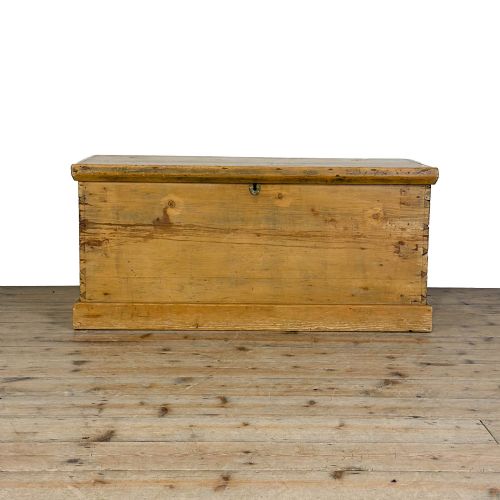
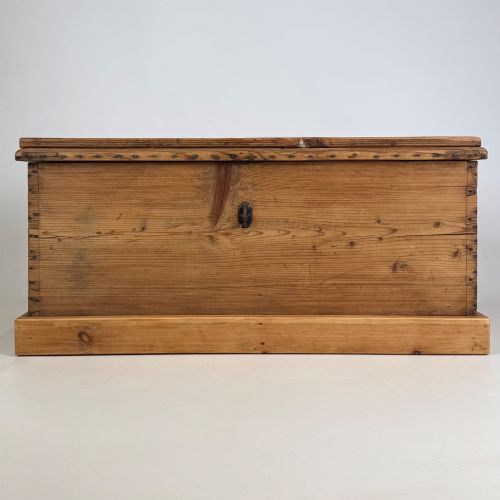
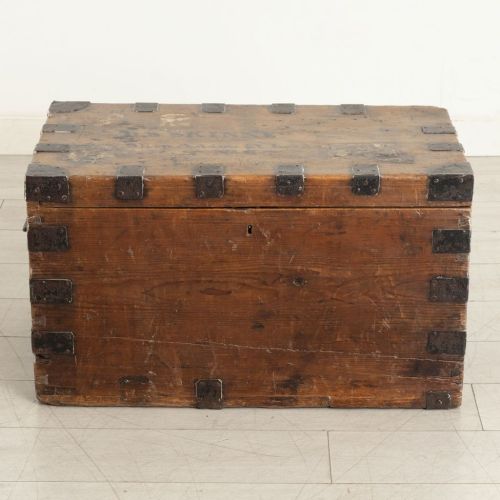
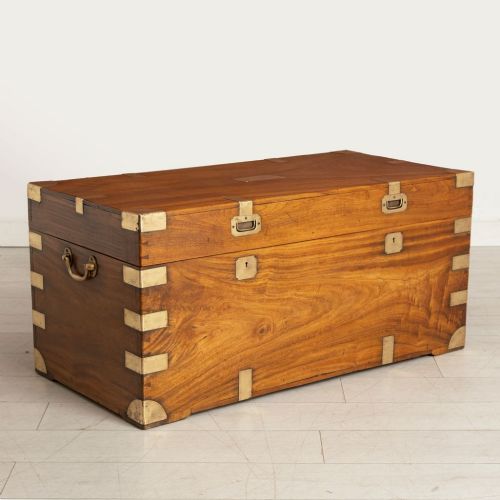
A victorian coffer chest combines utility and nineteenth-century craftsmanship, appearing most frequently as pine blanket boxes, oak mule chests, and camphor wood military campaign trunks. These pieces originated as travel luggage, domestic storage, or military equipment designed to withstand rigorous transport across empires.
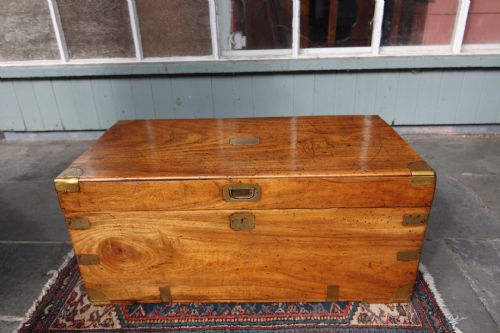
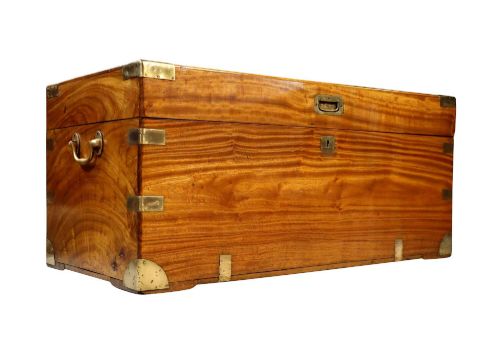
Domestic versions utilise native timbers like elm and pitch pine, often featuring internal drawers or panelled construction. Campaign variants employ exotic woods with protective brass corners and recessed carrying handles intended for officers on the move.
Buyers encounter sturdy farmhouse examples alongside substantial dowry chests and shipwrights boxes. Each object reflects the practical demands of nineteenth-century domestic life and distant travel.
Materials and Technique
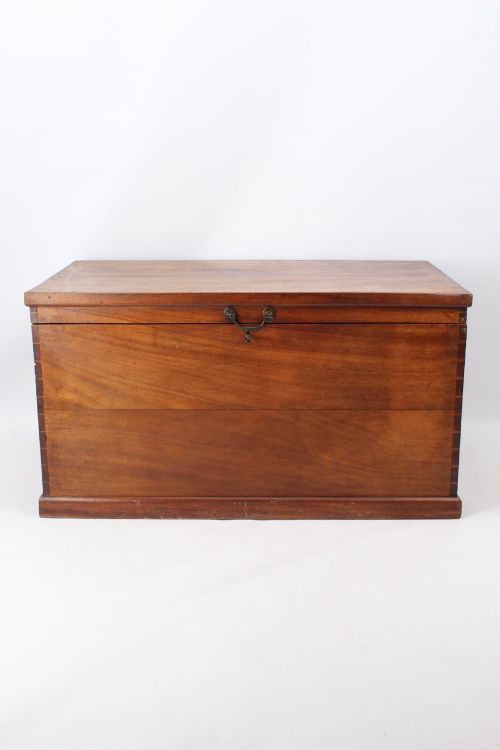
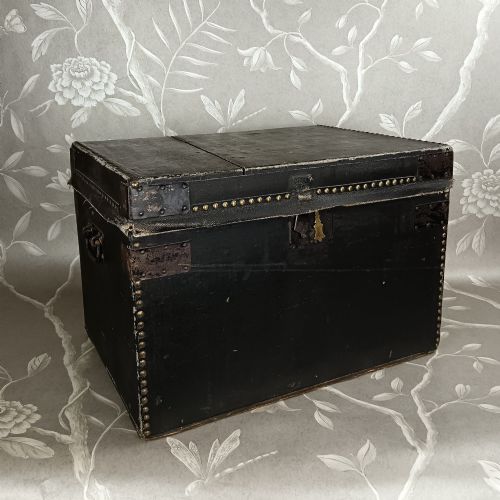
Carpenters constructed these receptacles using solid timbers such as pine, oak, mahogany, and camphor wood, frequently joining planks with dovetail or pegged joints. Iron and brass hardware, including strap hinges, corner braces, and studwork, reinforced the structures for heavy use.
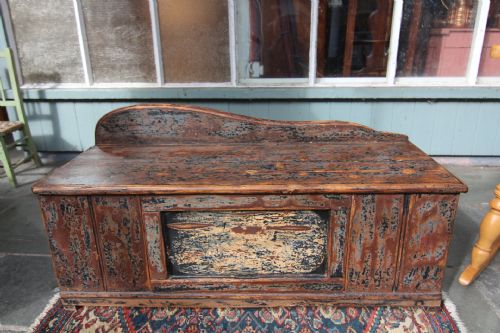
Some surfaces retain original paint finishes or leather coverings, while others display carved linen-fold details or exposed wood grain. Campaign pieces integrate flush-fitting brass hardware and recessed handles to prevent damage during transit.
Several camphor wood chests retain a distinct, lingering aroma designed to deter nineteenth-century moths from woollen uniforms.
Distinctions in Manufacture
Quality rests in the selection of timber and the precision of the joinery, distinguishing heavy domestic storage from finer cabinet work. Superior examples exhibit intact original hardware, tightly fitted internal compartments, and secondary woods matching the primary casing.
The degree of preservation and the presence of maker details or specialised campaign fittings elevate certain chests above standard utility items. Alterations, replaced hinges, or stripped surfaces distinguish heavily modified utilitarian boxes from preserved specimens.
Wm. Insall·Arthur Wannop·TANNS DEFIANCE LONDON·George Waters T L Aveling
The Victorian Coffer Chest Glossary
- Campaign trunk
- A portable storage box constructed with brass corners and recessed handles for military transport.
- Mule chest
- A storage box featuring one or more drawers beneath the main compartment, bridging the form of a chest and a chest of drawers.
- Camphor wood
- An aromatic timber utilised in nineteenth-century trunks to deter insects from stored textiles.
- Pitch pine
- A resinous softwood favoured for durable nineteenth-century domestic trunks and travel boxes.
- Studwork
- Decorative or reinforcing brass nails applied in rows along leather or wood surfaces.
Victorian Coffer Chest: Frequently Asked Questions
What were these chests originally used for?
Nineteenth-century households utilised these vessels to store blankets, linens, and personal possessions securely away from dust and damp. Military officers and travellers packed uniforms and equipment inside camphor wood and teak campaign trunks for long journeys.
Heavier elm and oak receptacles served as domestic storage or marriage chests to hold household textiles and dowry items. Shipwrights and seamen relied on robust timber boxes to protect tools and personal effects at sea.
How do I care for a wooden chest?
Keep wooden storage pieces away from direct heat sources and dramatic humidity fluctuations to prevent timber splitting or warping. Apply appropriate natural waxes sparingly to nourish dry surfaces and maintain the finish.
Avoid placing damp items directly onto interior wood surfaces, particularly in unlined pine or camphor boxes. Ensure brass hardware receives gentle cleaning without abrasive compounds that might damage the surrounding timber.
How do I distinguish campaign chests from domestic ones?
Campaign chests feature flush brass corners, recessed drop handles, and often split into separate modular sections for ease of loading onto ships or carts. They frequently utilise exotic timbers like camphor wood or teak designed to resist tropical humidity.
Domestic equivalents rely on native woods such as pine, elm, and oak with fixed carrying handles or exterior hinges. Their construction prioritises stationary household storage over frequent transit.
Are these chests suitable as coffee tables?
The flat top surface and sturdy proportions of nineteenth-century blanket boxes make them practical for use as coffee tables in modern living spaces. Their internal storage provides a functional place to conceal books and media accessories.
Ensure the height and length proportion match your seating arrangement before placement. Select examples with stable lids and sound structural integrity to withstand daily surface use.