
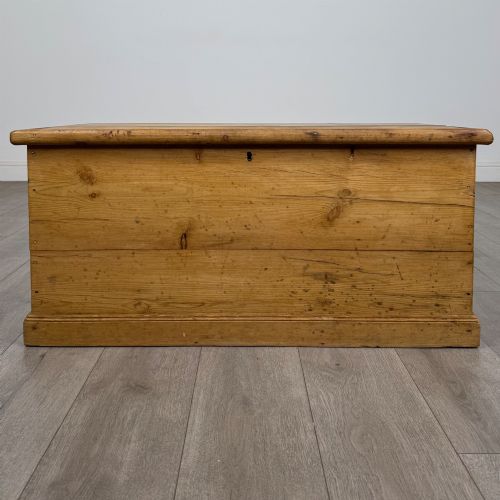
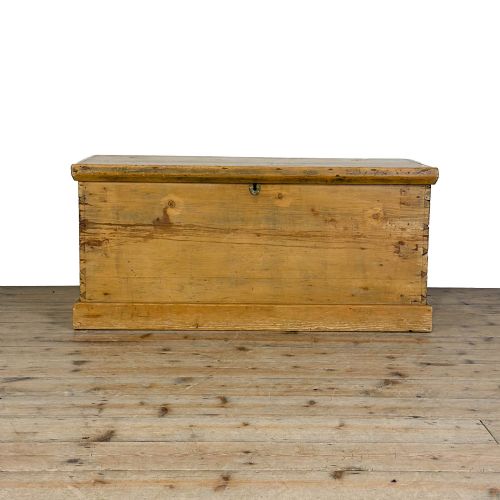
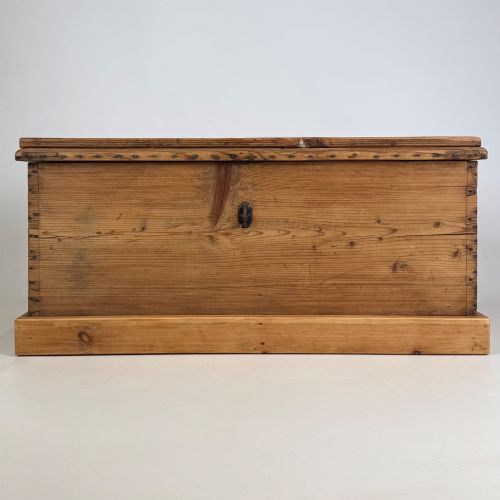
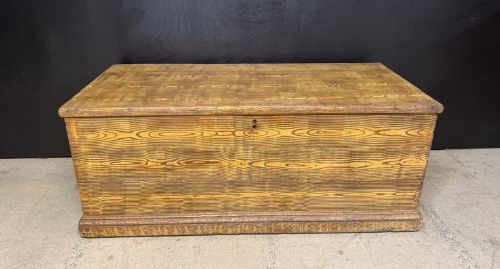
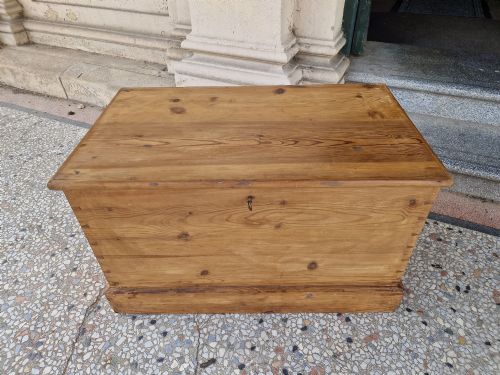
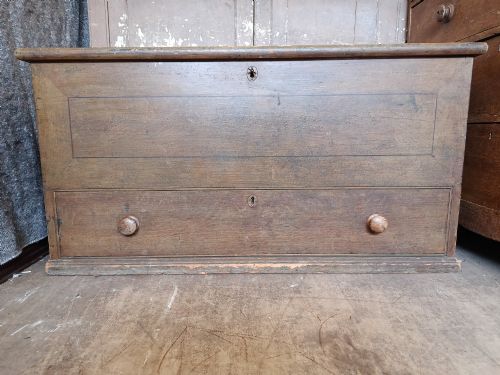
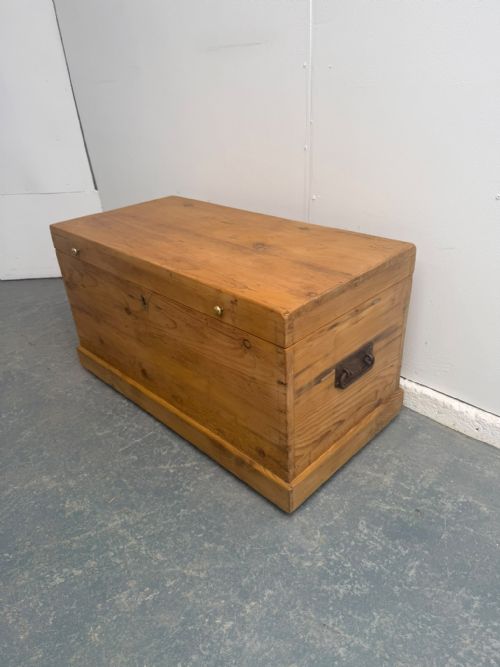
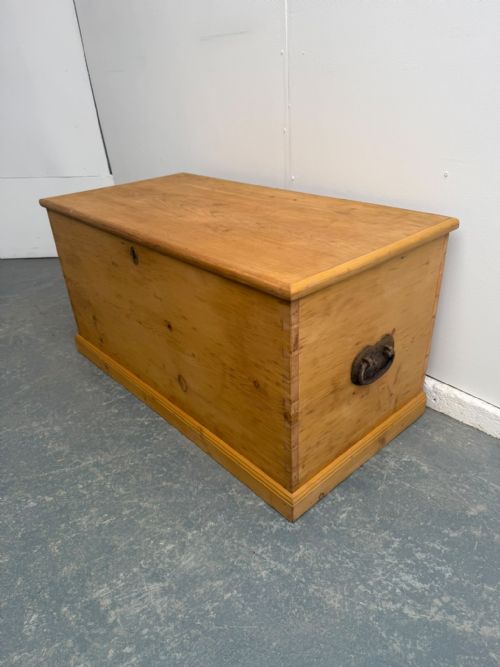
Traditional Pine Storage Trunk
A traditional pine storage trunk provides robust utility and character, bringing historic charm and practical capacity to any room.
Traditional Pine Storage Trunk
A traditional pine storage trunk serves as a capacious receptacle for household goods, blankets, and personal items. Buyers searching for this phrase encounter solid timber chests designed for everyday household utility.
The pieces on this page span the 18th century, the Georgian era, the Regency period, and the Victorian age. They originate from domestic workshops across Britain and continental Europe, including France, Spain, Sweden, Hungary, and the Alpine region.
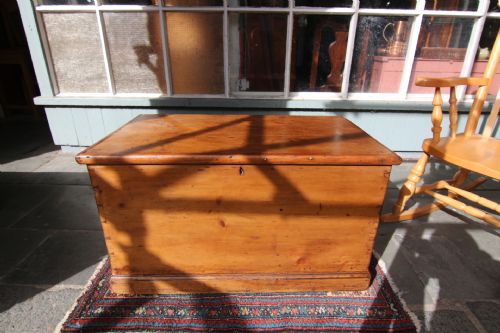
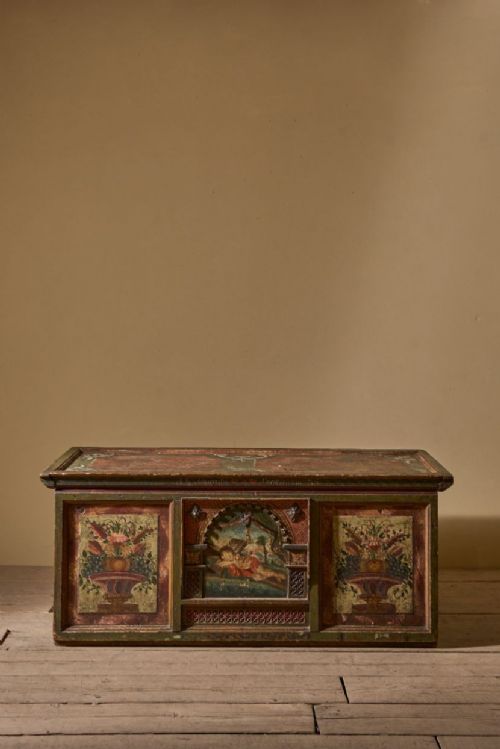
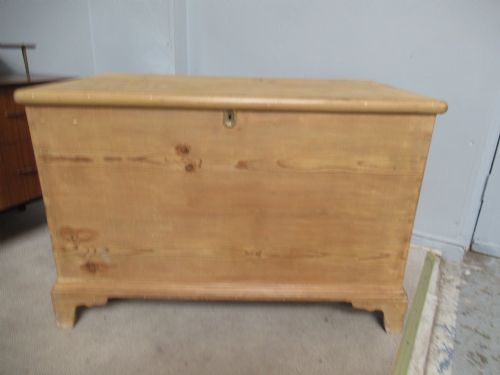
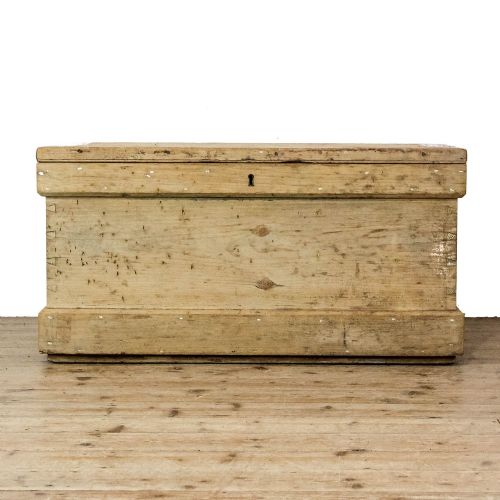
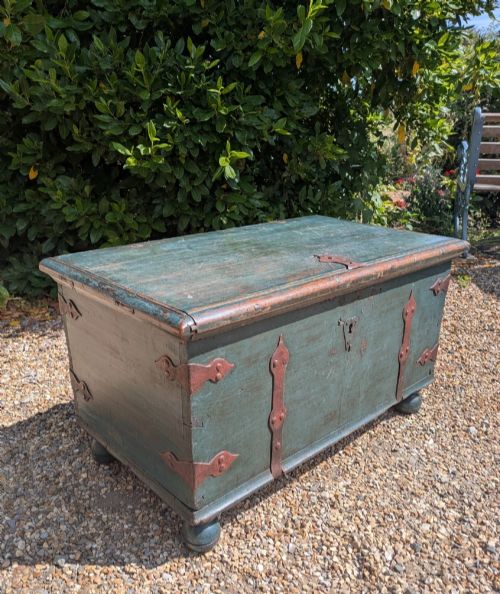
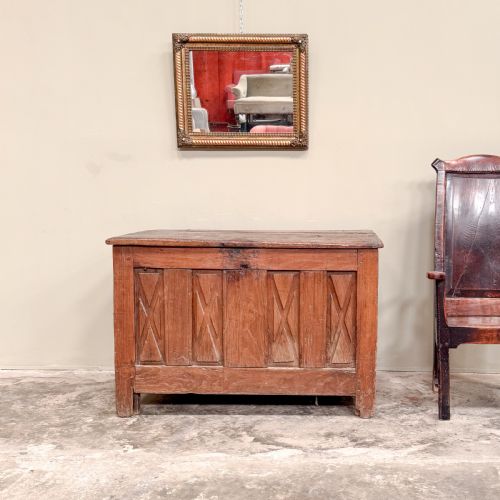
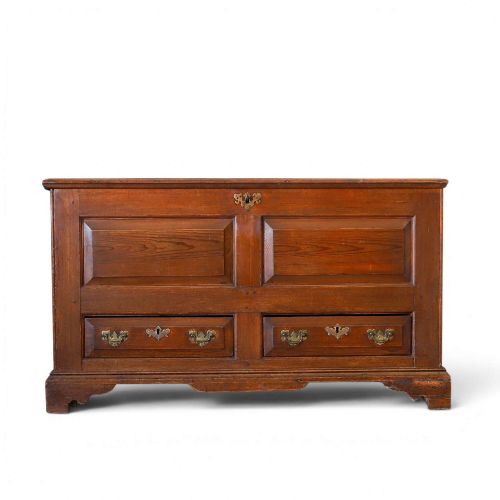
Forms include straightforward blanket boxes, tool chests, mule chests featuring lower drawers, and large marriage or coffer boxes. Plain waxed finishes appear alongside vibrant regional painted surfaces and hand-forged iron strapwork.
How traditional pine storage trunks were made
Construction relies primarily on pine and Oregon pine, assembled with dovetailed or pegged joints to withstand heavy domestic use. Carpenters utilised local softwoods to build robust carcases with hinged lids for easy access.
Many examples incorporate iron, wrought iron, and brass for hinges, locks, and structural strapwork. Surface decoration often involves mineral pigment, paint, scumble glaze, or wax to protect the timber and add colour.
Listings include pieces from the 18th century, Georgian period, Regency era, and Victorian times, constructed from pine, Oregon pine, oak, and iron.
What varies in quality in traditional pine storage trunks
The standard of craftsmanship shows in the precision of the joinery, such as tightly cut dovetails and the flush alignment of added drawers in mule chests. Heavier ironwork and hand-forged strapwork indicate a more robust and painstaking build.
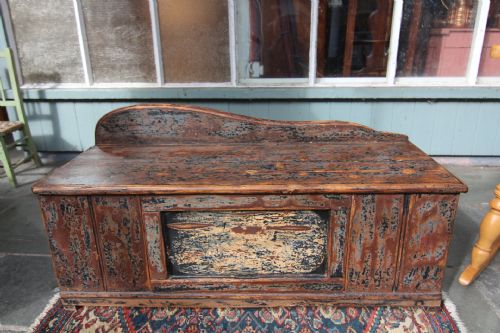
Surface preservation marks another distinction, ranging from plain waxed finishes to original regional pigments and floral painted decoration that survives in varied states of integrity.
The Traditional Pine Storage Trunk Glossary
- Mule chest
- A storage chest fitted with one or more drawers beneath the main compartment. This form bridges the gap between a traditional blanket box and a chest of drawers.
- Coffer
- A heavy wooden chest traditionally used for storing valuables, documents, or garments. These pieces often feature sturdy hinged lids and reinforced ironwork.
- Scumble
- A translucent or semi-opaque layer of glaze applied over a base colour to create decorative graining or mottled effects on furniture. Cabinet makers used this technique to mimic more expensive hardwoods.
- Strapwork
- Ornamental bands of metal, typically iron or brass, fixed across the exterior of a trunk to reinforce joints and protect corners. Hand-forged examples add significant decorative and structural merit.
- Pigment
- Natural colouring matter ground into a liquid medium to paint the exterior surfaces of boxes and chests. Regional pieces frequently display distinct mineral pigments characteristic of their origin.
Traditional Pine Storage Trunk: Frequently Asked Questions
What is a traditional pine storage trunk used for?
These chests function as practical receptacles for bedding, winter woollens, and household clutter. They sit at the foot of a bed or serve as coffee tables in living spaces.
Their sturdy lids and deep interiors provide concealed storage while introducing rustic texture to contemporary interiors.
How do I date a pine blanket box?
Dating relies on construction methods, timber choice, and surface treatments visible on the carcase. Hand-forged iron hinges, square-headed nails, and early dovetail joints point towards 18th century or Georgian origins.
Later Victorian examples often feature mass-produced hardware, simpler wax finishes, or machine-cut elements alongside distinct regional paintwork.
What is the difference between a mule chest and a blanket box?
A standard blanket box consists of a single lidded compartment opening from the top for general storage. A mule chest incorporates one or more drawers built into the base beneath the main well.
This addition allowed easier access to smaller garments without removing items stacked on top.
Are painted pine trunks authentic?
Painted finishes on continental and British chests frequently represent traditional folk art decorative practices. Pieces from Hungary, Sweden, and the Alpine region commonly feature original floral motifs and mineral pigments applied during manufacture.
Close inspection of the paint layer reveals age-related crackle and wear consistent with historic use.