

Victorian Cobalt Glass
Victorian cobalt glass brings intense deep blue colour to domestic interiors through nineteenth-century decanters, table salts and apothecary bottles.
Victorian Cobalt Glass
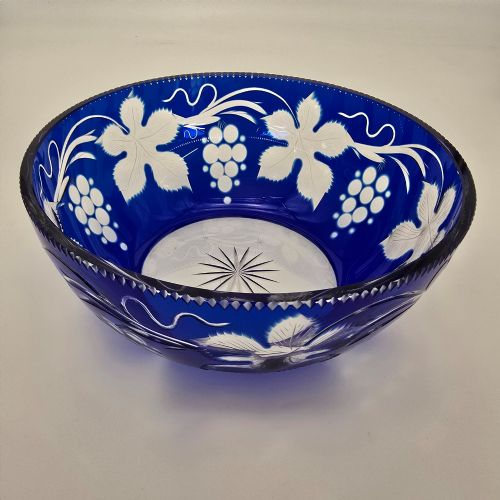
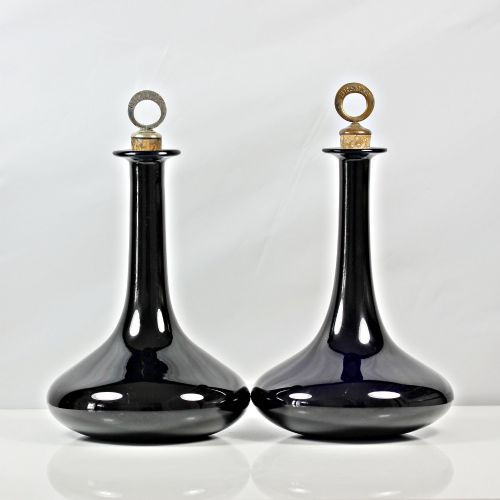
When you search for victorian cobalt glass, you encounter functional vessels and decorative objects produced across the nineteenth century, with strong representation from the Victorian era alongside William IV, Edwardian, and continental workshops.
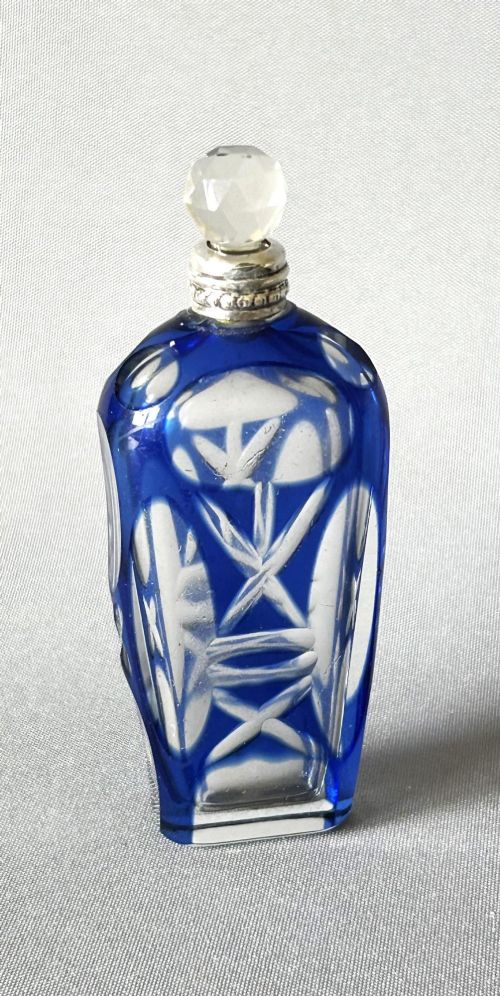
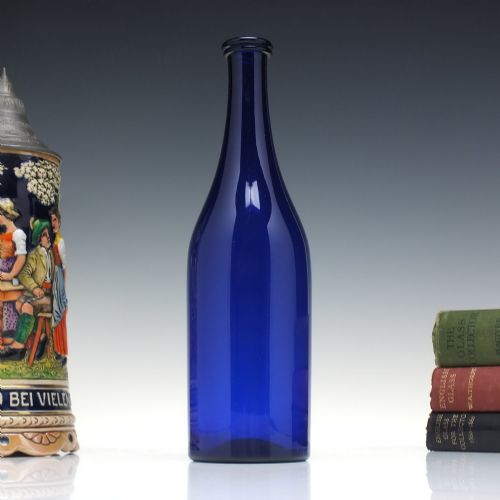
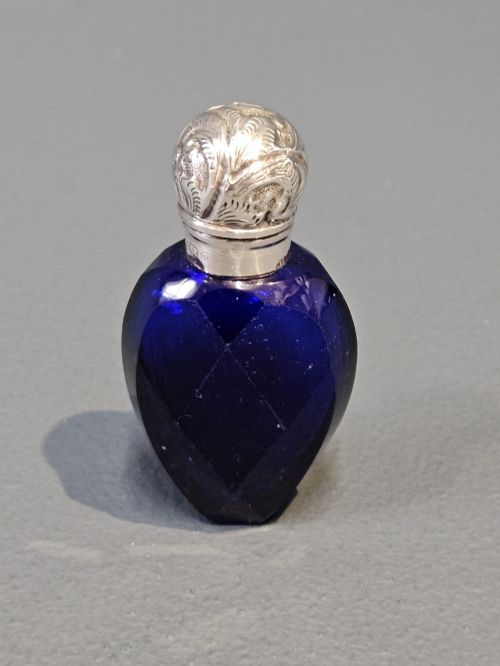
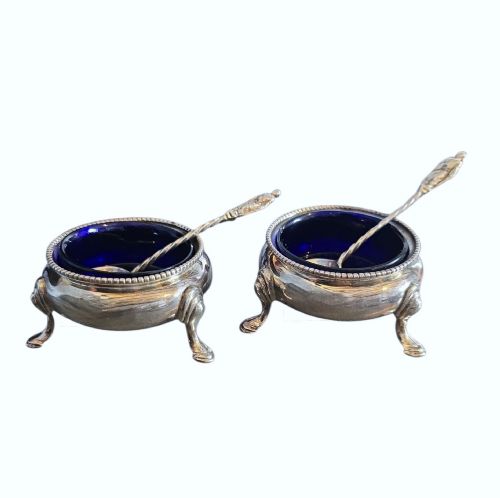
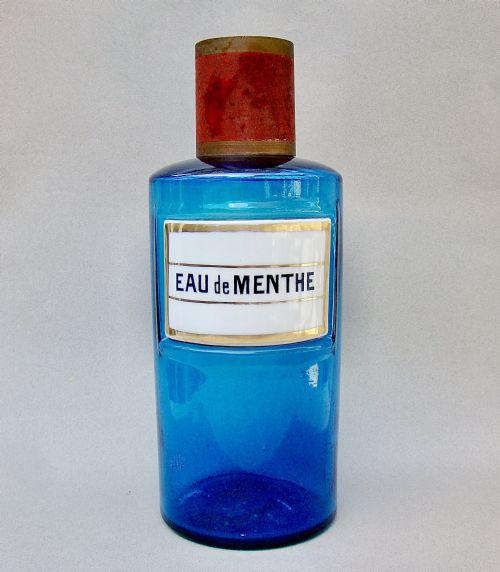
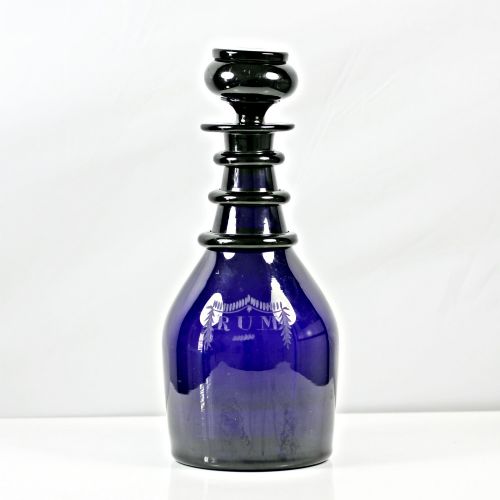
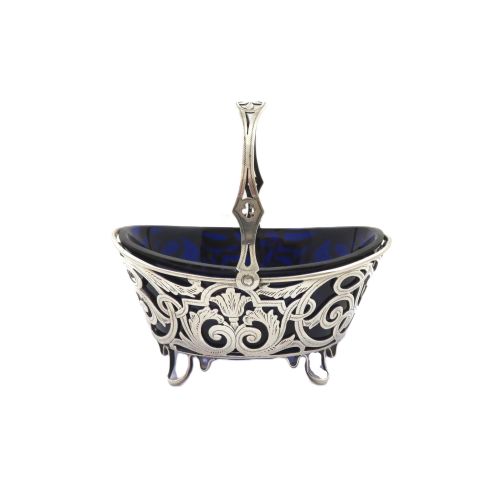
The pieces on this page span table decanters, salt cellars with sterling silver mounts, scent bottles, and apothecary jars with lollipop stoppers, reflecting both domestic dining and pharmacy use.
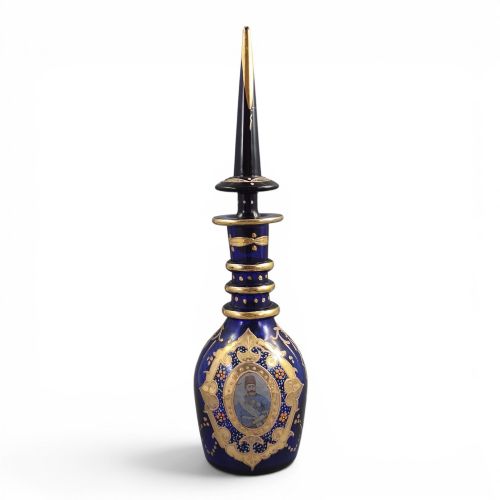
Origin points range from English Bristol blue production and Scottish glasshouses to Bohemian export wares destined for the Persian Qajar market and French nineteenth-century gilded mountings.
Materials and Technique
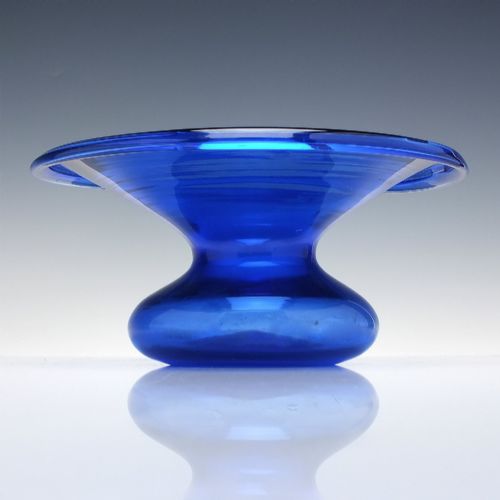
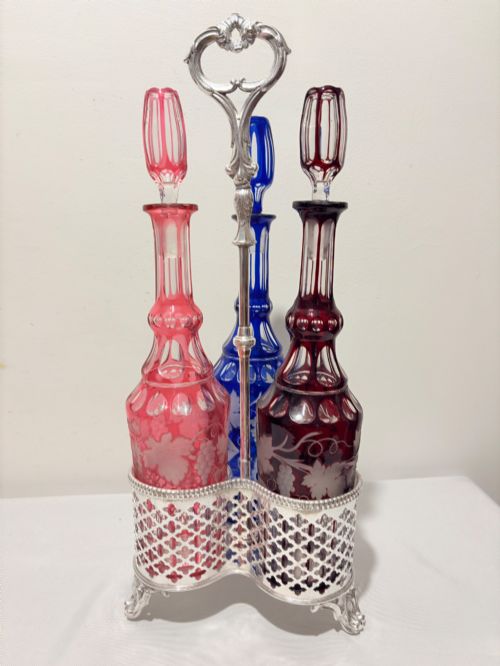
Makers produced these items using free-blown, mould-blown, and cut glass techniques, sometimes overlaying layers of glass before cutting back to reveal the deep blue body beneath.
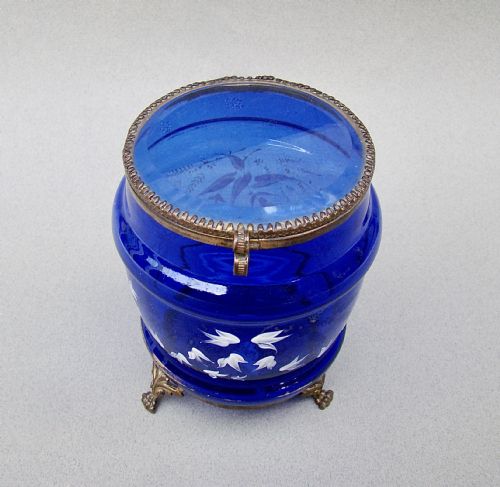
Many glass bodies incorporate applied metalwork, including sterling silver pierced mounts, silver plate, or gilt brass, alongside hand-applied enamel painting, gold leaf, and white enamel silhouettes.
Victorian Cobalt Glass Retail Price Guide 2026
Typical asking prices for victorian cobalt glass among the pieces listed under this phrase on Sellingantiques today, from the lower quarter to the upper quarter. They describe what is for sale here now, not the wider market.
Listings here feature glass from the Victorian period alongside William IV, Edwardian, and continental Bohemian makers.
The Upper Range
Quality rests upon the depth and clarity of the blue metal itself, the precision of hand-cut facets, and the crispness of applied enamel decoration or gilding.
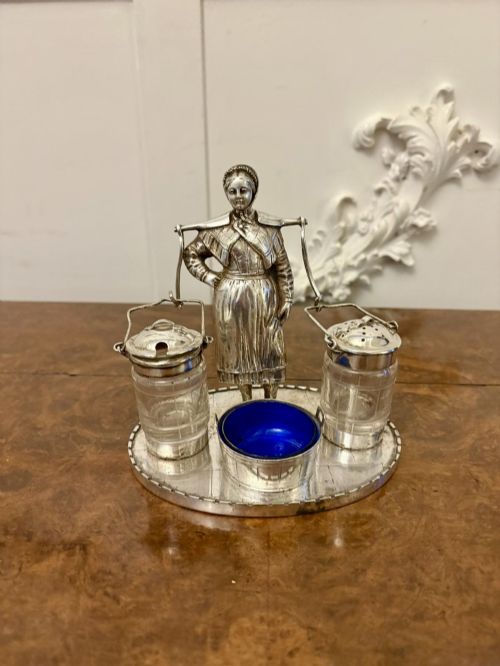
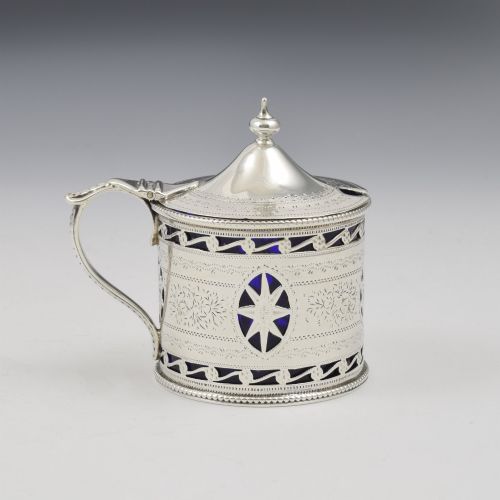
Pieces fitted with hallmarked sterling silver mounts, such as pierced mustard pots and cast handles by makers like Nathan & Hayes, demonstrate a higher tier of workshop collaboration.
Nathan & Hayes·Moser·Franchini & Bigaglia
The Victorian Cobalt Glass Glossary
- Bristol blue
- A deep cobalt glass traditionally associated with English glasshouses in the Bristol area during the eighteenth and nineteenth centuries. It gained popularity for serving and storing liquids.
- Overlay glass
- A technique where a layer of coloured glass is fused over a clear or contrasting glass body before being cut away to create patterns. This method adds depth and complexity to vases and decanters.
- Mary Gregory glass
- Glass decorated with white enamel silhouettes depicting Victorian children in pastoral settings. Named after an American decorator, though much of it originated in Bohemia.
- Mell decanter
- A specific nineteenth-century bottle form with a broad rounded body tapering towards the neck, frequently utilised for spirits. Examples appear in both English and Scottish glass.
- Lollipop stopper
- A heavy, flat, circular glass stopper resembling a lollipop, commonly found on nineteenth-century apothecary and chemist bottles. It creates a tight seal for contents.
Victorian Cobalt Glass: Frequently Asked Questions
What was cobalt glass used for?
Makers produced these deep blue vessels primarily for serving wine and spirits, storing medicines in apothecary settings, and holding condiments like mustard or salt at the dining table.
They also served decorative and personal functions, including dressing table jars, trinket boxes, scent bottles, and oil lamps for domestic illumination.
How do I identify Bristol blue glass?
Genuine nineteenth-century Bristol blue displays a rich, saturated cobalt tone that remains transparent when held to the light. It frequently exhibits pontil marks on the base from hand-blowing.
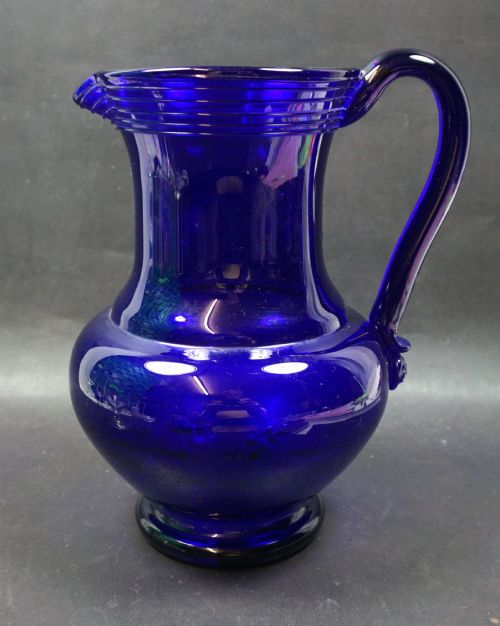
Many pieces also feature period additions such as three-ring necks on decanters or hand-gilded inscriptions for apothecary use.
Are silver mounts original to the glass?
Nineteenth-century salt cellars, mustard pots, and scent bottles often paired cobalt glass liners or bodies with hallmarked sterling silver mounts. Date letters on the silver provide a reliable marker for the age of the entire piece.
Silver-plated or ormolu mounts were similarly fitted by French and English workshops to elevate domestic tablewares.
How should I clean antique glass?
Wash pieces gently in warm water using mild soap, avoiding harsh scrubbing on gilded surfaces, enamelling, or painted figures like Mary Gregory designs.
Take care with silver or metal mounts, keeping moisture away from glued elements and drying thoroughly to preserve the finish.