



Antique Dining Table Glass
These antique dining table glass items combine functional tableware with decorative metalwork from the Victorian, Edwardian, and Georgian periods.
Antique Dining Table Glass
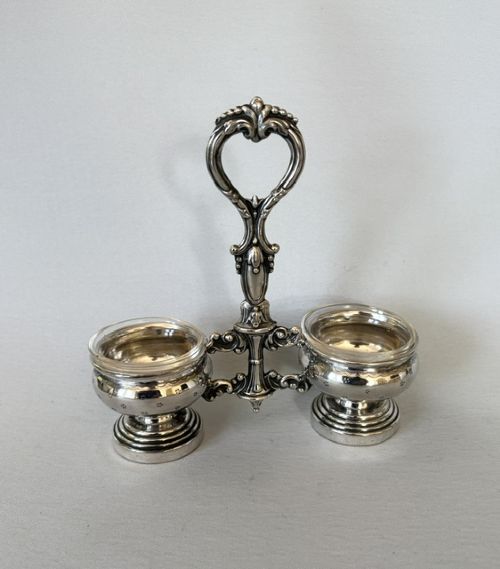
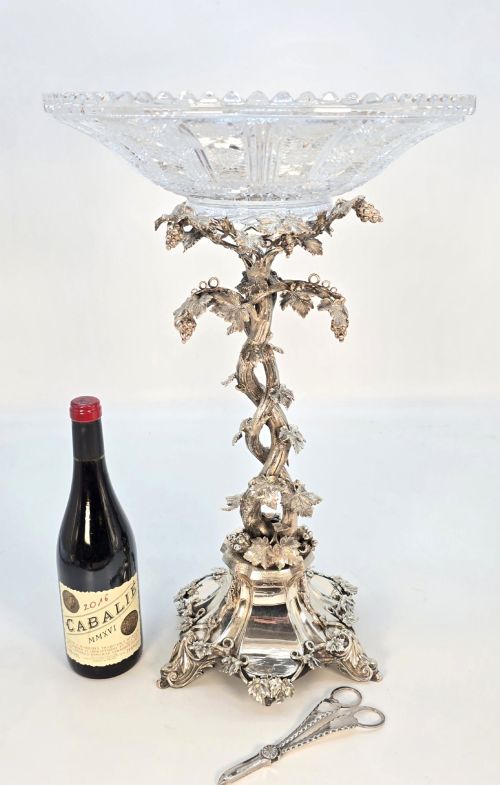
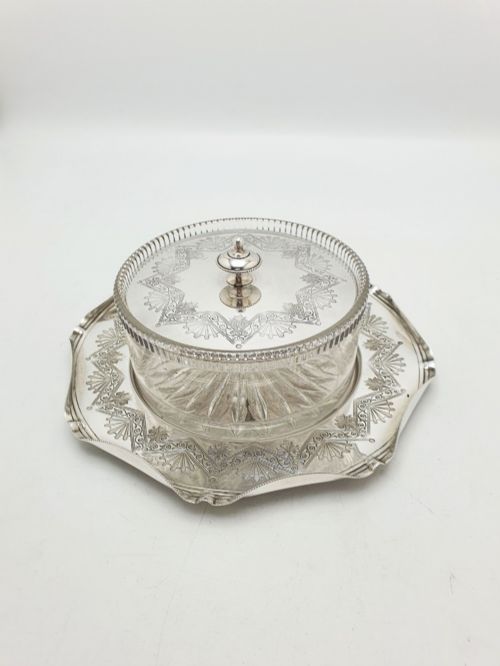
When buyers search for antique dining table glass, they encounter an array of tabletop accessories designed for formal dining. Cruet sets, centrepieces, finger bowls, and epergnes dominate the selection, spanning from the Georgian era through to the Art Deco period.
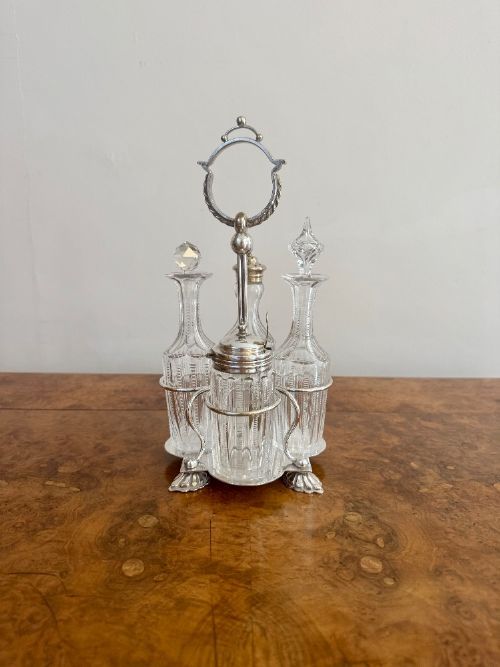
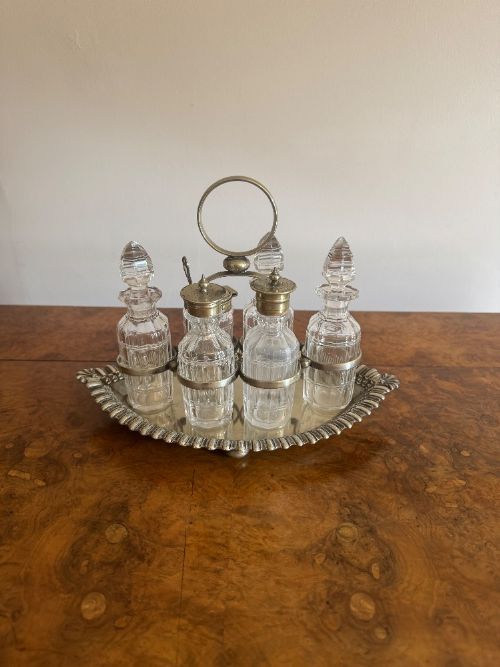
Cruet sets and multi-bottle condiment stands represent the most frequent items on this page, often pairing cut or clear glass containers with silver plate, sterling silver, or brass frames. Epergnes and finger bowls in ruby, cranberry, or etched glass also feature prominently.
The origins trace back to English and French workshops, utilising materials that reflect the refined social rituals of the nineteenth and early twentieth centuries.
Materials and Technique
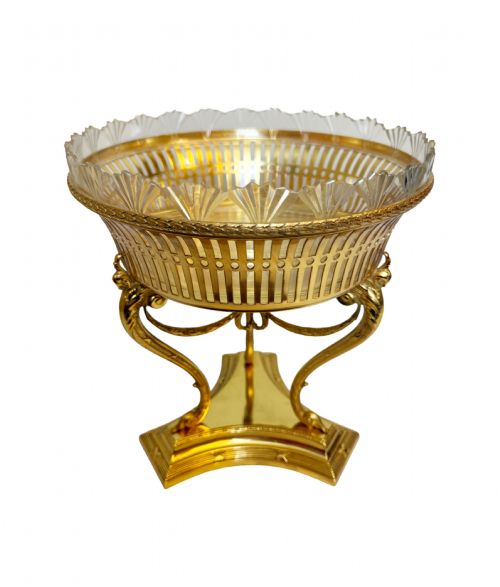
The physical construction of these pieces relies on the union of glass and metal. Cut glass, clear glass, cranberry glass, and cobalt glass are combined with sterling silver, silver plate, Old Sheffield plate, and gilt bronze.
Glass components are formed using cutting, etching, and moulding techniques to catch the light on the dining table. Metal mounts and stands are cast, chased, or plated to secure the glass vessels.
Antique Dining Table Glass Retail Price Guide 2026
Typical asking prices for dining table glass among the pieces listed under this phrase on Sellingantiques today, from the lower quarter to the upper quarter. They describe what is for sale here now, not the wider market.
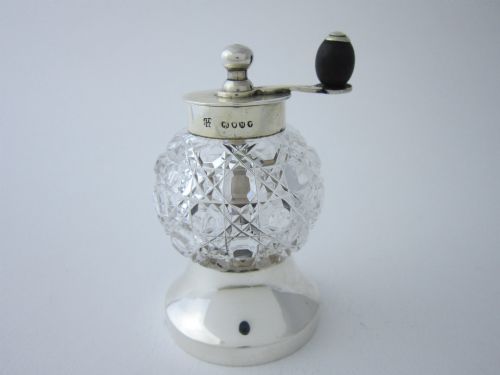
Dining tables gained personality through silver owl pepper pots watching over the evening meal.
Evaluating the Pieces
Quality separates through the crispness of the glass cutting and the weight of the metal framework. Pieces with deeply faceted crystal and substantial silver mounts demonstrate superior craftsmanship compared to lighter, pressed alternatives.
Completeness dictates standing within the category. Matched sets of bottles within a cruet stand or undamaged multi-flute epergnes retain greater integrity than those missing original components.
Walker & Hall·Charles Stuart Harris·Wade Wingfield Wilkins·Adie Brothers·Sampson Mordan
The Antique Dining Table Glass Glossary
- Cruet set
- A matched collection of glass bottles or cruets held in a metal stand for condiments, vinegar, and oil. These were placed centrally on the dining table for guests to serve themselves.
- Epergne
- A large ornamental centrepiece featuring a central bowl with multiple hanging branches or trumpets. They were traditionally filled with fruit, flowers, or sweetmeats during formal meals.
- Finger bowl
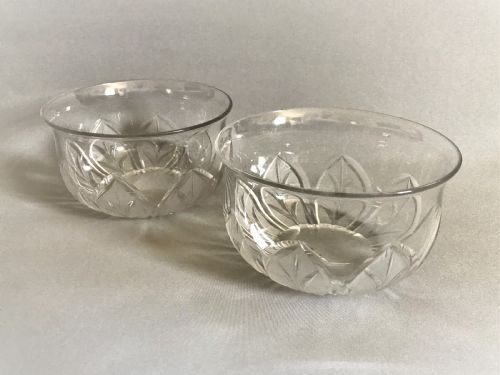
- A small bowl filled with water placed before a diner between courses to rinse the fingers. They frequently appear in sets of matching cut or etched glass.
- Old Sheffield plate
- A composite material made by fusing a thin sheet of silver to a thicker copper base. This technique preceded modern electroplating and leaves a distinctive edge where the copper shows.
- Silver plate
- A base metal, such as nickel silver or Britannia metal, coated with a thin layer of silver through electrolysis. Most Victorian cruet frames and centrepieces utilise this method.
Antique Dining Table Glass: Frequently Asked Questions
What is an epergne used for?
An epergne served as an elaborate table centrepiece during formal nineteenth-century dinners. Hosts used the central bowl and detachable trumpets to display flowers, fruit, or sweetmeats.
These tiered glass structures added height and visual drama to the dining room table layout.
Were cruet sets used daily?
Cruet sets were essential dining accessories for holding vinegar, oil, mustard, and pepper during formal meals. Guests used them to season food at the table before individual shakers became common.
They sat centrally or were passed among diners during multi-course lunches and dinners.
How do I care for antique glass?
Wash antique glass gently by hand in lukewarm water using mild detergent. Avoid sudden temperature changes to prevent cracking the old material.
Keep silver or brass mounts polished with a soft cloth while ensuring cleaning agents do not touch the glass surface.