




Victorian Coastal Seascape Painting
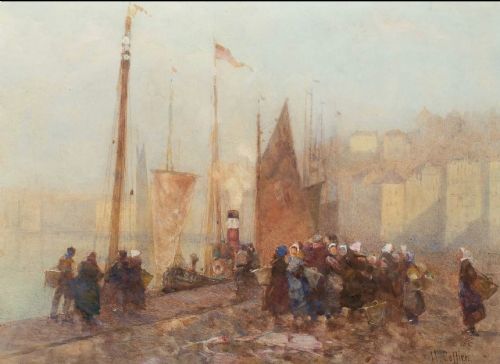
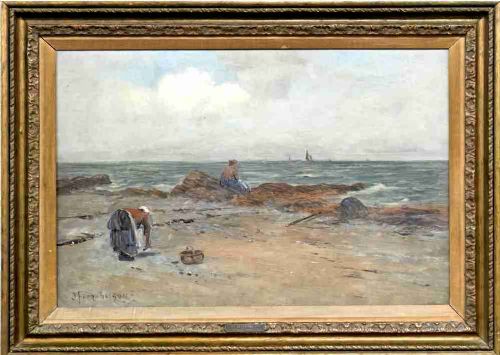
A victorian coastal seascape painting captures the motion of the tides and the daily toil of fishermen along nineteenth-century shores.
Victorian Coastal Seascape Painting
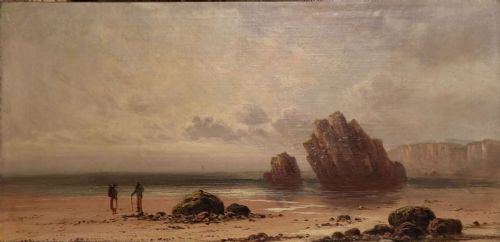
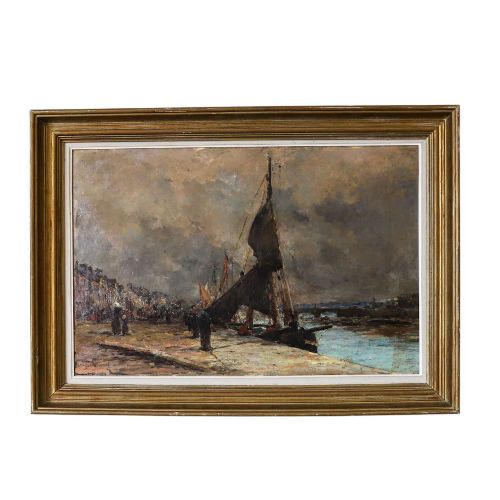
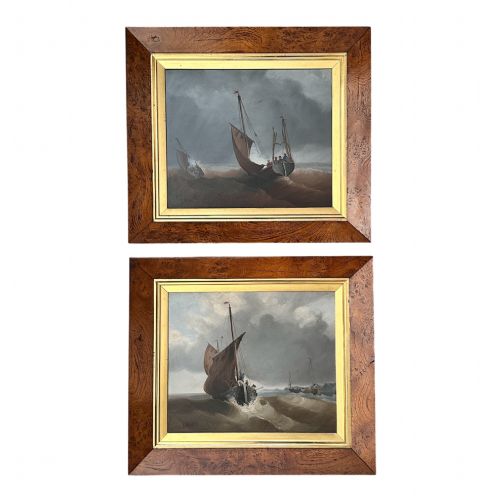
A victorian coastal seascape painting usually records specific British harbours, fishing fleets at work, and stormy or calm maritime views from the nineteenth century.
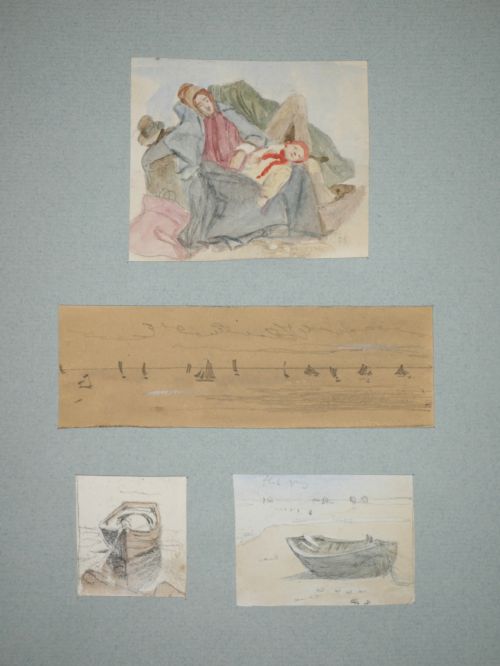
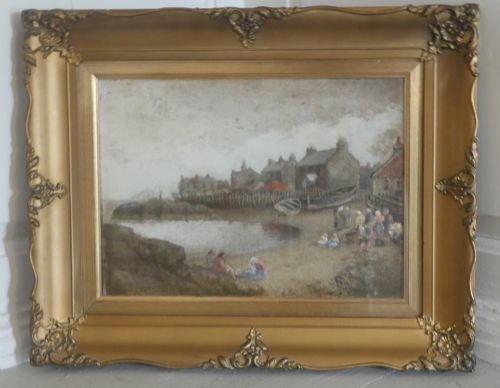
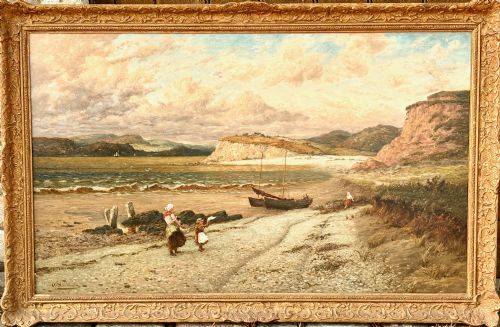
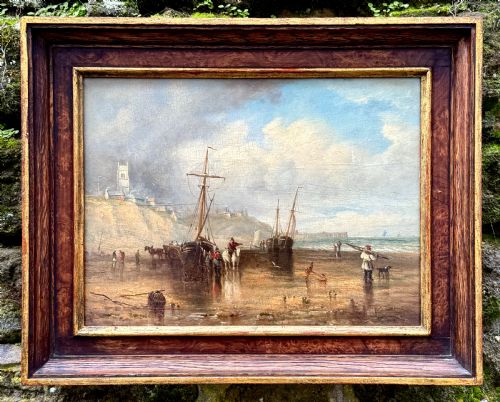
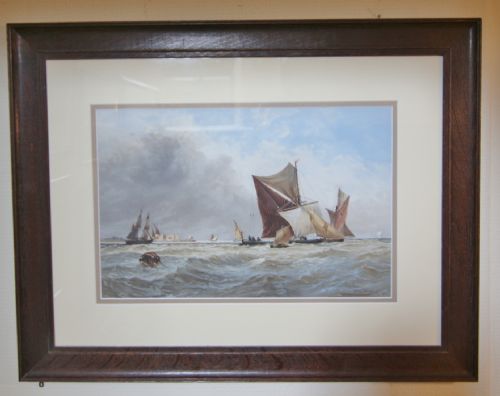
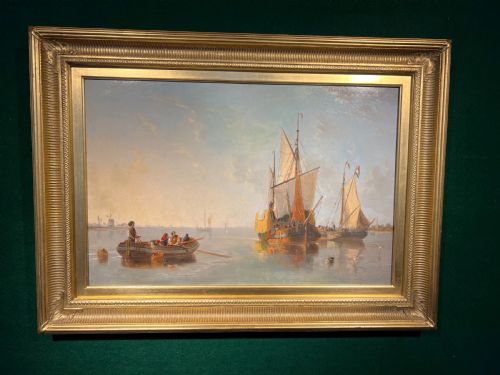
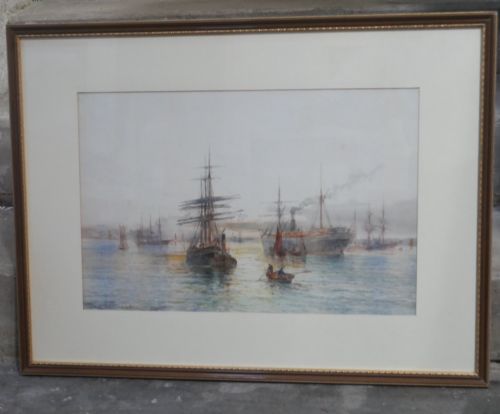
Most examples found on this page take the form of framed oil paintings on canvas or board, alongside detailed watercolours on paper depicting recognizable coastal towns.
Subjects range from tranquil estuaries in Norfolk and Devon to dramatic shipping scenes off Scarborough and the Isle of Man, created during the Victorian and Edwardian eras.
Materials and Technique
Painters relied principally on oil paint applied to canvas or wood panels, or transparent watercolours worked onto heavy paper sheets.
Gilt wood frames frequently enclose these works, preserving the painted surface and adding the traditional decorative weight expected of nineteenth-century fine art.
Listings feature works spanning the nineteenth century up to 1910, utilising oil on canvas, watercolour, and card supports.
Judging Quality
The success of a piece rests on the artist's ability to render the weight of water, the play of light on coastal surfaces, and the accurate rigging of vessels.
Works by listed nineteenth-century professionals demonstrate a surer handling of atmospheric perspective and maritime architecture than anonymous or provincial school pieces.
John Wilson Carmichael·Thomas Bush Hardy·Abraham Hulk I·Bernard Benedict Hemy·John Moore of Ipswich
The Victorian Coastal Seascape Painting Glossary
- Seascape
- A work of art depicting the sea, coastal views, or marine shipping. These pieces often focus on the interaction between vessels and coastal weather.
- Watercolour
- A paint consisting of water-soluble pigments used on paper supports. Artists utilised this medium for its translucent qualities in capturing coastal light.
- Gilt wood
- Wood carved and covered with a thin layer of gold leaf. This material forms the traditional framing surrounding nineteenth-century paintings.
- Maritime
- Relating to the sea, shipping, and navigation. This descriptor applies to scenes centred on harbours, docks, and seafaring vessels.
Victorian Coastal Seascape Painting: Frequently Asked Questions
What subjects appear in these paintings?
Artists painted working fishing boats, harbour entrances, stormy seas, and quiet beaches along the British coastline. Many works record specific locations such as St Ives, Scarborough, and Dublin Bay.
Compositions often highlight maritime commerce, local shipping, and the changing atmospheric conditions of nineteenth-century coastal life.
How should I frame an old painting?
Traditional gilt wood frames complement the period aesthetic and protect the edges of the canvas or paper support. Original frames often bear the marks of nineteenth-century gilding techniques.
Ensure any replacement framing utilises conservation materials to prevent moisture accumulation and chemical damage to the artwork.
Are watercolours different from oils?
Watercolours utilise pigments suspended in a water-based solution applied to paper, typically requiring glass protection. Oil paintings use slow-drying mediums on canvas or wood boards, allowing for heavier impasto and texture.
Oils generally display greater durability against light exposure, while watercolours require careful placement away from direct sunlight.
How do I identify the period?
Stylistic clues, costume details on figures, and the rigging of depicted vessels help date these maritime artworks. Many pieces bear signatures, dates, or inscription labels on the reverse.
Purchasing records and framing styles also offer reliable indicators of nineteenth-century origin.