




Victorian Church Lectern
A victorian church lectern brings heavy timber and brass into a room, designed to hold large books with imposing architectural presence.
Victorian Church Lectern
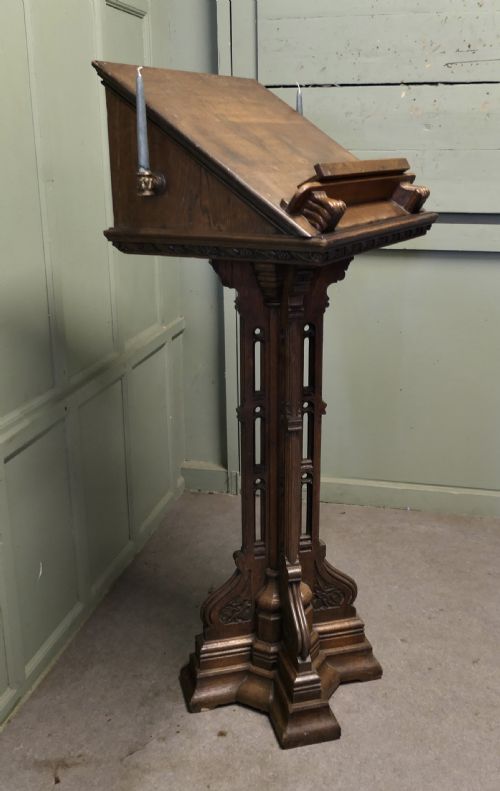
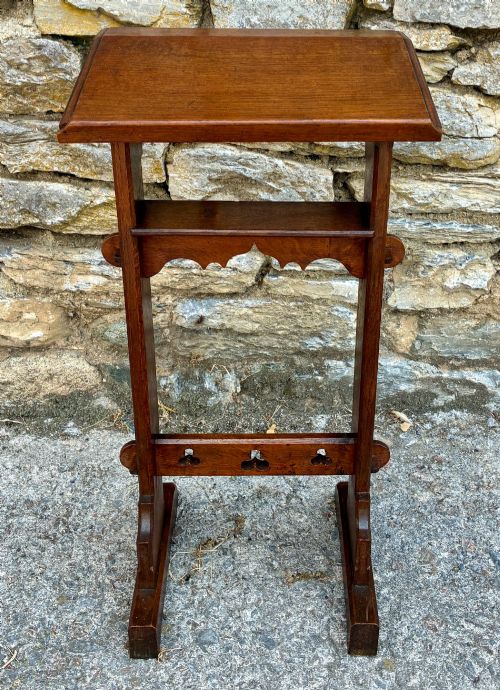
A victorian church lectern is a sturdy piece of ecclesiastical furniture designed to hold service books for reading aloud in a parish setting. When you search for a victorian church lectern, you encounter substantial forms rooted in the Gothic Revival style, alongside smaller reading stands and prayer desks.
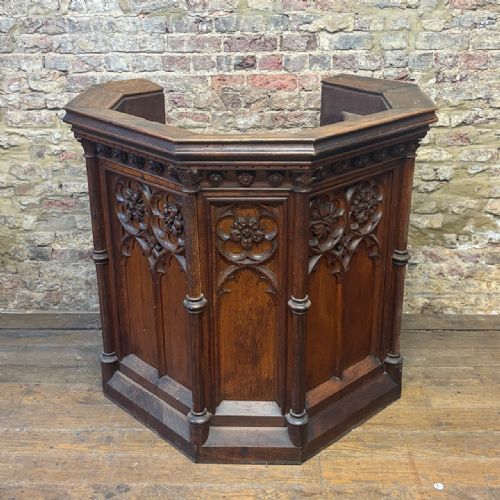
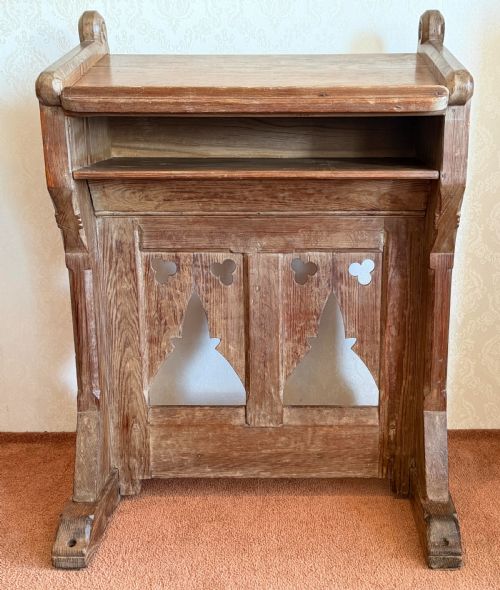
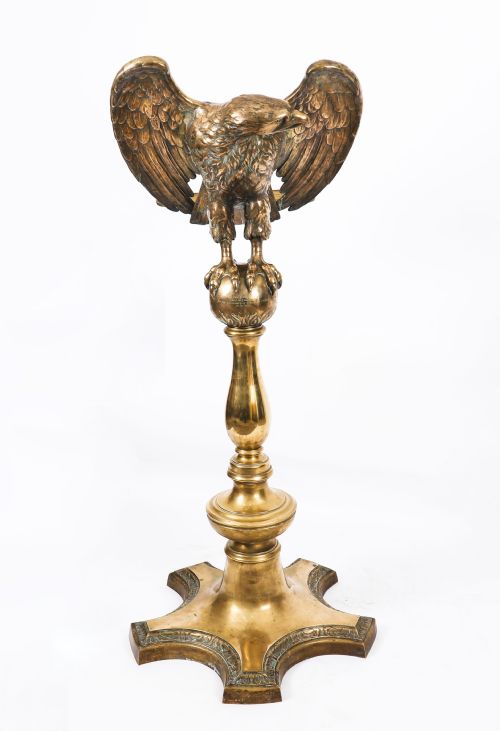
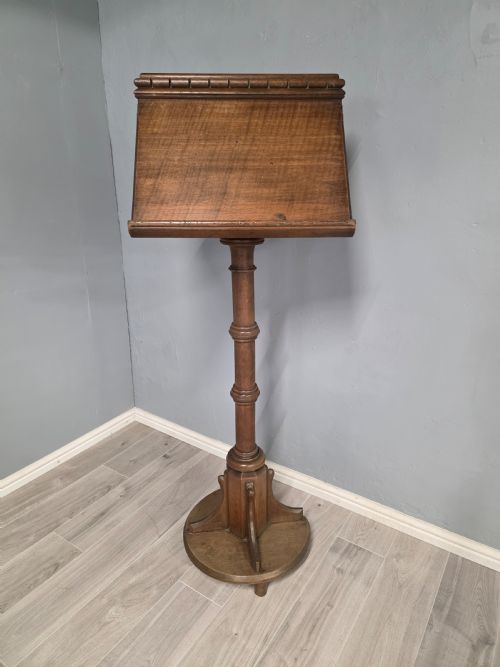
The majority of pieces met on this page are carved from oak, often bearing the sharp arches and tracery characteristic of Victorian ecclesiastical design. Brass examples also appear, including winged figures and adjustable book rests designed for liturgical use.
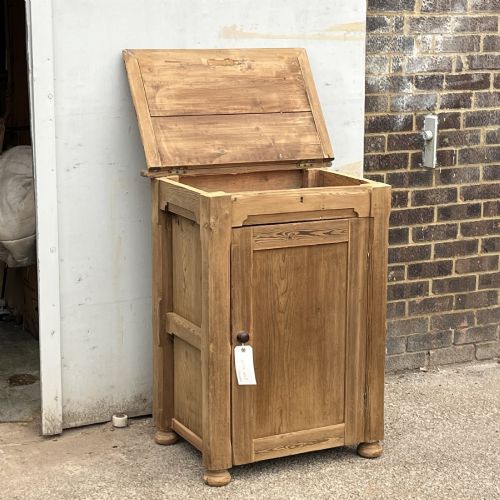
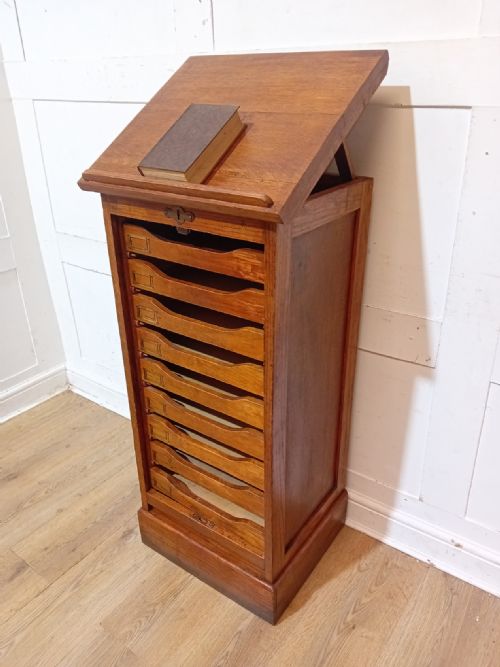
Beyond standard church lecterns, the evidence shows related forms such as pulpits, reading podiums, and prayer desks adapted for modern interiors. These items span the nineteenth century through the early twentieth century, reflecting varied interpretations of Gothic Revival architecture.
Materials and construction methods
Makers relied primarily on solid oak and cast brass, materials chosen for durability and visual weight in large ecclesiastical interiors. Oak components were frequently hand-carved with deep linenfold panels, tracery, and religious motifs.
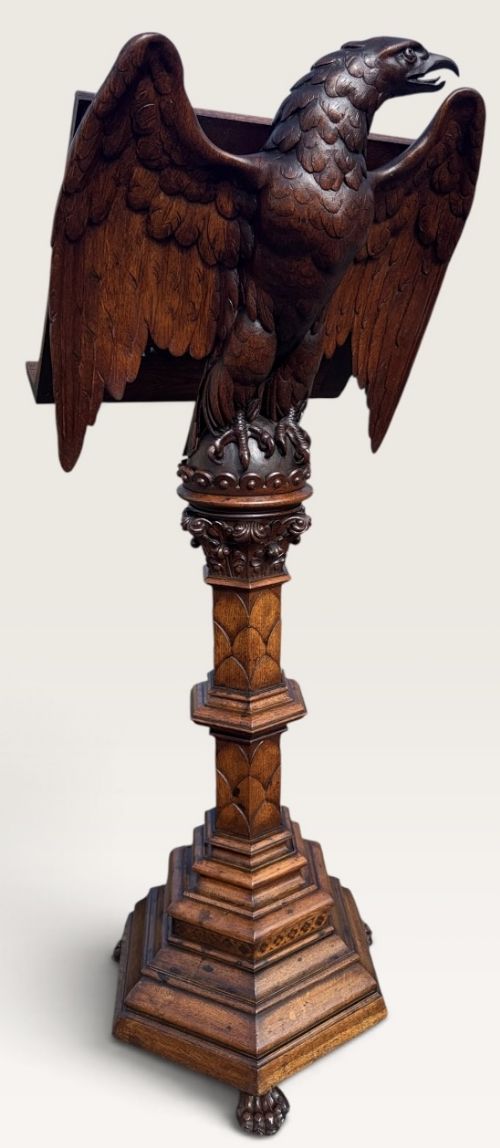
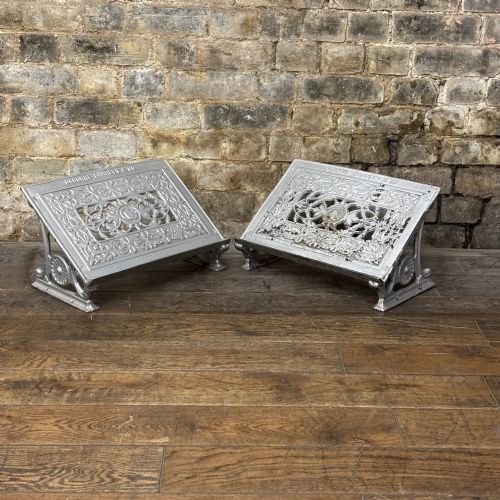
Brass work involved casting and polishing, seen in adjustable book rests and prominent eagle lecterns standing on sturdy pedestals. Cast iron also appears in functional book rests, providing rigid support for heavy service volumes.
Victorian Church Lectern Retail Price Guide 2026
Typical asking prices for victorian church lectern among the pieces listed under this phrase on Sellingantiques today, from the lower quarter to the upper quarter. They describe what is for sale here now, not the wider market.
The listings on this page span oak, brass, cast iron, and pine, reflecting both ecclesiastical furnishings and domestic adaptations.
Evaluating craftsmanship and proportion
Quality in these pieces rests upon the depth and precision of the wood carving, where crisp architectural details distinguish standard workshop output from finer ecclesiastical commissions. Heavy solid oak construction and integrated brass mechanisms indicate superior construction compared to simpler assemblies.
Proportion and scale also dictate the value of a piece, with taller standing lecterns and detailed eagle figures demanding greater sculptural skill. The integration of brass mounts and the condition of the original timber finish complete the assessment of a well-made item.
Osborne Garrett Co
The Victorian Church Lectern Glossary
- Gothic Revival
- An architectural and decorative style popular during the nineteenth century that revived medieval forms such as pointed arches and trefoils. This aesthetic defines the ornamentation found on most church furniture from the period.
- Eagle lectern
- A reading stand featuring a brass or wooden bird with outstretched wings supporting the book rest. The eagle represents Saint John the Evangelist in Christian tradition.
- Prayer desk
- A low piece of furniture incorporating a sloping shelf for books and a padded kneeling rail. These items were used for private devotion in ecclesiastical or domestic spaces.
- Tracery
- Openwork ornamentation of stone or wood forming patterns of intersecting lines. It appears frequently on the panels of pulpits and lecterns.
Victorian Church Lectern: Frequently Asked Questions
How were church lecterns originally used?
These stands held heavy bibles and service books so clergy could read lessons to the congregation during liturgical services.
Their elevated position ensured the reader's voice carried clearly across large ecclesiastical spaces.
What woods were commonly used?
Oak is the predominant timber found in these pieces, valued for its strength and suitability for deep carving.
Pine and other secondary woods occasionally appear in hidden structural elements or specific regional furniture.
How do I date a piece?
Dating relies on stylistic markers such as Gothic Revival motifs, construction joints, and the wear patterns on the timber.
Nineteenth-century examples often display hand-carved details that evolved into simpler forms by the early twentieth century.
Can these fit in a home?
Many smaller reading stands, podiums, and adapted lecterns integrate easily into domestic interiors as book displays or hall furniture.
Larger standing examples require substantial floor space and high ceilings to match their architectural presence.