
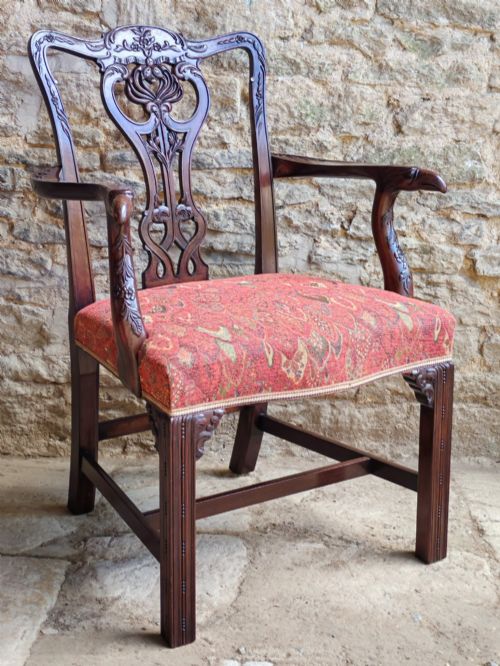

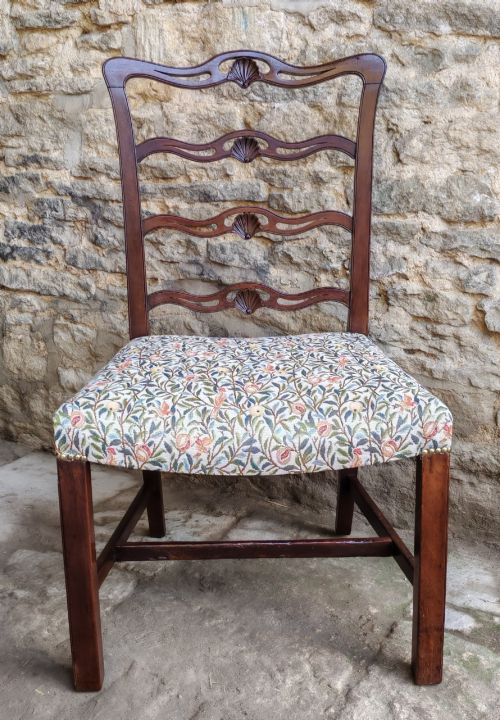
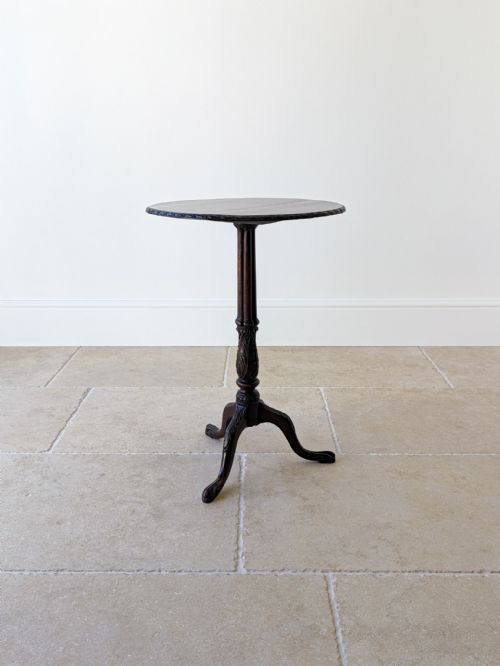
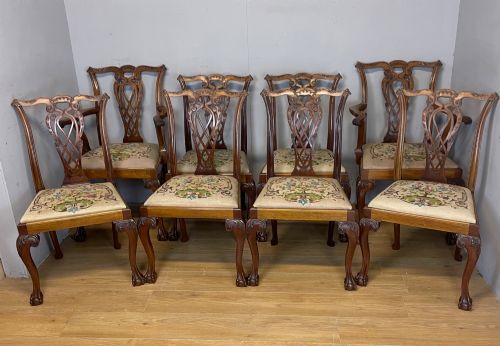
Victorian Chippendale Revival
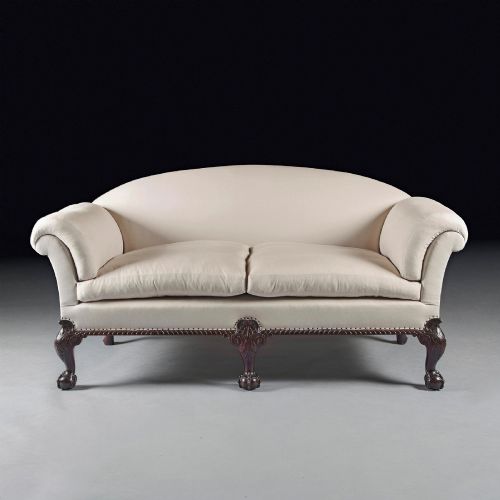
The Victorian Chippendale revival movement brings forward 18th-century grandeur through robust mahogany seating, carved mirrors, and display cabinets tailored for late-Victorian interiors.
Victorian Chippendale Revival
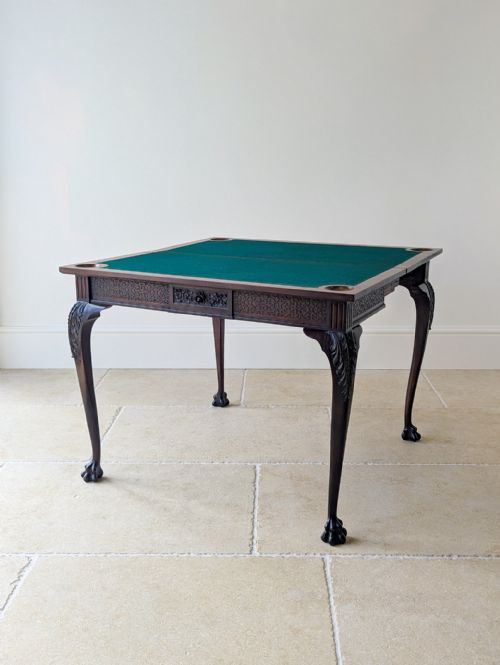
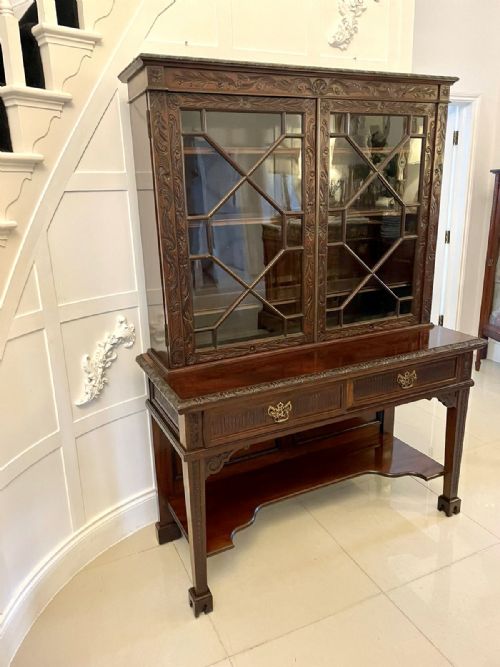
Alongside seating, the category encompasses display cabinets, partners desks, games tables, and wall mirrors adorned with classic motifs. Dining sets frequently appear in larger groupings, reflecting the scale of Victorian entertaining.
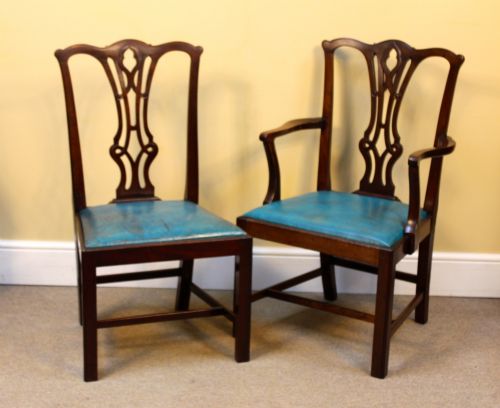
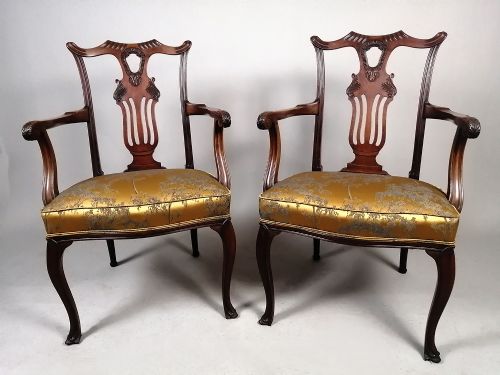
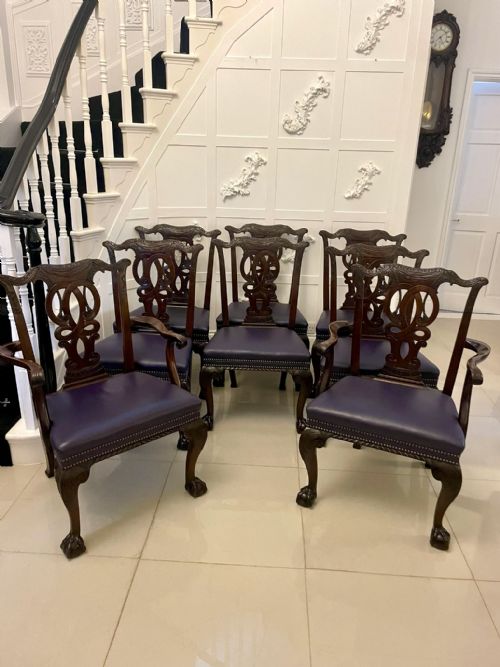
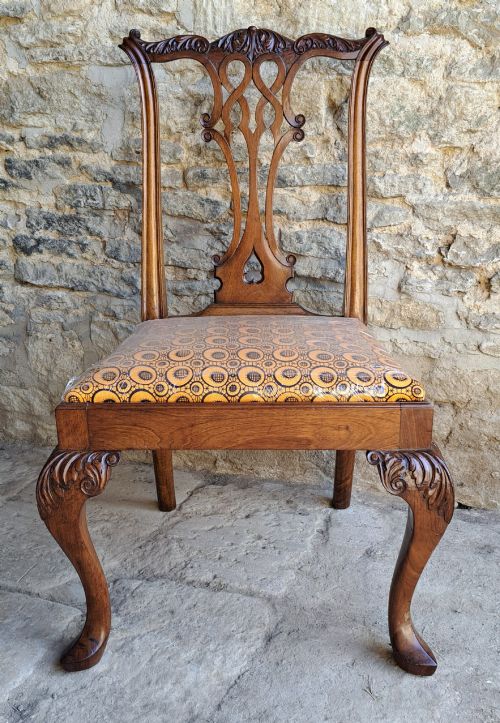
Makers of this era adopted fluid ribbon backs, substantial ball and claw feet, and intricate pierced splats. The resulting furniture balances historical reverence with the heavier proportions favoured by Victorian households.
How they were made
Makers relied heavily on solid mahogany, frequently utilising Cuban timber for its density, alongside burr walnut for decorative cabinet surfaces. Brass hardware, glass panels, and leather or tapestry inserts completed the construction of tables and seating.
Joinery techniques combined traditional hand-carved ornamentation with the precision of late-nineteenth-century workshop machinery. Upholstered elements utilised original textile seats, horsehair stuffing, or contemporary fabric layers.
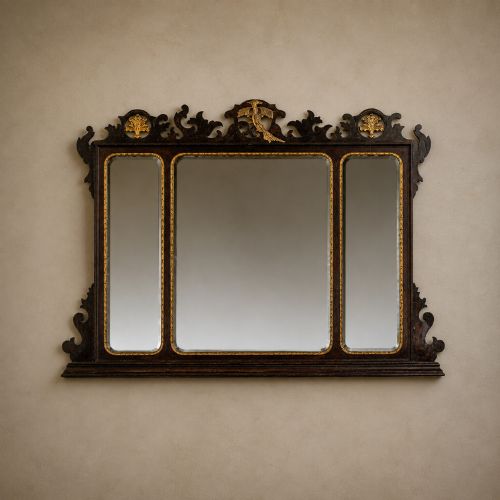
Watch closely for carved Ho-Ho birds perched atop towering overmantel mirrors, keeping a watchful eye over the Victorian parlour.
What varies in quality
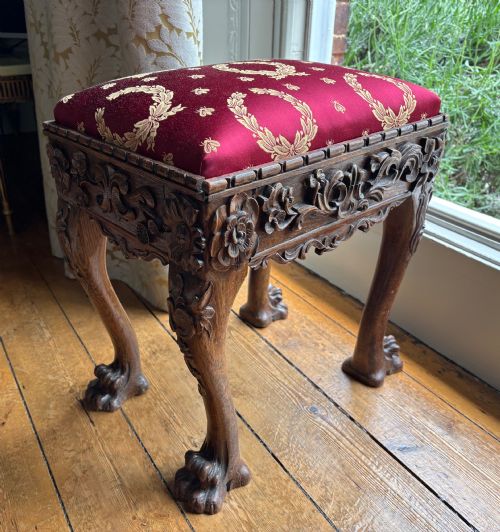
The standard of carving defines the distinction between standard production pieces and exceptional workshop commissions. Crisp relief work on ribbon backs and deeply articulated ball and claw feet indicate superior craftsmanship.
Selection of timber also determines value, with figured mahogany and well-matched burr veneers marking out the finest desks and display cabinets. Maker attribution through stamps or labels further elevates specific dining suites and armchairs.
Howard and Sons·Warings·James Shoolbred and Co·James Winter and Sons·Edwards and Roberts
The Victorian Chippendale Revival Glossary
- Ball and claw
- A furniture foot carved to resemble a bird's talon clutching a ball, commonly found on chair legs within this revival period.
- Carver
- An armchair designed for the head of a dining table, typically matching a surrounding set of side chairs.
- Splat
- The vertical central strip of wood in the back of a chair, frequently pierced and intricately carved in revival pieces.
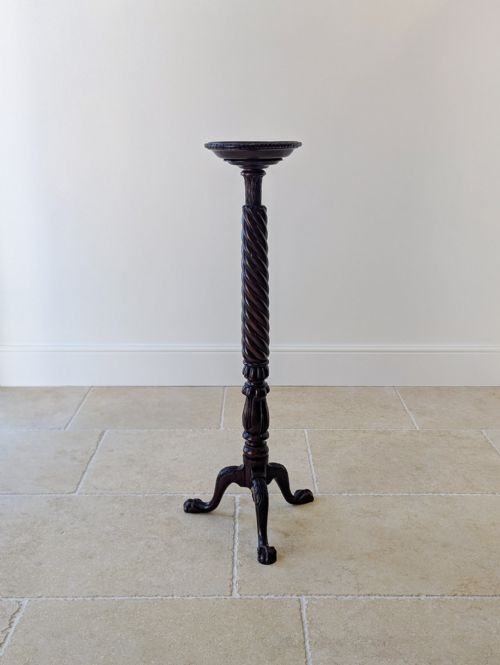
- Torchère
- A tall, slender stand used for holding a lamp or decorative ornament, produced in matching revival styles.
- Triptych
- A three-sectioned overmantel mirror configuration, often featuring cresting details such as the Ho-Ho bird.
Victorian Chippendale Revival: Frequently Asked Questions
How do I identify a true revival piece?
Examine the timber density and the depth of the hand-carving on the splats and legs. Revival pieces from the nineteenth century utilise period-appropriate mahogany and construction methods distinct from later reproductions.
Look for workshop stamps or retailer signatures on the underside of chair rails or within cabinet drawers to confirm period attribution.
Were these chairs made in large sets?
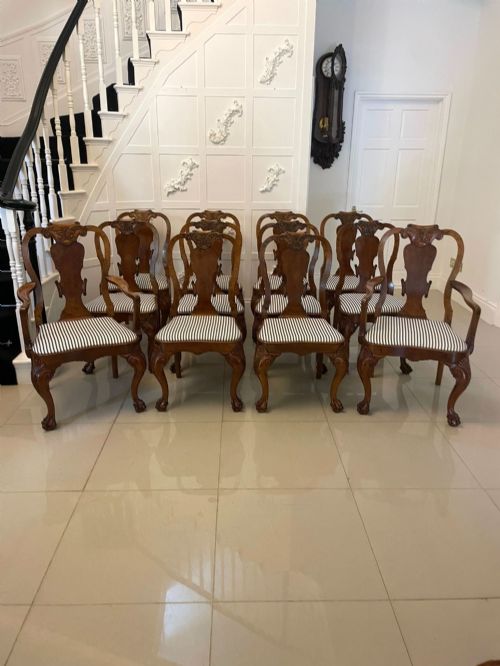
Cabinet makers frequently produced dining seating in unified groups ranging from six to twelve chairs, often including matching carvers. These extended sets catered to formal Victorian dining requirements.
Matching suites remain highly sought after by collectors furnishing period dining rooms today.
What is the difference between Chippendale style and Chinese Chippendale?
Standard Chippendale revival pieces focus on classical European motifs such as ball and claw feet, ribbon backs, and interlaced splats. Chinese Chippendale incorporates lattice fretwork, pagoda silhouettes, and exotic bird crestings.
Both aesthetic directions flourished concurrently during the late Victorian era across mirrors, display cabinets, and seating.
How should I care for mahogany surfaces?
Maintain the timber by dusting regularly with a soft, dry cloth and avoiding direct sunlight to prevent fading. Apply quality beeswax sparingly to nourish the grain without building up residue.
Protect leather inserts and original tapestry seats from moisture and sharp objects during daily use.