
Brown Upholstered Carver
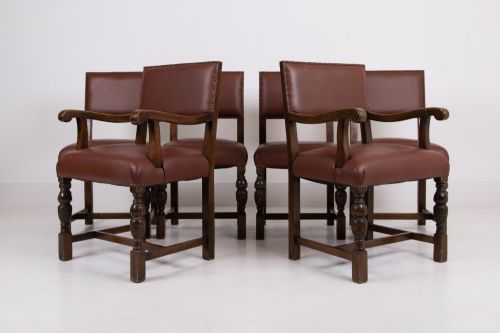
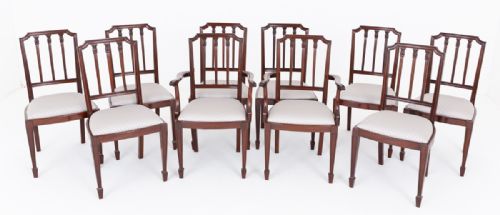
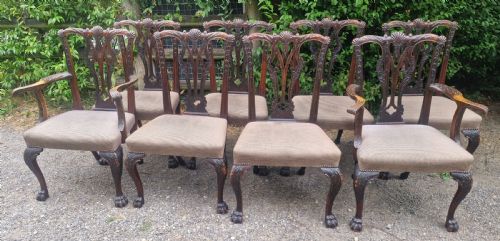
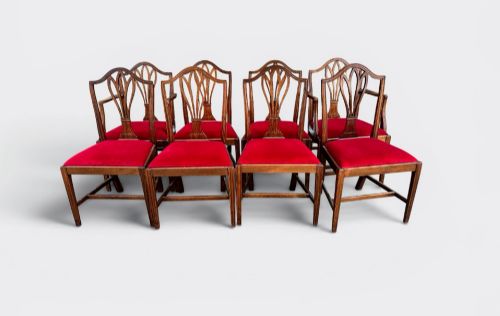
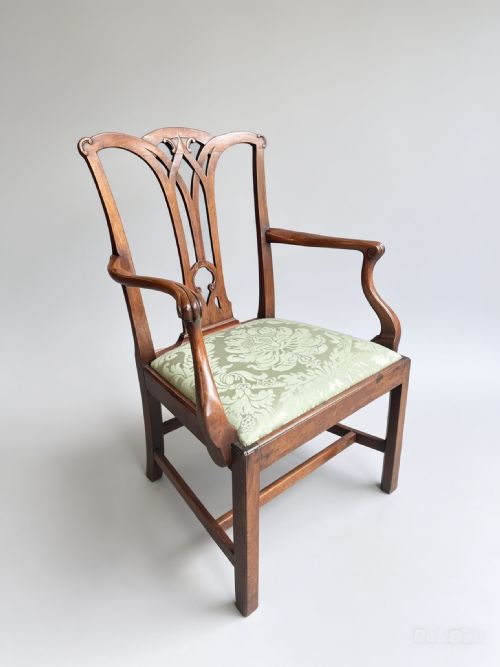
Brown upholstered carver chairs provide sturdy armrests and comfortable seating, bringing traditional timber frames together with tactile textiles for the dining table.
Brown Upholstered Carver
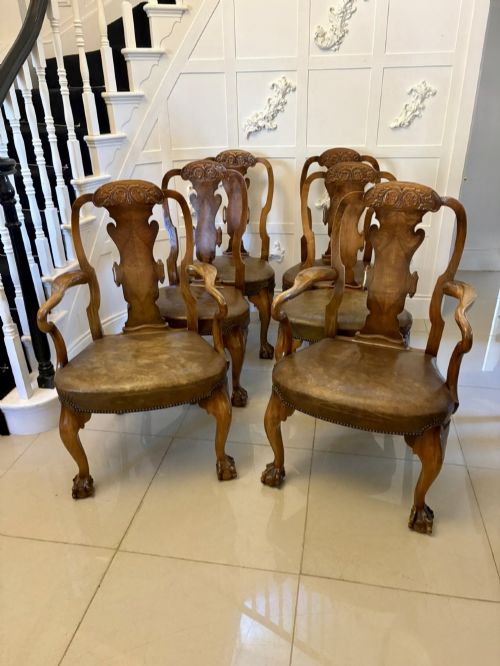
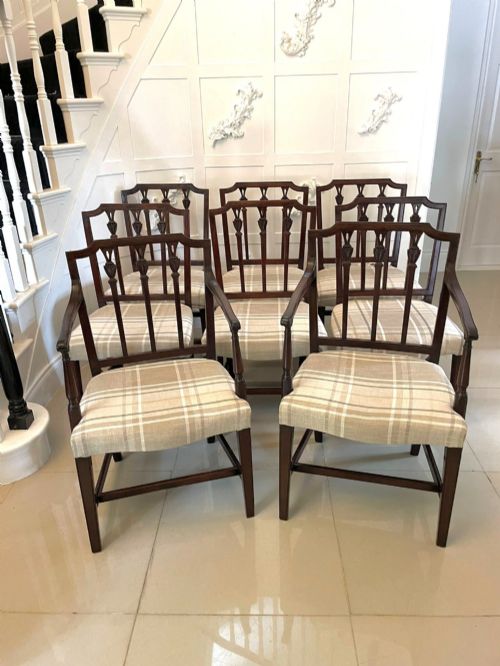
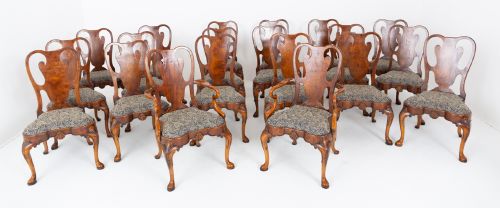
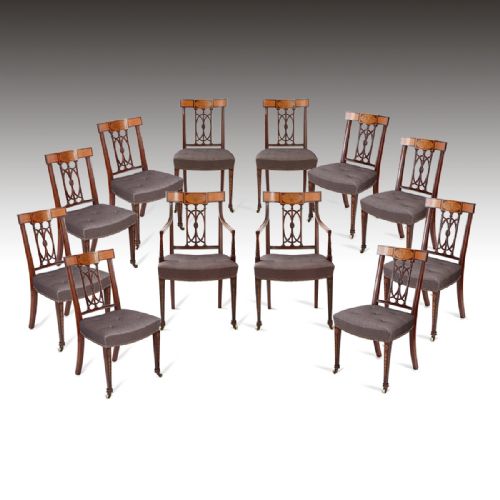
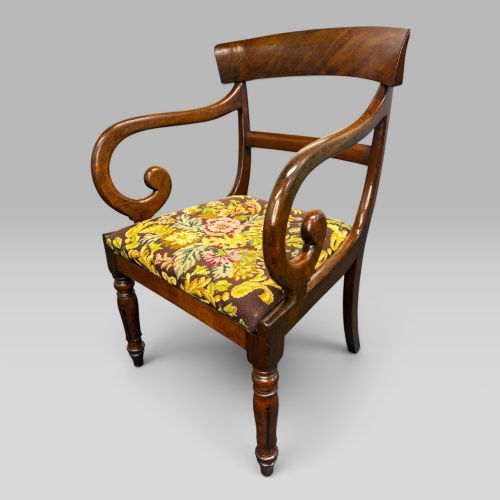
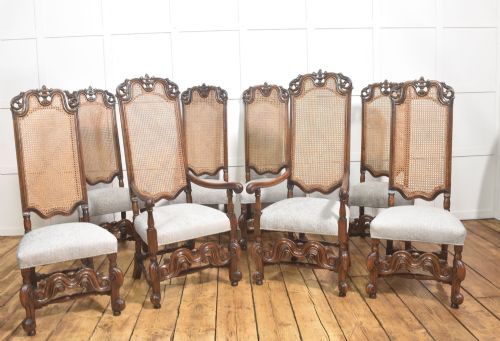
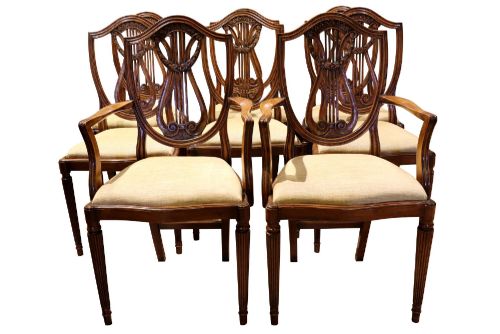
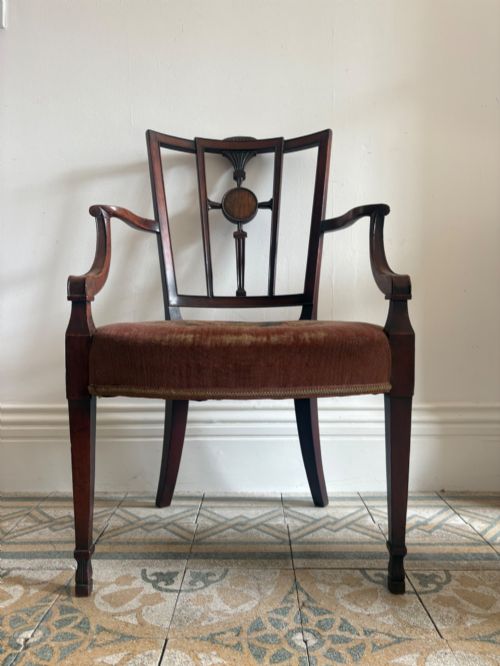
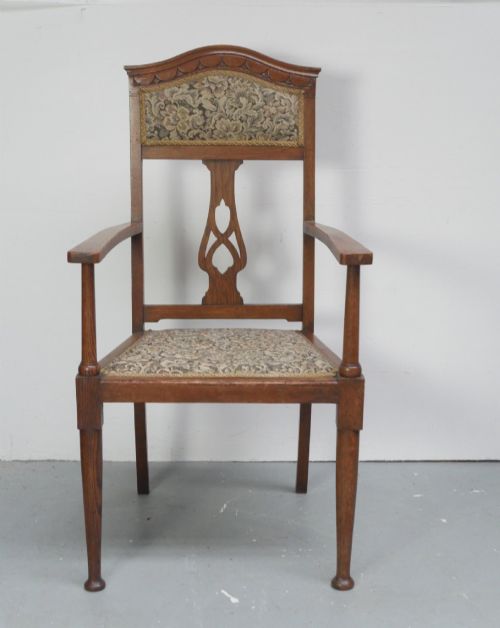
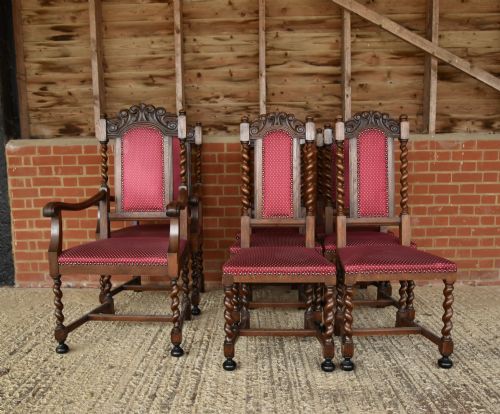
When searching for a brown upholstered carver, a buyer looks at single armchairs and elbow chairs designed to sit at the head of a dining table. These seating forms appear across various historic periods, including the eighteenth and nineteenth centuries, alongside revival styles from the early twentieth century. The timber frames commonly feature dark hardwoods paired with padded seats.
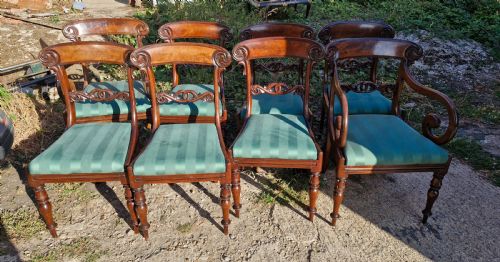
The version most frequently met on this page is the nineteenth-century mahogany or walnut carver chair. These pieces often arrive with supportive armrests and newly upholstered seat pads covered in traditional fabric or leather. They derive their overarching design language from Georgian, Regency, and Victorian cabinet-making traditions.
How they were made
Constructed primarily from dense hardwoods like mahogany and walnut, these chair frames rely on traditional joinery methods such as mortise and tenon. Cabinet makers shaped the timber using hand tools to create curved armrests, carved backs, and sturdy legs. Secondary timbers sometimes appear in the internal frame construction.
Upholstery materials include traditional textile fabrics, leather, and brass detailing used for tacking and decorative accents. Makers secured the padding over webbing or stuffed foundations within the seat frame to ensure firm support. The combination of polished wood surfaces and tactile fabric defines the physical presence of each piece.
A solitary mahogany carver stands ready for the head of the table, asking only for a good book and a stout reader.
What varies in quality
The standard of timber selection and carving depth sets the baseline for quality among these carver chairs. Finer examples display richly figured grain patterns in the mahogany or walnut, paired with crisply executed hand-carved details along the back splats and arm terminals. Lower tiers utilise simpler construction and plain timber boards with minimal embellishment.
The integrity of the frame construction and the execution of the upholstery dictate the overall structural standard. Superior pieces retain tight joints and balanced proportions without excessive timber shrinkage or modern metal brackets. The quality of the textile application and the underlying padding finish determine how well the chair holds its form over decades of use.
Gillows·Wheelers of Arncroach
The Brown Upholstered Carver Glossary
- Carver chair
- An armchair designed with open sides to accommodate the formal dress of earlier centuries, typically placed at the ends of a dining table. This form provides supportive armrests while matching the surrounding side chairs.
- Elbow chair
- An alternative term for a dining armchair featuring lower or shorter arm supports. These pieces fit neatly beneath standard table heights.
- Shield back
- A chair back design shaped in the outline of a heraldic shield, popularised during the late eighteenth century. This style often incorporates carved splats such as wheat ears or drapery.
- Sabre leg
- A concave curving leg that tapers toward the foot, characteristic of Regency furniture design. This form draws inspiration from classical Greek and Roman archetypes.
- Splat
- The vertical central strip of wood within a chair back that connects the seat to the top rail. Carvers often embellish this component with pierced carving or inlay.
Brown Upholstered Carver: Frequently Asked Questions
How do I spot a Regency chair?
Regency chairs typically display classical restraint, often incorporating reeded legs, sabre supports, and dark mahogany timbers. The styling looks to ancient architectural motifs for inspiration.
Look for clean lines and understated brass or wood accents rather than heavy carving.
Are these chairs comfortable?
Most of these carver chairs provide firm support through traditional webbing and padded seat upholstery. The addition of armrests adds physical ease during extended sitting.
Many listings feature newly updated upholstery while retaining the historic timber frames beneath.
How do I care for mahogany?
Mahogany furniture requires protection from direct sunlight and sudden humidity changes to prevent the timber from drying out. Regular dusting with a soft, dry cloth preserves the polished surface.
Avoid placing these chairs near heat sources that might warp the historic wood.