



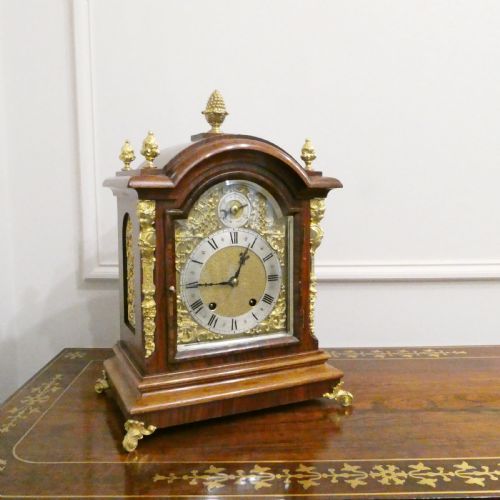
Victorian Chime Clock
A victorian chime clock brings mechanical timekeeping and layered musical sound into a room through pendulum movements and chiming trains.
Victorian Chime Clock
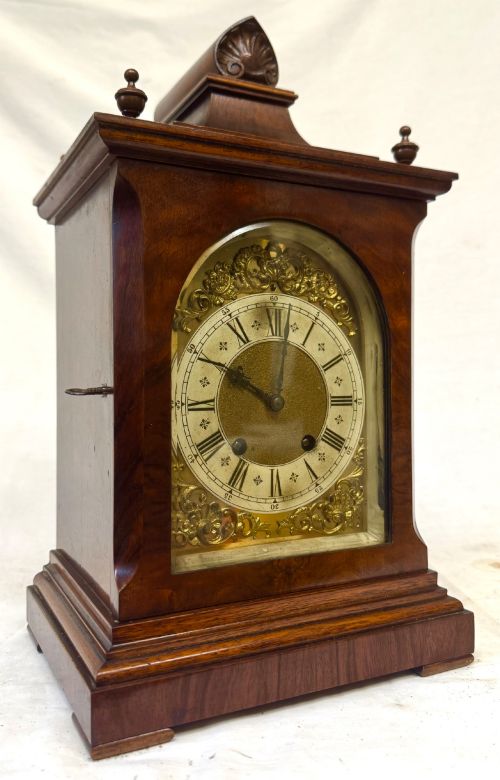
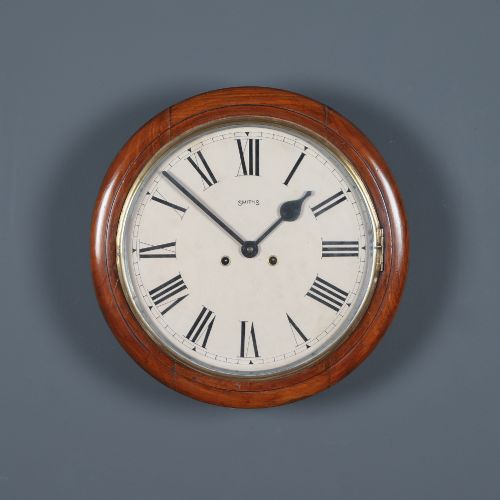
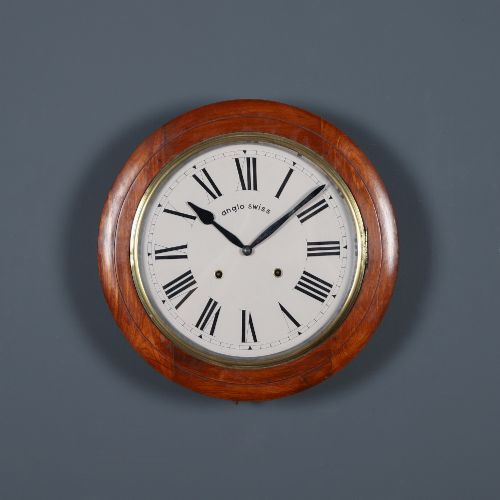
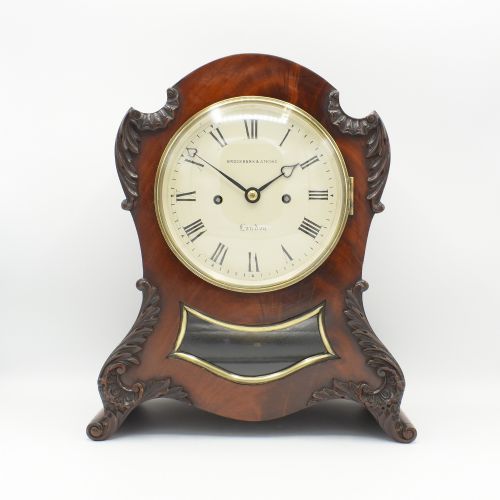
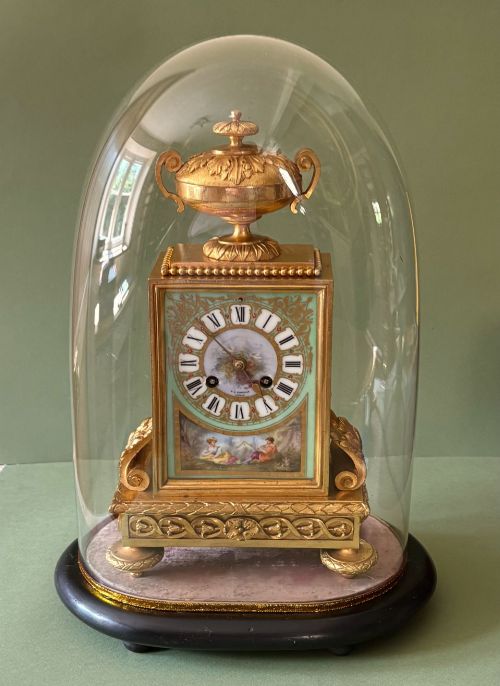
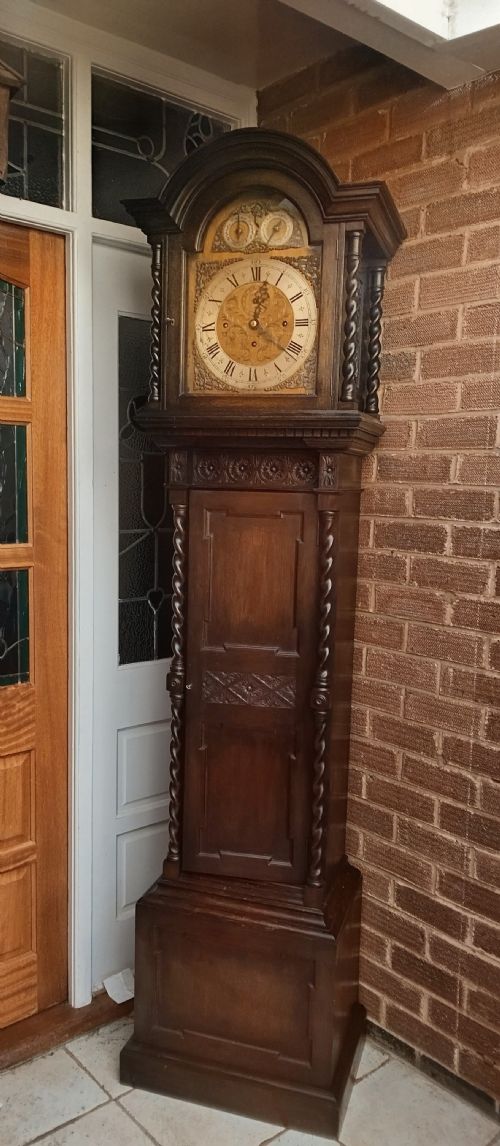
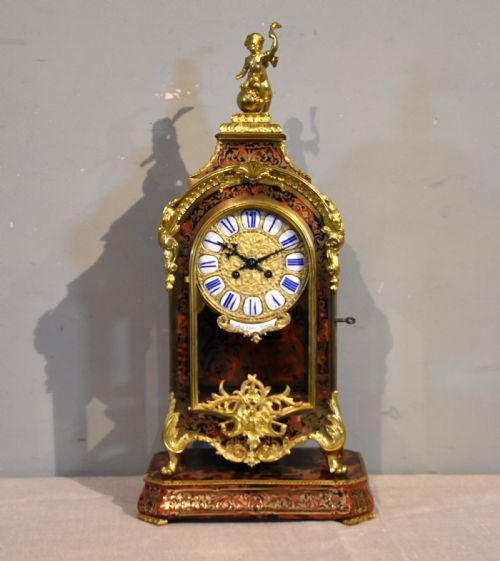
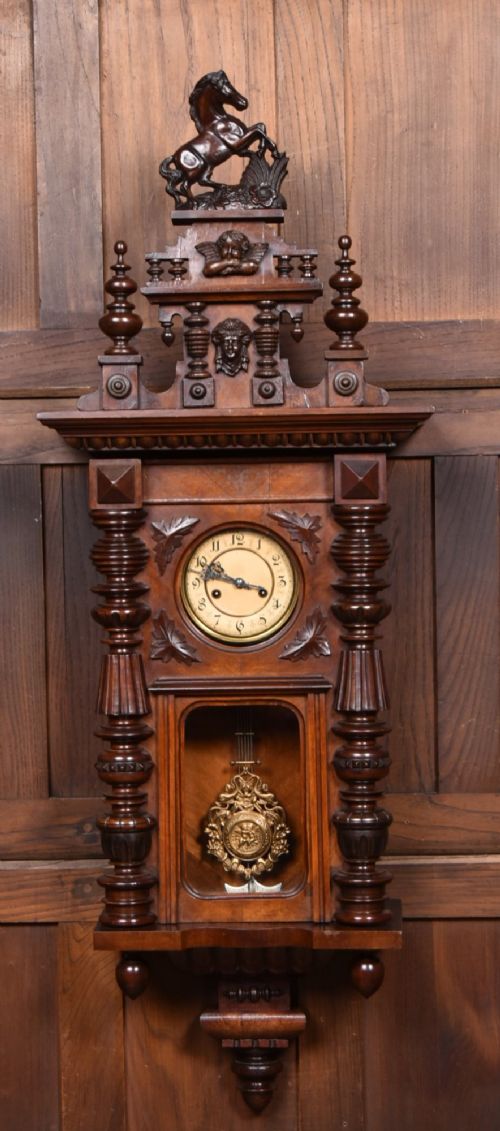
When you search for a victorian chime clock, you encounter timepieces designed to sound the hours, quarters, or specific melodies using bells, gongs, or tubes. The selection spans compact mantel and bracket formats housed in wood or bronze, alongside taller wall and longcase variations.
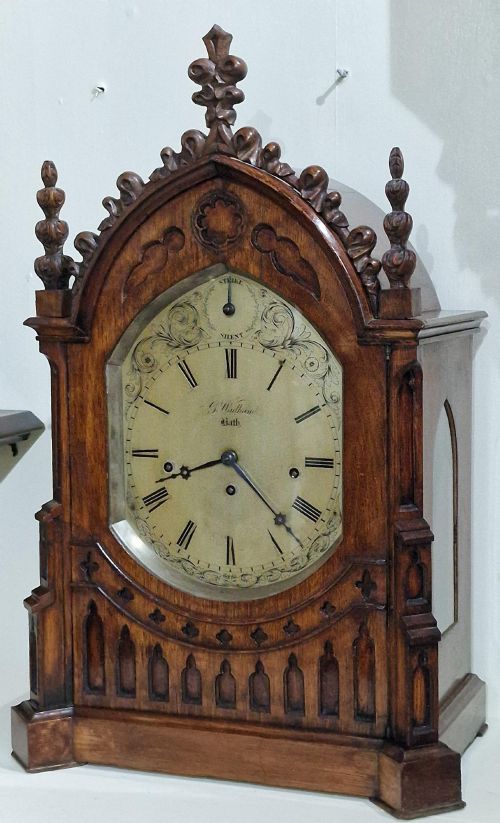
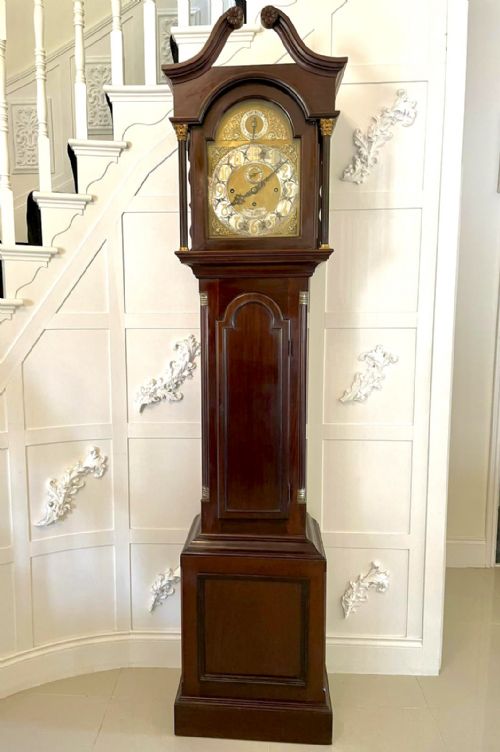
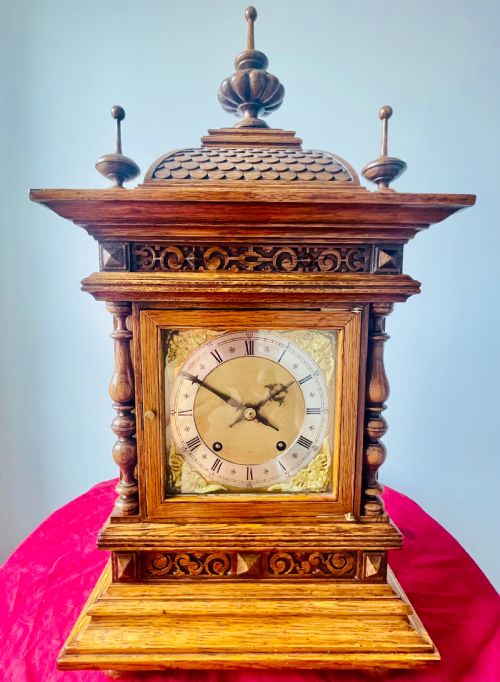
Mantel and bracket examples frequently utilise mahogany, walnut, or oak, while grander longcase clocks stand tall with carved wooden cases and brass dials. Architectural styles stretch from simple classical outlines to Gothic Revival, Regency, and Louis XV Revival decorations.
Origins range from English workshops to German manufacturers such as Winterhalder and Hofmeier or H.A.C., creating a diverse pool of domestic horology spanning the nineteenth century and into the early twentieth century.
Materials and Movements
The construction relies on solid cabinet woods like mahogany, walnut, oak, and ebonised wood, frequently mounted with brass, ormolu, bronze, and glass panels. Dials combine enamel chapters with engraved or brushed brass surfaces.
Mechanical interiors house brass gear trains driven by weights, spring barrels, or fusee chains. Chiming functions operate via multiple hammers striking tuned gongs, bells, or hanging metal tubes.
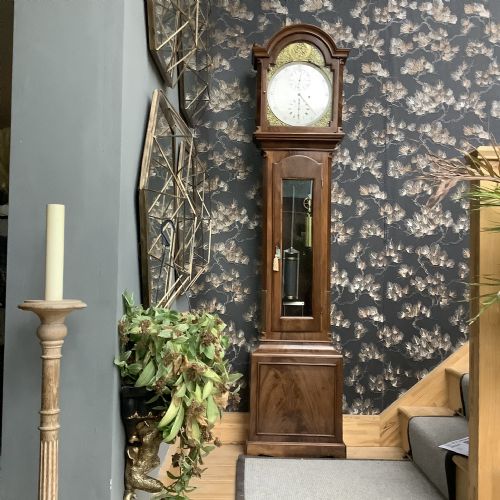
Some clocks pack up to nine chime tubes inside narrow mahogany cases, requiring serious furniture tetris to position.
Judging Quality
Quality rests in the execution of the movement and the cabinetry, where complex triple-fusee mechanisms or multiple-bell chiming setups demonstrate advanced horological skill. Finely carved wooden cases, gilt bronze mounts, and crisp enamel dials elevate certain examples above standard production models.
Makers known for precision engineering, such as Winterhalder and Hofmeier or Lenzkirch, often distinguish superior pieces through robust mechanical design and refined visual proportions.
George Wadham Bath·Brockbanks and Atkins·Winsor Bishop Norwich·Winterhalder and Hofmeier·Mappin and Webb·Budgen Croydon
The Victorian Chime Clock Glossary
- Fusee
- A conical pulley used in clock movements to maintain even tension on the gear train as the mainspring unwinds. This device helps the clock keep more accurate time.
- Ting-tang
- A two-hammer striking mechanism that sounds two different notes on two bells or gongs to mark the quarters or half-hours. It creates a distinct alternating tone.
- Bracket clock
- A portable table or mantel clock originally designed to sit on a wall bracket. They often feature elaborate wooden cases and carrying handles.
- Longcase clock
- A tall pendulum clock housed in a wooden case that stands directly on the floor. These instruments are also frequently referred to as grandfather clocks.
- Quarter chiming
- A mechanical system that sounds musical notes or multiple bells at every quarter-hour interval. This feature builds up to the full melody at the top of the hour.
Victorian Chime Clock: Frequently Asked Questions
How do I wind a chime clock?
Wind the clock using the correct key for each separate arbour in the dial face, taking care not to overwind the springs or weights.
Allow the movement to complete its chime sequence without manual interference while turning the key gently.
Where should I place a mantel clock?
Position the clock on a stable, level surface away from direct sunlight, drafts, and sources of moisture to protect the wooden case and internal mechanism.
A firm shelf or mantelpiece ensures the pendulum swings evenly and the beat remains true.
Why does my clock go out of beat?
Changes in temperature, floor settling, or minor shifts in placement can cause the pendulum to swing unevenly and stop the movement.
Adjusting the crutch or levelling the feet restores the regular tick-tock rhythm.
How do I identify a fusee movement?
Look inside the clock for a conical grooved pulley connected to the chain or cord driving the gear train.
Fusee movements distribute equal power to the escapement as the mainspring loses tension.