


Traditional Oak Chime Clock
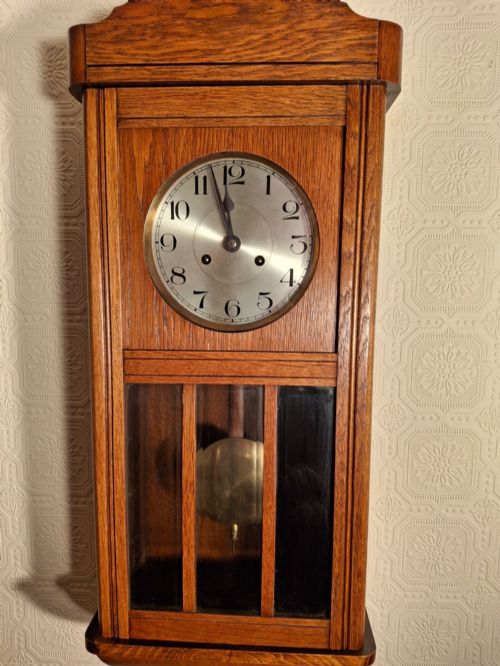
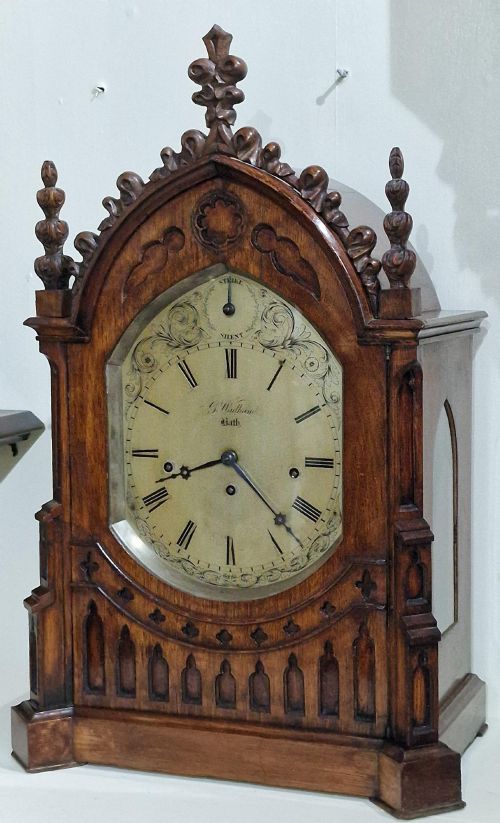
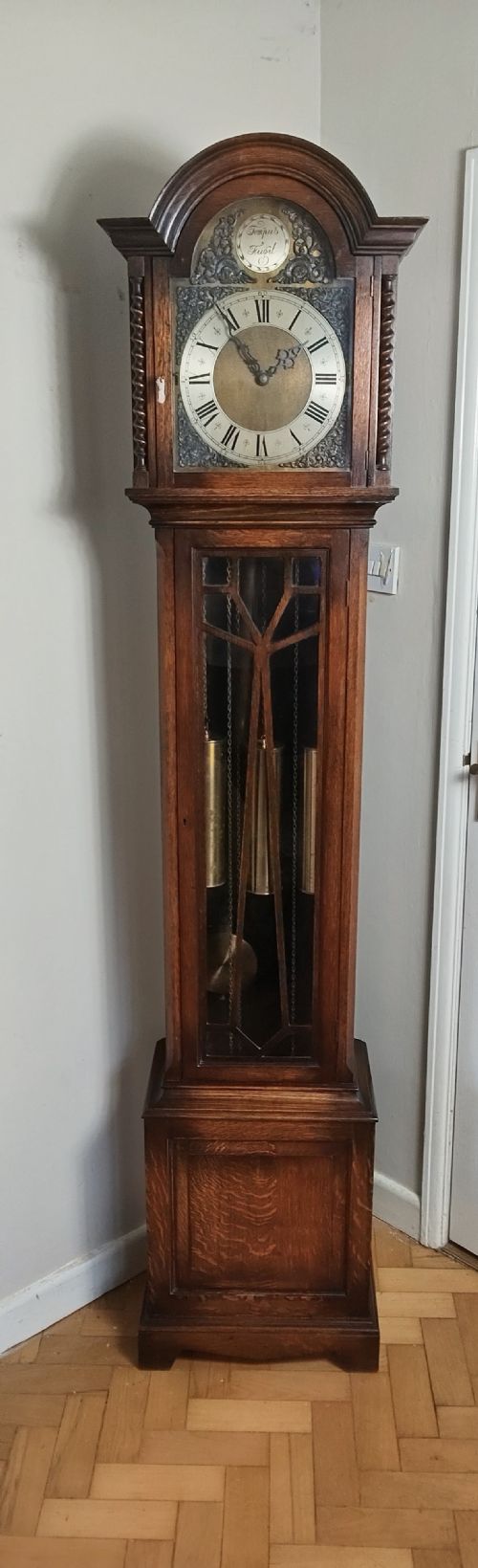
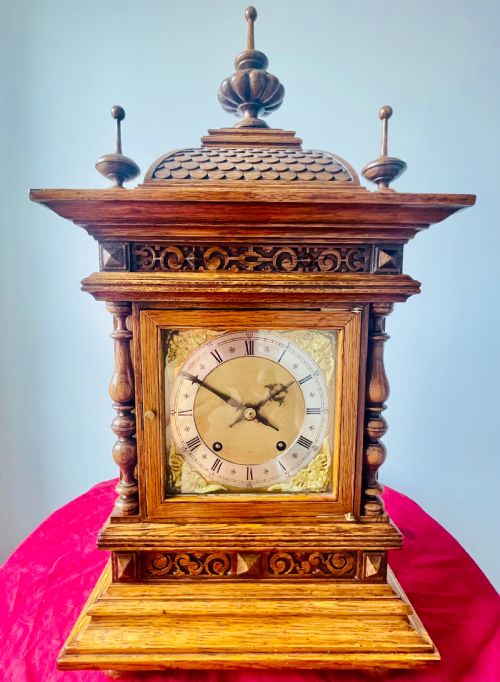
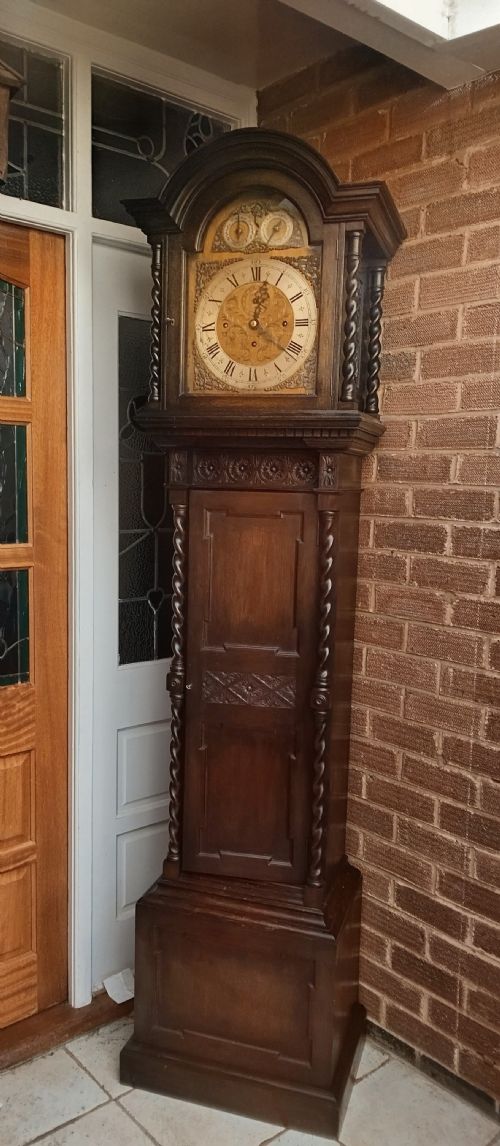
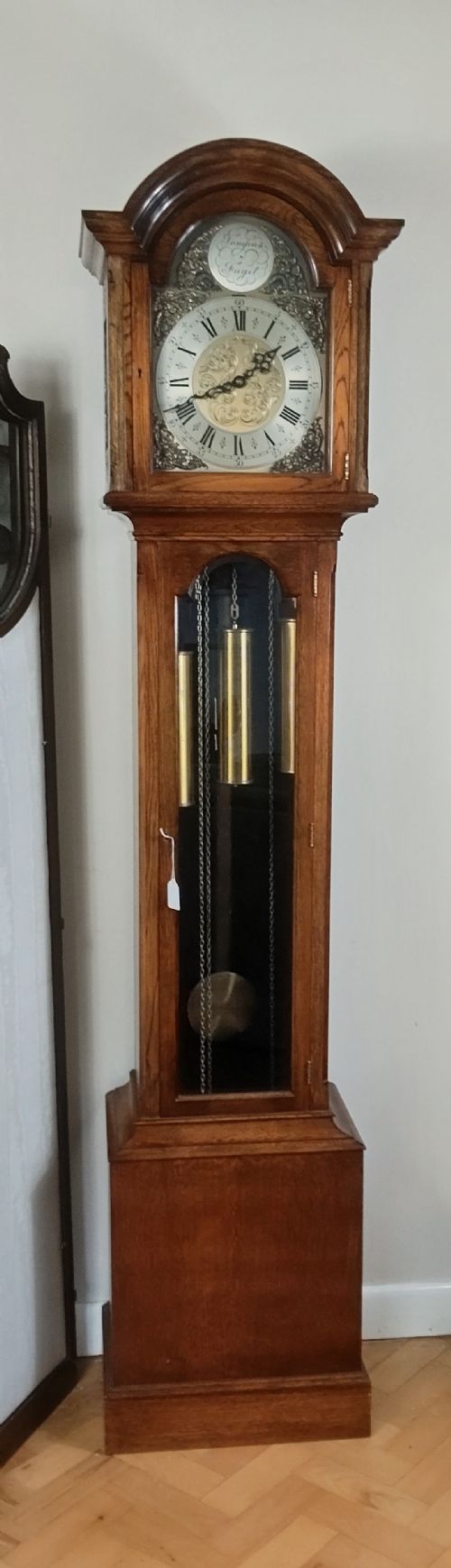
These traditional oak chime clock examples range from sturdy wall pieces to towering grandfather models, bringing mechanical timekeeping and resonance into a room.
Traditional Oak Chime Clock
A traditional oak chime clock brings mechanical timekeeping and resonance into a room, spanning forms from compact wall models to towering grandfather longcase pieces. Buyers searching for a traditional oak chime clock will encounter diverse scales, including diminutive grandmother clocks alongside substantial floor-standing examples.
The material palette is anchored by oak bodies paired with brass dials, glass covers, and silvered metal details, drawing on Victorian, Edwardian, and early twentieth-century origins. Styles lean toward English traditional, Jacobean revival, and Arts and Crafts movements, grounding each piece in solid woodwork.
Grandfather and longcase formats dominate the taller offerings, often incorporating triple weights and multiple gongs to sound the hour and quarters. Smaller bracket and mantel variations fit shelf or table placement while retaining the characteristic chiming mechanism.
Materials and construction
Construction relies heavily on solid oak timber cases, occasionally supplemented by mahogany accents, which house intricate brass and steel movements. Dials frequently incorporate silvered metal chapter rings and brass fittings behind protective glass doors.
Clockmakers utilised mechanical gear trains, including fusee and triple-weight systems, to drive the striking and chiming hammers against tuned rods or bells. Carved ornamentation and applied mouldings on the oak cases reflect period revival aesthetics without altering the core joinery.
Quarter-chiming mechanisms appear frequently alongside triple-weight and bracket clock configurations.
Markers of distinction
Quality separates through the complexity of the movement, such as triple-train chime configurations and multiple bells, compared to simpler strike-only designs. Maker attribution and signed dials also elevate a piece from standard production.
The depth of carving and the selection of figured oak grain distinguish finer workshop output from plain utility pieces. Crisp silvering on metal dials and well-preserved mechanical components further define the upper tier.
George Wadham·Winterhalder·Enfield·Harrods·Winterhalder and Hofmeier·W Prior Skipton
The Traditional Oak Chime Clock Glossary
- Bracket clock
- A portable timepiece originally designed to sit on a bracket, though later examples functioned as table or mantel clocks. These often feature elaborate brass carrying handles.
- Fusee
- A conical pulley used in spring-driven clocks to equalise the torque of the mainspring as it unwinds. This mechanism improves timekeeping accuracy across the power reserve.
- Grandmother clock
- A slender, scaled-down version of the traditional grandfather longcase clock, popular during the Edwardian period. It offers floor-standing presence in a compact footprint.
- Triple fusee
- A movement utilising three separate fusee chains or cords to drive the timekeeping, hour striking, and tune-playing or quarter-chiming trains. Such systems indicate high mechanical complexity.
- Westminster chime
- A melodic sequence of four notes played on quarters by a set of gongs or bells. It originates from the clock chimes of Great St Mary's in Cambridge.
Traditional Oak Chime Clock: Frequently Asked Questions
What is a traditional oak chime clock?
A traditional oak chime clock is a mechanical timepiece housed in an oak case that sounds melodious notes on the quarter hours or hours. These range from large floor-standing longcase models to smaller bracket and wall clocks.
The category encompasses Victorian, Edwardian, and early twentieth-century pieces built with brass movements and wooden cabinetry. Each utilises weight-driven or spring-driven mechanisms to operate the striking trains.
How do I wind a chime clock?
Winding requires inserting a dedicated key into the winding arbours on the dial face and turning gently until resistance is met. Care must be taken not to overwind the mainsprings or disturb the internal gear trains.
Weight-driven longcase clocks involve pulling the chains or winding the weights back to the top of the case. The striking and time trains are typically wound independently.
Where should I place a longcase clock?
A longcase clock requires a stable, level floor against an interior wall to ensure the pendulum swings evenly. Placement should avoid direct sunlight, damp areas, and extreme temperature fluctuations that affect wood and metal.
Sufficient clearance is necessary for the cabinet door to open and for weights to descend freely inside the trunk. Sound projection is also enhanced when placed in rooms with hard surfaces.
How do I date an oak clock?
Dating relies on stylistic clues such as carving patterns, dial design, and case proportions associated with Victorian, Edwardian, or Arts and Crafts periods. Maker signatures and patent marks on the movement plates provide further chronological markers.
Technical evolution, including the transition from older verge escapements to later deadbeat or lever systems, helps narrow the production era. Wood finishes and secondary timbers inside the case corroborate the period.