

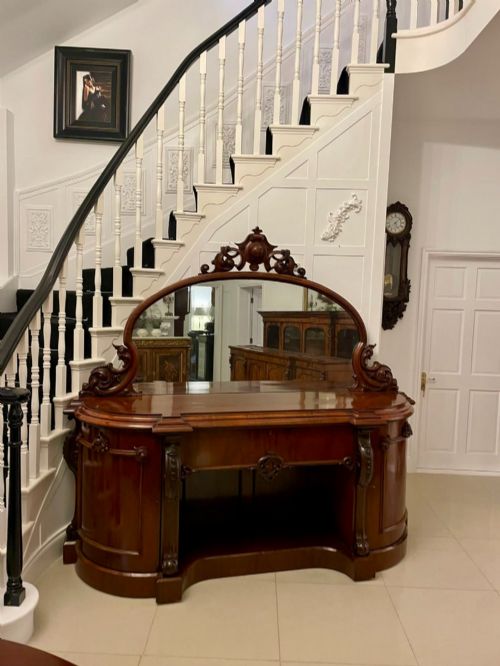
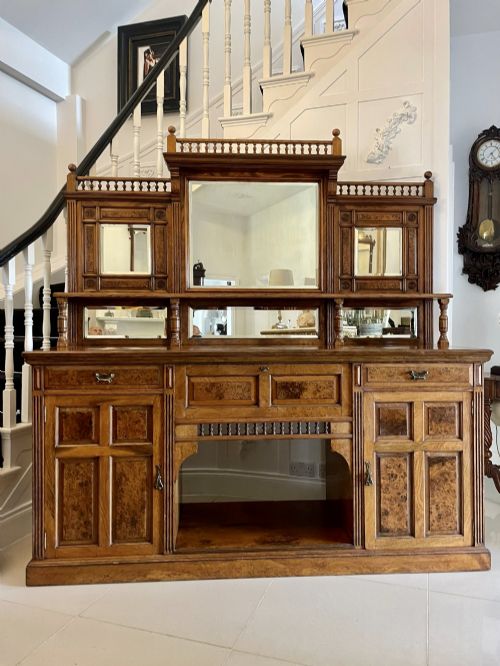
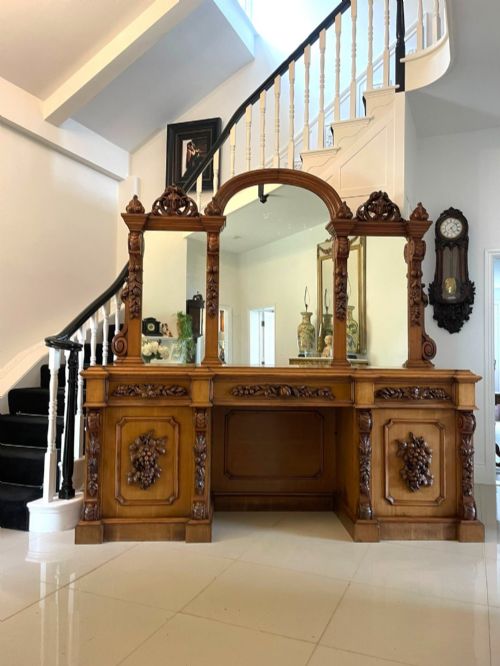
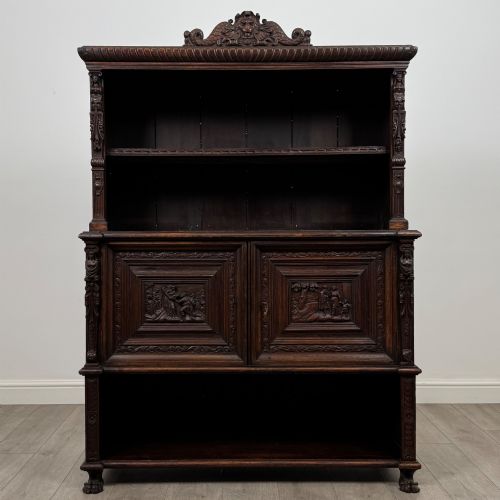
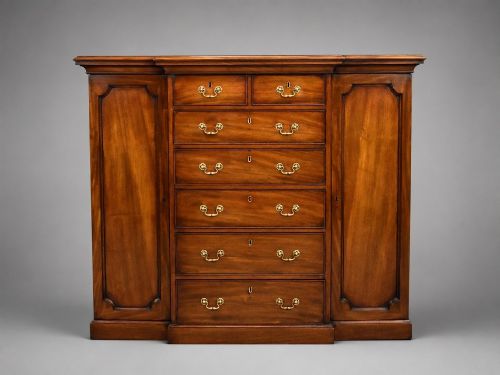

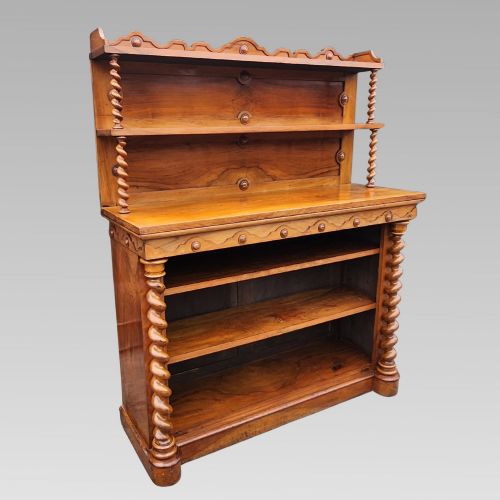


Victorian Chiffonier Dresser
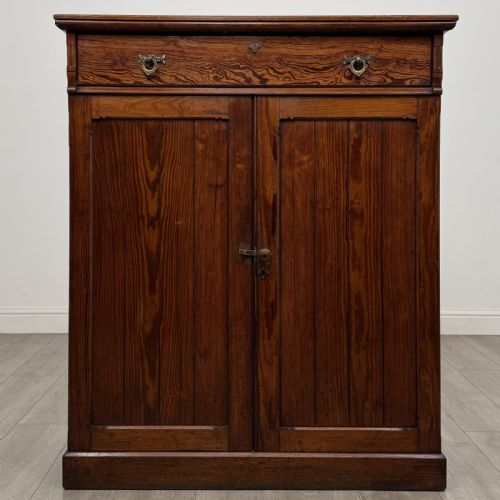
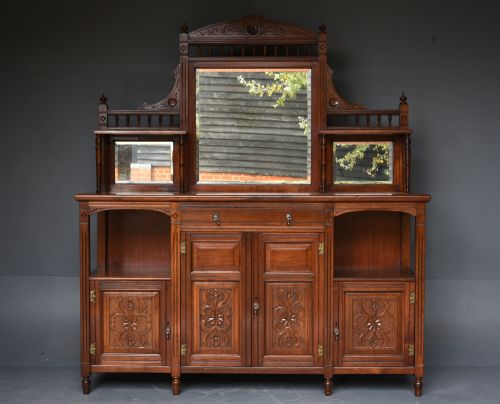
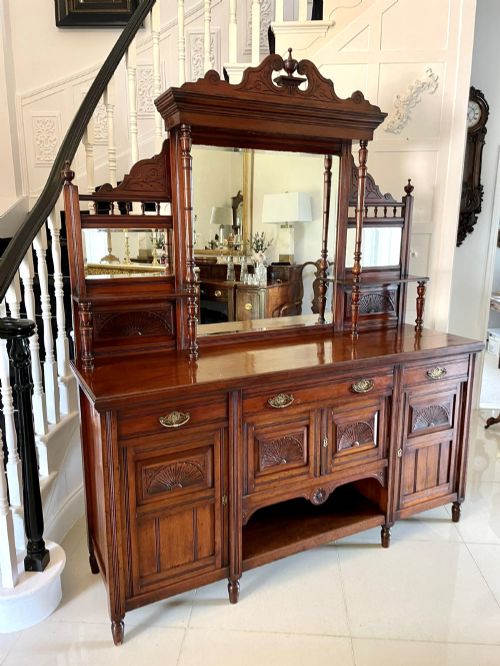
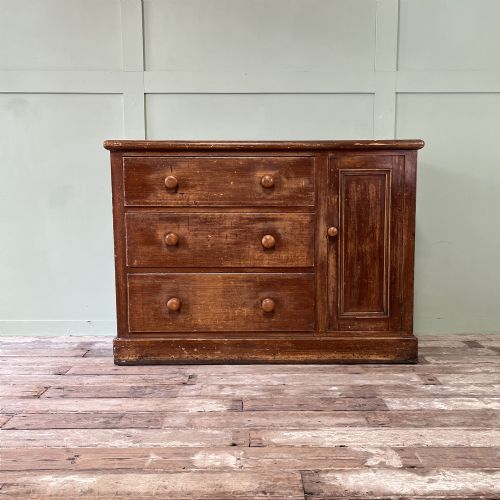
These robust pieces bridge the gap between storage and display, offering a distinctive Victorian chiffonier dresser for the home.
Victorian Chiffonier Dresser
A Victorian chiffonier dresser combines a low storage base with cupboards or drawers, often surmounted by open shelves or a mirror back. These items emerge primarily from the nineteenth century, spanning periods from early Regency and William IV influences through to late Victorian and Edwardian examples.
The form appears under various designations such as sideboards, side cabinets, and buffet bases. Mahogany, walnut, and pollard oak dominate the pieces seen, frequently incorporating mirror glass and brass hardware into the structural design.
Judging the standard of execution
Quality reveals itself in the depth of timber selection, particularly in figured walnut and flame mahogany veneers. Heavier carving and precise boxwood inlay separate refined urban pieces from simpler country work.
Structural integrity depends on the joinery of the base and the stability of the mirror-backed superstructures. Original brass fittings and intact glass panels indicate a higher level of preservation.
Victorian Chiffonier Dresser Retail Price Guide 2026
Typical asking prices for victorian chiffonier dresser among the pieces listed under this phrase on Sellingantiques today, from the lower quarter to the upper quarter. They describe what is for sale here now, not the wider market.
Listings feature woods such as mahogany, walnut, pollard oak, rosewood, and pine, alongside decorative elements like mirror glass and brass.
Howard and Sons·Maple and Co
The Victorian Chiffonier Dresser Glossary
- Chiffonier
- A low sideboard or cabinet featuring cupboards below, sometimes topped with shelves or a mirror. This form evolved during the nineteenth century to serve dining and drawing rooms.
- Pollard Oak
- Timber taken from trees that were cut back to encourage dense, gnarled branching patterns. The resulting wood displays a highly decorative, mottled grain.
- Flame Mahogany
- Timber cut from the fork of the mahogany tree to produce a flickering, flame-like grain pattern. Cabinetmakers reserved this veneer for prominent drawer fronts and doors.
- Mirror Back
- A timber superstructure incorporating a glass mirror plate above the main sideboard surface. This addition reflected light and displayed decorative objects in Victorian interiors.
Victorian Chiffonier Dresser: Frequently Asked Questions
What is a Victorian chiffonier dresser?
A low storage cabinet combining lower cupboards with upper shelves or a mirror back.
These pieces served functional storage needs while providing a surface to display ceramics and decorative items.
Where were these pieces used?
They typically furnished nineteenth-century dining rooms, morning rooms, and drawing rooms.
Their enclosed lower sections held table linen and glassware, whilst upper tiers displayed prized possessions.
How do I date a piece?
Dating relies on timber choices, stylistic details, and construction methods.
Early nineteenth-century examples show Regency or William IV influence, while later items incorporate Arts and Crafts or Edwardian motifs.
How do I care for the wood?
Maintenance involves keeping timber away from direct heat sources and sudden humidity changes.
Applying a traditional wax polish preserves the sheen of mahogany and walnut surfaces.