
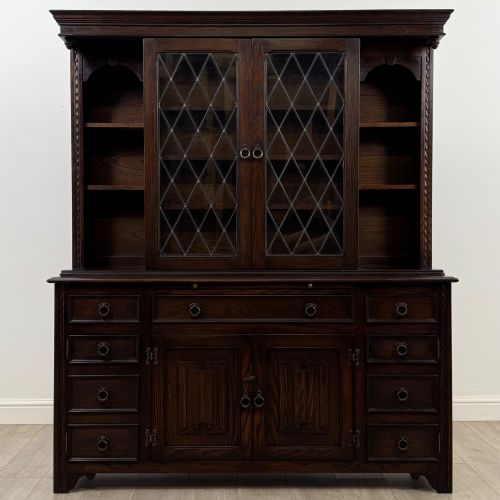
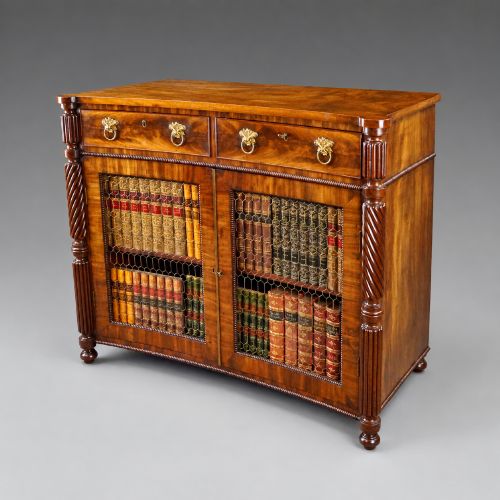
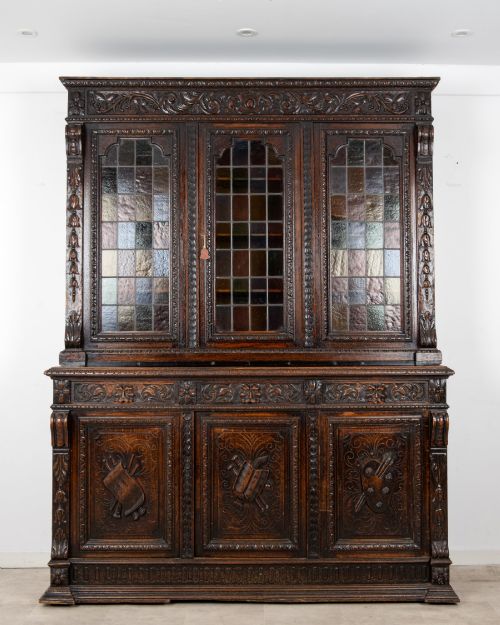
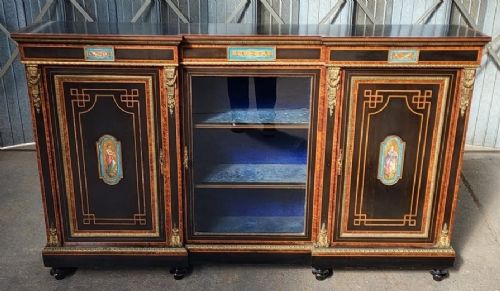
Antique Bookcase Sideboard
An antique bookcase sideboard combines storage and display, bringing substantial timber craftsmanship and practical shelving into a room.
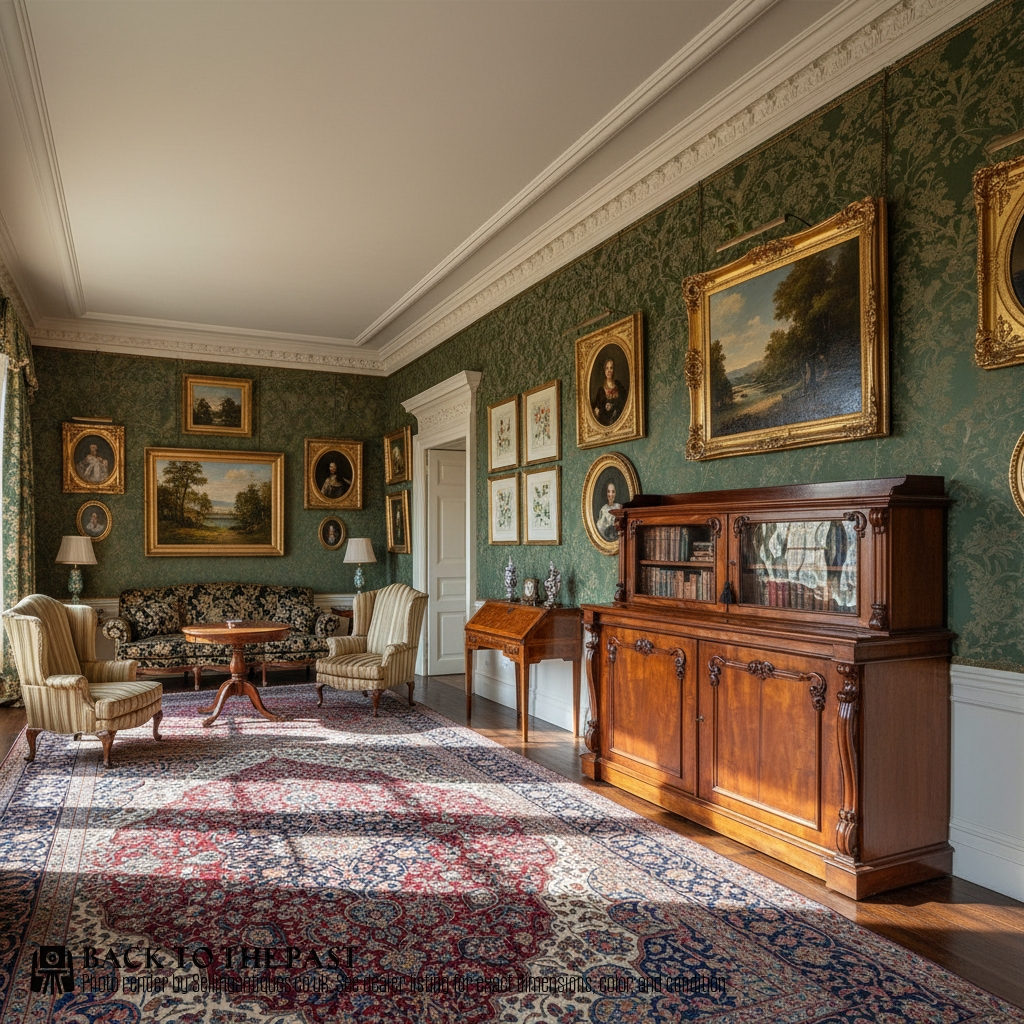
Antique Bookcase Sideboard
The term antique bookcase sideboard covers a range of hybrid furniture forms that merge lower storage cupboards or credenzas with upper display shelving or enclosed bookcase sections. These pieces span periods from the Georgian and Regency eras through the Victorian and Edwardian decades, reflecting shifting domestic needs for book storage and display.
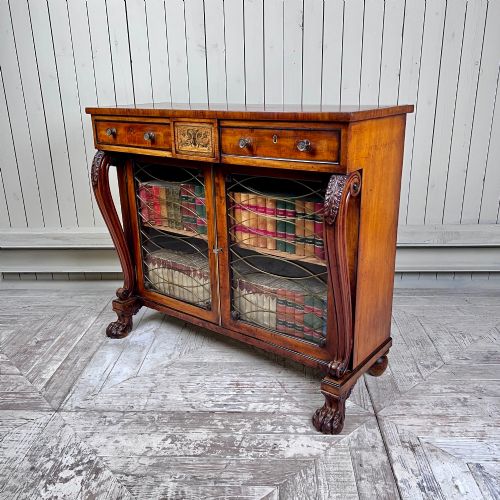
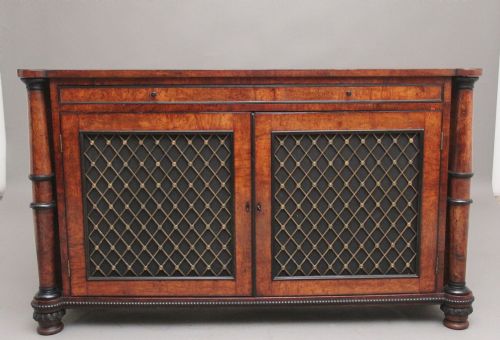
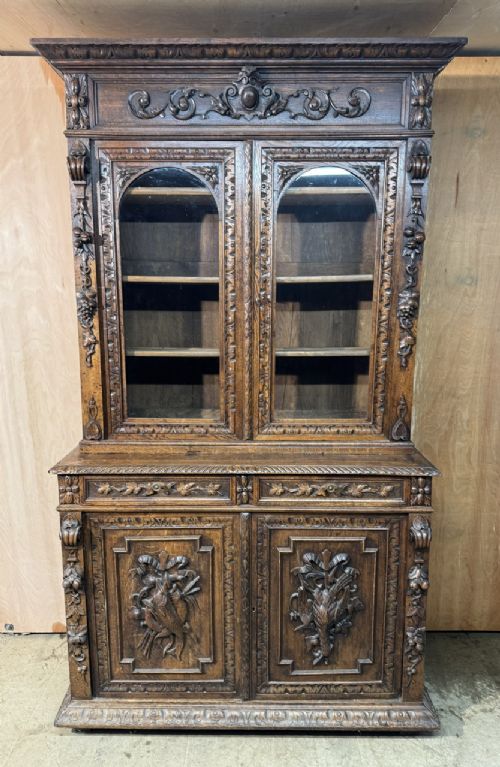
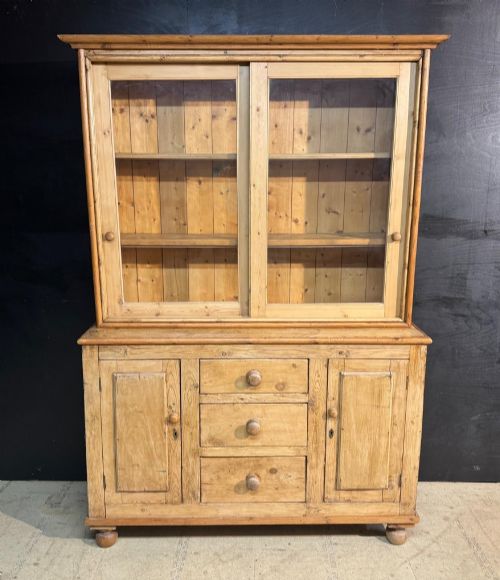
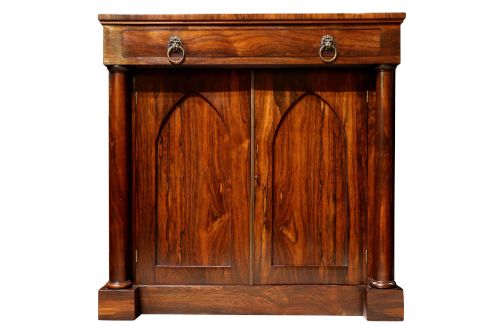
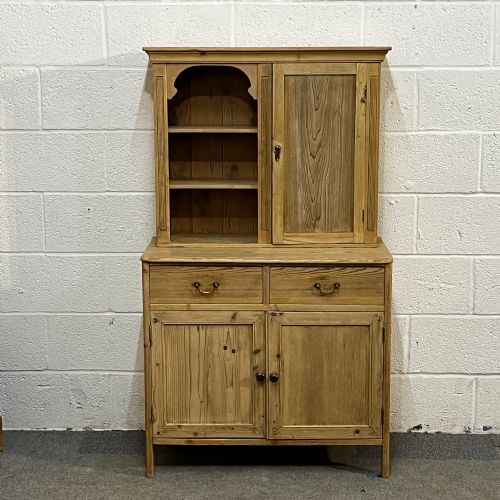
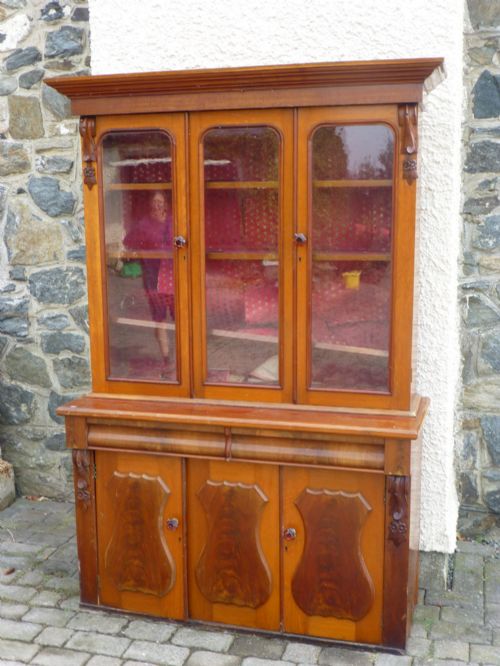
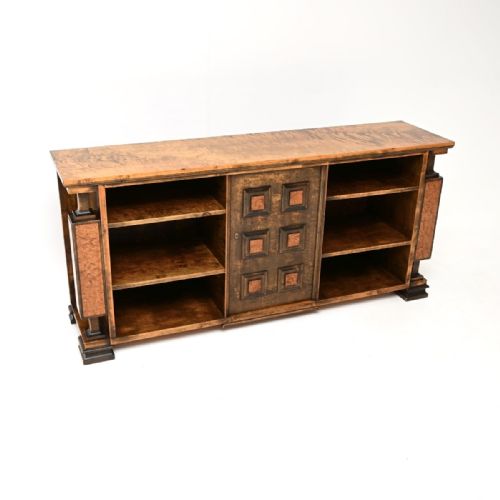
On this page, a buyer is most likely to encounter variations such as mahogany and rosewood chiffoniers, burr walnut credenzas, oak display cabinets, and glazed kitchen dressers. These items utilise timbers like oak, mahogany, and walnut, often incorporating glass panels or brass mounts.
Makers and workshops of the nineteenth and early twentieth centuries produced these dual-purpose items to serve dining rooms, libraries, and morning rooms. The combination of an enclosed sideboard base with upper bookcase shelving provides both concealed storage and display space.
How they were made
Makers constructed these pieces using dense hardwoods including mahogany, rosewood, oak, and burr walnut, frequently applied as veneers over secondary timbers like pine. Cabinet makers employed mortise and tenon joinery for structural stability, ensuring doors and shelves could bear the weight of heavy volumes and decorative ceramics.
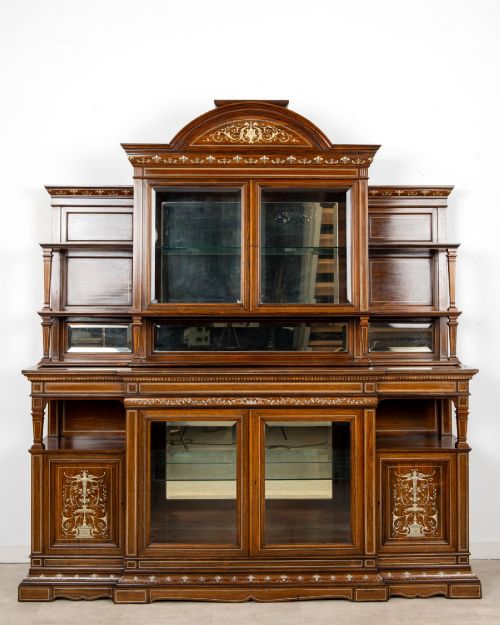
Decorative detailing relied on brass inlay, ormolu mounts, stained glass, and ebony stringing, alongside carved elements seen in Victorian Gothic Revival and Aesthetic Movement examples. French polishing or wax finishes sealed the wood surfaces, highlighting the natural grain and figure of flame mahogany or pollard oak.
Some Victorian cabinets hid writing drawers so cleverly that guests could pen a hurried note without ever suspecting they were standing next to a bookcase.
What varies in quality
Quality in these hybrid pieces rests upon the selection of timber figures, such as matched burr walnut veneers or dense flame mahogany, and the precision of cabinet construction. Superior examples display seamless joins, original brass hardware, and well-fitted internal shelving that remains stable under load.
The refinement of carved ornament and inlay distinguishes workshop standards, where skilled hands executed intricate marquetry or crisp mouldings rather than relying on mass-produced pressings. Originality of components, including glass panes and backboards, dictates the integrity of the piece.
Collinson and Lock·Arthur Simpson of Kendal·Edwards and Roberts·Gillows·August Ungethüm
The Antique Bookcase Sideboard Glossary
- Chiffonier
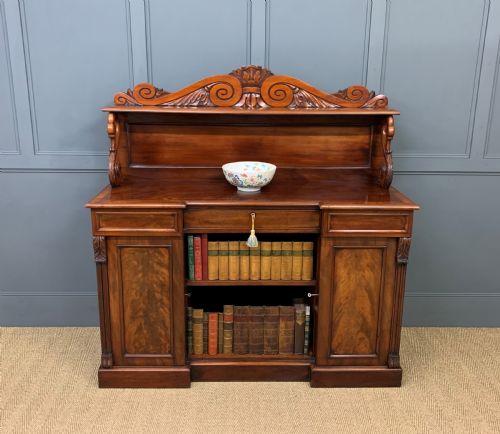
- A low cabinet derived from the sideboard, typically featuring enclosed cupboards below and a shelf or raised back above. This form became popular during the Regency and Victorian periods for drawing rooms.
- Credenza
- A low-standing sideboard or cabinet lacking legs, often fitted with multiple doors and used for display or storage. Victorian iterations frequently incorporate burr walnut and marquetry.
- Breakfront
- A piece of furniture whose central section projects forward from the flanking wings. This architectural arrangement creates depth and visual interest in large bookcases and sideboards.
- Ormolu
- Gilded bronze ornamentation applied to furniture for decorative accent. It appears frequently on high-status Victorian and Regency cabinets.
- Secretaire
- A cabinet incorporating a pull-down writing drawer fitted with small compartments and pigeonholes. It combines desk functionality with the storage capacity of a sideboard.
Antique Bookcase Sideboard: Frequently Asked Questions
What is an antique bookcase sideboard?
An antique bookcase sideboard is a combined furniture form that merges lower storage cupboards or credenzas with upper shelving for books and display. These hybrid pieces emerged to serve Victorian and Regency interiors where efficient use of space was valued.
They bridge the function of a dining room sideboard and a library bookcase, offering both concealed storage behind wooden doors and open or glazed display space above.
How were these combination pieces used?
Households utilised these pieces in dining rooms, libraries, and morning rooms to store porcelain, linens, and reference volumes. The lower cupboards kept everyday items out of sight while the upper shelves displayed decorative objects and books.
Their dual functionality made them central furniture items in nineteenth-century domestic life, accommodating the growing demand for specialised storage.
How do I identify a Regency period piece?
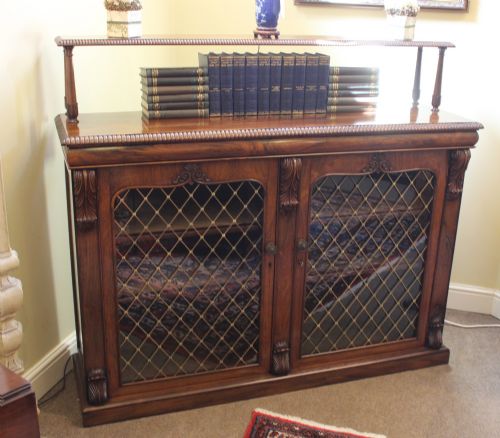
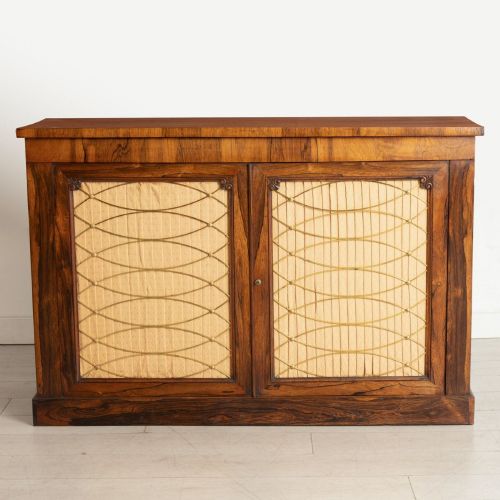
Regency pieces often feature architectural lines, dark timbers like mahogany and rosewood, and brass inlay or ormolu mounts. Design elements frequently reference classical antiquity.
Proportions are typically restrained, and details such as brass grille doors or chiffonier superstructures help distinguish pieces from later Victorian productions.
What is the difference between a chiffonier and a credenza?
A chiffonier is generally a smaller, compact piece featuring enclosed lower doors with a shelf or mirrored superstructure above, originating in the early nineteenth century. A credenza sits low to the ground without legs, often featuring three or more doors and richer veneer work.
While both serve storage and display functions, credenzas are typically grander in scale and associated with formal Victorian reception rooms.