
Antique Wooden Cupboard Unit
An antique wooden cupboard unit brings practical storage and historical character into a room through traditional materials like oak and mahogany.
Antique Wooden Cupboard Unit
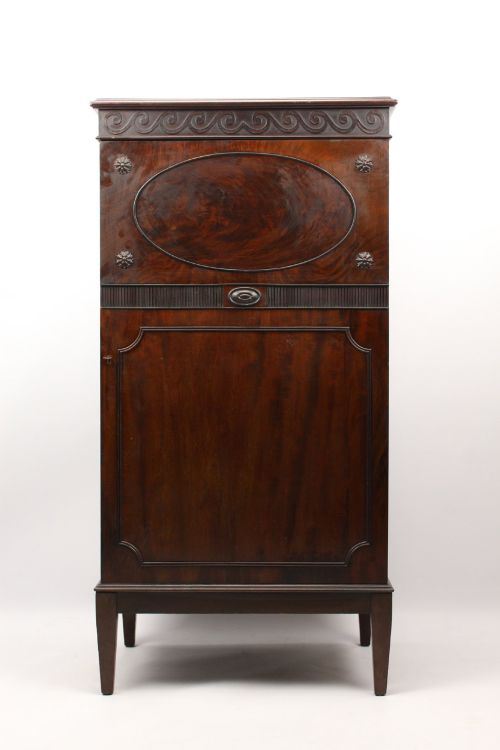
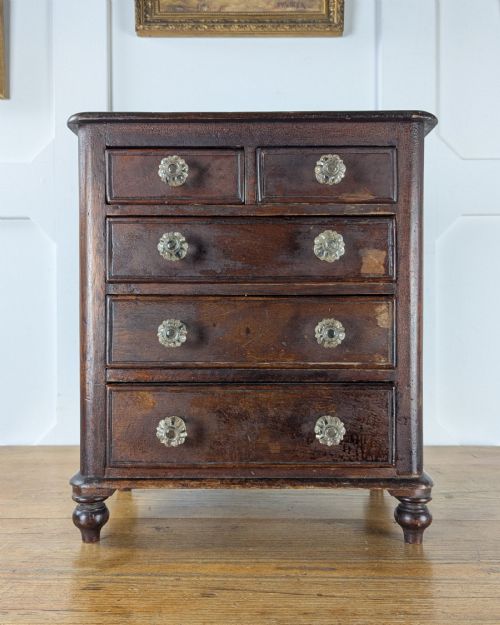
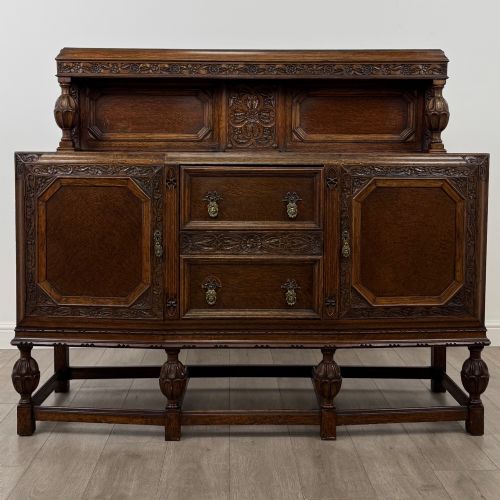
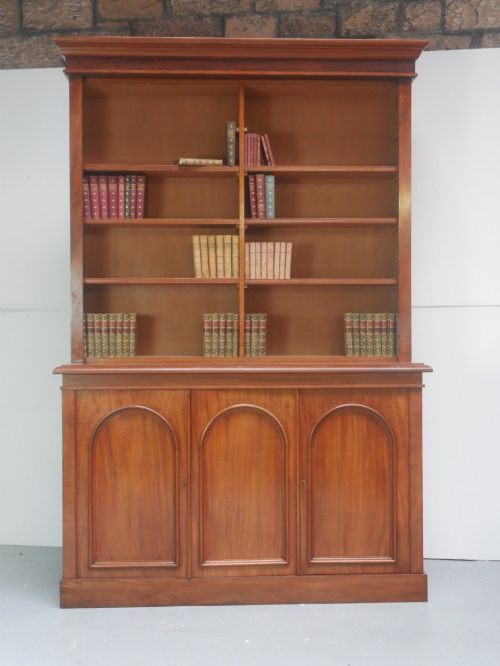
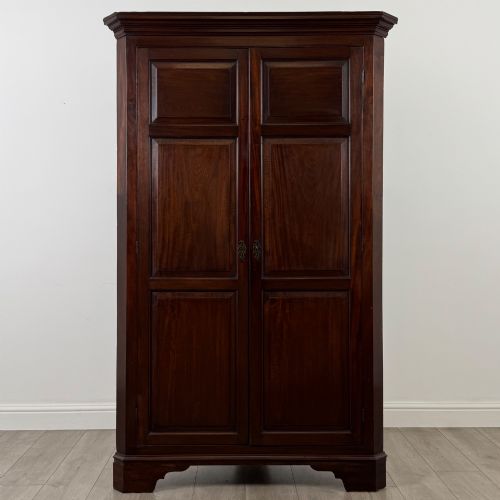
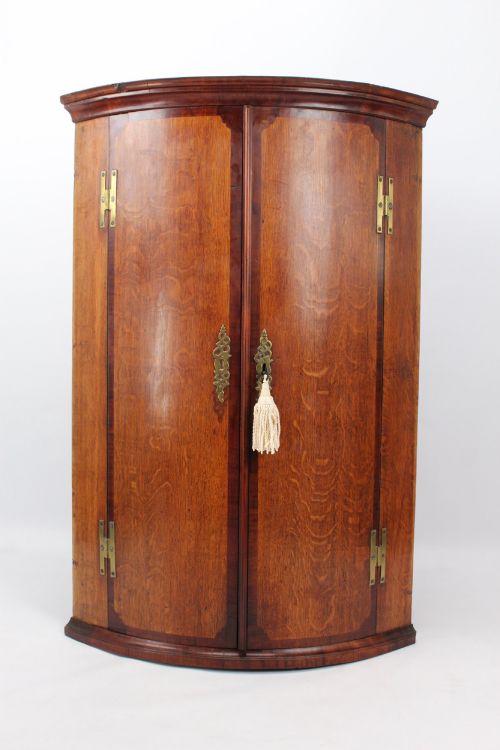
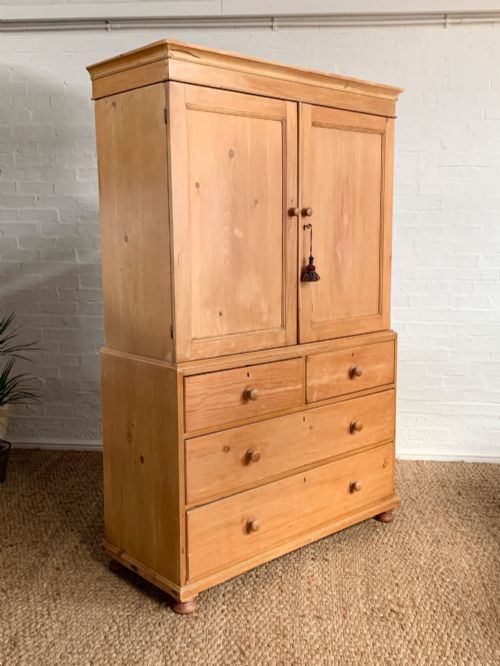
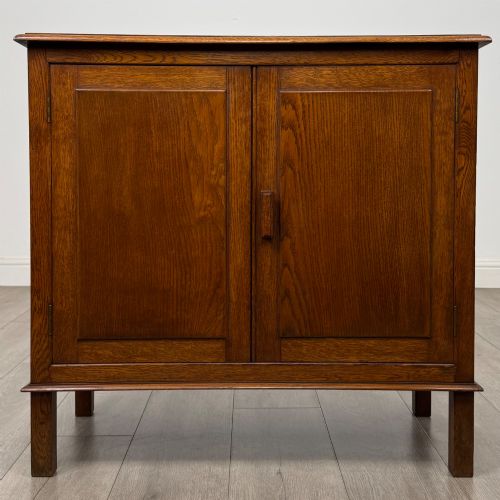
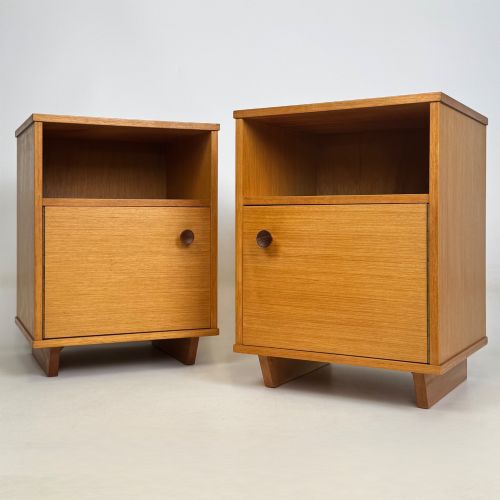
An antique wooden cupboard unit encompasses a varied selection of storage furniture designed to organise household goods. When searching for an antique wooden cupboard unit, buyers encounter forms ranging from Georgian and Victorian corner cabinets to Edwardian fitted cupboards and industrial banks of drawers.
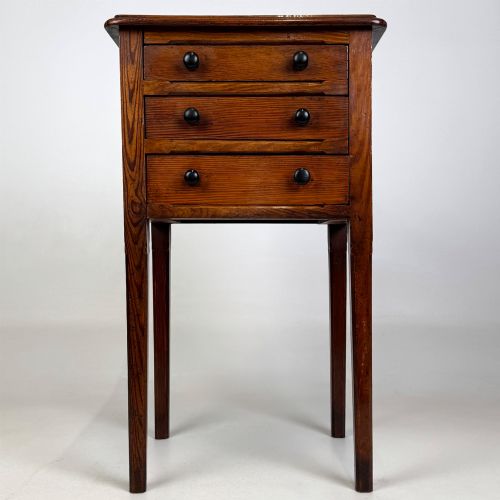
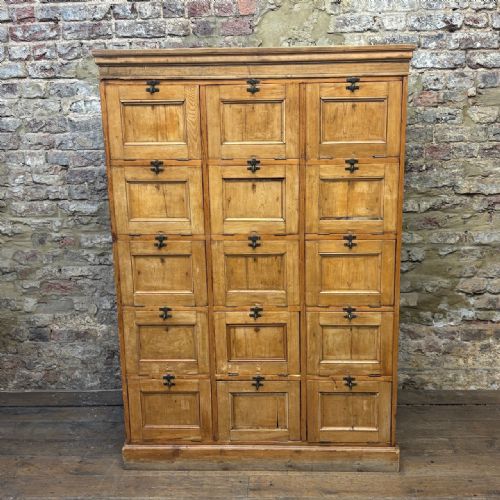
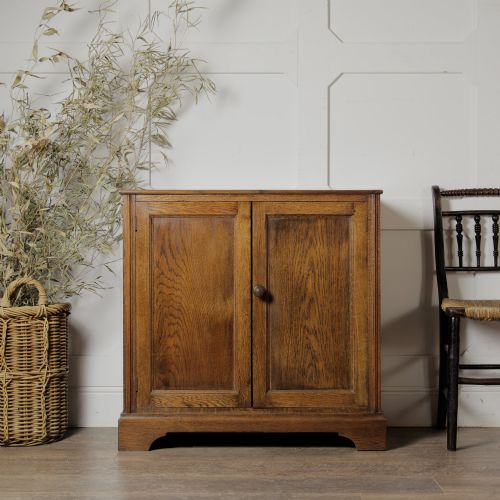
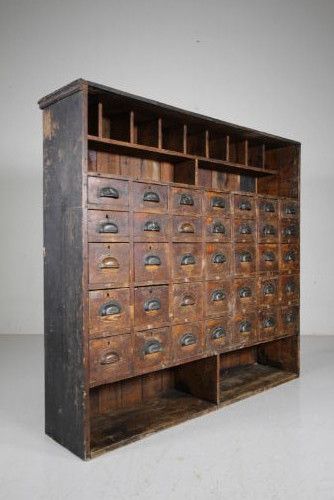
The pieces on this page span several centuries, with particular representation from the Georgian, Victorian, and Edwardian eras. Buyers frequently find utilitarian pieces such as pine locker cabinets and office storage alongside domestic corner cupboards and chiffoniers.
How they were made
Cabinet makers relied primarily on native and imported timbers such as oak, mahogany, pine, and rosewood to build these storage units. Construction often involved solid boards joined by traditional methods, sometimes supplemented by turned feet, brass hardware, and glass elements.
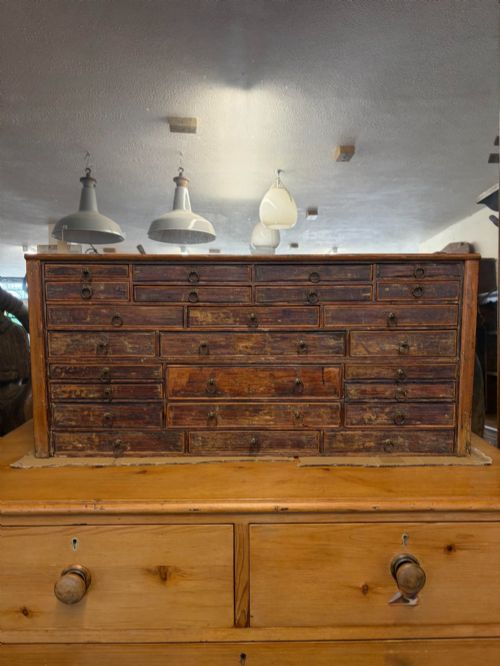
Workshop practices varied according to the intended function of the piece, ranging from finely polished mahogany display furniture to utilitarian painted pine lockers and multi-drawer filing units. Carpenters shaped these woods using hand tools, frequently incorporating carved details, inlaid banding, or tambour fronts.
What varies in quality
The standard of an antique wooden cupboard unit depends on the selection of timber and the precision of the cabinet maker's joinery. Superior examples display carefully matched wood grain, stable structural framing, and well-fitted doors or drawers that operate smoothly.
Original hardware, such as period brass handles and working locks with keys, elevates the standing of a piece. The integrity of the surface finish, whether polished mahogany or stripped pine, also contributes to the overall presence of the furniture.
Denby and Spinks·Luxmore's of Ilfracombe
The Antique Wooden Cupboard Unit Glossary
- Corner cabinet
- A storage unit specifically constructed with an angled back to fit neatly into the corner of a room.
- Chiffonier
- A low sideboard or cabinet, popular in the Regency and Victorian periods, often featuring shelves or a small cupboard section.
- Tambour front
- A flexible door made from narrow strips of wood glued to a canvas backing, allowing it to slide smoothly around a curved track.
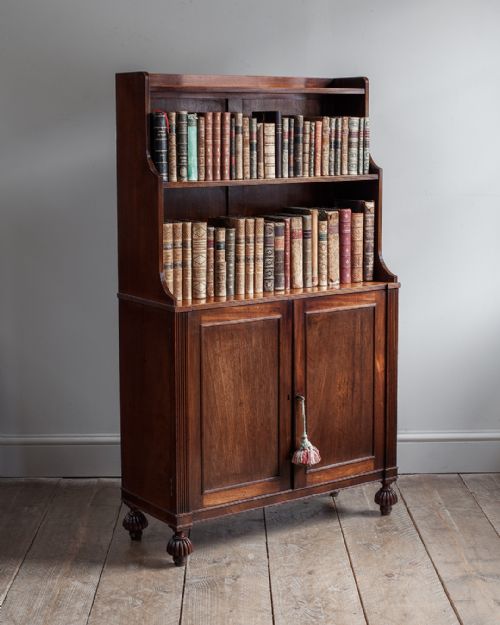
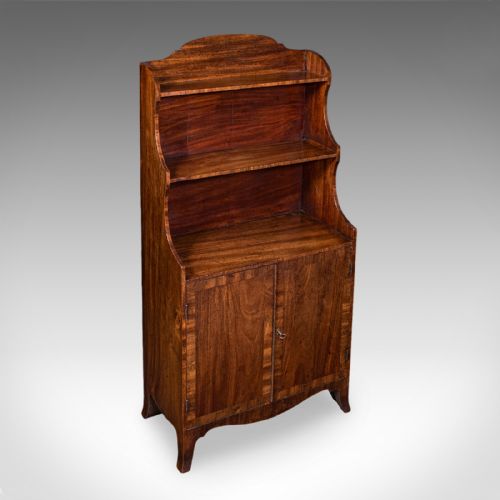
- Waterfall bookcase
- A set of open shelves with sides that step back progressively from bottom to top, creating a cascading profile.
Antique Wooden Cupboard Unit: Frequently Asked Questions
Are these units suitable for modern kitchens?
Many buyers repurpose freestanding cupboards, dressers, and banks of drawers to provide character and storage in contemporary homes. Their solid timber construction allows them to function effectively as larder units or sideboards.
Internal configurations may require minor adaptation to suit modern kitchen appliances or tableware. However, their robust build ensures they handle daily use reliably.
What is the difference between a chiffonier and a cabinet?
A chiffonier is a specific type of low cabinet that emerged during the Regency and Victorian periods, typically featuring enclosed storage below and sometimes a shelf above. Standard cabinets encompass a broader category of storage furniture with doors or drawers.
Cabinets can be tall, wall-mounted, or corner-fitting, whereas chiffoniers are generally floor-standing side pieces. Both served distinct domestic storage functions in historic households.
How should I care for antique wood?
Maintaining antique wooden furniture involves keeping pieces away from direct heat sources and extreme humidity fluctuations. Applying traditional wax polish periodically helps nourish the timber and preserve the surface finish.
Avoiding harsh chemical cleaners ensures the original patina remains undisturbed. Gentle dusting with a soft cloth is usually sufficient for routine upkeep.