
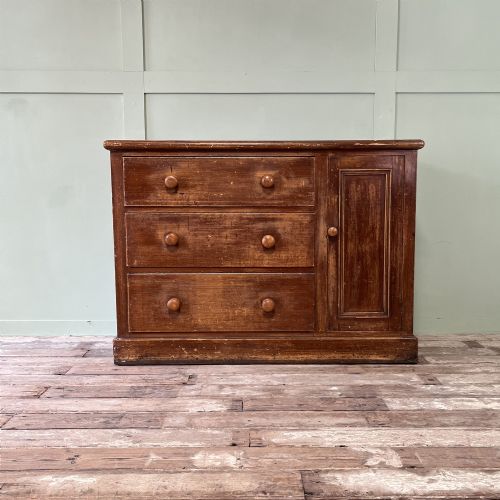
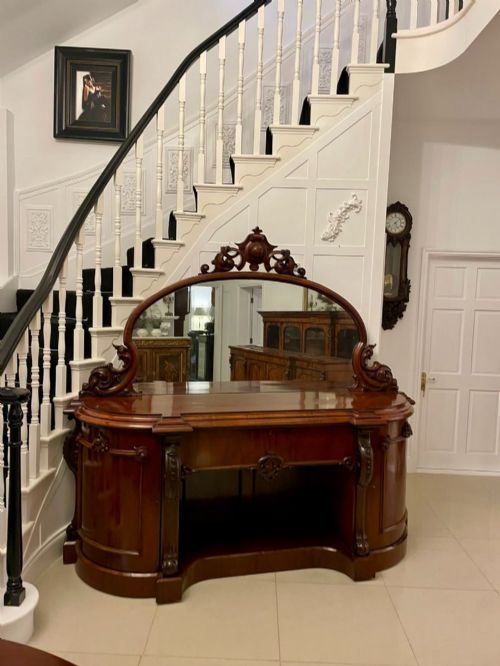
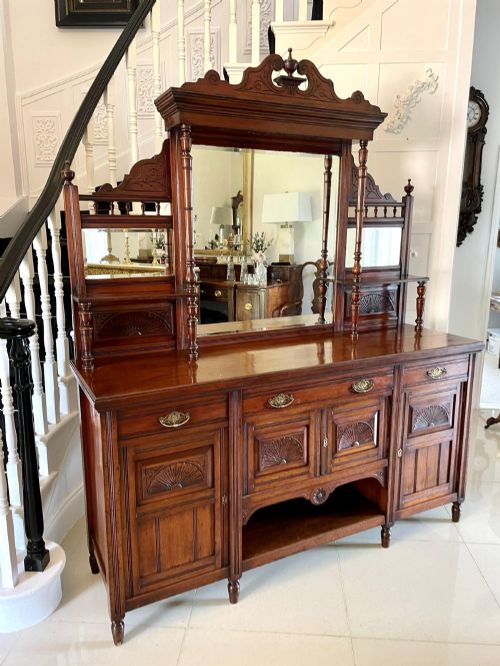
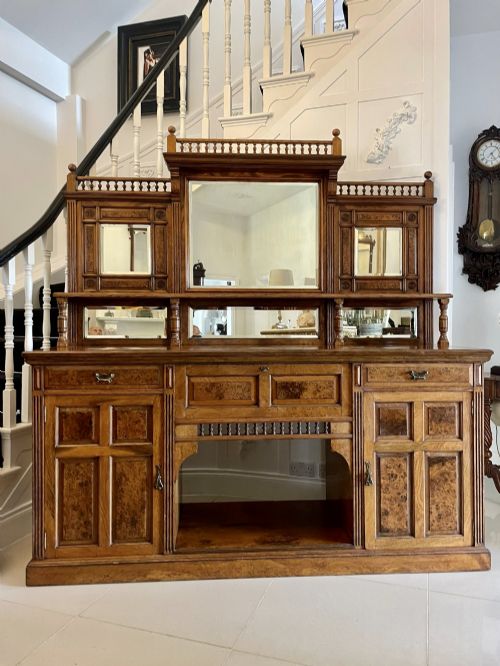
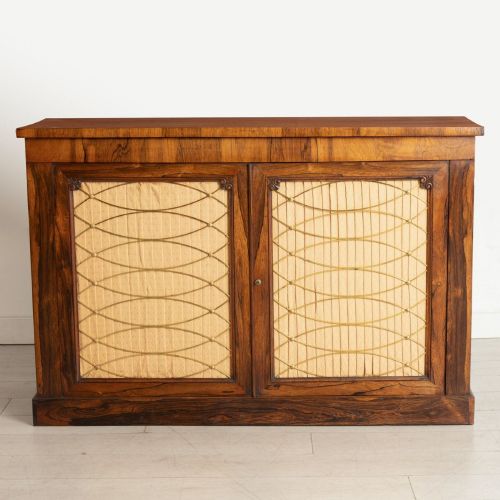


Victorian Chiffonier Base
These robust low cupboards provide practical room for dining linens and china while anchoring a dining room or parlour wall.
Victorian Chiffonier Base
A victorian chiffonier base serves as a low sideboard or credenza, typically combining enclosed lower cupboards with a compact footprint suited to nineteenth-century domestic interiors.
The pieces appearing here span the nineteenth century, including specific dates from the eighteen-fifties to the eighteen-eighties alongside Edwardian examples.
Forming part of the broader category of sideboards and side cabinets, these low storage units frequently emerge in domestic settings alongside bookcase cabinets and buffets.
Evaluation of Quality
Judgement rests on the selection of timber figures, where figured mahogany or pollard oak veneer demonstrates superior cabinet-making ambition.
The refinement of carved details, the integrity of door joints and the proportional balance between the top surface and the lower cupboard define the grade of execution.
Periods represented span the Regency, William IV, Victorian, and Edwardian eras, with dates reaching from eighteen-fifty to nineteen-ten.
The Victorian Chiffonier Base Glossary
- Chiffonier base
- A low sideboard or cabinet featuring enclosed lower storage, traditionally derived from the lower section of a larger piece.
- Flame mahogany veneer
- A sliced wooden sheet displaying a distinct torch-like flame pattern, applied to primary surfaces for visual depth.
- Side cabinet
- A general term for a low domestic storage unit placed against a wall in a dining room or parlour.
- Breakfront
- A cabinet design where the central section projects forward from the flanking cupboards.
Victorian Chiffonier Base: Frequently Asked Questions
What is a chiffonier base?
A chiffonier base is a low wooden cabinet with lower doors designed for practical storage in reception rooms.
These pieces typically sit lower than a full sideboard, offering a flat top surface for serving or display.
How were these cabinets used?
Households utilised these low cupboards for storing dining silver, linens, and glassware within the dining room or parlour.
The top surface served for displaying decorative objects or assisting with the service of meals.
Which woods are common?
Mahogany appears most frequently across these listings, alongside rosewood, walnut, and occasional oak or pine.
Cabinets often display decorative treatments such as flame mahogany veneer or pollard oak figures.
How do I date a piece?
Dating relies on stylistic markers, timber choice, and construction methods spanning the nineteenth and early twentieth centuries.
Pieces range from Regency and William IV examples through to Victorian and Edwardian periods.