


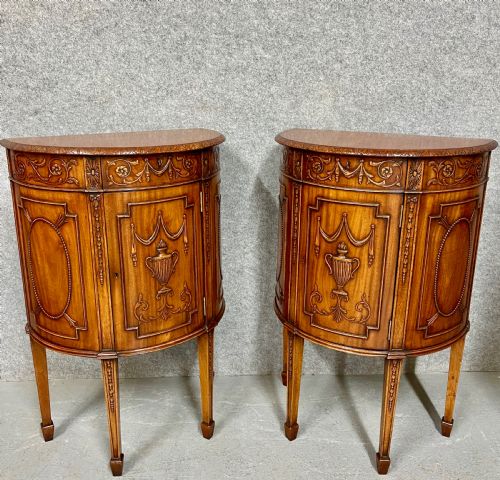
Antique Hallway Side Cabinet
An antique hallway side cabinet offers compact storage and presence, holding mail and essentials while anchoring an entranceway with character.
Antique Hallway Side Cabinet
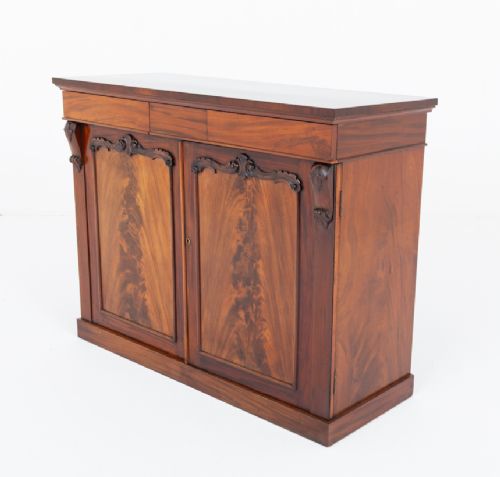
An antique hallway side cabinet brings period craftsmanship into narrow entrance spaces, providing useful surface area and enclosed storage without dominating the room. These pieces span several distinct eras, offering buyers a choice of forms designed to fit tight spaces near a front door.
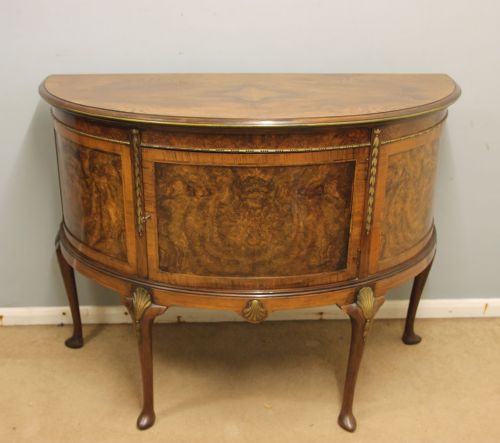
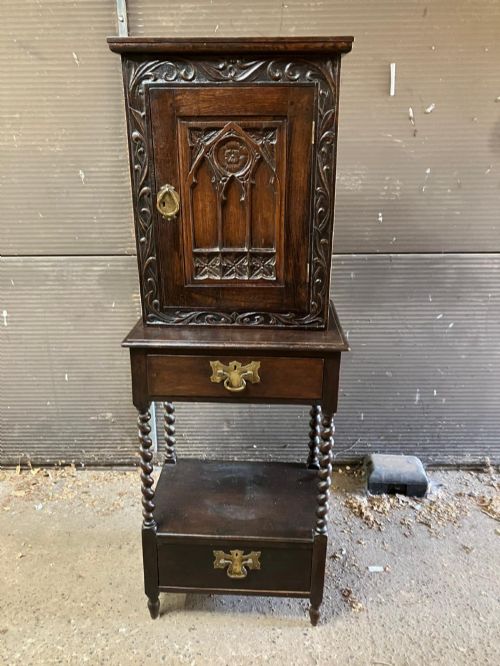
Forms vary from demi-lune shapes designed to sit flat against a wall to bowfront sideboards and compact washstands adapted for modern hallway use. Each piece reflects the functional demands of its original domestic context, reinterpreted for contemporary corridors and landings.
Materials and construction
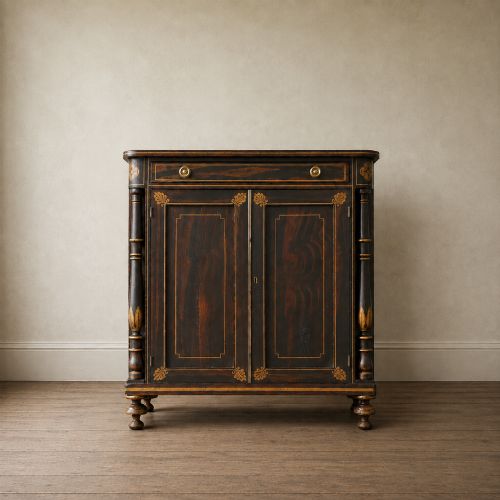
Cabinet makers relied heavily on timber selections like mahogany, walnut, and flame mahogany veneer, often enhanced by simulated rosewood finishes or gilt decoration. These woods provided structural stability and rich grain patterns suited to formal reception spaces.
Listings feature woods including mahogany, walnut, rosewood, and pine, alongside marble and brass elements.
Distinctions in quality
Quality in these cabinets rests upon the precision of the cabinet work, particularly in curved elements like demi-lune shapes and bowfronts where alignment demands exact skill. The choice of timber veneer, such as figured flame mahogany or selected walnut, dictates the visual depth of the surface.
Gillows
The Antique Hallway Side Cabinet Glossary
- Demi-Lune
- Half-moon shape. This term describes tables and cabinets with a curved front and flat back designed to stand flush against a wall.
- Tambour
- Slatted sliding door. This construction uses narrow strips of wood glued to canvas backing to glide around curved cabinet corners.
- Washstand
- Stand for washing equipment. Later adapted for general hallway use, these pieces often incorporate marble tops and secondary storage.
Antique Hallway Side Cabinet: Frequently Asked Questions
What is an antique hallway side cabinet used for?
These cabinets provide surface space for keys and post alongside enclosed storage for everyday items. Their compact footprints suit narrow corridors and entrance halls.
Historically, similar forms served varied domestic functions, from holding wash equipment to displaying ornaments in reception rooms.
How do I style a hallway cabinet?
Pair the cabinet with a simple mirror or wall art to create a balanced entrance focal point. Keep surface objects minimal to highlight the timber grain and period details.
Allow enough clearance around the piece for movement, as hallway layouts often involve doors and foot traffic.
Which periods are common for these cabinets?
Listings frequently include pieces from the Regency, Victorian, and Edwardian eras, alongside Georgian and later twentieth-century examples. Each era introduces distinct proportions and decorative treatments.
Stylistic influences range from classical revival forms to Sheraton and Hepplewhite revivals.
What woods were used for hallway cabinets?
Mahogany, walnut, and rosewood form the primary timbers seen across these listings. Veneers like flame mahogany added decorative visual movement to flat and curved surfaces.
Alternative materials such as pine, marble, and brass appear on specific utilitarian or decorative pieces.