

Victorian Cheval Glass
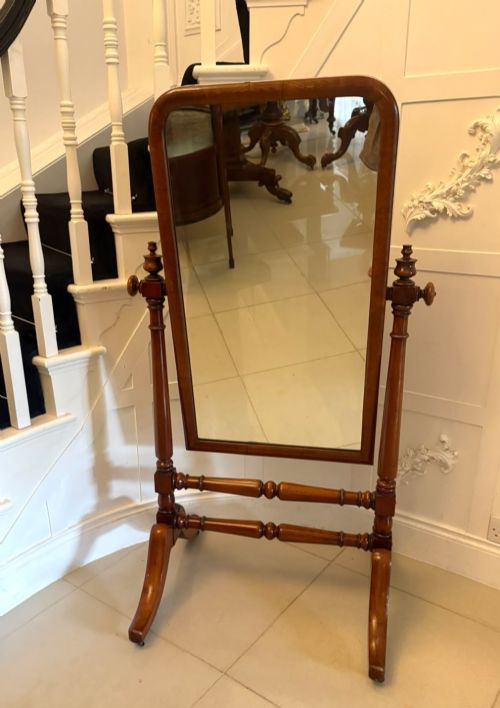
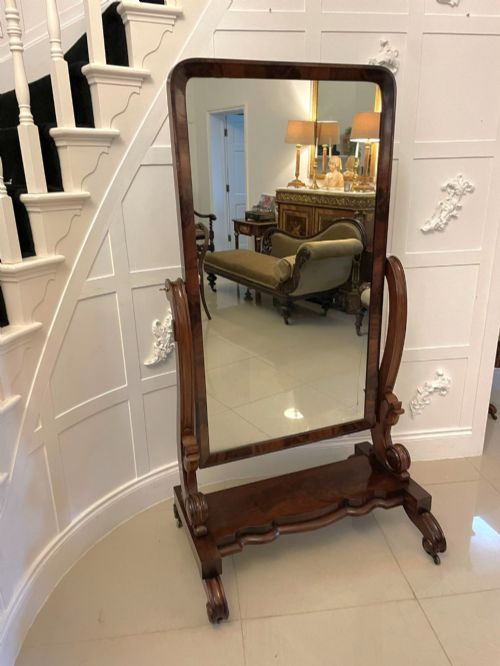
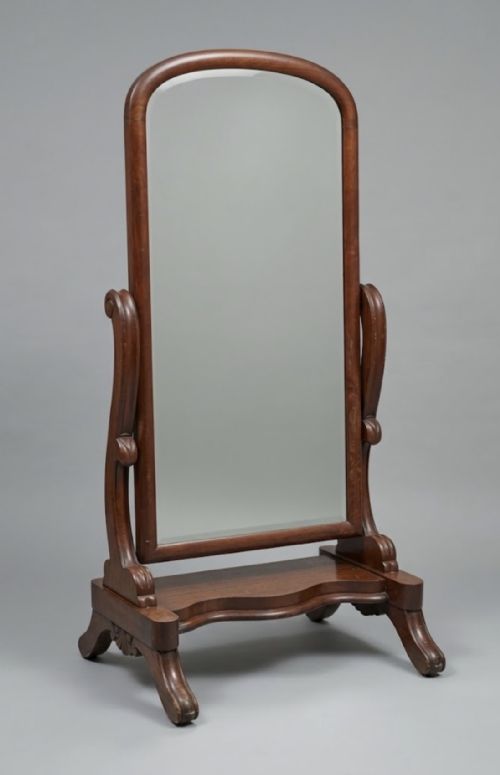
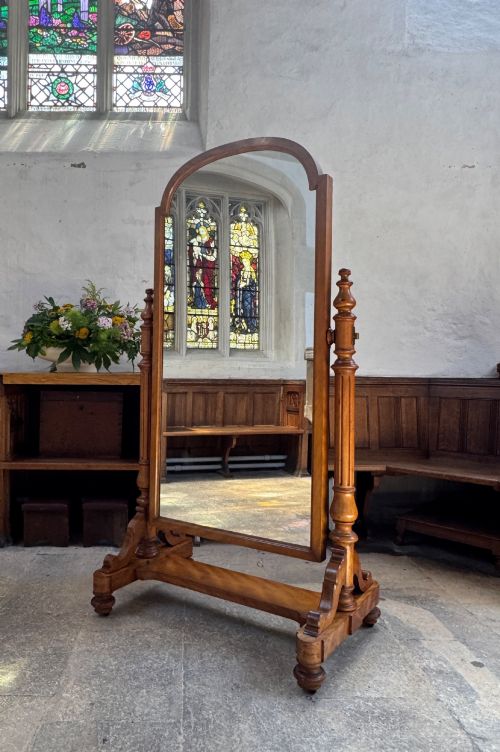
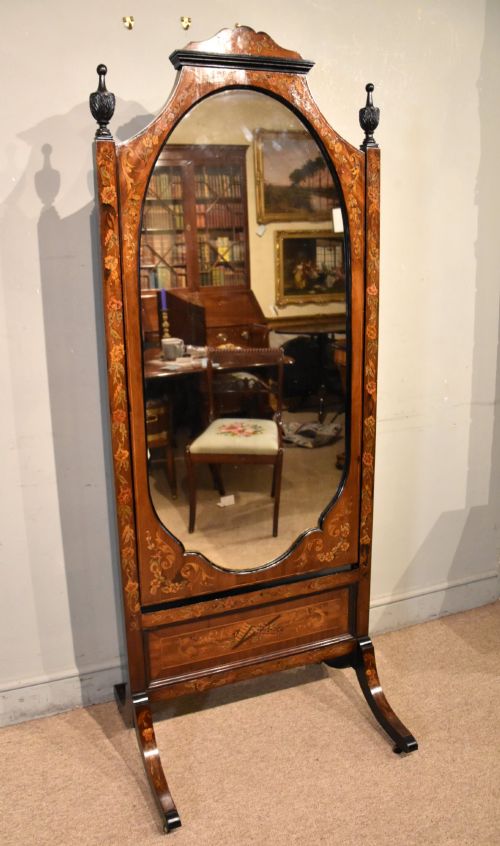
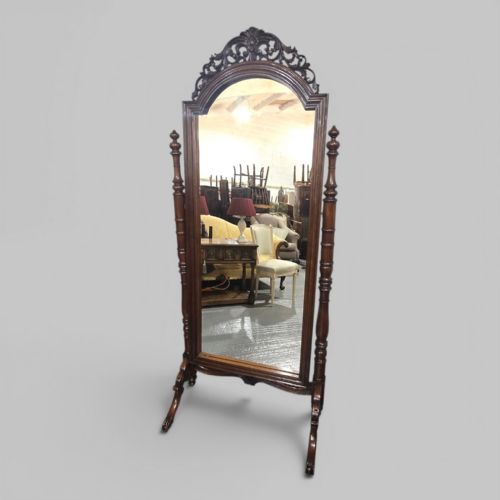
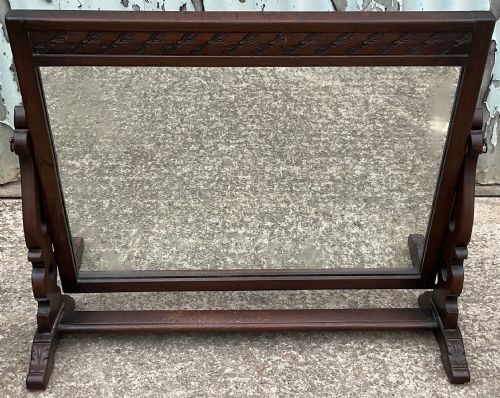
A victorian cheval glass stands as a tall, freestanding swing mirror designed to reflect the full figure in a bedroom or dressing room.
Victorian Cheval Glass
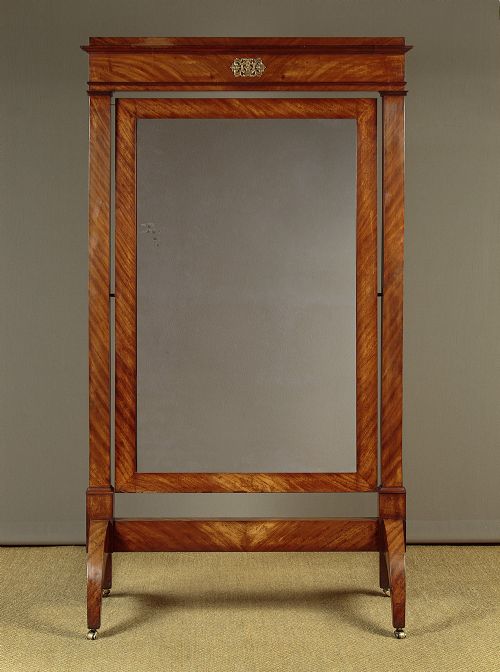
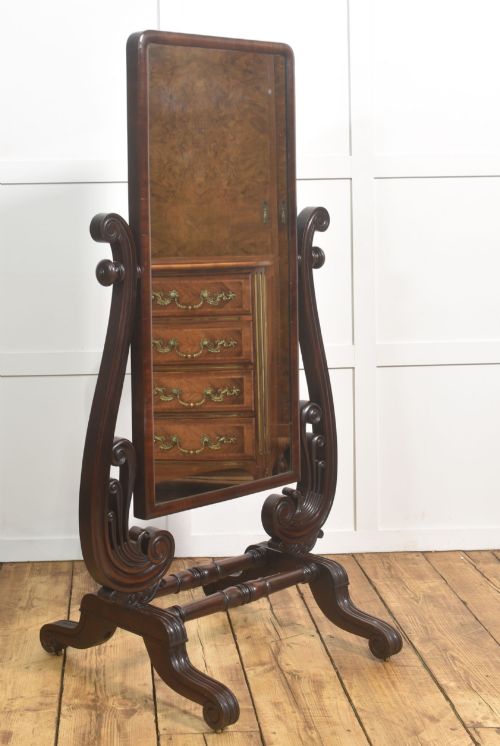
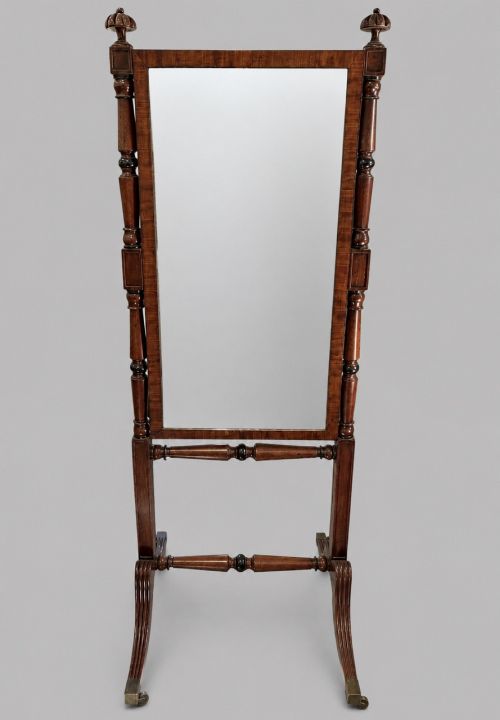
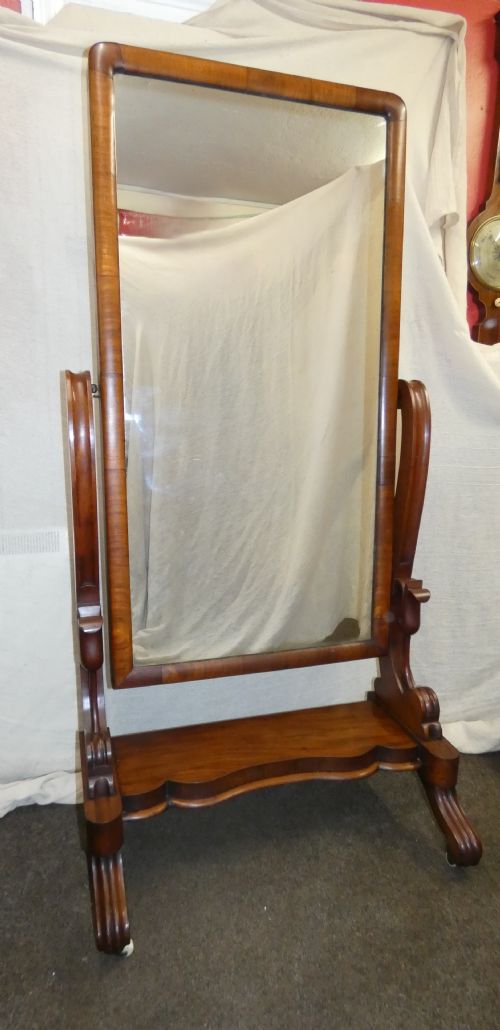
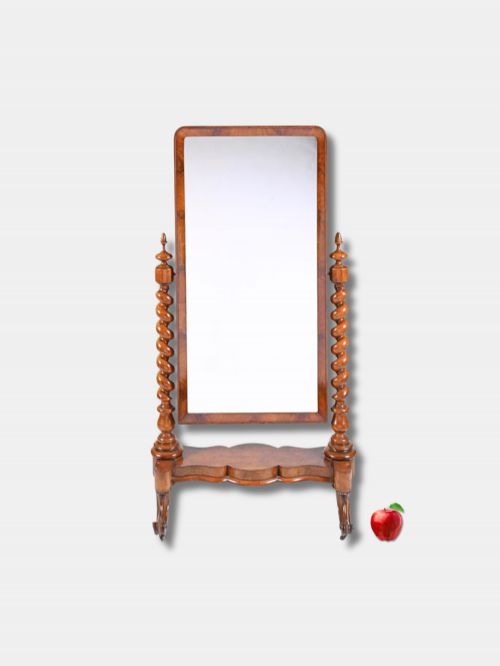
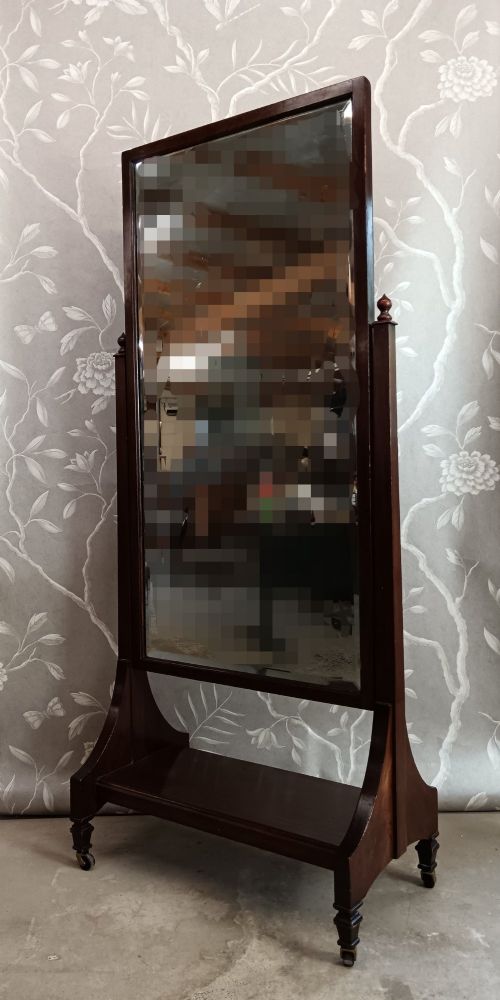
A victorian cheval glass takes the form of a large plate glass mirror suspended within a movable frame, allowing the glass to tilt on vertical pivots between two upright floor-standing supports. These pieces emerge predominantly from the nineteenth century, spanning periods from Regency and William IV designs through to Victorian and Edwardian examples.
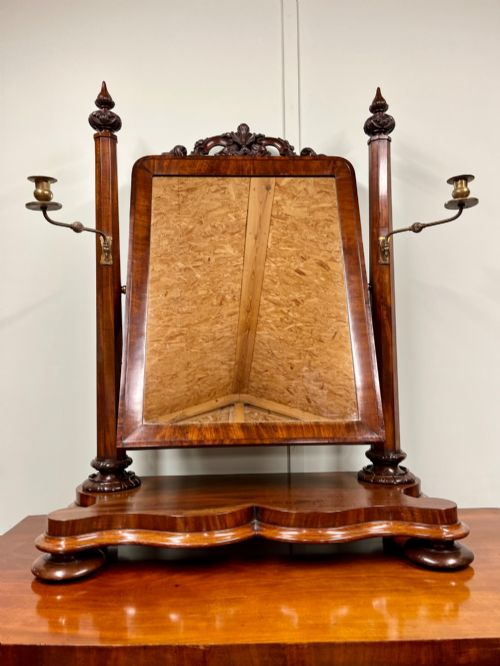
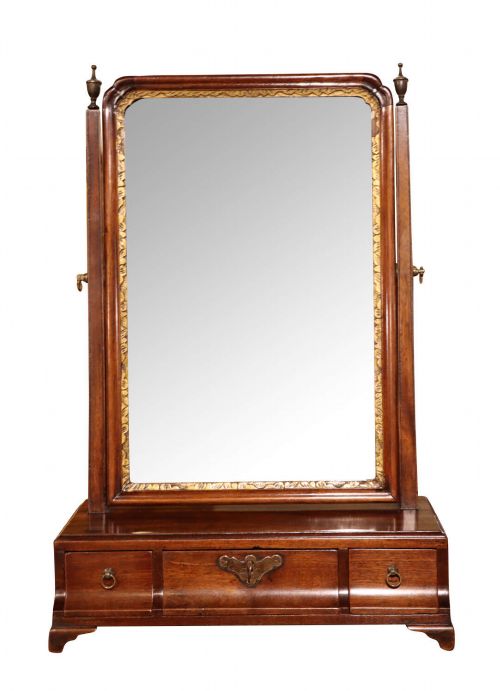
The primary iteration met on this page is the full-length freestanding mahogany floor mirror, though smaller variations such as dressing table and toilet mirrors also appear alongside walnut, oak, satin birch, and giltwood constructions.
Materials and Construction
Cabinet makers built these frames using dense timbers like mahogany and walnut, occasionally incorporating inlay, boxwood, or brass fittings to accent the uprights and scroll feet. Support structures frequently utilise turned columns, including barley twist designs, secured to heavy trestle bases.
The mirror plates themselves are set into pivoting wooden frames, sometimes retaining their original glass and backingboards, with metal trunnions or screws allowing the glass angle to adjust.
Victorian Cheval Glass Retail Price Guide 2026
Typical asking prices for victorian cheval glass among the pieces listed under this phrase on Sellingantiques today, from the lower quarter to the upper quarter. They describe what is for sale here now, not the wider market.
The French named these mirrors after horses because their four-legged floor stands resembled diminutive equestrian mounts.
Grading the Craft
The distinction between standard examples and the finest work lies in the selection of figured timber, the weight and stability of the supporting chassis, and the subtlety of carved details like scrollwork or gilded gesso. Superior pieces maintain rigid uprights that prevent the heavy glass frame from sagging or slipping on its pivots.
Originality of components, particularly the mirror glass and brass pivot hardware, elevates an example above those altered or re-pinned during later restorations.
The Victorian Cheval Glass Glossary
- Cheval glass
- A tall freestanding swing mirror designed for full-length viewing. The name derives from the French word for horse, referencing the four-legged frame or trestle base.
- Pivot
- The metal pin or screw set into the side of the mirror frame that allows the glass to tilt back and forth. These often feature decorative brass thumb screws.
- Trestle base
- The supporting floor structure consisting of two feet connected by a lower stretcher, providing stability to the tall upright posts.
- Toilet mirror
- A smaller version of the swing mirror designed to sit upon a chest of drawers or a dressing table rather than standing directly on the floor.
Victorian Cheval Glass: Frequently Asked Questions
Where do you put a cheval glass?
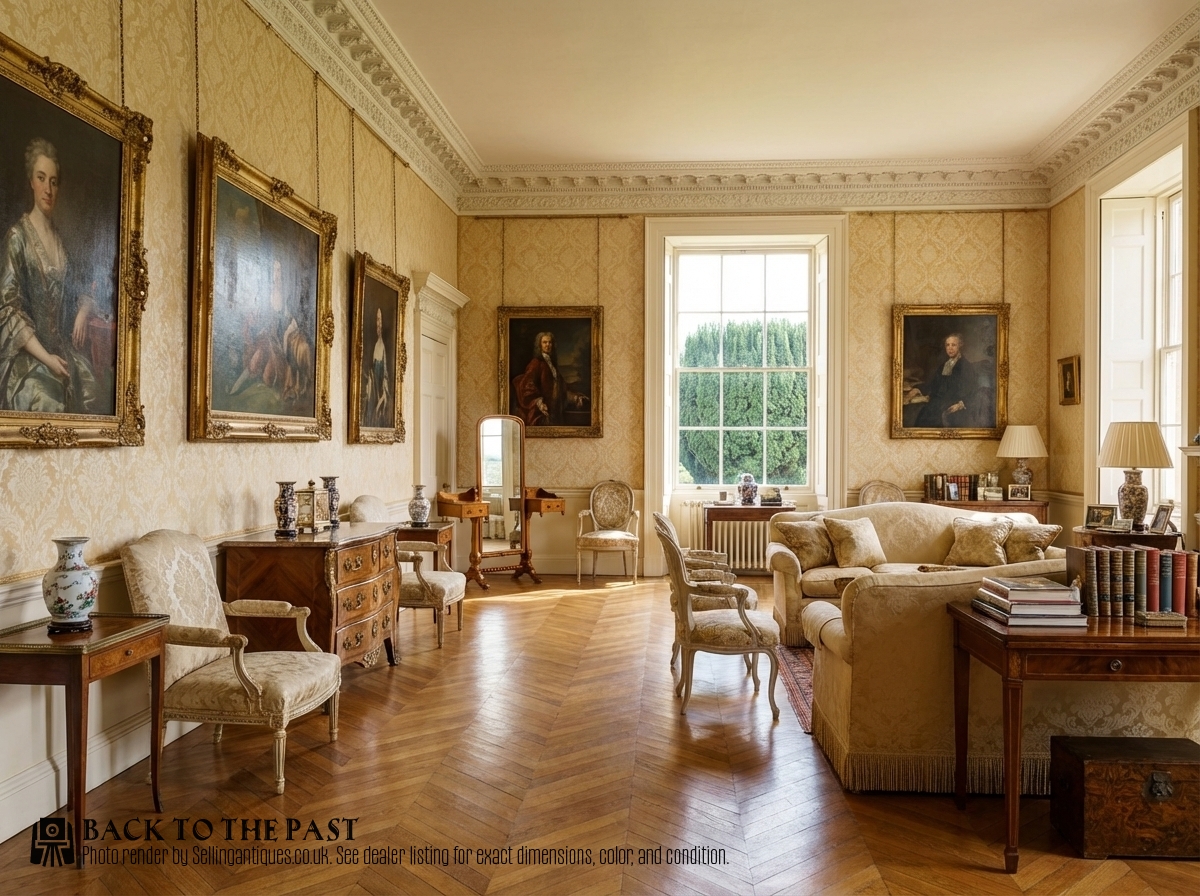
These mirrors suit bedrooms, dressing rooms, or hallways where full-length reflections are required. Their freestanding nature means they need no wall fixings.
Position them near natural light sources to brighten a room while ensuring adequate clearance for the frame to tilt.
How do you adjust the mirror angle?
The glass hangs on central side pivots fitted with threaded thumbscrews or metal nuts. Tightening these mechanisms holds the glass in the chosen position.
If the mirror tilts forward on its own, the pivot hardware simply requires careful tightening on both sides.
Are these mirrors heavy to move?
Solid mahogany and walnut frames combined with thick glass plates make these pieces substantial items. Two people are usually required to move them safely.
Lifting them by the main upright posts rather than the pivoting frame prevents strain on the hardware.
How do I identify a Victorian piece?
Look for construction traits typical of the nineteenth century, such as hand-cut screws, secondary softwood framing behind mahogany veneers, and traditional joinery. The weight of the timber and style of the turnings offer further clues.
Design motifs often align with Victorian, Regency, or William IV stylistic revivals.