


Victorian Cheese Dome
A victorian cheese dome protects your cheddar in style, bringing grand tables and hearty meals right back to life.
Victorian Cheese Dome
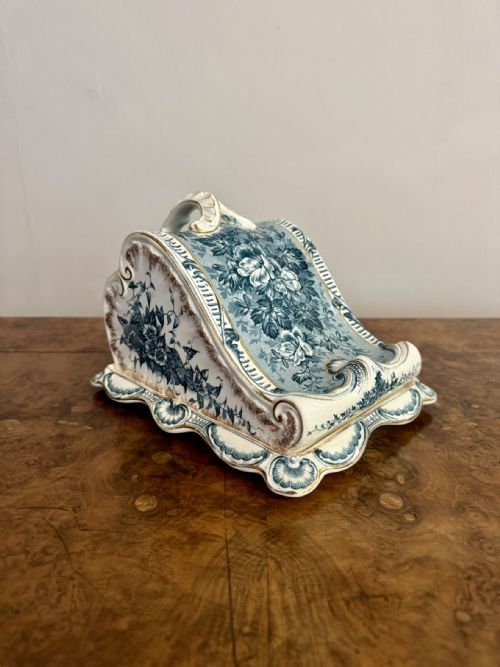
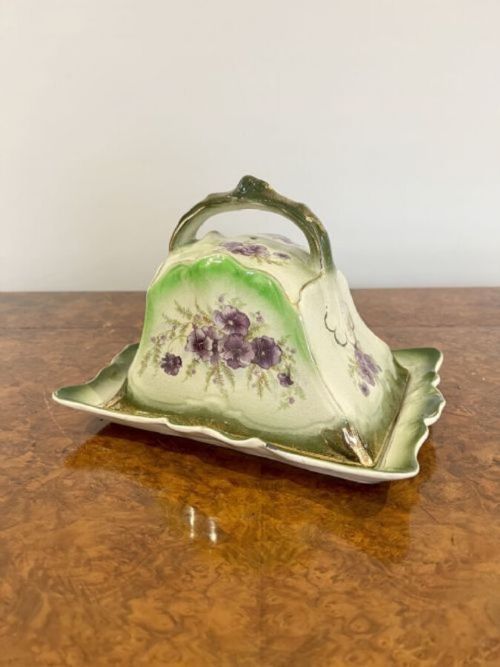
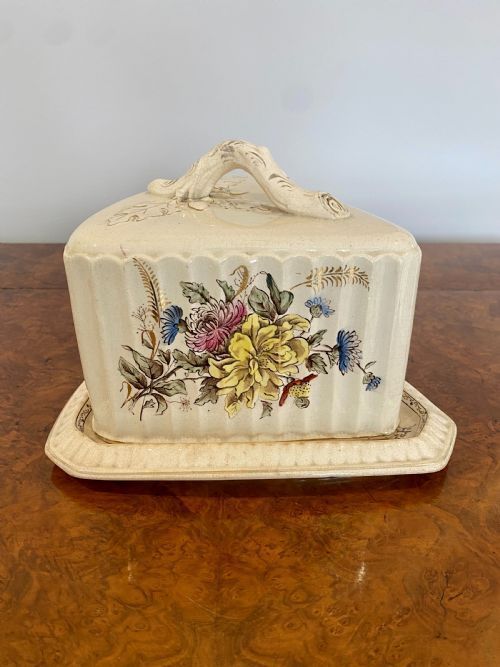
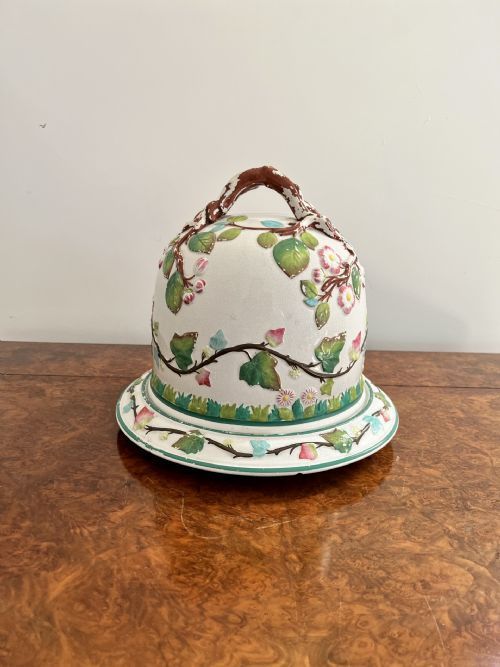
When you search for a victorian cheese dome, you encounter substantial ceramic and glass covers designed to keep Stilton and hard cheeses fresh on the dining table. These pieces typically consist of a matching base plate and a tall, domed cover featuring a central handle or finial.
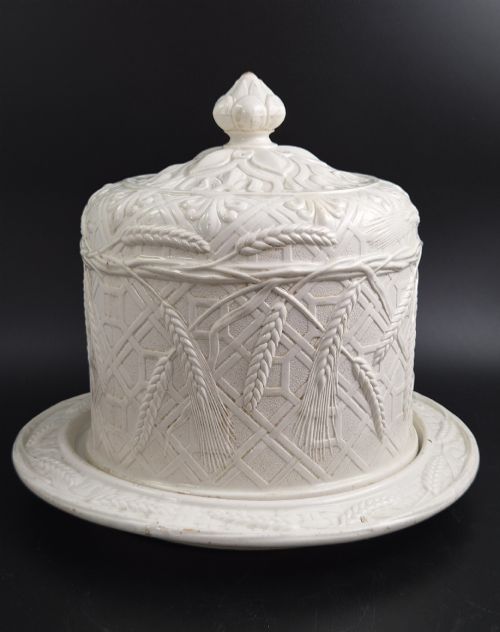
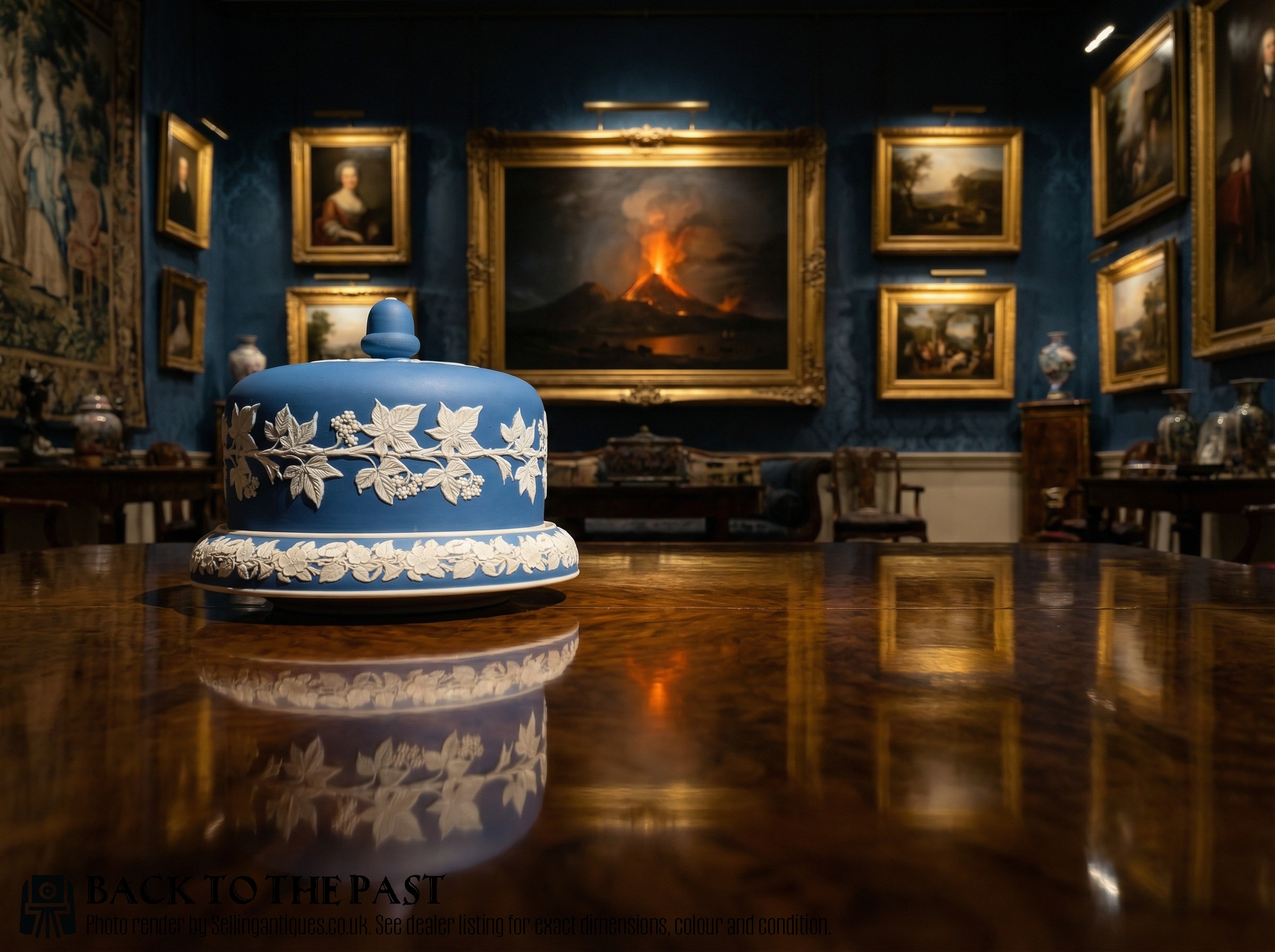
The versions you are most likely to meet on this page hail from the nineteenth century, spanning periods from eighteen sixty to nineteen hundred. They appear in diverse forms ranging from plain white ironstone to heavily modelled majolica and classical jasperware.
How they were made
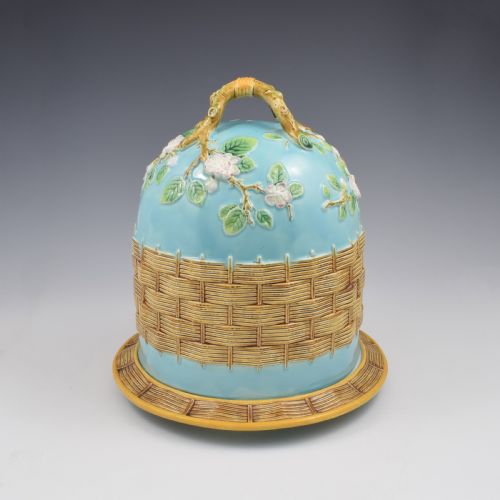
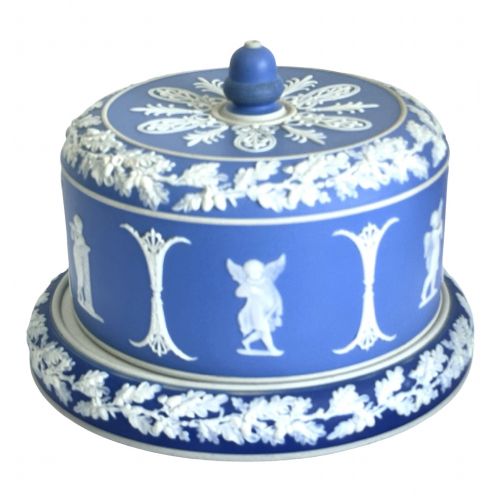
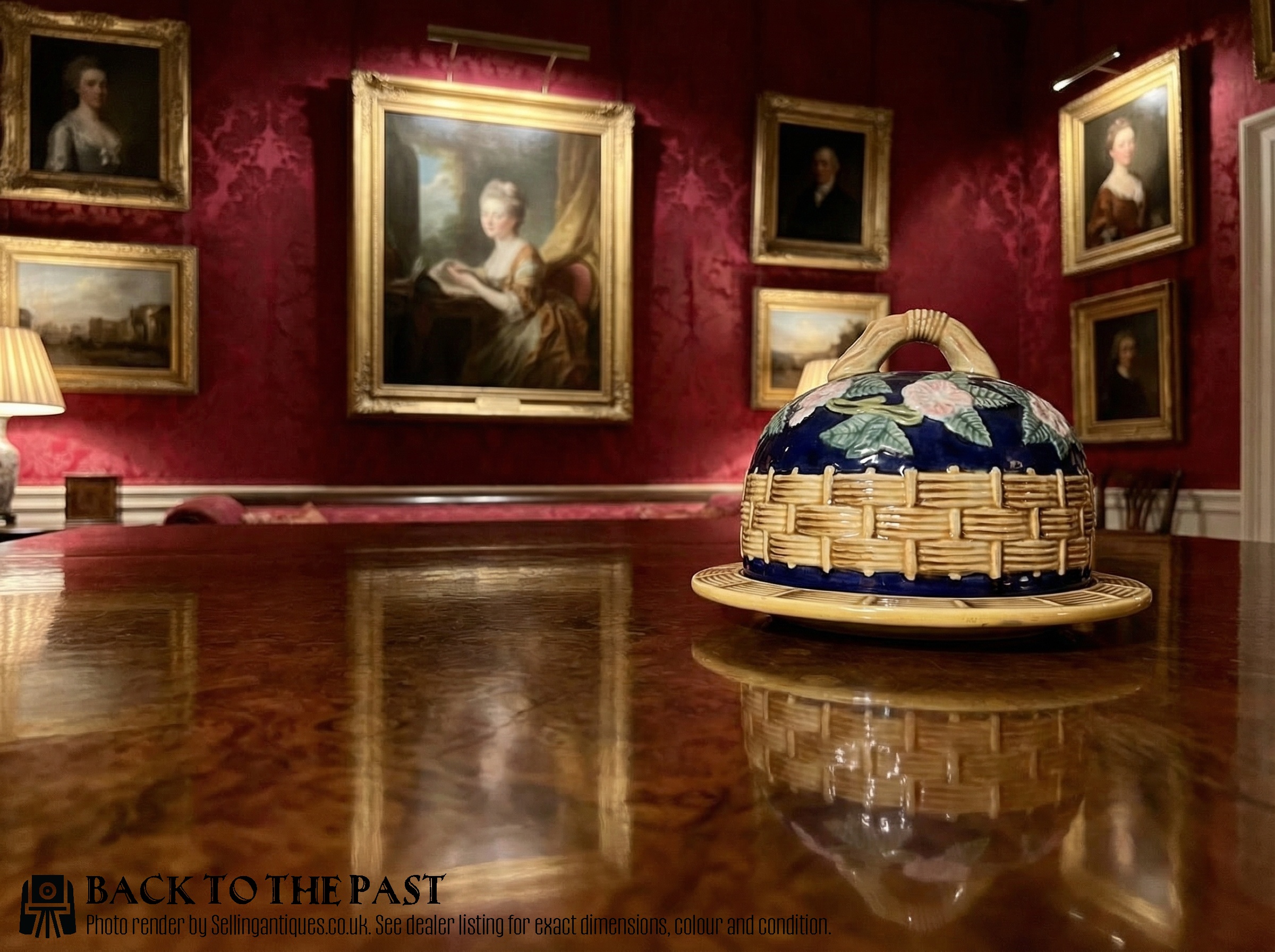
Potters utilised earthenware, stoneware, and ironstone to form the sturdy bodies of these covers, often applying rich coloured glazes or moulded reliefs. Majolica pieces show vibrant coloured lead glazes over naturalistic plant and fruit motifs, whilst jasperware relies on contrasting matte clay bodies and applied white classical sprigs.
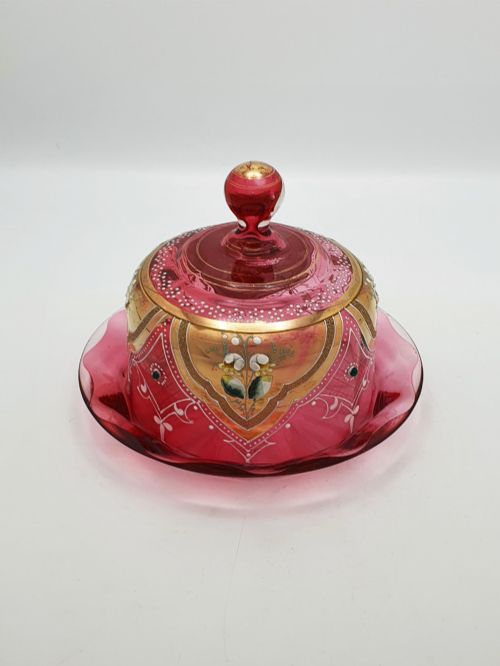
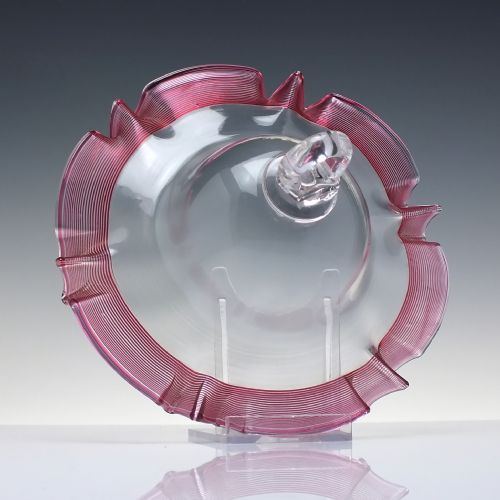
Makers also turned to blown glass, sometimes in striking cranberry hues, paired with ceramic or silver-plated stands. These varied materials required careful firing in kilns to achieve the durable finishes necessary for daily dining room service.
Some nineteenth-century diners required towering bell covers specifically designed to house entire cheeses without clipping the rind.
What varies in quality
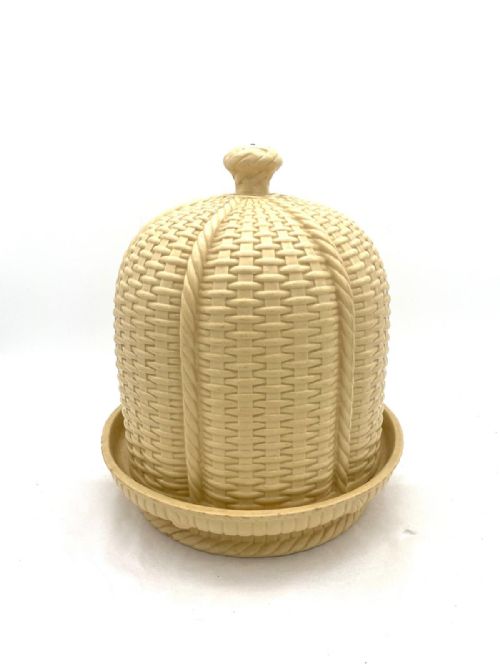
The distinction between ordinary utility wares and exceptional pieces rests upon the crispness of the moulding and the ambition of the design. Elaborate basket weave textures, naturalistic apple blossoms, and pagoda patterns demand superior sculptural skill from the potter.
Weight and proportion also separate the grades, as larger proportions and matched original stands elevate a piece significantly. Finer examples display meticulous hand-painted details or deeply struck maker marks that reflect top-tier Staffordshire and continental workshops.
George Jones·Wedgwood·James Dudson·Copeland·Masons
The Victorian Cheese Dome Glossary
- Ironstone
- A dense, heavy ceramic developed to resist chipping and cracking during heavy household use. It forms the robust white body of many nineteenth-century dairy and table wares.
- Majolica
- A type of earthenware covered with an opaque tin-lead glaze and painted with brilliant metal-oxide colours. It became immensely popular for nineteenth-century serving dishes featuring botanical motifs.
- Jasperware
- A fine-grained, unglazed stoneware pioneered by Wedgwood, characterised by contrasting pastel backgrounds and applied white classical reliefs. It lends a neoclassical dignity to cheese bells and stands.
- Drabware
- A stoneware body coloured in muted grey, olive, or brownish-khaki tones. It provides a quiet, understated background for basket weave and relief-moulded designs.
- Stilton dome
- A tall, cylindrical variation of the cheese cover designed specifically to accommodate tall British blue cheeses. These towers often require separate matching stands.
Victorian Cheese Dome: Frequently Asked Questions
What is a cheese dome used for?
These large covers kept strong cheeses moist and prevented their powerful aromas from escaping into the dining room.
Servants brought them to the table at the conclusion of the meal for the final course.
How do I clean an antique dome?
Wash these ceramic and glass pieces gently by hand using warm water and mild soap.
Avoid soaking antique ironstone or majolica for long periods to protect the historic glaze.
Are these domes microwave safe?
Historic ceramics contain delicate nineteenth-century bodies and glazes that cannot withstand modern thermal shock.
Keep them out of microwaves and dishwashers entirely to preserve their finish.
How do I date a cheese dome?
Examine the base for impressed registry marks, potter initials, and the specific weight of the ceramic body.
Stylistic cues like majolica fruit motifs or classical jasper sprigs also point toward distinct decades.