


Victorian Chased Silver Pot
These Victorian chased silver pot selections bring intricate nineteenth-century craftsmanship directly to your table, offering both decorative charm and functional history.
Victorian Chased Silver Pot
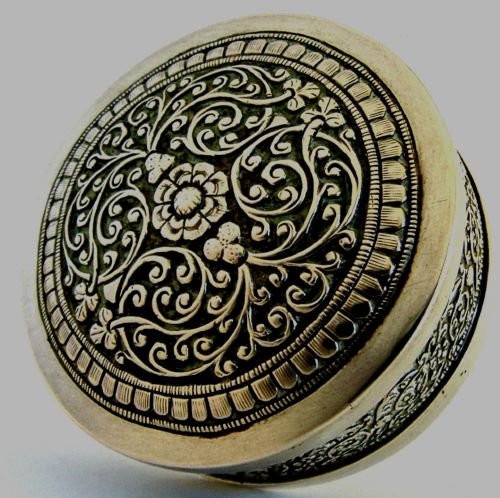
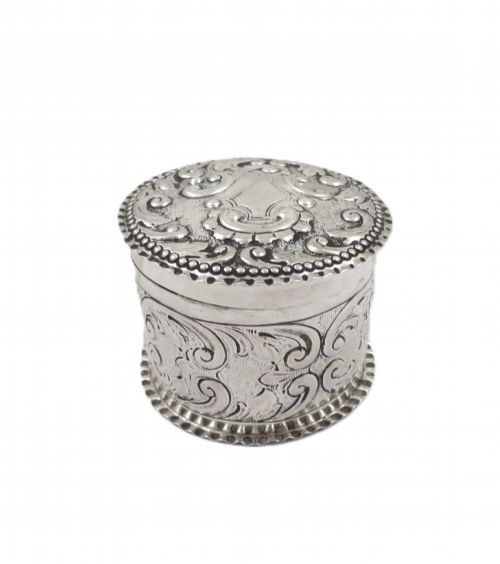
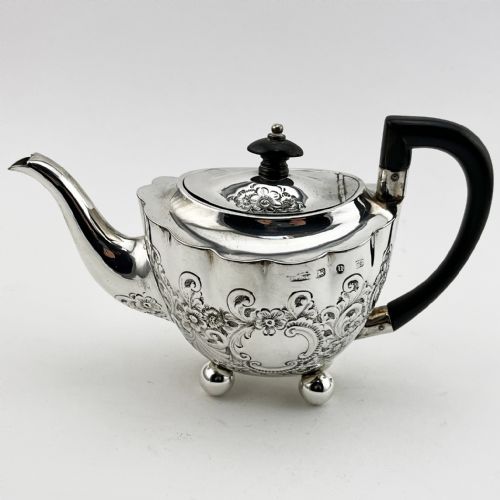
A victorian chased silver pot encompasses tea and coffee vessels, mustard and condiment pots, and small boxes created during the nineteenth century, spanning periods from 1850 through to 1900. These items frequently display detailed surface work hammered from sterling silver, silver plate, or solid silver.
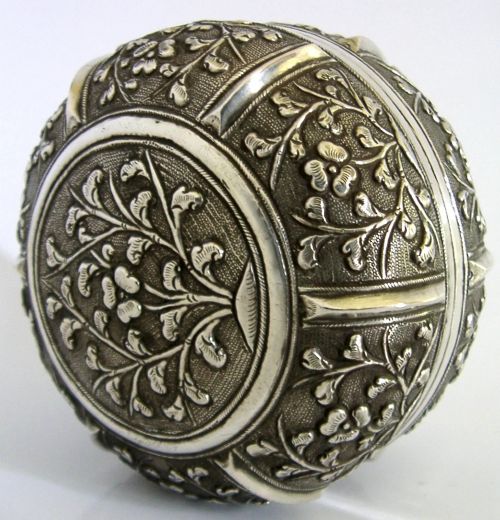
Buyers frequently encounter pieces shaped during the Victorian era alongside related Anglo-Indian and Asian export variations from around 1900. Forms range from bachelor teapots and four-piece tea sets to lidded jars and pepper pots.
The assortment reflects diverse stylistic influences, including Victorian Rococo Revival and Indo-Chinese export designs. Many incorporate functional elements such as wooden handles, bone insulators, glass liners, and ebonised wood details.
Materials and methods
Silversmiths utilised sterling silver, solid silver, and silver plate as the primary metals for forming body structures and hinged lids. Workers often employed chasing techniques to depress the metal from the front, creating raised decorative patterns across fluted surfaces.
Functional additions required secondary materials, resulting in pieces fitted with bone insulators to prevent heat transfer on handles, alongside ebonised wood and glass components. Some items incorporated crests or were manufactured by firms like Boardman Glossop and Co.
Materials recorded across the selection include sterling silver, silver plate, ebonised wood, glass, and bone insulators.
Assessing quality and craftsmanship
The depth and clarity of the chased decoration separate standard vessels from finer examples, as sharper relief work demands greater skill from the silversmith. The crispness of fluted bodies and the precise alignment of hinged lids indicate superior workmanship.
The integrity of secondary materials, such as well-fitted bone insulators and intact glass liners, influences the overall standard of a piece. Maker marks and clear hallmarks also contribute to establishing the pedigree of the metalwork.
Boardman Glossop and Co
The Victorian Chased Silver Pot Glossary
- Chasing
- A metalsmithing technique where the artisan punches and hammers the metal from the front to create a raised, ornamental design. This method adorns many nineteenth-century tea services and small boxes.
- Sterling Silver
- An alloy consisting of pure silver and other metals, typically copper, standardised for durability and lustre. Most Victorian tablewares utilise this material for its lasting quality.
- Silver Plate
- A base metal layer coated with a thin layer of pure silver through electroplating or older techniques. Items produced this way offer the appearance of solid silver at a different scale of production.
- Bone Insulator
- Small spacers inserted into handles to halt the transfer of heat from boiling liquids to the user's hand. These functional additions appear frequently on teapots and coffee pots.
- Fluted Body
- A surface finished with parallel hollows or grooves running vertically along the metal. This decorative shaping appears on tea sets and lidded jars from the period.
Victorian Chased Silver Pot: Frequently Asked Questions
What is a Victorian chased silver pot used for?
These vessels served practical functions in nineteenth-century households for serving tea and coffee or holding mustards and condiments at the dining table. Smaller boxes and jars were kept on dressing tables for trinkets and vanities.
Today, they continue to function in domestic settings while acting as decorative focal points that showcase period metalwork.
How do I care for silver pots?
Regular dusting with a soft cloth prevents tarnish build-up on chased surfaces without harming the detailed relief work. Avoid harsh abrasive cleaners that wear down the thin layers of silver plating or soften crisp chasing lines.
Keep pieces away from damp environments to protect any integrated wooden handles, bone insulators, or glass components.
How can I tell the period?
Hallmarks stamped onto the metal provide the most reliable indication of a piece's manufacturing date and origin. Maker marks, date letters, and assay office symbols help narrow down the exact decade.
Stylistic cues such as Rococo Revival curves or specific regional export designs also point toward the broader nineteenth-century timeframe.
What is the difference between solid silver and plate?
Solid silver and sterling silver consist of the precious metal throughout the entire structure of the object. These pieces carry official hallmarks indicating their metallic composition and purity.
Silver-plated items utilise a base metal core beneath a thin exterior coating of silver, often produced by firms such as Boardman Glossop and Co.