


Victorian Silver Dining Accessories
These victorian silver dining accessories bring the weight of nineteenth-century tables to modern meals through pepper grinders, salt cellars, and grape shears.
Victorian Silver Dining Accessories
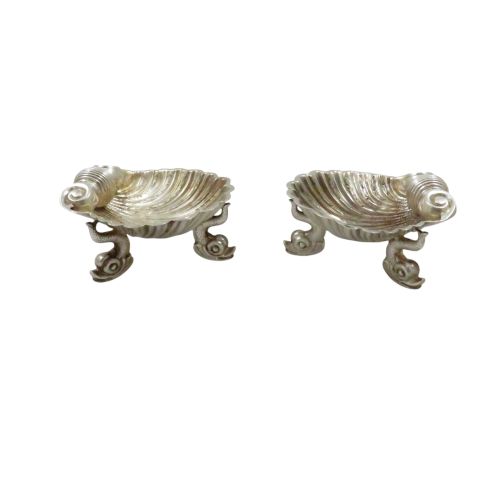
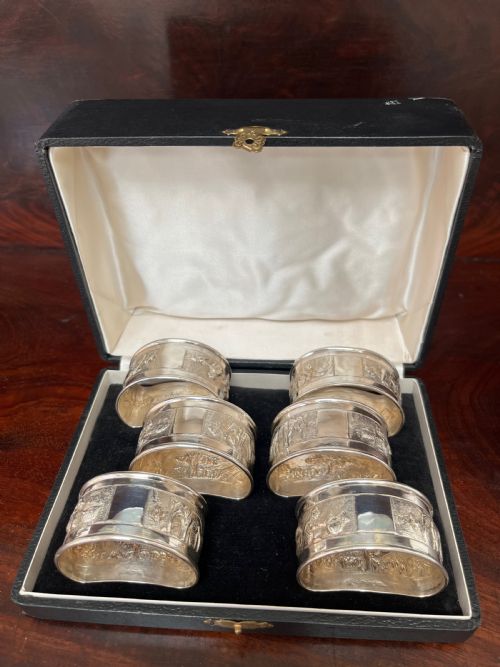
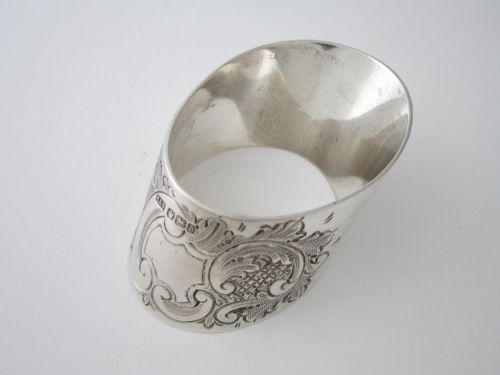
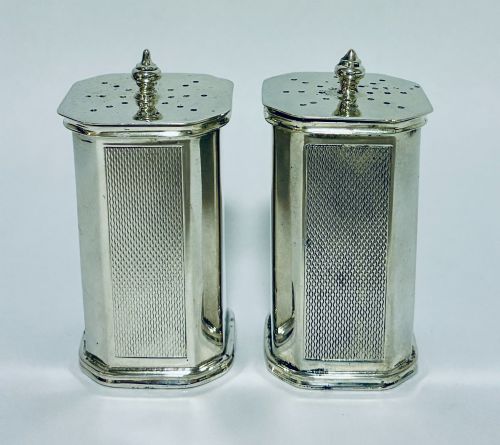
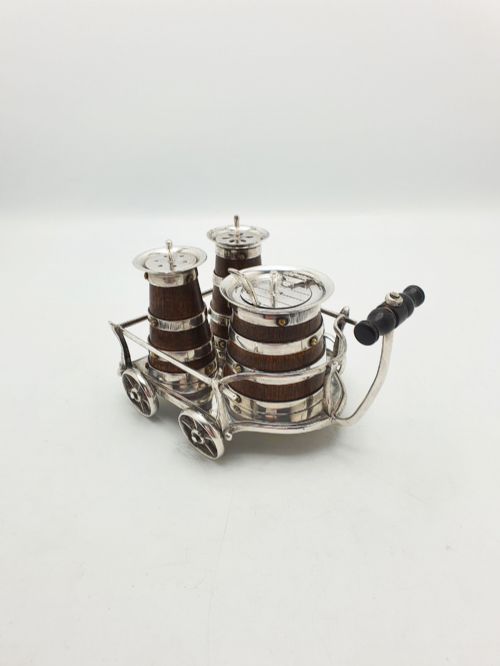
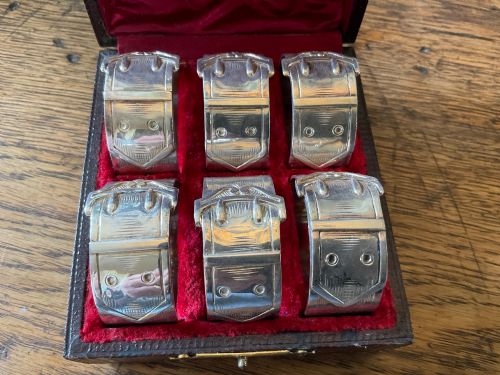
Victorian silver dining accessories comprise the functional items placed across nineteenth-century tables to manage courses, condiments, and napery. When exploring this selection, buyers encounter objects ranging from salt cellars and napkin rings to spoon warmers, cruet sets, and knife rests.
The material record spans sterling silver and silver plate, frequently combined with glass, wood, velvet, silk, and leatherette. Forms follow specific dining rituals, including marrow scoops, ham bone holders, and grape shears designed for formal meals.
Stylistic variations draw upon Victorian naturalism, Egyptian Revival, Scottish Revival, and novelty designs like animal figures. Pieces emerge from the Victorian era alongside Edwardian, Georgian, and later dates into the twentieth century.
Distinctions in Execution
Quality rests upon the crispness of cast ornamentation and the weight of the silver or plating. Finer examples display detailed chasing on animal figures and botanical motifs rather than shallow stamping.
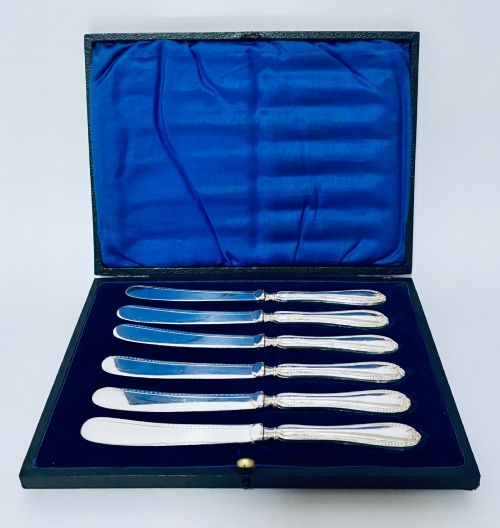
Completeness dictates standing, particularly for fitted cruet sets, cased napkin rings, and condiment sets retaining their original glass inserts. Maker marks and clear hallmarks also separate standard workshop output from distinguished makers.
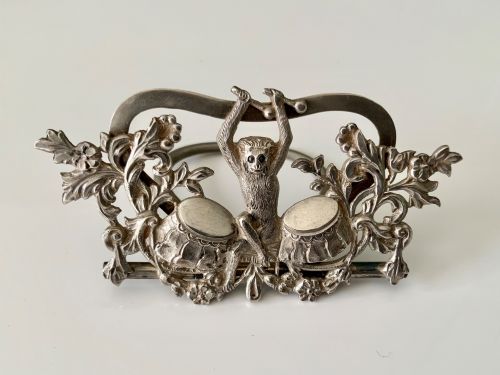
Among the dining accessories, a monkey playing drums serves as an unexpected menu holder.
Elkington & Co·Thomas Smily
The Victorian Silver Dining Accessories Glossary
- Cruet set
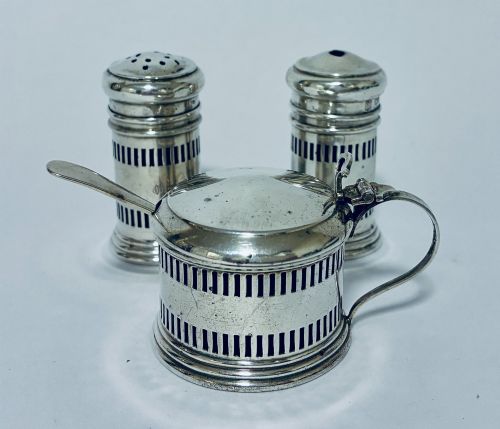
- A matched assembly of bottles, cruets, or castors for holding condiments, vinegar, oil, salt, and pepper at the dining table. These sets often sit within a silver-plated or wooden frame.
- Spoon warmer
- A hollow vessel shaped like a nautilus shell or barrel, filled with hot water to warm soup or dessert spoons before service. They appear in Victorian dining rooms alongside other silver table accessories.
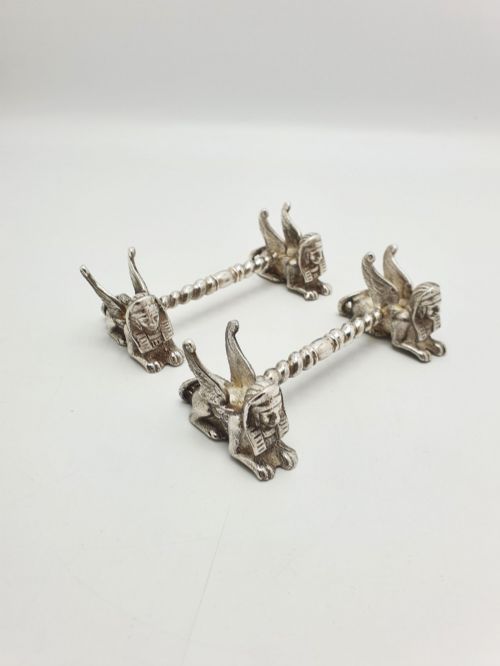
- Knife rest
- A small support placed beside a plate to keep the blade off the tablecloth between courses. They frequently take animal or architectural forms such as sphinxes or bullion heads.
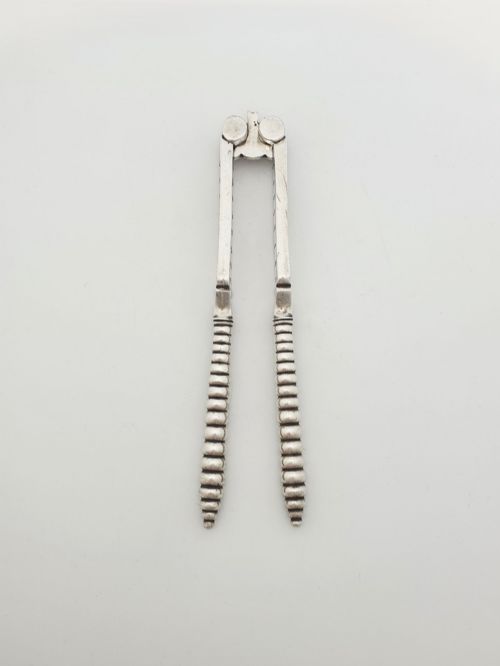
- Grape shears
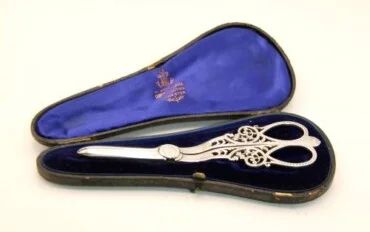
- Specialised scissors designed for cutting clusters of grapes without crushing the fruit. Victorian examples often feature cast scrolling handles and silver gilt blades.
Victorian Silver Dining Accessories: Frequently Asked Questions
How were spoon warmers used?
Spoon warmers held hot water to warm silver spoons prior to serving soup or dessert. Diners received pre-warmed cutlery during formal Victorian meals.
These vessels often took imaginative shapes, such as nautilus shells, barrels, or ornate urns. They sat on the sideboard or dining table during service.
Are these pieces sterling silver or plated?
The selection includes both solid sterling silver and silver-plated items over base metals. Hallmarks on sterling pieces indicate the assay office, standard, and date.
Silver-plated items provide similar decorative and functional utility from the same manufacturing periods. Makers utilised both methods depending on the commission and the object type.
How do I identify the date of a piece?
Dates are determined through hallmarks stamped directly into the silver, alongside style markers and manufacturing techniques. Victorian pieces display specific design traits like naturalistic motifs and Egyptian Revival influences.
Cased sets and accompanying documentation can also point to the production decade. Edwardian and Georgian items appear alongside Victorian examples within the material record.