


Chased Sterling Silver Pot
These chased sterling silver pot pieces are substantial vessels and containers spanning Georgian and Victorian periods, offering tactile chased metalwork that collectors prize for daily use and display.
Chased Sterling Silver Pot
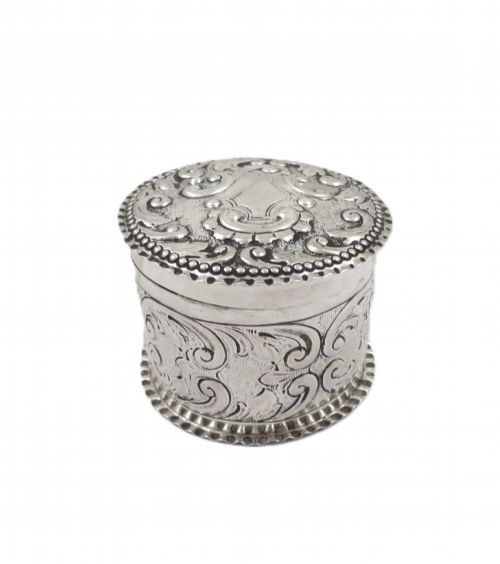
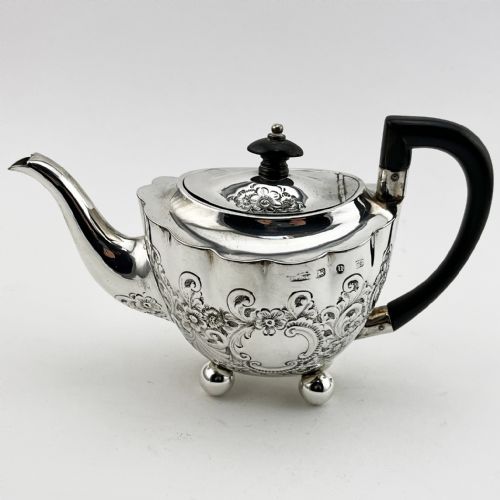
A chased sterling silver pot encompasses practical household vessels and smaller containers, spanning teapots, coffee pots, mustard pots, cruet sets, and trinket boxes. When you search for a chased sterling silver pot, you encounter items shaped by Georgian and Victorian makers for domestic dining and vanity use.
The selection on this page leans toward Victorian and Georgian examples, alongside mid-century British pieces and Elizabeth II sets. Forms range from large lidded tankards and pitchers to diminutive condiment pots, pepper pots, and vanity boxes.
Materials extend beyond metal alone, incorporating wood handles, ebonised wood details, glass bodies, and velvet linings. These combinations reflect the functional requirements of tea service, table condiment holding, and personal dressing table organisation.
How they were made
Silversmiths formed these vessels from sterling silver, shaping bodies through hammering, raising, and casting techniques. Handles frequently incorporate insulating materials like wood or ebonised wood to manage heat during service.
Decoration relies on chasing, where artisans hammered the metal from the front to sink the background and push the ornamental design into relief. This method produced intricate floral, foliate, and scroll motifs across the surface of teapots, tankards, and condiment containers.
Among the silver vessels, a diminutive owl-shaped salt, pepper, and mustard set waits to oversee your dining table.
What varies in quality
Quality rests upon the crispness and depth of the chased decoration, distinguishing sharply struck motifs from worn or shallow surface work. The weight of the silver and the structural balance of handles and spouts also dictate the caliber of each vessel.
Maker execution and provenance elevate certain pieces, as seen in signed works from notable silversmiths like Edward Power or Robert Hennell II. The integration of secondary materials, such as well-fitted wooden handles and clear glass liners, further separates standard production from superior examples.
Edward Power·Robert Hennell II
The Chased Sterling Silver Pot Glossary
- Sterling silver
- A silver alloy containing 92.5 percent pure silver and 7.5 percent other metals, usually copper, chosen for durability.
- Chasing
- A metalworking technique where the smith depresses the front surface with punches to create a raised, ornamental design.
- Mustard pot
- A small container designed for holding prepared mustard at the dining table, often featuring a hinged lid and a glass liner.
- Cruet set
- A matched group of bottles or pots for holding condiments like oil, vinegar, salt, and pepper, fitted within a frame.
- Ebonised wood
- Timber treated to resemble ebony, frequently utilised for teapot handles and insulators to prevent heat transfer.
Chased Sterling Silver Pot: Frequently Asked Questions
What is a chased sterling silver pot?
A chased sterling silver pot is a silver vessel or container ornamented with hammered surface designs. These items range from tea and coffee pots to mustard pots and vanity boxes.
They combine practical domestic utility with decorative metalwork created by silversmiths across the Georgian and Victorian eras.
How do I clean a silver pot?
Cleaning requires a soft cloth and a specialised silver polish to remove tarnish without harming the chased details. Avoid abrasive materials that can wear down the raised relief work.
Wash the piece gently in warm soapy water afterwards and dry thoroughly with a lint-free cloth.
Can I use these teapots daily?
Many silver teapots remain structurally sound for serving tea, provided the interior is clean and the handle insulation is secure. Wooden or ebonised handles protect hands from heat during use.
Careful handling ensures these historical vessels withstand occasional modern service without sustaining damage.
How are Georgian pots dated?
Georgian pots are typically dated using hallmarks stamped directly into the silver. These assay marks reveal the town of origin, the year of manufacture, and the silversmith's mark.
Comparing stylistic cues like shape and chasing patterns alongside these official marks confirms the period.