


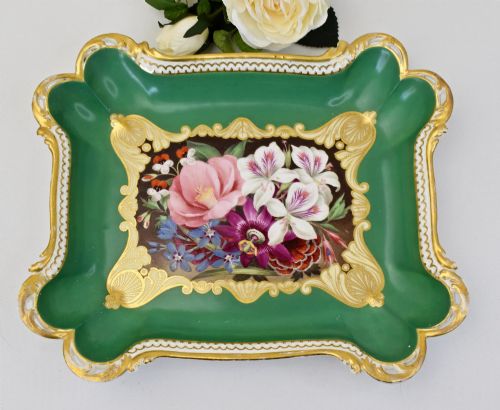


Victorian Ceramic Plaque
A victorian ceramic plaque brings hand-painted portraiture, landscapes, and classical subjects straight from the kiln to interior walls.
Victorian Ceramic Plaque
A victorian ceramic plaque encompasses hand-painted porcelain panels, decorative wall tiles, majolica pottery, and framed porcelain portraits spanning the nineteenth century. These items were designed primarily for interior display, frequently mounted within carved wooden frames or set directly into architectural surrounds and cabinet furniture.
The objects originate from major European ceramic centres across England, Germany, Austria, and France, reflecting diverse regional manufacturing traditions. British potteries such as Copeland, Minton, and Sherwin and Cotton dominate the domestic output, alongside continental works from Berlin, KPM, and Limoges.
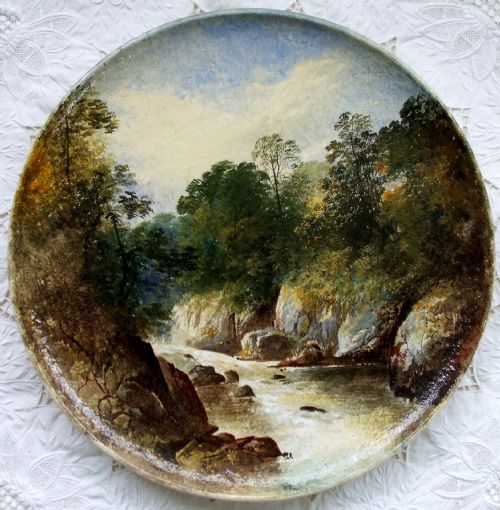
Surviving examples range from single commemorative wall plaques and portrait chargers to pairs of aesthetic tiles and intricate Pâte-sur-Pâte panels. Buyers frequently encounter landscape scenes, literary subjects, and classical copies after Renaissance masters executed on porcelain or earthenware bases.
Materials and Technique
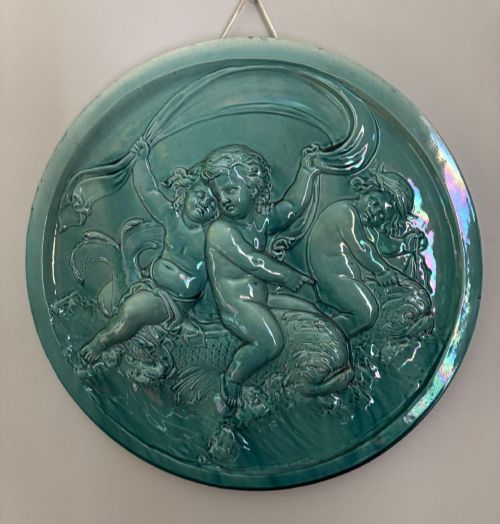
Makers utilised high-fired porcelain and refined earthenware as the primary base materials for detailed pictorial decoration, applying opaque or translucent glazes to create smooth working surfaces. Terracotta and majolica also appear, providing robust grounds for relief modelling and colourful lead glazes.
Decoration relied heavily on meticulous hand-painting using ceramic enamels that required multiple firings in a kiln to fix the colours permanently. Specialist techniques such as Pâte-sur-Pâte built up raised white slip designs over coloured or tinted porcelain bodies to achieve delicate cameo-like reliefs.
Many finished plaques were subsequently mounted into protective enclosures of carved wood, or fitted with gilt or ormolu bronze frames for wall hanging and cabinet display.
Surviving records include a satirical terracotta wall plaque depicting a refugee monkey family in America.
Assessing the Standard
The refinement of the hand-painted brushwork dictates the standard of pictorial plaques, distinguishing delicate portraiture and crisp landscape detailing from generic factory output. Works signed by known artists or executed after established painters demonstrate superior draftsmanship and command greater attention.
The complexity of the ceramic body and glaze application also determines excellence, visible in the depth of Pâte-sur-Pâte relief work, the evenness of majolica glazing, and the crispness of moulded terracotta details.
Copeland·Minton·KPM·Sherwin and Cotton·Ernst Wahliss
The Victorian Ceramic Plaque Glossary
- Pâte-sur-Pâte
- A French ceramic technique where successive layers of liquid white slip are painted onto a contrasting coloured body to build up a low-relief cameo effect. This method demands immense skill from the artist to achieve subtle translucent gradients.
- Majolica
- earthenware pottery decorated with opaque coloured glazes fired over an absorbent biscuit body. It produces vibrant, glossy surfaces often utilised for naturalistic floral and animal motifs.
- Charger
- A large decorative plate intended for display on a wall or dresser rather than for dining use. These pieces frequently feature extensive painted scenes across the central well.
- Porcelain
- A vitrified ceramic material made from china clay and petuntse, fired at high temperatures to produce a dense, non-porous body. It forms the smooth, white ground essential for fine miniature painting.
Victorian Ceramic Plaque: Frequently Asked Questions
What subjects appear on these plaques?
The surface imagery encompasses portraiture of historical figures and fictional characters, detailed Welsh and Scottish landscapes, and mythological scenes copied from Renaissance masters. Botanical studies, satirical animal groups, and religious compositions also feature prominently across different regional factories.
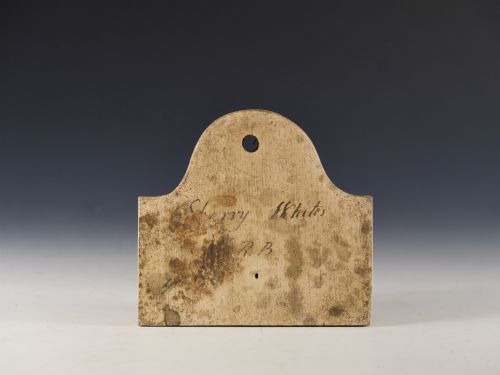
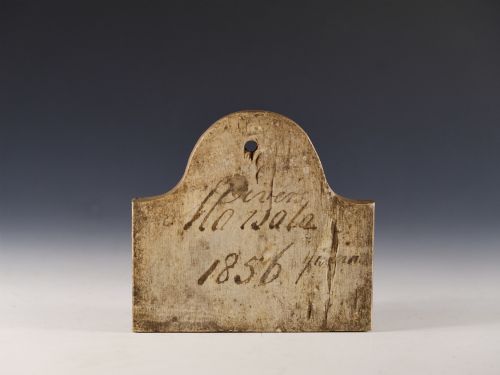
Artists frequently signed their painted compositions directly onto the ceramic surface or inscribed descriptive titles and reference numbers on the reverse of the plaque.
How were these wall items displayed?
Most pieces were manufactured with integrated suspension loops or mounted within bespoke wooden, gilt, or ormolu frames designed specifically for interior wall hanging. Some examples were integrated directly into cabinetry, mirror backs, or tiled architectural fireplace surrounds.
Their substantial weight and decorative framing meant they functioned as permanent fixtures of Victorian interior decoration rather than portable ornaments.
How do you distinguish porcelain from earthenware?
Porcelain exhibits a dense, white, and completely non-porous body that often transmits light when held near a bright source, whereas earthenware is heavier, opaque, and more porous. Earthenware bodies frequently support colourful majolica glazes or terracotta relief modelling.
Examining the unglazed foot rim or the reverse of an unmounted plaque reveals the underlying composition of the ceramic body.
Are artist signatures common?
Signed examples do appear, particularly on works produced by notable painters working for major porcelain manufacturers or independent studios. Signatures authenticate the individual hand behind the miniature painting, distinguishing factory batch work from artist-led pieces.
Unsigned plaques remain frequent, often identified instead by factory impressed marks, registration numbers, or titled paper labels on the reverse.