



Victorian Ceramic Ewer
When you seek a Victorian ceramic ewer, you examine pieces shaped from porcelain and earthenware, decorated with glaze, enamel, and gilding.
Victorian Ceramic Ewer
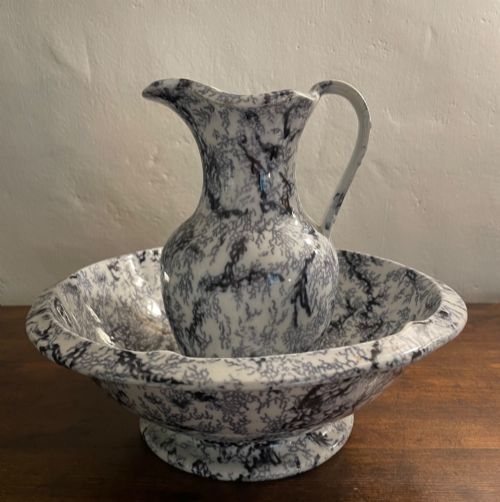
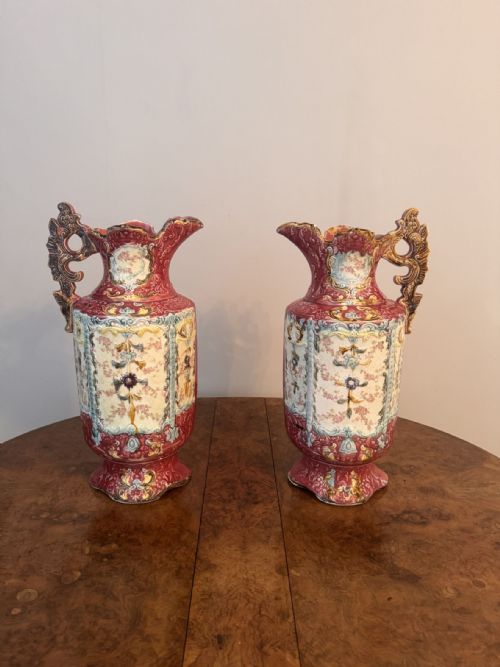
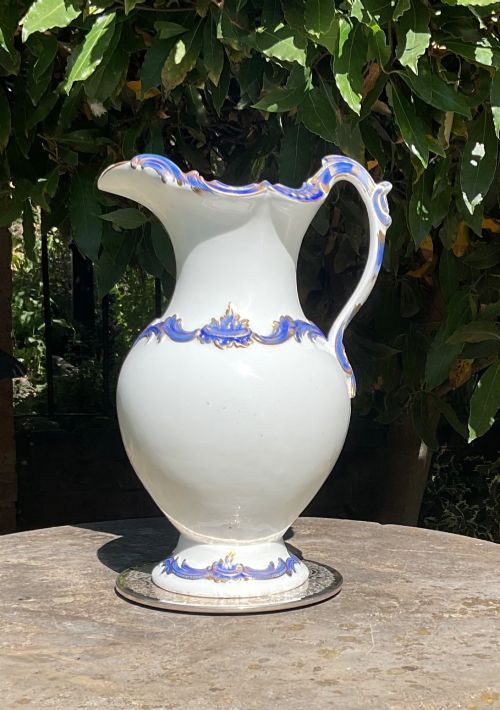
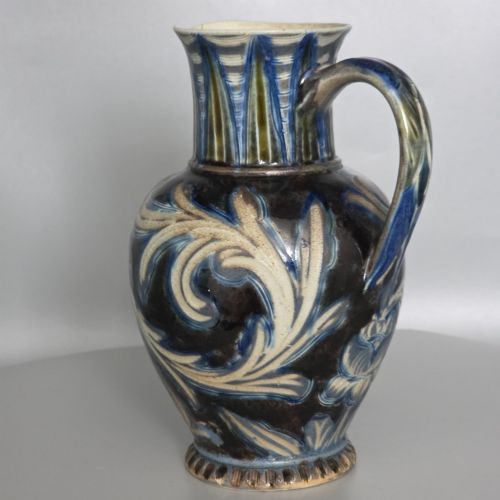
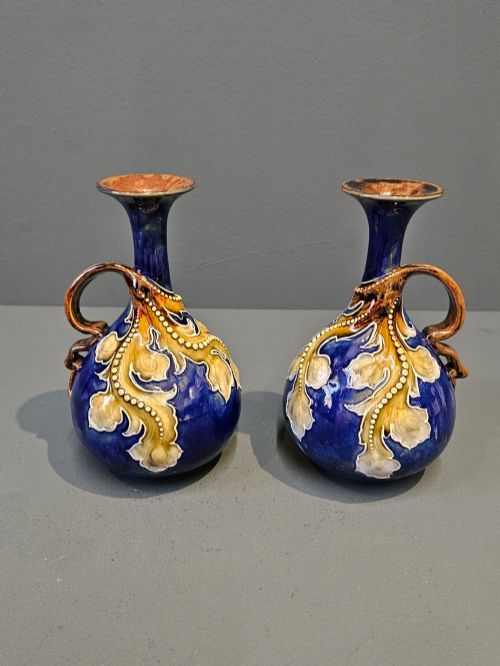
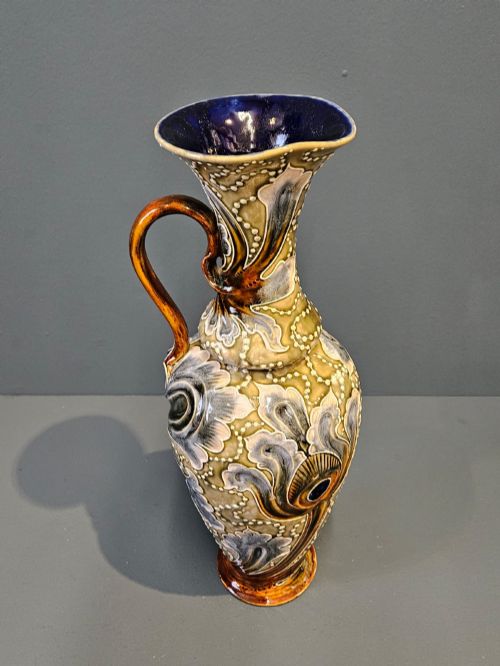
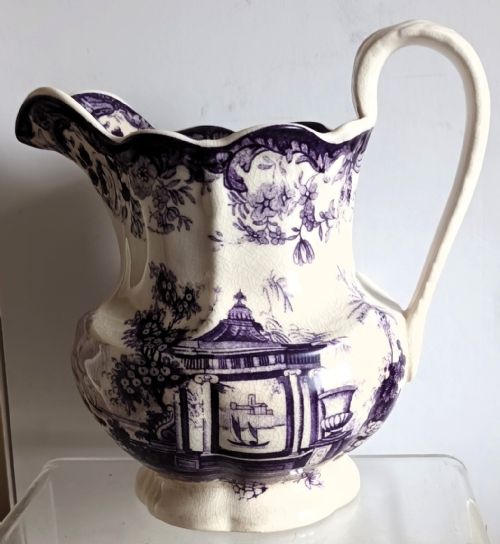
A Victorian ceramic ewer represents a specific branch of nineteenth-century decorative pottery, spanning periods from the early nineteenth century through to the Edwardian era. You encounter these vessels in forms ranging from standalone decorative ewers and monumental wine ewers to matching jugs and basins intended for wash sets.
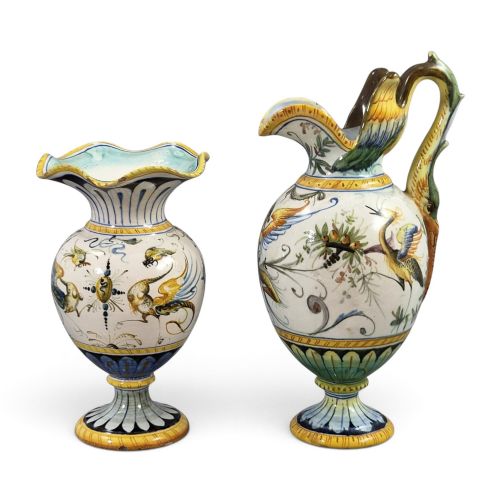
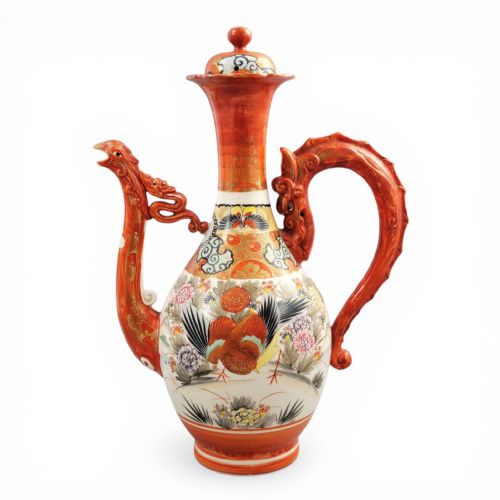
The aesthetic vocabulary encompasses varied revivals and movements, linking pieces from English potteries like Royal Worcester, Doulton Lambeth, and Minton with continental European examples from French and German makers. Alongside traditional handled pitchers, the category includes reticulated porcelain pieces, cleft jugs, and oriental-inspired designs that reflect the eclectic tastes of the period.
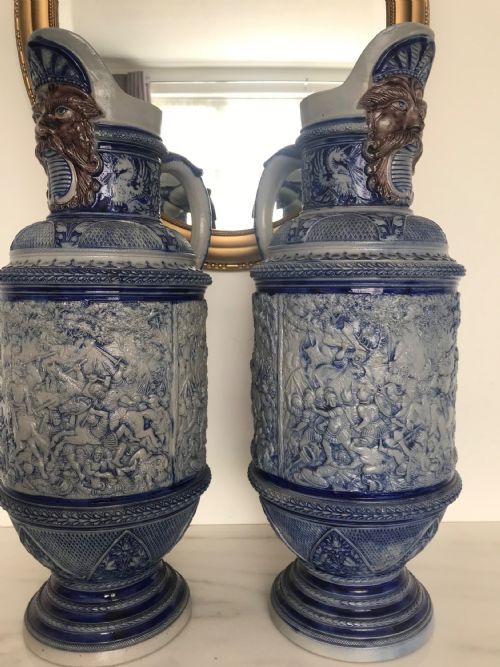
Makers utilised diverse regional traditions, resulting in items that shift from robust salt-glazed stoneware to delicate blush ivory porcelain. Whether styled with Renaissance Revival motifs, Aesthetic Movement patterns, or Arts and Crafts influences, each ceramic ewer serves as a tactile record of Victorian design ambition.
Materials and technique
Potters built these vessels using foundational ceramic bodies such as porcelain, earthenware, and ironstone, shaping them either by throwing on the wheel or by moulding complex forms like grotesque handles and mythological figures. Once formed, the pieces received liquid clay slips, cobalt blue pigments, or opaque white glazes before undergoing high-temperature kiln firing.
Surface ornamentation required specialised skills, combining hand-painting with transfer printing, incised carving, and flower encrustation. Many workshops applied gold leaf, gilt, or raised gold decor over the fired glaze, sealing the precious metals with a secondary low-temperature fix.
Materials recorded across the inventory include porcelain, earthenware, salt-glazed stoneware, ironstone, and gold leaf.
Standards of execution
The division between standard production and top-tier work rests upon the precision of the modelling and the crispness of the applied decoration. Superior pieces display finely incised details, cleanly moulded handles, and expertly registered transfer prints without smudging or pooling in the glaze.
Artistic collaboration elevates certain works, particularly when pieces bear the signatures of known ceramic artists or display hand-painted mythological scenes and naturalistic subjects. The complexity of the firing process also dictates worth, as multi-stage gilding and intricate reticulated openwork demand advanced technical mastery.
Doulton Lambeth·Royal Worcester·Minton·Mason's·Cantagalli·Royal Crown Derby·Grainger Worcester·Simon Peter Gerz
The Victorian Ceramic Ewer Glossary
- Ewer
- A large jug with a wide spout and a curved handle, traditionally used for holding water or wine.
- Ironstone
- A heavy, durable type of earthenware patented in the nineteenth century to imitate Chinese porcelain.
- Reticulated
- Decorated with an openwork network pattern resembling a net or lattice, often cut into the porcelain before glazing.
- Salt Glaze
- A glossy, textured finish created by throwing common salt into the kiln during high-temperature firing.
- Transfer Printing
- A technique where a design is engraved on a metal plate, printed on tissue paper, and transferred onto the unglazed ceramic body.
Victorian Ceramic Ewer: Frequently Asked Questions
How were these ewers used?
Many of these vessels functioned as functional water jugs or wine servers at the dining table, while others formed part of larger bedroom wash sets alongside matching basins.
Over time, many ewers transitioned from practical utility to purely decorative display pieces on mantelpieces and sideboards.
How do I date a ceramic ewer?
Dating relies on identifying factory backstamps, impressed potters' marks, and registration numbers stamped into the underside of the ceramic body.
Stylistic indicators, such as Aesthetic Movement motifs or Art Nouveau curves, also help narrow the manufacturing window within the nineteenth and early twentieth centuries.
Are these pieces waterproof?
Most glazed ceramic and porcelain ewers remain fully vitrified and capable of holding water without seeping through the body.
However, pieces with delicate gilt decoration or historical surface repairs are better reserved for dry display rather than active daily use.
How do I clean an antique ewer?
Dusting with a soft, dry cloth is usually sufficient for maintaining the glazed and gilded surfaces of these antique vessels.
Harsh chemical cleaners or abrasive scouring pads must be avoided to protect hand-painted enamels and delicate raised gold decorations.