


Victorian Ceramic Compote
A Victorian ceramic compote serves as a striking table centrepiece, bringing nineteenth-century porcelain craftsmanship and decorative flair directly into a room.
Victorian Ceramic Compote
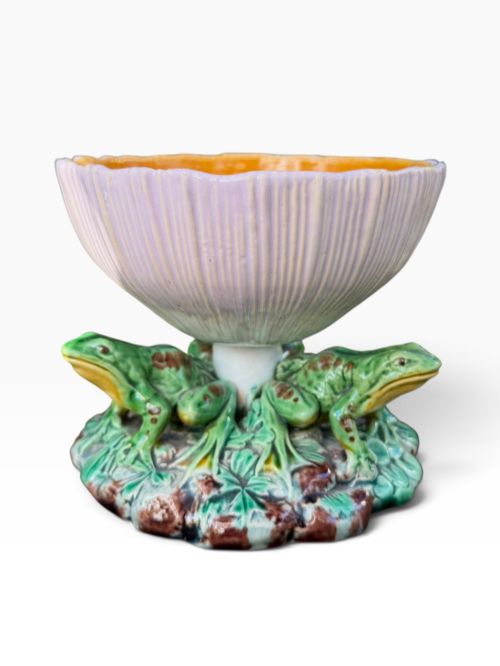
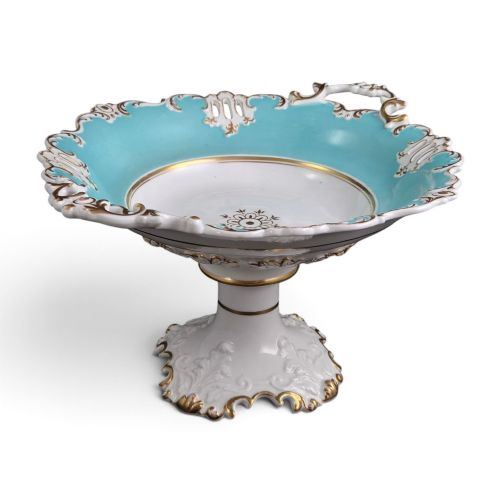
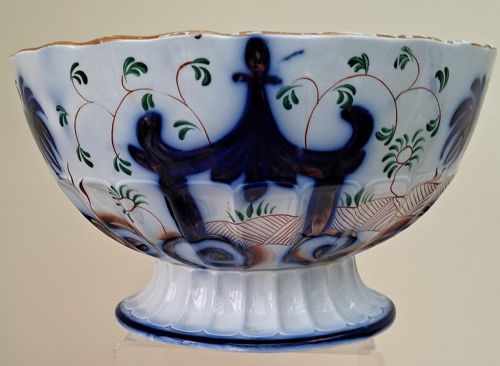
A Victorian ceramic compote is typically encountered as a footed bowl, tazza, or elevated centrepiece designed for display or dessert service. These pieces emerge from nineteenth-century periods and styles including Victorian Rococo Revival, Neoclassical, and the Aesthetic Movement.
Makers represented in the evidence include Coalport, John Ridgway, C.G. Schierholz and Sohn, Mason's, Thomas Moorcroft for E.J.D Bodley, Minton, and Royal Worcester. Forms range from simple earthenware footed bowls to elaborate porcelain centrepieces featuring figures or painted fruit and floral motifs.
Materials and production methods
Makers utilised porcelain, earthenware, and ironstone as the primary ceramic bodies for these compotes. These materials were shaped into compotes, tazzas, urns, and lattice bowls before undergoing firing and glazing.
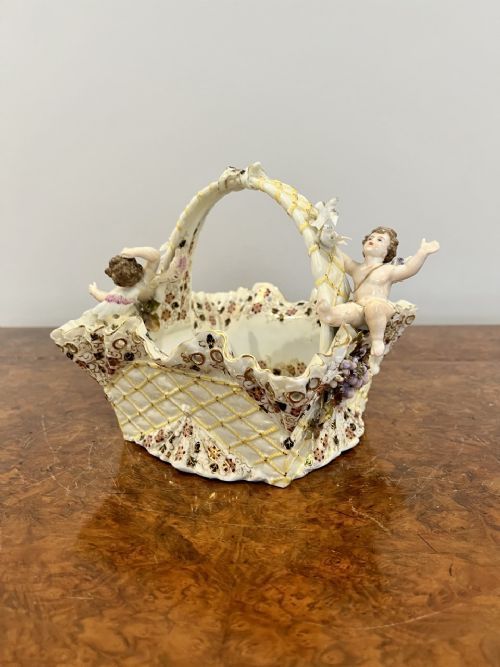
Decoration relied on hand painting, gilding with gold leaf, and enamel work. Elaborate examples incorporated applied details such as putti, cherubs, and modelled botanical elements like begonia leaves or orchids.
Materials recorded across the inventory include porcelain, ironstone, earthenware, enamel, and gold leaf.
Distinctions in quality
Quality varies according to the precision of the hand painting and the complexity of the modelled figures. Pieces featuring detailed figural groups, such as musical putti or bacchanalian cupids, demonstrate higher artisanal skill than simpler utilitarian forms.
The application of gilding and enamel also distinguishes finer compotes. Superior items exhibit careful hand-applied gold leaf and intricate painted patterns that remain crisp across the ceramic surface.
Coalport·John Ridgway·C.G. Schierholz and Sohn·Mason·Thomas Moorcroft·E.J.D Bodley·Minton·Royal Worcester
The Victorian Ceramic Compote Glossary
- Compote
- A raised bowl or dish used for fruit or desserts during the nineteenth century. It typically stands on a central foot or pedestal.
- Tazza
- A shallow bowl mounted on a stem and foot, frequently utilised as a centrepiece or part of a dessert service.
- Ironstone
- A dense, durable type of earthenware patented in the nineteenth century. It provided a robust alternative to porcelain for heavy tableware.
- Putto
- A figure of a small chubby male child, often winged, depicted in continental and English porcelain ornamentation. These figures appear frequently on elaborate centrepieces.
- Gilding
- The application of gold leaf or gold paint to ceramic surfaces. It highlights rims, handles, and sculptural details.
Victorian Ceramic Compote: Frequently Asked Questions
What is a Victorian ceramic compote?
A Victorian ceramic compote is an elevated footed bowl or tazza used historically for serving fruit or sweets at formal dining tables.
These pieces were made from porcelain, earthenware, or ironstone by factories across England and continental Europe.
How were compotes used originally?
Compotes functioned as centrepieces on dining tables, holding fruit or desserts as part of a larger service.
They also served as decorative objects on sideboards and mantlepieces within nineteenth-century drawing rooms.
How do I style a compote at home?
A compote works well placed centrally on a dining table or displayed empty on a shelf to highlight its form and painted surface.
Larger compotes featuring figures or intricate painting can be displayed independently as sculptural focal points in a room.
How do I identify different styles?
Styles range from ornate Rococo Revival pieces with scrolls and gilding to Neoclassical urns and Victorian Naturalism leaf motifs.
Examining the modelling style and painted decoration helps connect a piece to specific nineteenth-century design movements.