


Green Glazed Majolica Dish
These green glazed majolica dish pieces bring vibrant colour and tactile botanical forms to a table, offering rich Victorian and Art Nouveau craftsmanship.
Green Glazed Majolica Dish
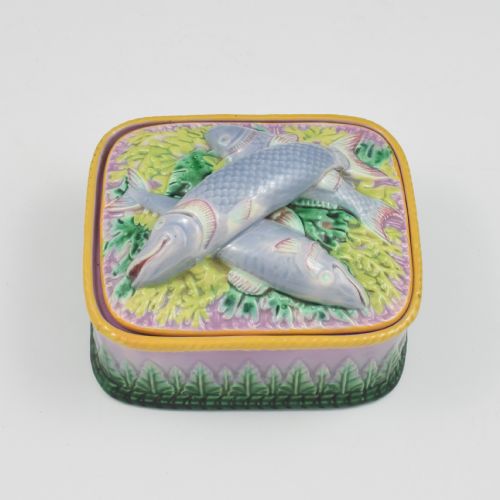
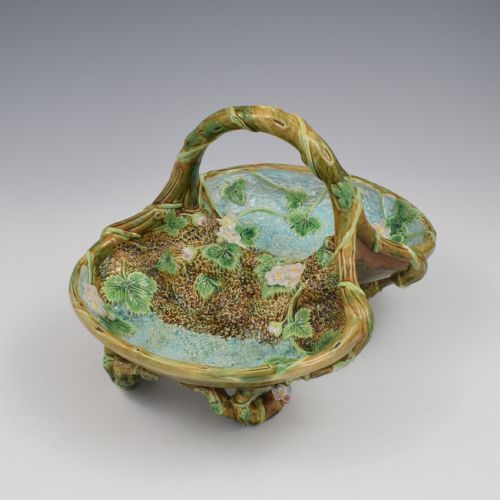
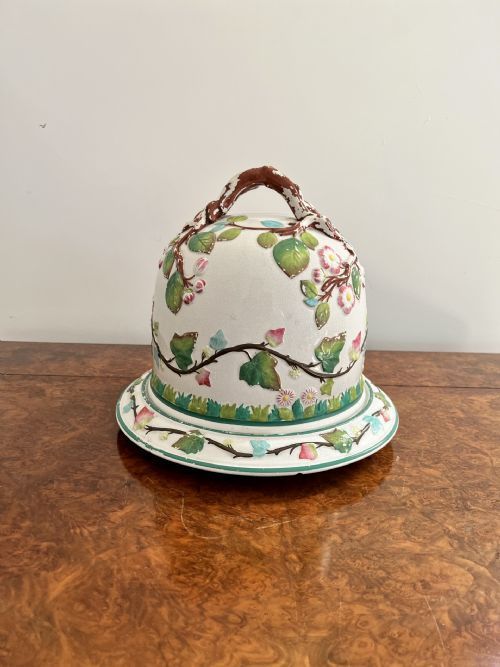
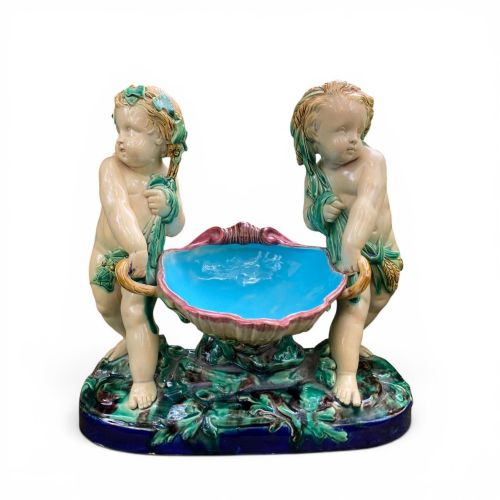
A green glazed majolica dish covers a fascinating range of Victorian and early twentieth century forms, spanning cheese domes, comports, decorative trays, and baskets. The most frequent pieces you meet here embrace botanical and naturalistic subjects, from begonia leaves to strawberry baskets and game tureens.
Originating predominantly from the nineteenth century, these earthenware and ceramic items reflect a period of immense creativity in coloured lead glazes. Makers applied rich green tones alongside contrasting pinks and lilacs to model realistic fruit, foliage, and figures such as cherubs.
How they were made
Potters shaped earthenware and ceramic bodies before applying heavy lead and majolica glazes that pooled deeply in the recesses of leaves and baskets. This technique produced a glossy, translucent surface capable of capturing minute botanical details like veins on a begonia leaf.
The application of coloured glazes directly onto the unfired or biscuit body allowed pigments to blend during firing, creating the characteristic mottled green and earthy tones seen across Victorian naturalism and Art Nouveau designs.
Object types on this page include comports, lidded boxes, cheese domes, game tureens, and decorative leaf trays.
What varies in quality
Quality rests in the crispness of the moulded relief and the depth of the coloured glazes, where superior examples maintain sharp botanical forms without blurring under heavy glaze pooling. The finesse with which leaves, cherubs, or animal figures are modelled dictates the visual success of the piece.
Finer items demonstrate careful control during the kiln firing, resulting in vibrant, even coloration across complex surfaces like cheese domes and comports rather than dull or muddy hues.
George Jones·Minton·Wedgwood·Eichwald
The Green Glazed Majolica Dish Glossary
- Majolica glaze
- A colourful, opaque lead glaze applied over an earthenware body, highly popular during the Victorian era for its vibrant hues. It allowed potters to achieve rich greens, browns, and yellows.
- Comport
- A raised dish or bowl used for serving fruit or sweets at the table, often standing on a pedestal. These form a significant part of nineteenth century ceramic tablewares.
- Earthenware
- Porous pottery fired at lower temperatures, serving as the standard body for most majolica pieces before glazing. It requires a complete glaze coating to become completely watertight.
- Lead glaze
- A glossy coating containing lead oxide that melts during firing to produce a smooth, shiny finish. This material enhances the brightness of underlying ceramic colours.
Green Glazed Majolica Dish: Frequently Asked Questions
What is a green glazed majolica dish used for?
These items served functional and decorative roles on nineteenth century dining tables, holding cheese, sardines, fruit, or bread during formal meals.
Today, collectors appreciate them primarily as decorative centrepieces or display items that introduce rich botanical colour to an interior.
How do I identify a Victorian majolica piece?
Victorian majolica is characterised by moulded naturalistic designs such as leaves, baskets, and animals, finished with vibrant coloured lead glazes on an earthenware body.
Many pieces also bear specific registry marks, model numbers, or factory stamps associated with prominent nineteenth century potteries.
What is the difference between majolica and ordinary pottery?
Majolica relies on thick, colourful lead-based glazes applied over moulded earthenware, producing a brilliant glossy finish that highlights sculptural relief work.
Standard pottery often uses simpler utilitarian glazes and lacks the complex botanical or figurative modelling typical of nineteenth century majolica.
How should I care for antique majolica?
Keep these glazed earthenware pieces away from harsh detergents and abrasive scrubbers to protect the historic lead glaze surface from dulling.
Hand wash gently with mild soap and warm water only when necessary, and dry thoroughly with a soft cloth.