


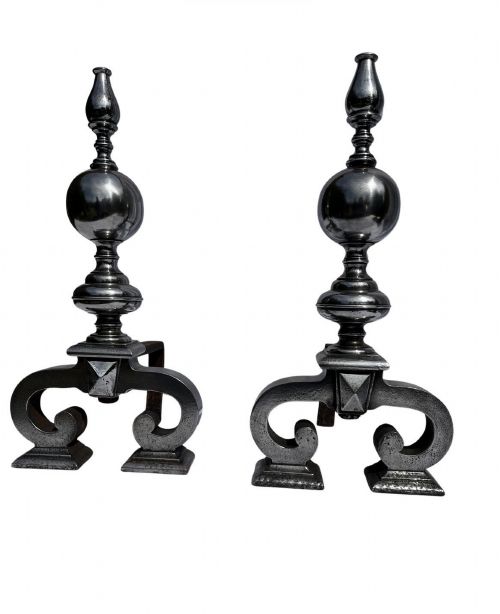

Victorian Cast Iron Hearth
A victorian cast iron hearth brings structural weight and industrial form to a room, offering functional warmth through heavy metal fire grates, backs and fenders.
Victorian Cast Iron Hearth
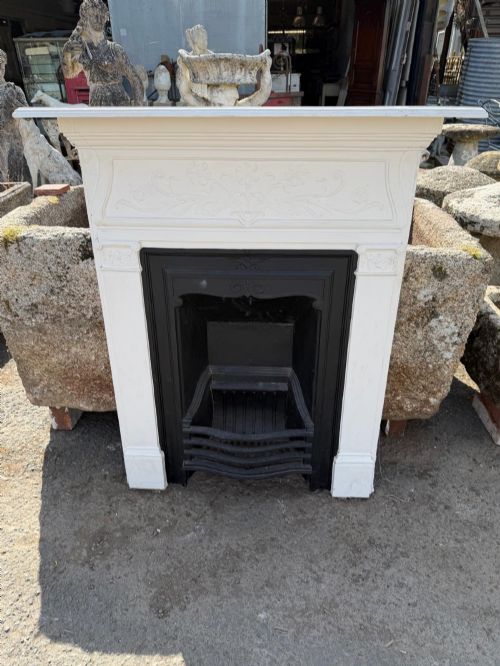
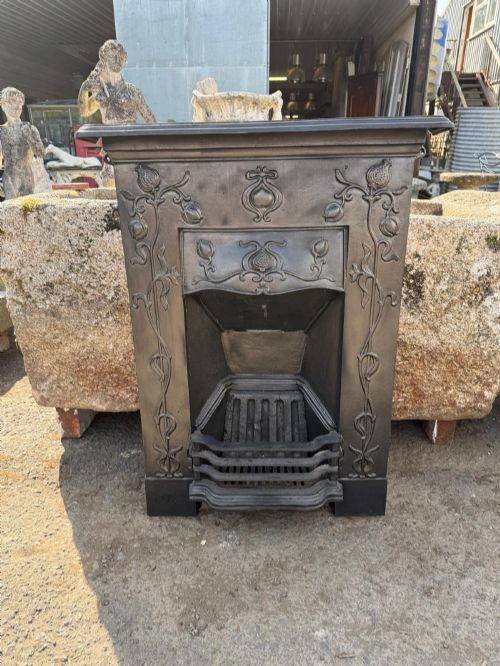
A victorian cast iron hearth encompasses functional fireside metalwork from the nineteenth century, ranging from combination fireplaces and fire backs to grates, baskets and fenders. These pieces were designed to contain solid fuel fires within domestic chimney breasts, utilising durable metal to radiate heat effectively into the room.
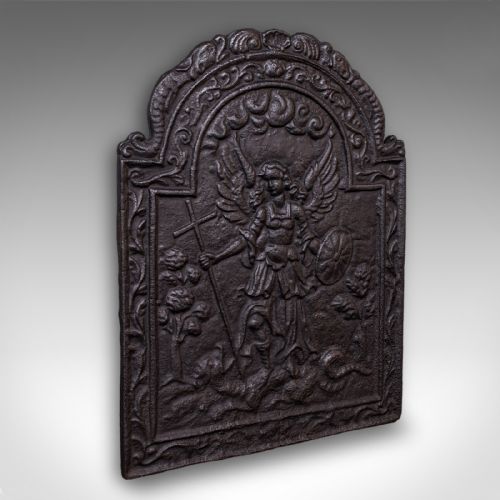
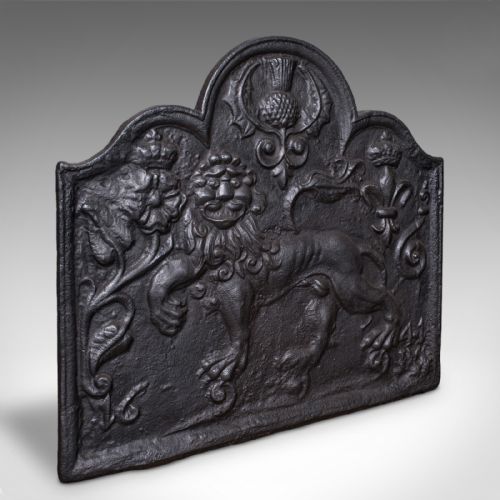
On this page, the most frequent items include heavy fire backs, decorative hearth panels, and complete fire grates produced during the Victorian period. Examples often incorporate styles such as Gothic Revival and Neoclassical Revival alongside standard Victorian manufacturing forms.
Materials and casting methods
Foundries utilised molten cast iron poured into sand moulds to create heavy hearth components with crisp relief decoration, such as fire backs and heraldic motifs. This technique allowed for intricate patterns like the Tree of Life or Gothic tracery to emerge directly from the metal casting process.
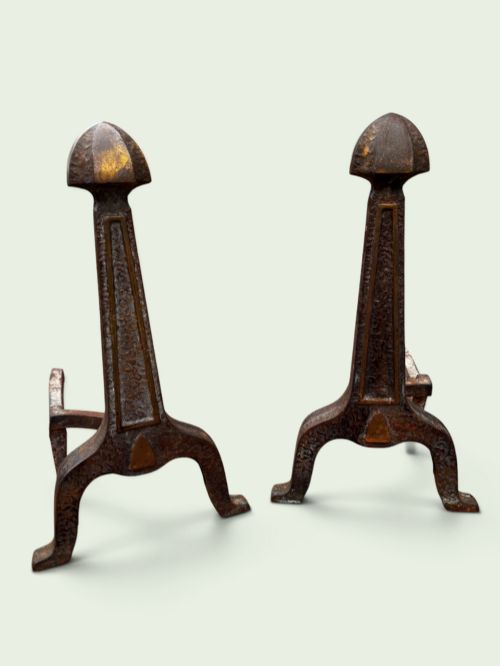
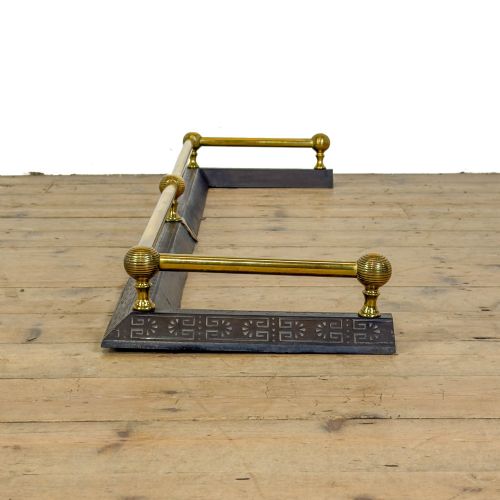
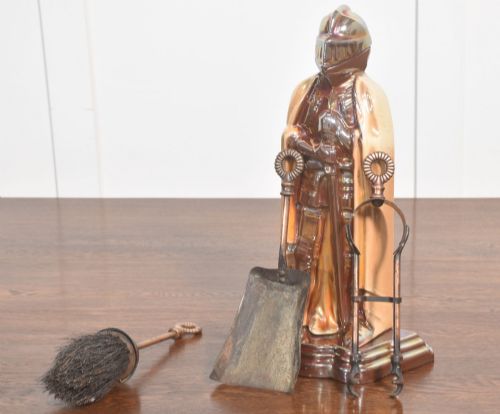
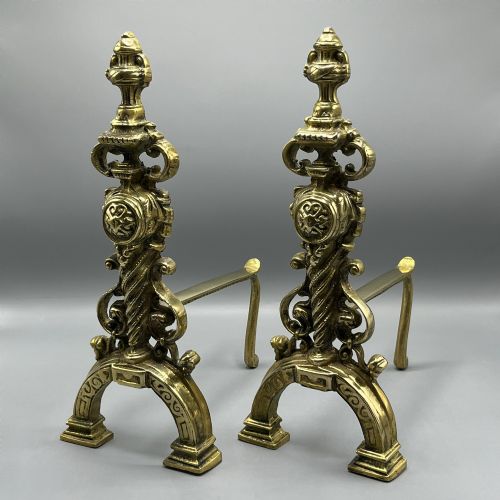
Secondary elements often incorporate wrought iron, steel and brass for fire tools, andirons and fenders, providing a contrast in metal colour and texture against the dark cast iron hearth. Finish details ranged from plain dark metal to polished brass highlights and copper finishes.
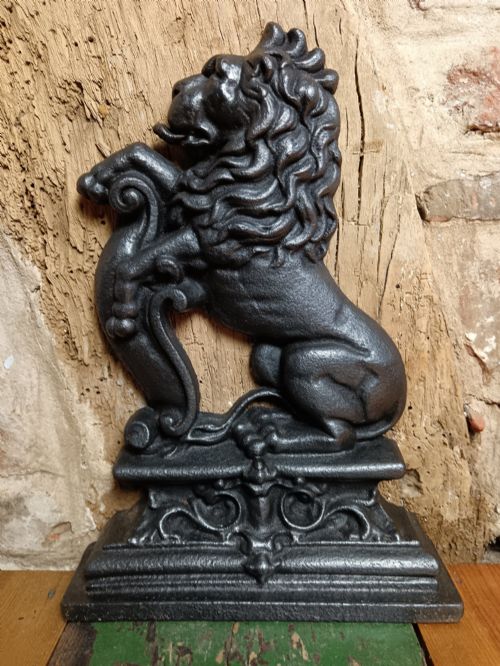
Cast iron Mr Punch doorstops kept Victorian doors open with cheerful domestic vigilance.
Distinctions in quality
Quality in a victorian cast iron hearth rests upon the crispness of the casting detail and the thickness of the metal plate. Finer pieces display deep, sharp relief moulding without pitting or distortion in the ironwork.
Design execution separates standard utilitarian grates from ambitious architectural pieces featuring Gothic Revival or heraldic ornamentation. The integrity of assembly, particularly in multi-part combinations with brass fittings, indicates the standard of the original workshop.
Coalbrookdale
The Victorian Cast Iron Hearth Glossary
- Fire Back
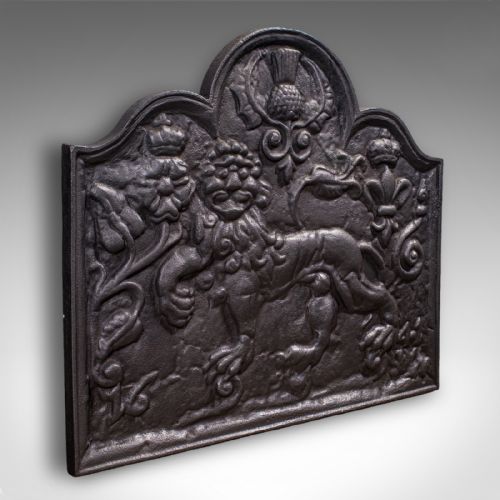
- A heavy metal plate placed at the back of an open fireplace to reflect heat into the room and protect the masonry wall. These panels frequently display relief decoration or heraldic designs.
- Andirons
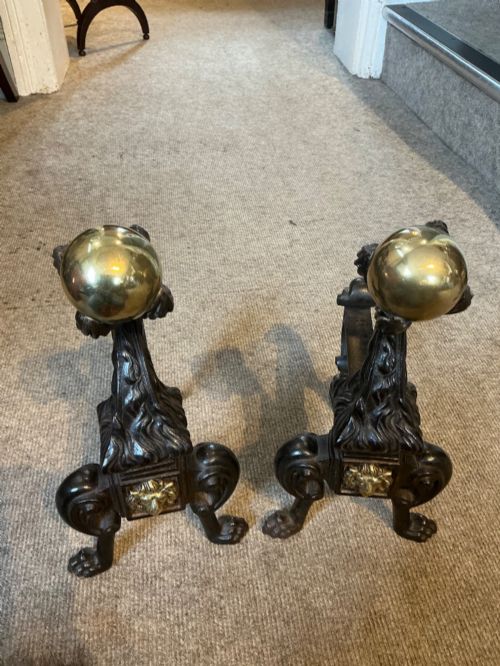
- Supports for logs used in an open fireplace, consisting of a horizontal bar raised on legs with an upright decorative front. They are also known as fire dogs.
- Fire Fender
- A low metal kerb placed around the hearth to contain sparks, ash and rolling embers. They are often manufactured from cast iron or brass.
- Combination Fireplace
- A complete fireplace unit where the mantel, insert and grate are cast as a single piece. These units became common in Victorian domestic interiors.
- Fire Basket
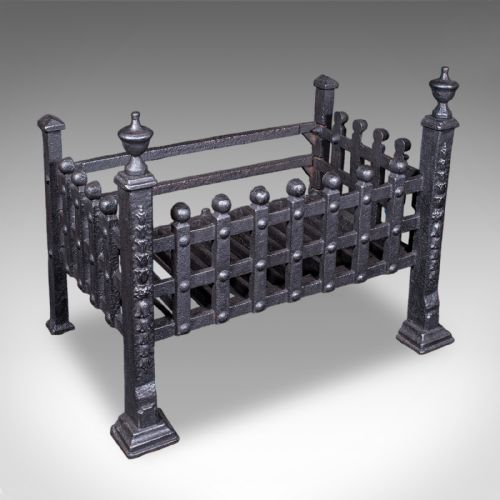
- A metal grate designed to hold coal or wood above the hearth floor, allowing air to circulate underneath for combustion. Baskets often sit within larger hearth settings alongside andirons.
Victorian Cast Iron Hearth: Frequently Asked Questions
How do I clean cast iron?
Maintenance involves removing soot and ash with a soft brush and applying a specialist grate polish or black lead to restore the dark surface. Avoid using water directly on untreated iron to prevent surface corrosion.
Regular light buffing maintains the finish without stripping the historical patina built up over decades of use.
Can these grates burn real wood?
Many Victorian grates were originally designed for coal rather than large logs, featuring narrow spacing between the iron bars. Checking the depth and width of the basket ensures it suits the intended fuel.
For larger logs, pairing the hearth with substantial andirons or an open fire basket provides better containment and airflow.
How do I identify a Victorian piece?
Nineteenth-century ironwork often exhibits heavier gauge metal, sand-cast textures, and specific stylistic markers such as Gothic Revival tracery or Neoclassical motifs. Maker marks or registration lozenges cast into the reverse can sometimes provide a precise date of production.
Comparing the casting sharpness with later twentieth-century reproductions helps confirm the period origin.
Are hearth fenders adjustable?
Most antique fenders are fixed-width units designed for specific nineteenth-century fireplace openings and cannot be altered without damaging the original cast iron or brass structure. Measuring both the hearth width and depth accurately is essential before placement.
Freestanding companion pieces and fire tools offer more flexibility in arrangement around different hearth sizes.