


Victorian Cast Iron Bed
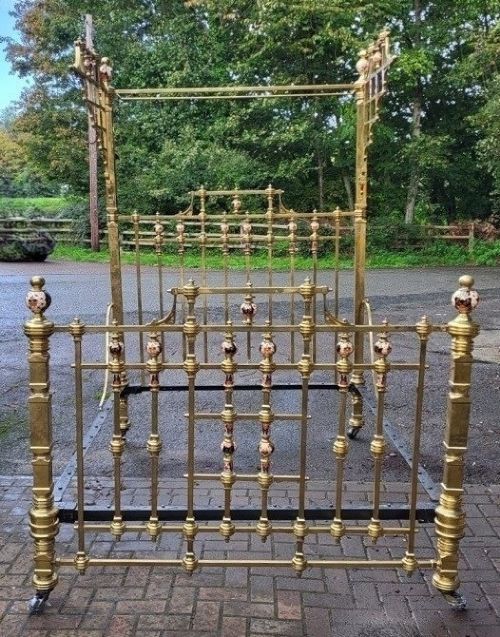
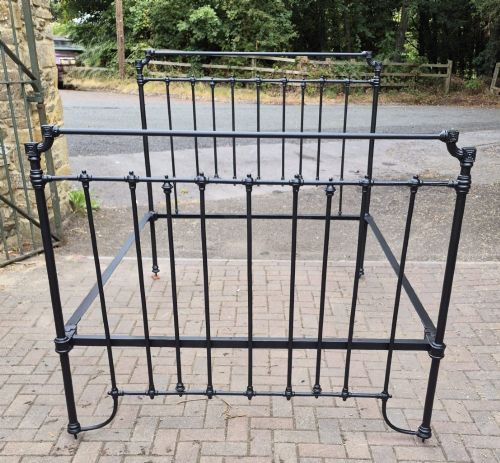
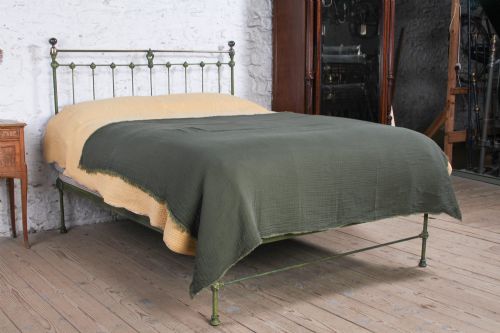
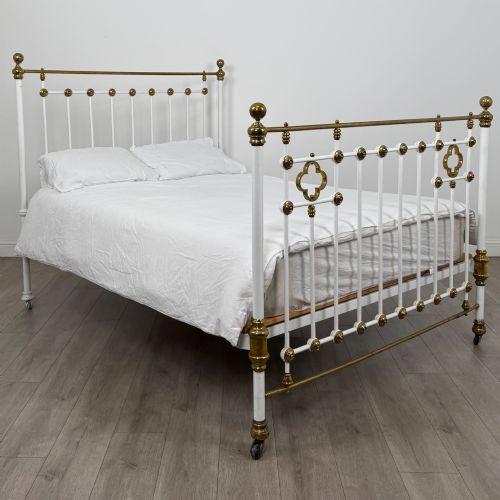
A victorian cast iron bed brings industrial strength and romantic form into the bedroom, offering robust metal framing paired with decorative brass work.
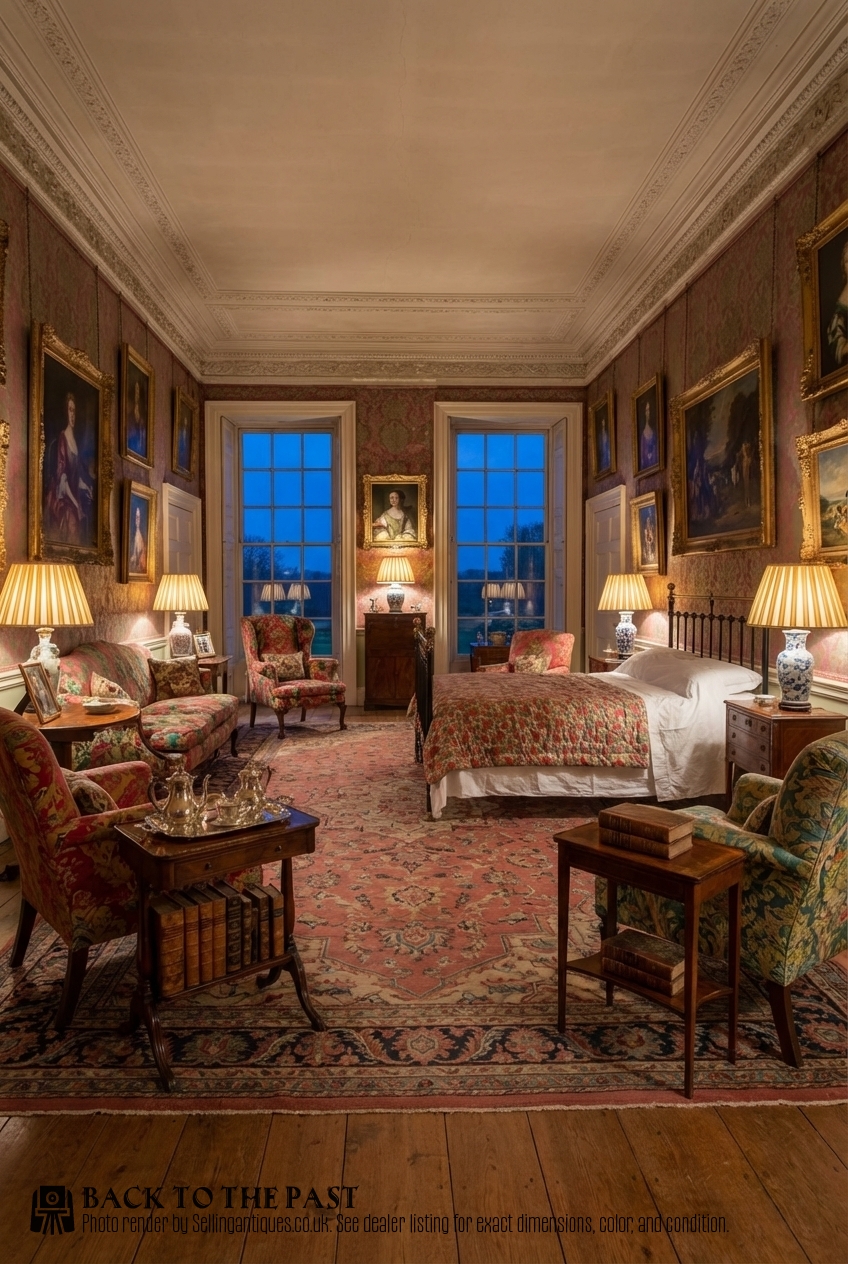
What a Victorian cast iron bed is
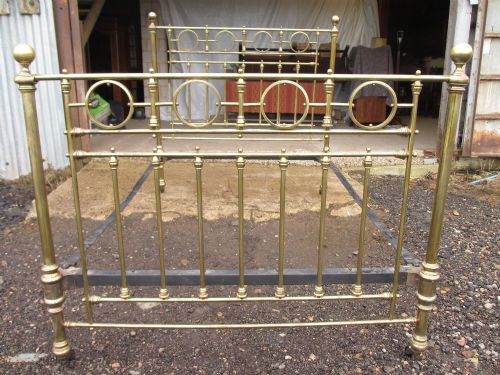
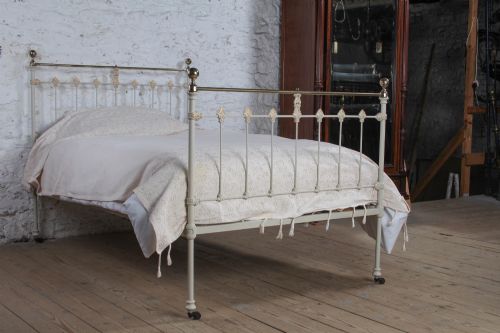
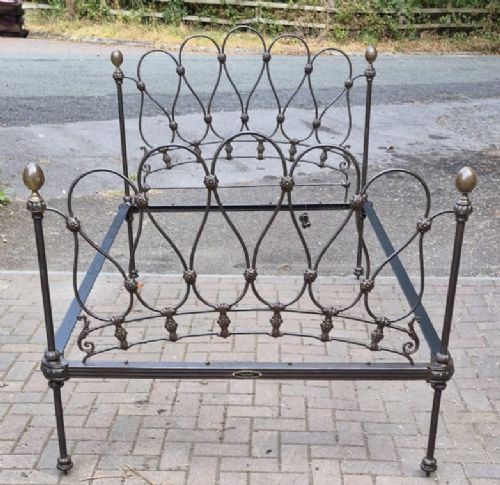
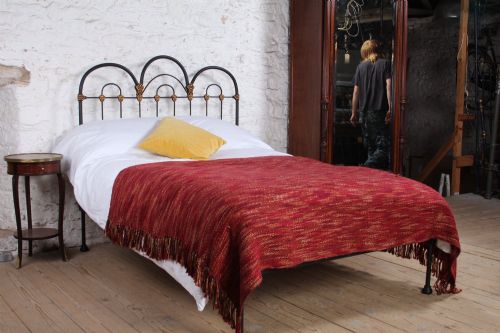
When you search for a victorian cast iron bed, you encounter sturdy frames designed in single, double, king-size, and super king-size proportions. These pieces range from simple panel designs to elaborate three-hoop constructions and Irish no-end configurations.
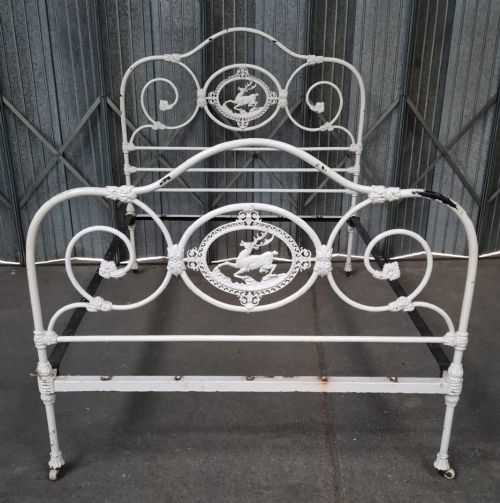
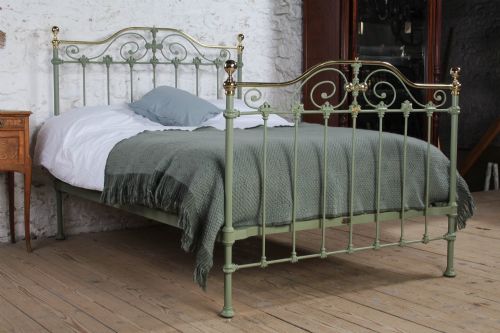
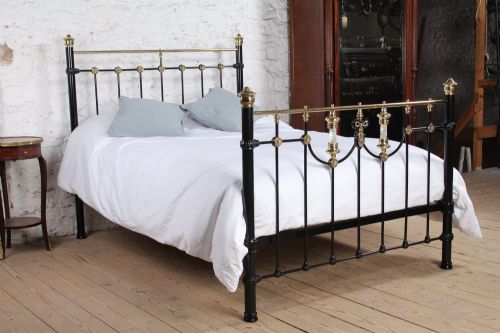
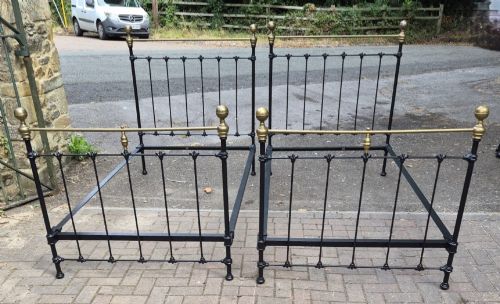
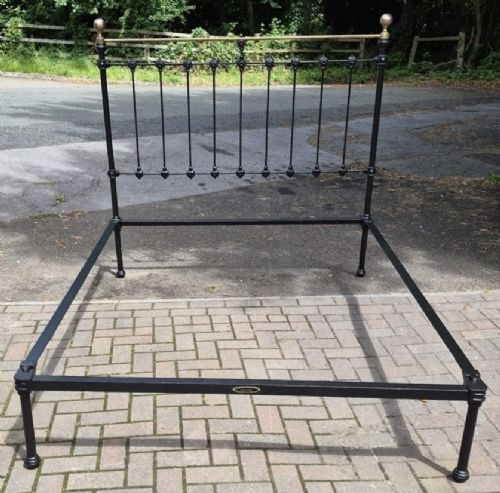
The version you are most likely to meet on this page combines a dark iron framework with polished brass accents, often featuring decorative castings along the headboard and footboard. Many examples also incorporate side rails and original castors for mobility.
Originating across the nineteenth century up to nineteen hundred, these bedsteads display the evolving industrial capabilities of the era. Makers paired heavy metal structure with aesthetic touches, resulting in furniture that balances utilitarian strength with domestic grace.
Materials and construction
These bedsteads rely primarily on cast iron and wrought iron for their structural integrity, frequently augmented by brass components such as vases, rails, and finials. Wood occasionally forms supplementary structural elements, while applied paint provides colour in shades like black and ivory.
Foundries poured molten metal into sand moulds to create intricate decorative castings and solid structural frames. Craftsmen then assembled these components using mechanical joints, securing brass tubing and mountings to the heavy iron foundations.
Retail Price Guide 2026
Typical UK retail prices for victorian cast iron bed, calculated from the Sellingantiques database of over a million retail prices indexed since 2003. This retail price guide relies exclusively on Sellingantiques data; no external sources or auction records are used, so the figures do not describe the wider market.
Current listings feature pieces spanning the nineteenth century up to nineteen hundred, constructed from cast iron, wrought iron, and brass.
Distinctions in quality
The standard of a victorian cast iron bed rests upon the crispness of its decorative castings and the complexity of its design. Finer examples display deeply detailed ornamentation, balanced proportions, and integrated brass work rather than plain, utilitarian tubing.
Another measure of quality involves the completeness of original components, such as matching brass vases, sturdy side rails, and functional period castors. The precision of the joints and the preservation of original painted or polished surfaces also separate superior pieces from standard workshop output.
The Victorian Cast Iron Bed Glossary
- Cast iron
- A hard, brittle alloy of iron and carbon poured into moulds to create shaped components. This material forms the heavy structural and decorative core of nineteenth-century bedsteads.
- Wrought iron
- Tough, malleable iron beaten or rolled into shape rather than cast. It provides resilient strength for structural rails and supports.
- Brass
- A yellow alloy of copper and zinc utilised for decorative finials, vases, and rails on metal beds. It adds a bright contrast to the dark iron framework.
- Bedstead
- A framework supporting a mattress and bedding. In nineteenth-century usage, this term specifically describes the complete metal or wooden structure of the bed.
- Castor
- A small wheel mounted on a swivel attached to the legs of furniture. These allowed heavy iron beds to be moved easily across floors for cleaning.
Frequently Asked Questions
What sizes do these iron beds come in?
The selection includes single, three-quarter, double, king-size, and super king-size formats to suit various room dimensions.
Widths vary from narrow single frames up to expansive four-foot-six double models and larger king configurations.
Do these beds use standard modern mattresses?
Many historical frames accommodate standard modern mattress sizes, though exact historical dimensions can occasionally require careful measurement.
Checking the internal rail length and width ensures proper fit for contemporary bases.
Are original castors always included?
Numerous surviving examples retain their original wheel mountings, which helped domestic staff reposition heavy metal furniture.
Some pieces rest directly on iron feet or replacement fixings depending on their history.
How do painted finishes differ from plain iron?
Original finishes include dark black surfaces as well as painted ivory treatments applied to soften the industrial appearance.
Unpainted or polished sections highlight the raw texture of the metalwork.