

Victorian Carved Wine Table
These pieces are compact nineteenth-century timber stands built to hold glassware or lamps, and a victorian carved wine table brings functional charm and historic character to a corner.
Victorian Carved Wine Table
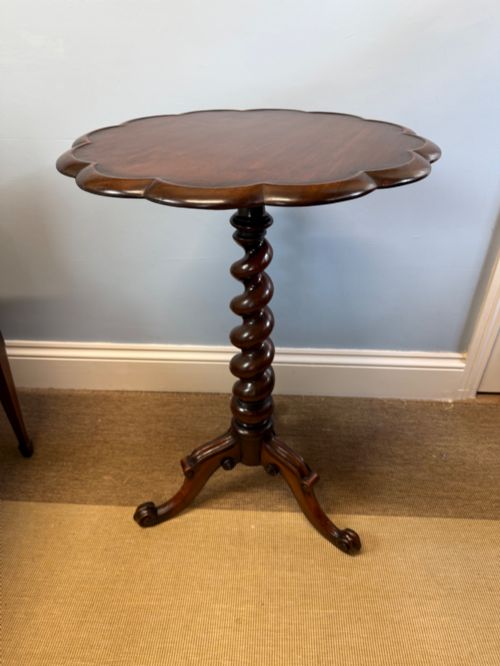
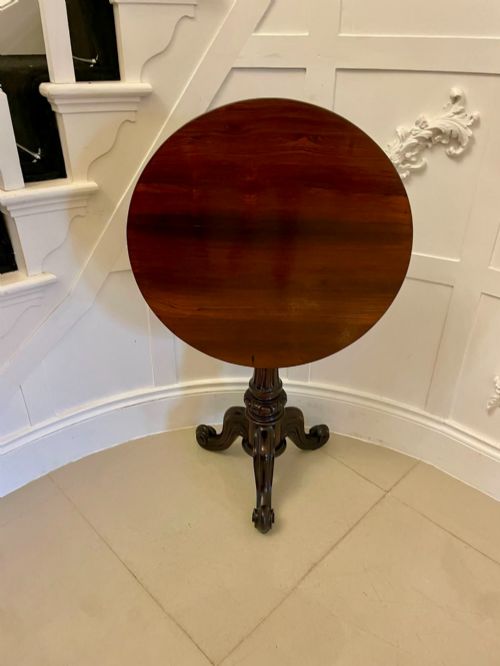
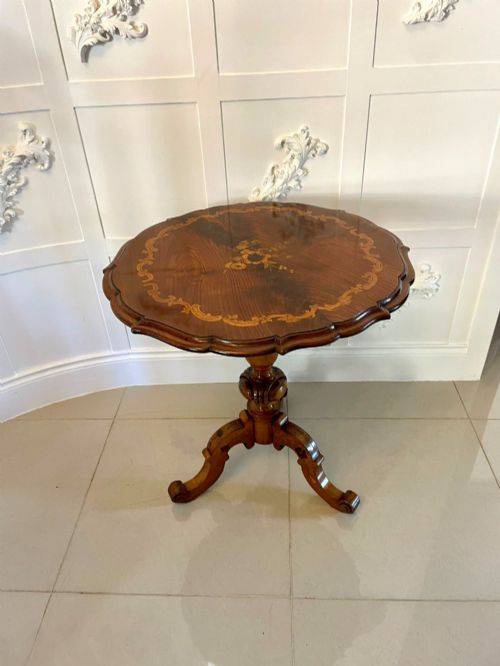
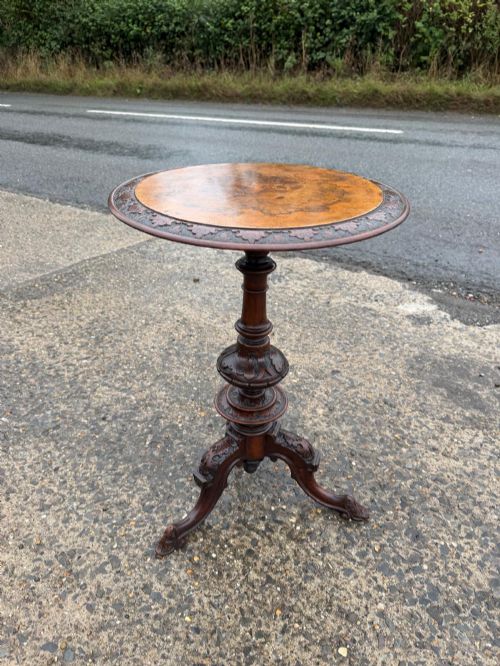
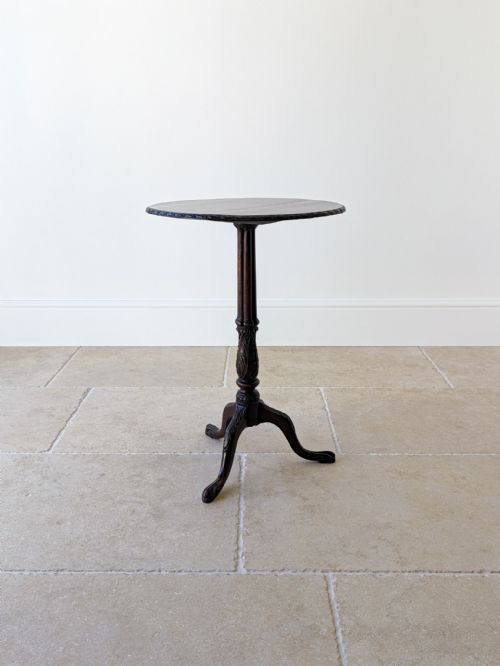
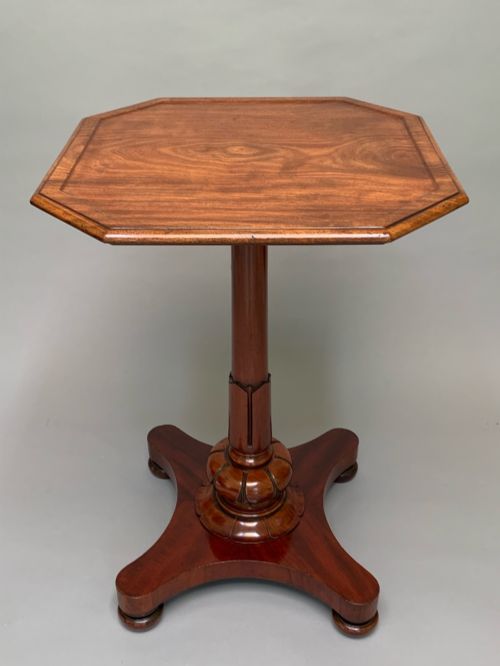
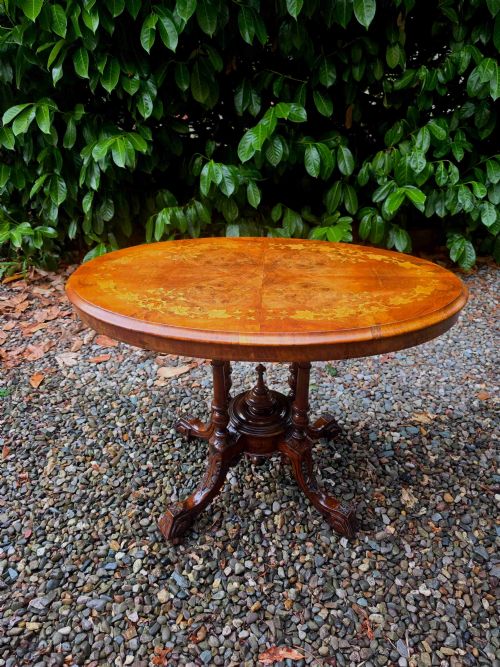
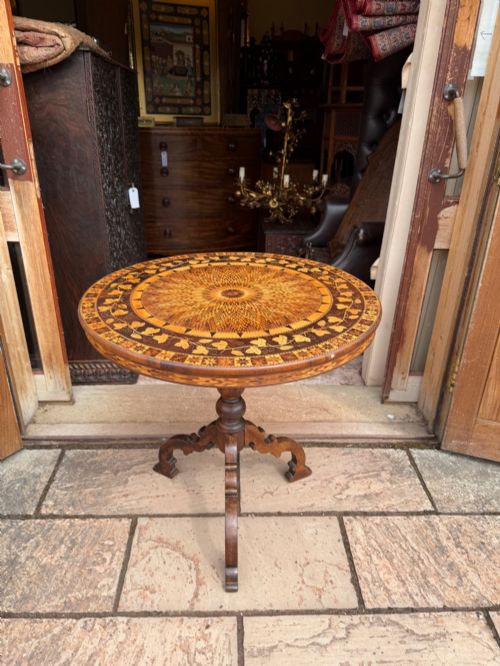
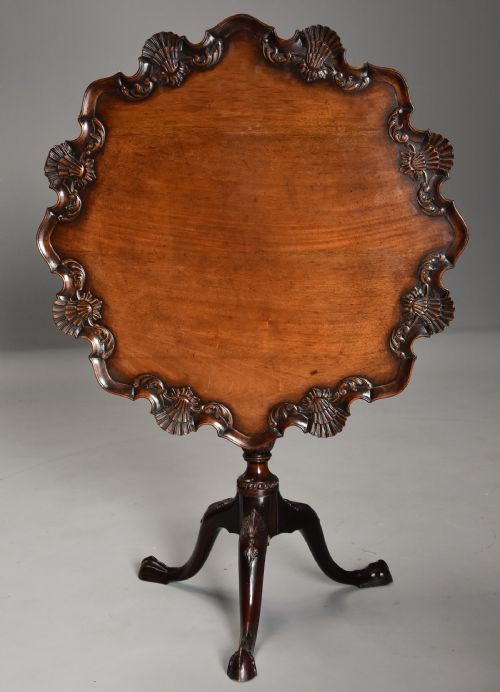
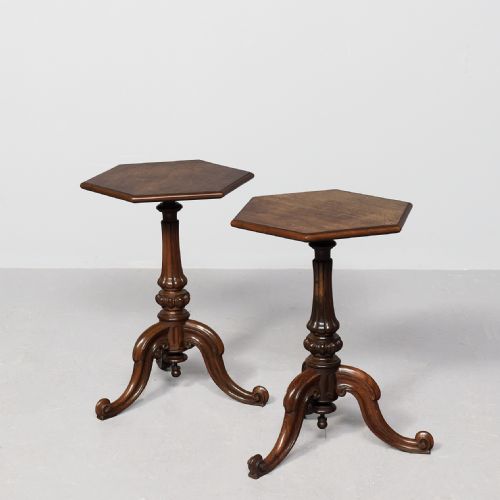
A victorian carved wine table is a compact nineteenth-century pedestal stand designed for portability and daily use beside seating. These pieces appear most frequently in mahogany, walnut, and burr walnut, often featuring circular or scalloped tops supported by a central column and a tripod base.
Makers and workshops of the period also produced variations in oak, rosewood, and pollard oak, sometimes incorporating tilt mechanisms or carved botanical motifs. The surviving examples reflect decades of domestic interior traditions across the Victorian era, spanning simple occasional forms to ornate revival styles.
How they were made
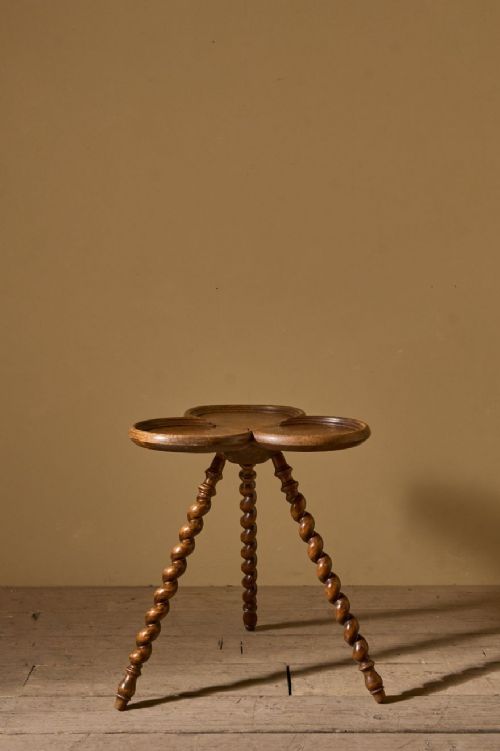
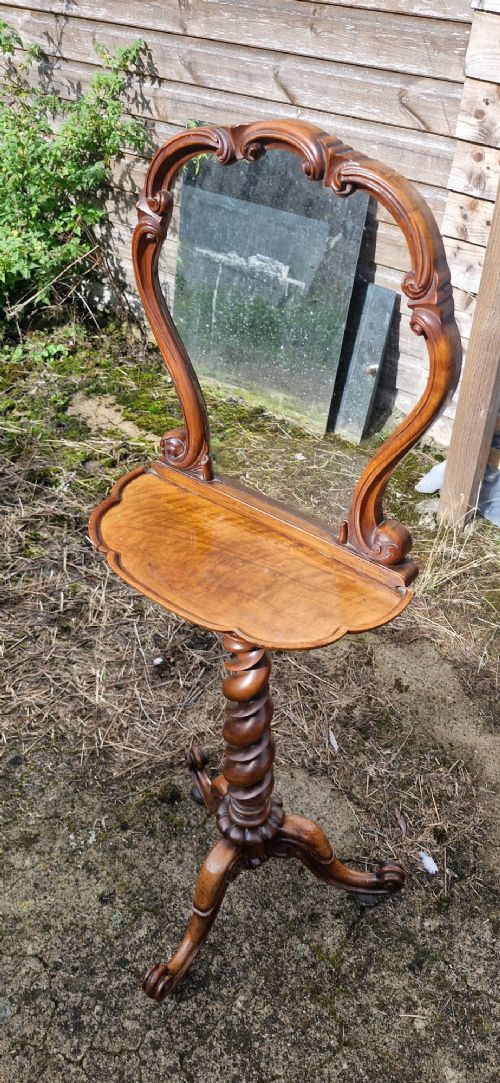
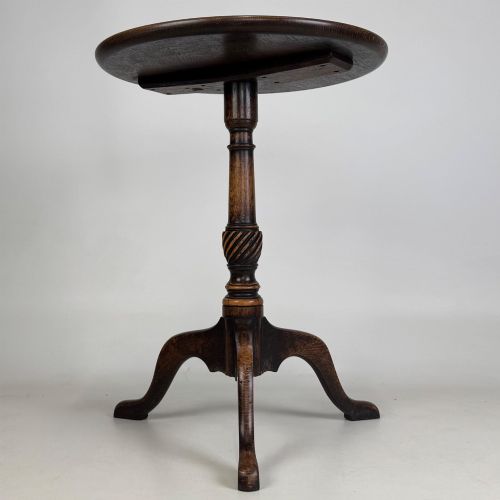
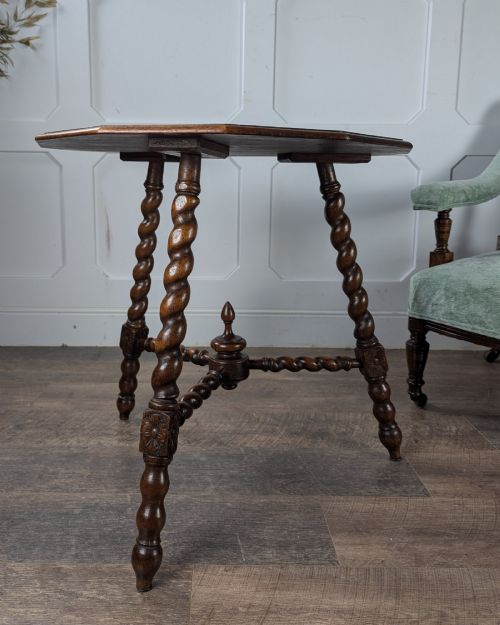
Cabinet makers utilised dense hardwoods such as mahogany and walnut, frequently applying burr veneer or marquetry inlay to the top surfaces to create visual depth. Central pedestals often combined turned columns, barley twist supports, or bobbin turning with sturdy three-legged tripod bases joined by central blocks.
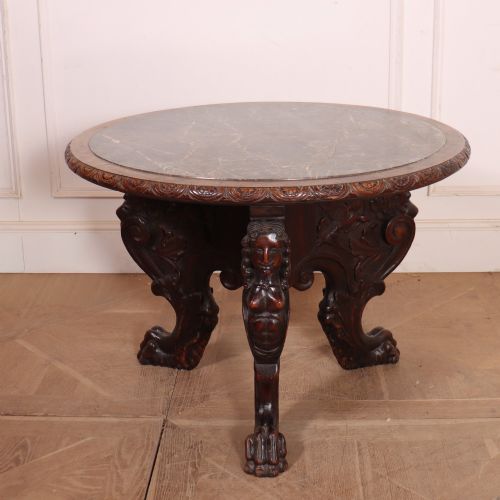
Carving was executed by hand using gouges and chisels to ornament the knees of tripod legs, table rims, and columnar capitals. Tilt-top mechanisms relied on snug wooden or brass catches that allowed the surface to drop flat against the stem when not in use.
Listings feature nineteenth-century pieces constructed from mahogany, walnut, burr walnut, oak, and rosewood, incorporating occasional, side, and tilt-top forms.
What varies in quality
The degree of refinement in the timber selection and the crispness of the hand-carving distinguish finer pieces from simpler workshop output. Burr walnut tops with balanced grain patterns and substantial thickness indicate superior material choices by the original maker.
Structural integrity depends on the original joinery connecting the column to the tripod legs and the stability of the tilt mechanism. Subtle details such as proportion, well-turned barley twists, and harmonious proportions separate standard utility furniture from exceptional examples.
The Victorian Carved Wine Table Glossary
- Tripod base
- A three-legged support structure beneath a central column, designed to maintain stability on uneven nineteenth-century floorboards. These legs often terminate in carved pad feet or scroll details.
- Tilt top
- A hinged mechanism allowing the table surface to pivot upright for compact storage against a wall when not in use. It relies on a wooden catch or a brass latch.
- Burr walnut
- A prized wood veneer harvested from tree growths that produces intricate, swirling grain patterns. It was frequently utilised on the circular tops of higher-grade Victorian examples.
- Barley twist
- A decorative turning technique resembling a spiralling rope carved into the central pedestal column. This motif appears widely across nineteenth-century occasional furniture.
- Piecrust edge
- A raised, scalloped perimeter carved directly into the solid timber top of a table. This detail emulates eighteenth-century styling revived during the late Victorian period.
Victorian Carved Wine Table: Frequently Asked Questions
What was a wine table used for?
These small stands served as moveable surfaces for holding glasses, decanters, or reading lamps close to chairs during the evening. Their compact footprint allowed servants to reposition them easily around a drawing room.
Over time, owners adapted them for general display purposes, placing small ornaments, candles, or floral arrangements upon the timber tops.
How do I identify a Victorian piece?
Look for characteristic timber choices such as mahogany, walnut, and rosewood combined with traditional joinery methods like hand-cut dovetails or pegged tenons. The presence of dense grain patterns, turned pedestals, and characteristic carving styles points directly to nineteenth-century production.
Interior construction elements, such as secondary softwoods and hand-sawn underside components, also help confirm the period of manufacture.
Can I use a tilt top table daily?
A tilt top table functions well for everyday use provided the hinge mechanism and locking catch remain secure and stable. Regular placement of light objects like lamps or books poses no risk to sound nineteenth-century joinery.
Care should be taken not to lean heavily on the outer edges when the top is locked flat to protect the central pivot block from undue strain.
How do I care for antique wood?
Maintain the timber surface by applying natural beeswax periodically and buffing it gently with a soft, dry cloth to nourish the grain. Avoid placing the table near direct heat sources or strong sunlight, which can dry out nineteenth-century polishes and warp thin veneers.
Using coasters and felt pads beneath objects prevents moisture rings and surface scratches on the polished top.