
Victorian Carved Window Bench
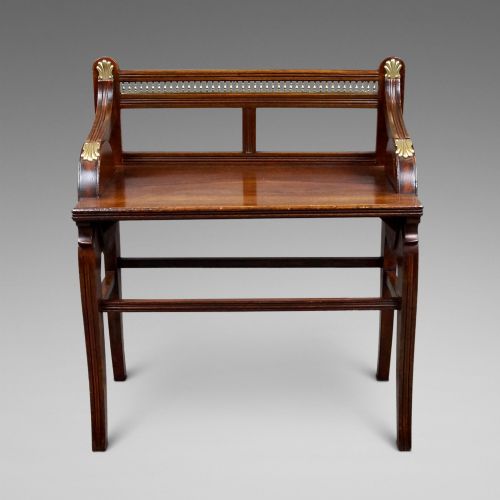
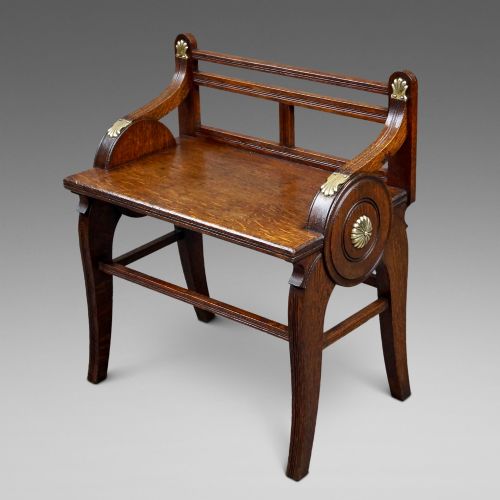
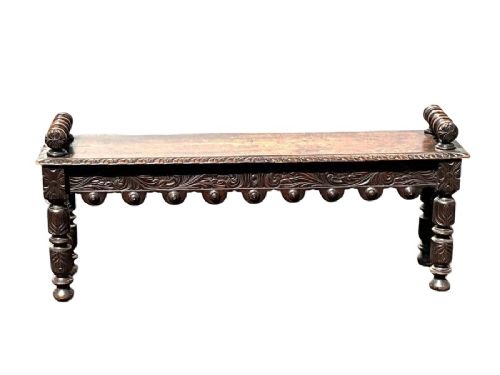
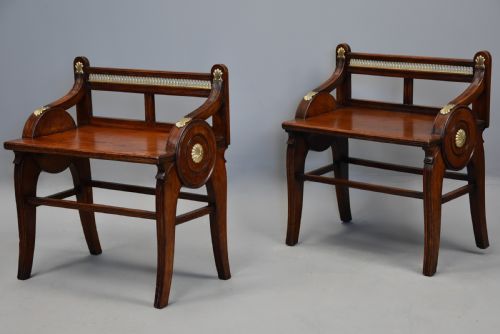
These pieces bridge architecture and seating, bringing solid timbers and carved ornament to the spaces beneath a window.
Victorian Carved Window Bench
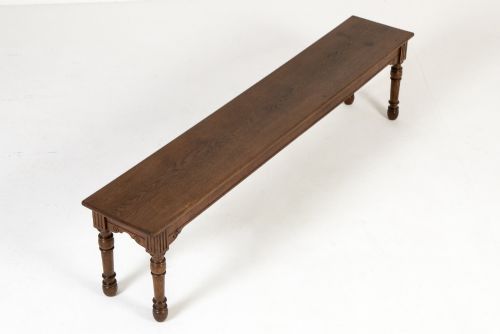
A victorian carved window bench serves as a dual-purpose piece for resting and viewing, often appearing in long, low forms that fit beneath glazing. These furnishings span the nineteenth century, with sturdy examples emerging from the eighteen-eighties and eighteen-sixties.
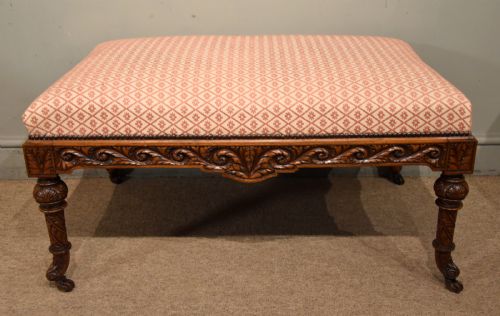
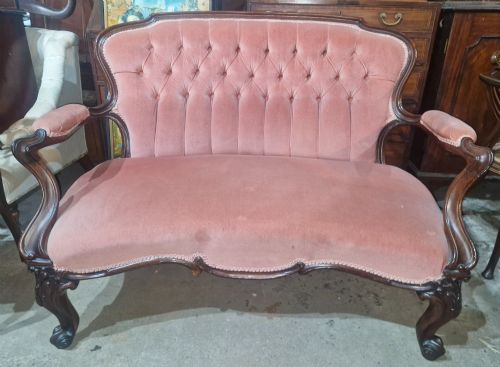
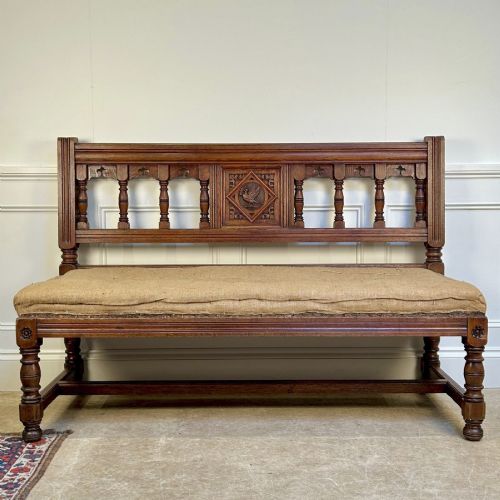
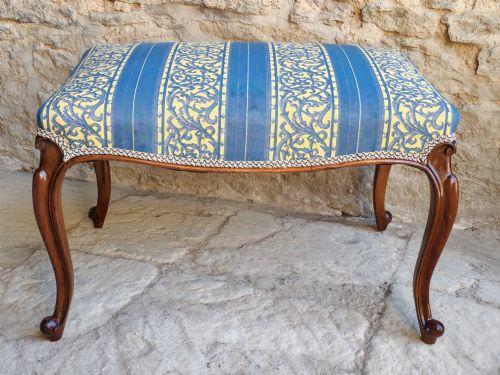
Most entries encountered on this page take the form of oak hall benches, rosewood framed stools, or walnut window seats. Makers applied styles ranging from Gothic Revival and Jacobean Revival to Arts and Crafts and Aesthetic Movement across these seating designs.
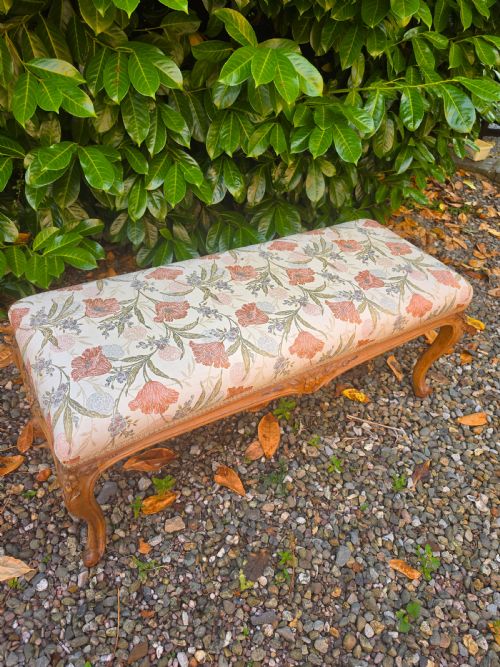
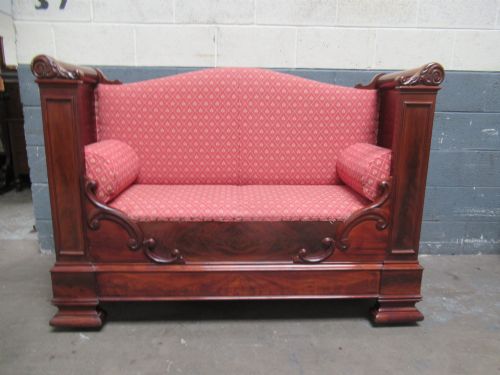
Meticulous woodworking defines the category, incorporating box seats, hinged storage compartments, and upholstered tops in velvet or textile. Buyers select them to anchor bay windows, hallways, or the foot of a bed with period character.
Determinants of Quality
The distinction between ordinary and superior pieces rests on the crispness of the hand carving and the selection of timber figures, such as burr maple or burr elm. Workshops known for documented cabinet-making demonstrate greater integration between structural joinery and ornamental detail.
Proportion and execution dictate value, particularly in pieces featuring complex turns, brass hardware, or bespoke upholstery like stamped velvet and woven linen. Pieces retaining their original framing and robust joinery stand apart from later modifications.
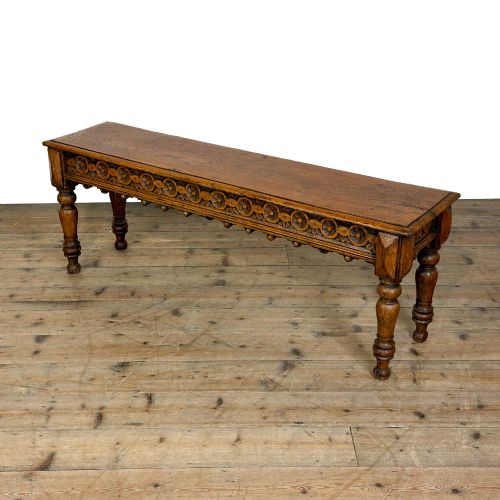
Some nineteenth-century oak benches feature carved green man masks keeping watch from the woodwork.
GIllows·James Shoolbred & Co.·Jas Shoolbred
The Victorian Carved Window Bench Glossary
- Duet Stool
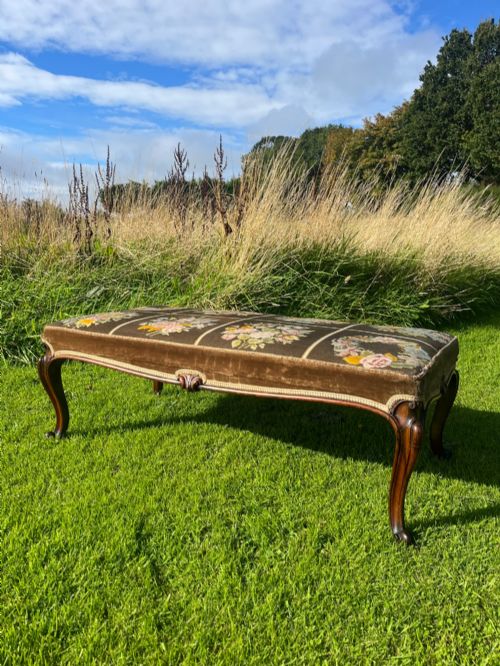
- A wider seating form designed for two people, commonly associated with piano playing or shared window viewing. These incorporate hinged seats concealing music or storage compartments.
- Ottoman Box Seat
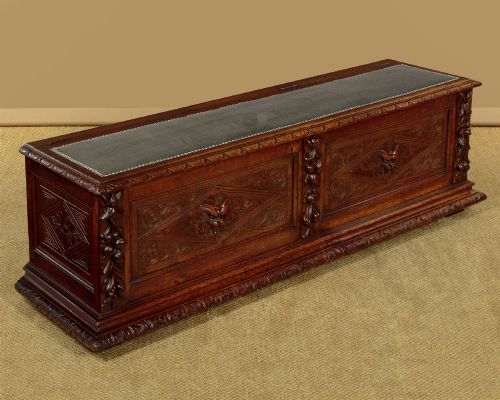
- A low, upholstered bench featuring a hinged lid that opens to reveal an interior compartment. They are typically rendered in heavy timbers like oak or walnut.
- X Frame
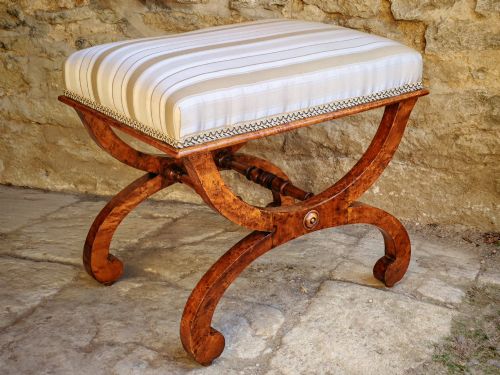
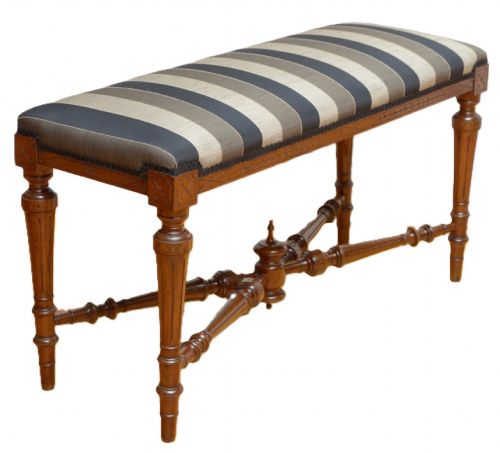
- A structural base formed by intersecting curved or straight members creating an X shape. This configuration appears on walnut window stools and dressing seats.
- Scroll Back
- A furniture profile where the upper rail or arms curve outward in a tight spiral. This configuration is seen on nineteenth-century rosewood benches.
Victorian Carved Window Bench: Frequently Asked Questions
Where should I place a window bench?
These long seating forms fit naturally beneath low windows, along wide corridors, or positioned at the foot of a bedroom suite. Their proportions allow them to occupy circulation spaces without blocking natural light.
They also function effectively in entrance halls, providing a solid surface for putting on shoes, particularly variants that feature built-in storage boxes beneath hinged seats.
How do I identify a Gothic Revival piece?
Gothic Revival items rely heavily on structural oak and display distinct architectural motifs such as pointed arches, quatrefoils, and heavy linenfold panels. Carved green man masks and deep chamfering also appear frequently on these nineteenth-century examples.
By contrast, pieces from the Aesthetic Movement or Arts and Crafts periods favour cleaner structural lines, exposed joinery, and simpler surfaces without ecclesiastical ornamentation.
Are these benches comfortable for daily use?
Upholstered variants featuring padded horsehair, heavy linen, or velvet tops provide substantial support for sitting. Many nineteenth-century examples were built specifically as functional window seats or piano duet stools designed for extended periods of sitting.
Wooden varieties without upholstery serve primarily as hall benches or occasional seating, though cushions can easily be added to soften the firm timber surface.
What is the difference between a bench and a stool?
Benches generally offer longer proportions designed to seat multiple people, often incorporating backrests, arm supports, or enclosed storage boxes beneath the lid. Stools are typically more compact, freestanding pieces intended for a single occupant, such as dressing seats or piano stools.
Both forms utilise similar decorative vocabulary, including carved walnut frames, cabriole legs, and upholstered pads.