




Dark Wood Slipper Chair
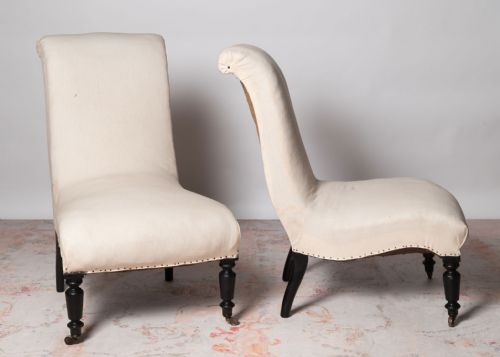
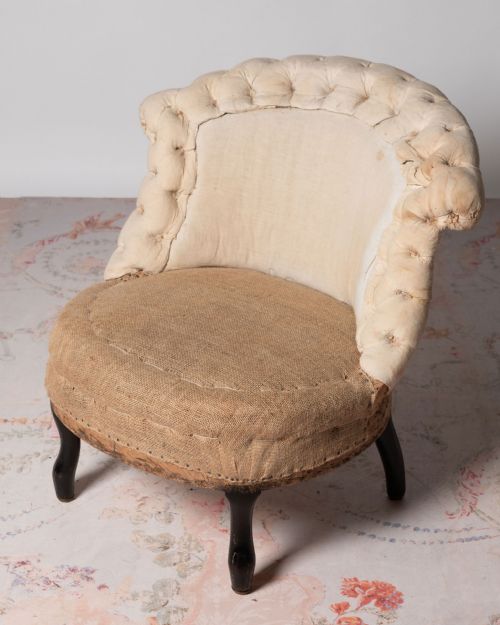
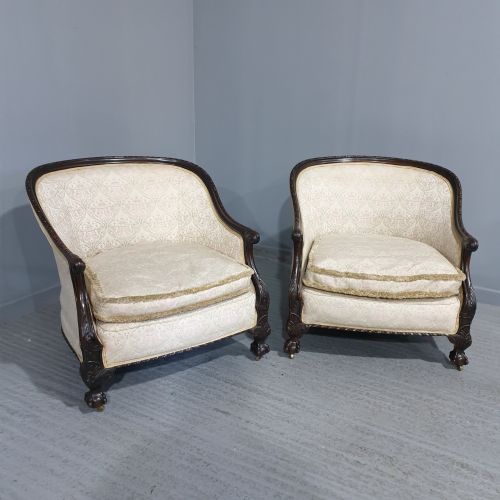
These dark wood slipper chair pieces are low-slung seats built for comfort in bedrooms and parlours, offering a practical touch of historical seating.
How they were made
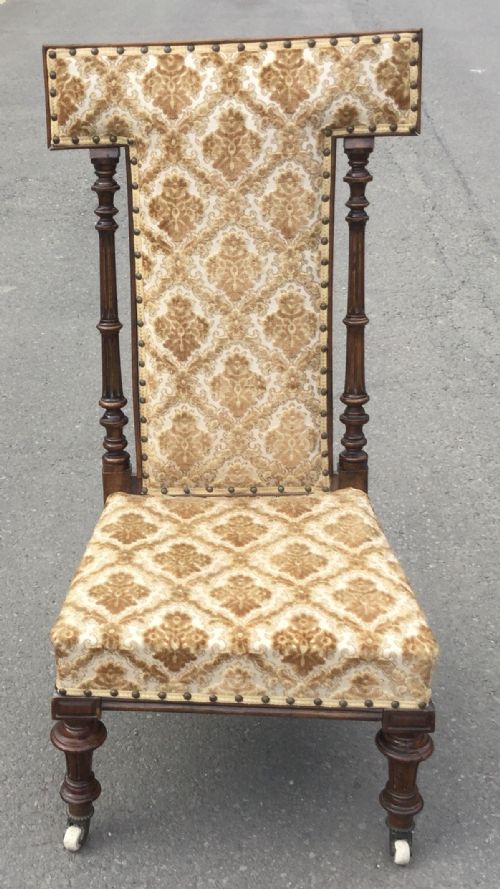
Makers shaped structural frames from dense hardwoods like rosewood, mahogany, oak, and walnut, often employing turned elements like bobbin details or barley twists. Joinery relied on traditional wooden joints to support the low-slung frame and upholstered bodies.
Upholstery techniques combined sprung or padded interiors covered in fabrics such as velvet and patterned textiles. Brass components, including castors, appear on legs to aid movement across floor coverings.
What varies in quality
The standard of carving and the selection of timber dictate the distinction between basic and finer examples. Dense rosewood or mahogany frames with crisp mouldings or detailed turnings sit above simpler structural forms.
Upholstery finish and the preservation of original frame rigidity also mark out better pieces. The integration of brass castors and the tightness of the joinery influence overall structural integrity.
Some chairs feature brass castors so enthusiastic they could practically roll themselves across the bedroom floor.
The Dark Wood Slipper Chair Glossary
- Slipper chair
- A low-seated chair traditionally used in bedrooms for dressing. These seats lack arms and sit close to the floor.
- Nursing chair
- A low upholstered chair designed for comfort, historically used while nursing infants. They share similarities in height with slipper chairs.
- Prie Dieu
- A devotional prayer chair featuring a high back often equipped with a ledge for resting arms or books. These pieces date predominantly to the Victorian period.
- Cabriole leg
- A furniture leg that curves out and then in, resembling an animal leg in profile. This form appears frequently on Victorian seating.
- Barley twist
- A type of turning shaped like a spiral resembling barley sugar. It appears frequently on the wooden uprights and legs of 19th-century chairs.
Dark Wood Slipper Chair: Frequently Asked Questions
What is a dark wood slipper chair used for?
These low seats were traditionally placed in bedrooms to allow people to sit comfortably while putting on shoes or stockings.
Today, they function well as accent seating in living rooms or bedrooms due to their compact footprint and low profile.
How do I date a Victorian slipper chair?
Examine the timber species, leg style, and construction methods used in the frame. Rosewood and heavy mahogany often point to mid-19th-century workshops.
Castors, upholstery webbing, and turned elements like barley twists also help narrow down the decade of production.
Are nursing chairs the same as slipper chairs?
Nursing chairs and slipper chairs both feature low seats designed for domestic comfort, but nursing chairs often have higher backs for support.
Both types appear across the Victorian and Edwardian periods in similar dark timbers and upholstered finishes.
What woods were used for these chairs?
Makers utilised dense hardwoods including rosewood, mahogany, oak, and walnut. These dark timbers provided the necessary strength for slender frames and carved details.
Different wood grains signal varying regional workshops and distinct stylistic periods from the nineteenth and early twentieth centuries.
How do I care for antique upholstery?
Protect antique fabric surfaces from direct sunlight to prevent fading and degradation of delicate textiles like velvet. Regular gentle vacuuming with a soft brush attachment removes dust without damaging the fibres.
Check the internal padding periodically to ensure the underlying structure remains stable.