

Antique Upholstered Bedroom Seats
These antique upholstered bedroom seats combine traditional comfort with period character, offering practical seating for dressing rooms and bedrooms.
Antique Upholstered Bedroom Seats
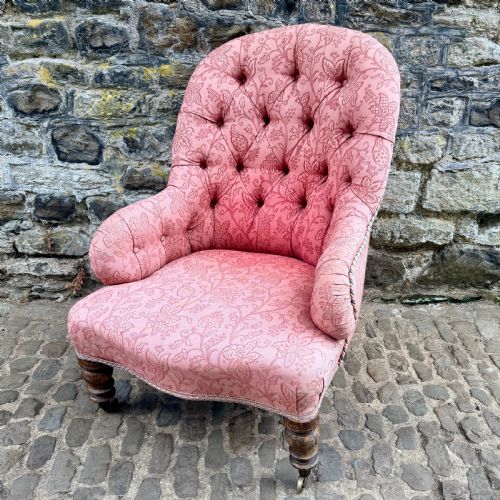
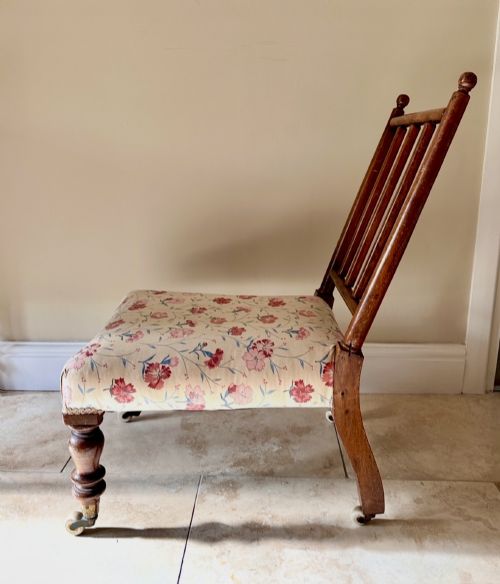
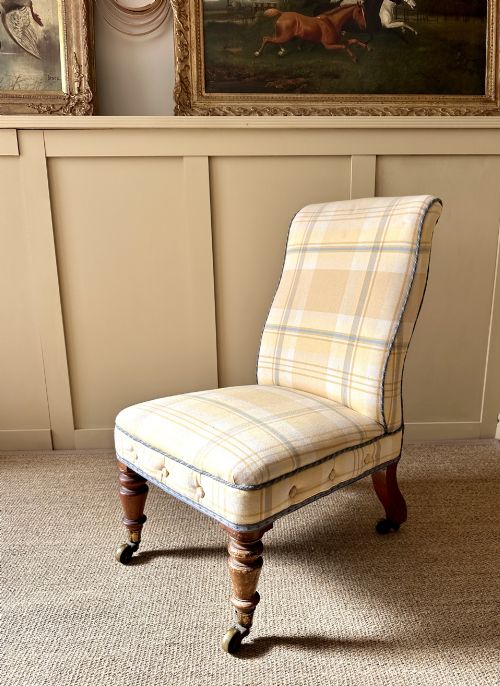
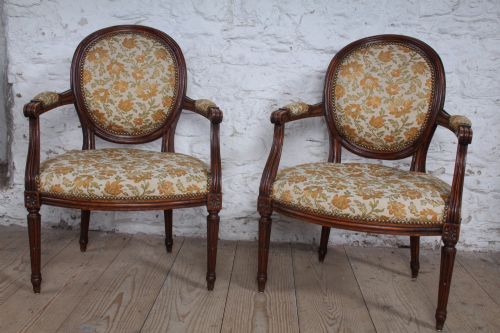
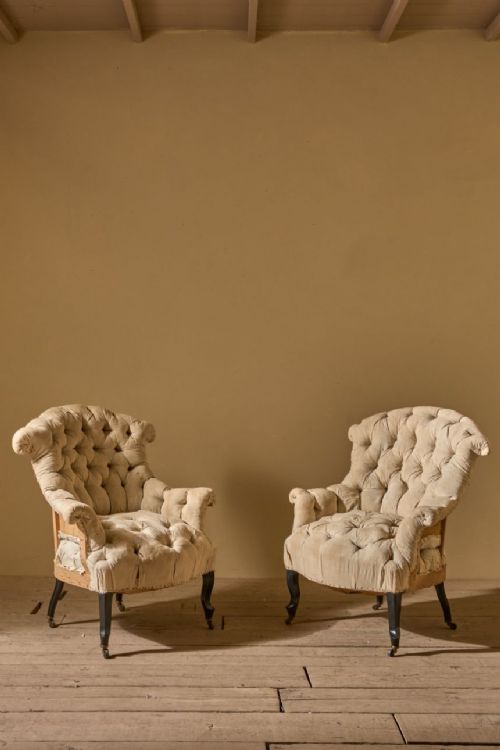
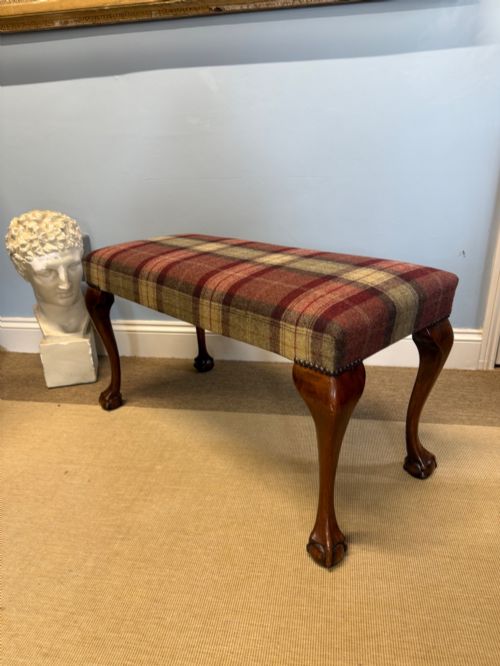
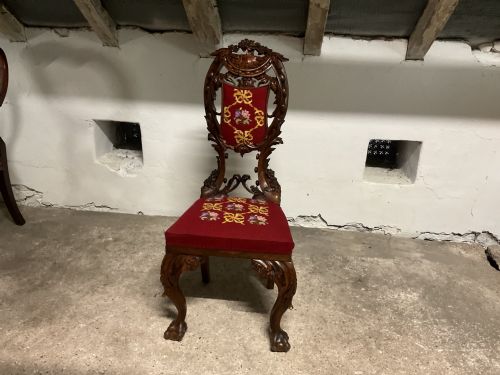
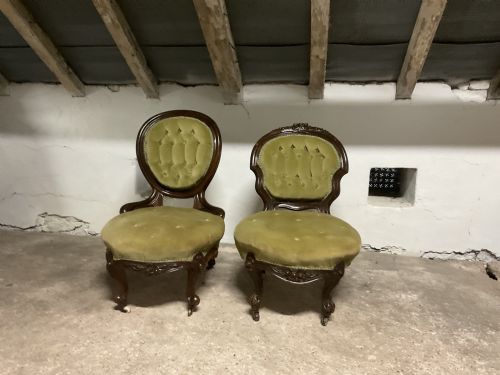
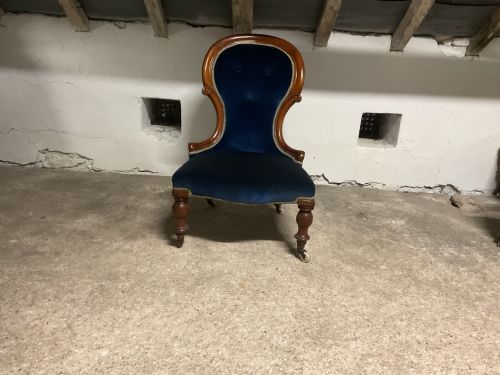
When you search for antique upholstered bedroom seats, you encounter a varied selection of Victorian and Edwardian seating designed for private chambers. These pieces primarily include low nursing chairs, dressing table stools, slipper chairs, and window seats intended for personal rooms.
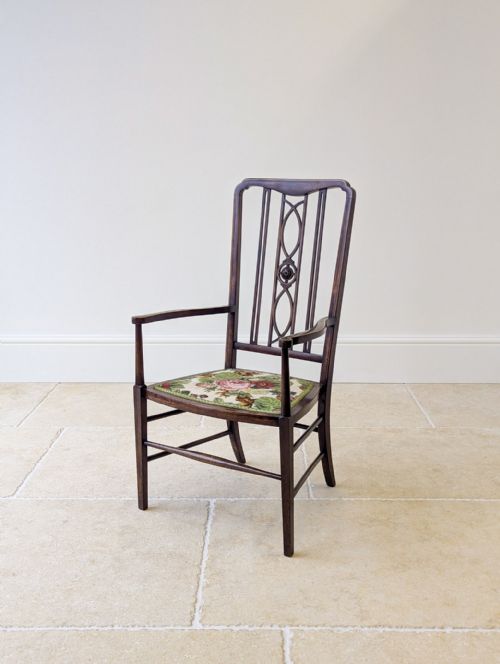
The Victorian period dominates the selection, frequently represented by walnut and mahogany nursing chairs featuring low seats and carved backs. Edwardian examples tend to use inlaid mahogany and beech, encompassing corner armchairs, small settees, and occasional seating.
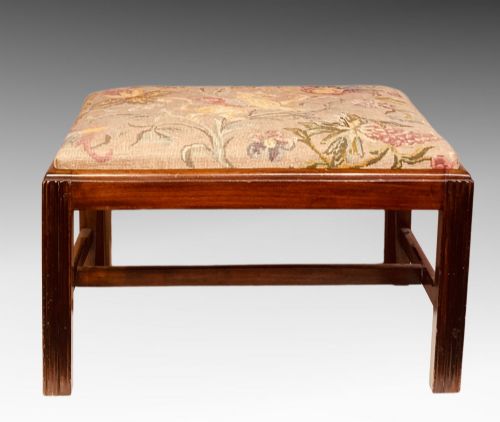
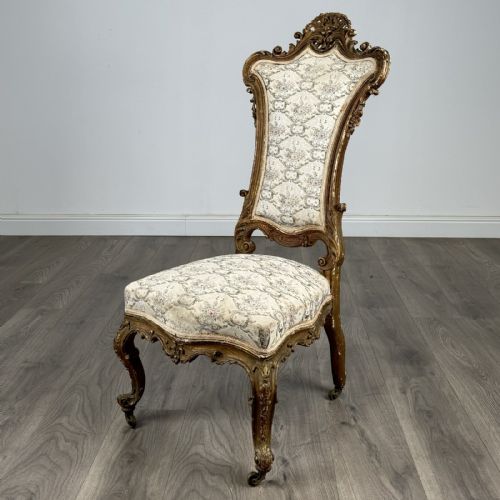
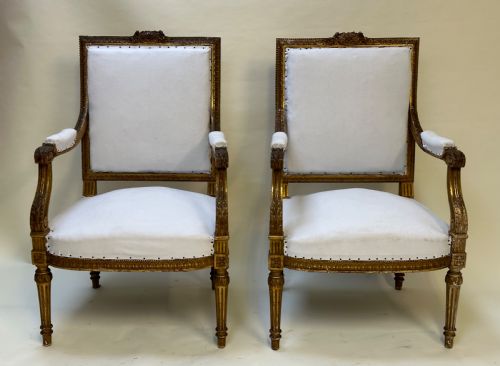
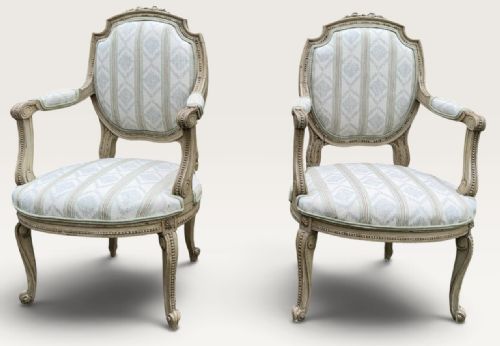
Earlier pieces from the eighteenth century appear alongside nineteenth-century French and English designs, including giltwood window seats and painted armchairs. Buyers find everything from compact footstools to longer end-of-bed sofas and benches.
Materials and construction methods
Cabinetmakers utilised hardwoods such as mahogany, walnut, oak, beech, and rosewood to construct the frames of these bedroom seats. Decorative finishes include gilding, ebonising, and original paint, complemented by inlaid wood details on Edwardian pieces.
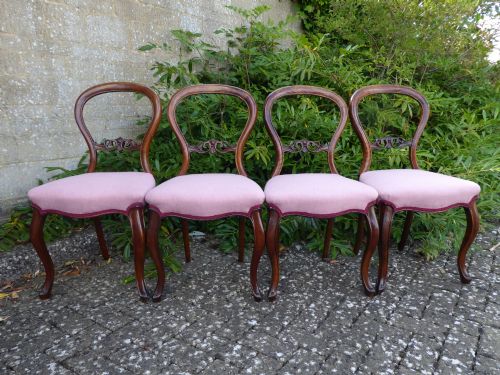
Upholstery techniques rely on traditional textile coverings including various fabrics and velvet. Interior padding and webbing support the seated user, while exposed wooden frames showcase hand-carved scroll backs, cabriole legs, and cross stretchers.
Listings feature woods including mahogany, walnut, oak, beech, rosewood, and goncalo alves alongside textiles such as velvet and fabric.
Distinguishing quality in period seating
Quality reveals itself in the crispness of the timber carving and the architectural proportion of the frame. Superior examples display carefully chosen grain patterns in woods like walnut and mahogany, alongside tight joinery that ensures structural stability.
The integrity of the upholstery work and the selection of appropriate textile coverings dictate the finish of the piece. Well-executed traditional reupholstery respects the historical form of the chair, whereas inferior work compromises the original lines.
Howard And Sons·Blaise Maucuy
The Antique Upholstered Bedroom Seats Glossary
- Nursing chair
- A low-seated Victorian chair originally designed for feeding infants or personal grooming. These seats feature shortened legs and supportive upholstered backs.
- Window seat
- A long, bench-like seat designed to fit beneath a window recess. They often incorporate upholstered tops and wooden frames in styles such as Regency or French provincial.
- Slipper chair
- A low-profile upholstered chair lacking arms, historically used for changing shoes or dressing in a bedroom. They offer compact proportions suited to smaller spaces.
- Cabriole leg
- A furniture leg that curves outward in a convex arc and tapers inward in a concave arc, terminating in a foot. This form appears frequently on mid-nineteenth-century seating.
- Cross stretcher
- Wooden members connecting the legs of a chair near the base to provide structural rigidity. They often intersect in an 'X' shape beneath stools and benches.
Antique Upholstered Bedroom Seats: Frequently Asked Questions
What distinguishes a nursing chair from an ordinary armchair?
Nursing chairs are built with significantly lower seats to facilitate personal dressing or infant care. Their compact dimensions and absence of high armrests differentiate them from standard parlour seating.
This low profile allows the sitter to remain close to the floor, a defining characteristic of bedroom seating from the nineteenth century.
Where were window seats placed in period homes?
Window seats were positioned directly in bay windows or beneath sill recesses to provide a comfortable vantage point for reading or needlework. Their elongated rectangular forms mirrored the architectural proportions of domestic windows.
In modern interiors, they function equally well at the foot of a bed or along a bedroom wall.
How do I identify an Edwardian bedroom chair?
Edwardian pieces often feature lighter woods such as satinwood or mahogany enhanced with delicate stringing and marquetry inlay. The overall aesthetic feels less heavy than high Victorian furniture, leaning towards revived Sheraton or neoclassical motifs.
These chairs commonly appear as corner seats, small settees, or satin-upholstered bedroom armchairs.
Can antique bedroom seats be used daily?
Most antique bedroom seats possess sturdy hardwood frames constructed from walnut, mahogany, or beech that withstand regular seating. Sound joinery ensures structural integrity for everyday domestic use.
When necessary, traditional upholstery can be renewed without altering the historic wooden framework beneath.