

Victorian Carved Panel
When you search for a victorian carved panel, you are looking at solid timber work that brings heavy relief and period character straight into a room.
Victorian Carved Panel
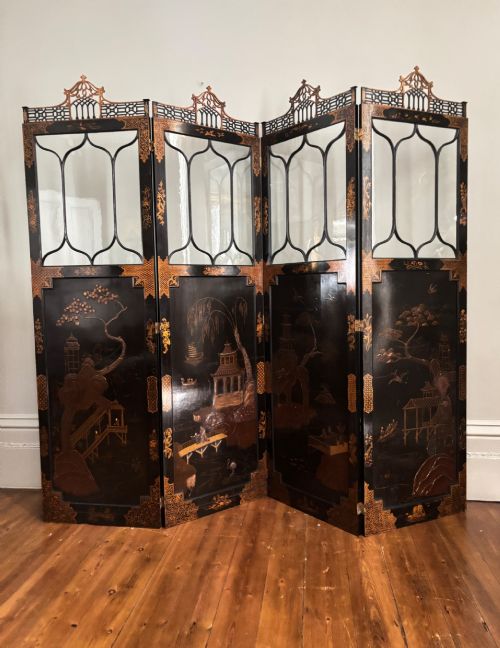
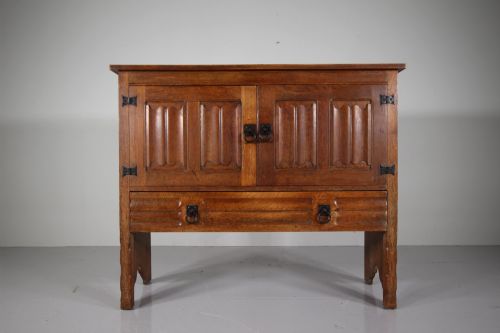
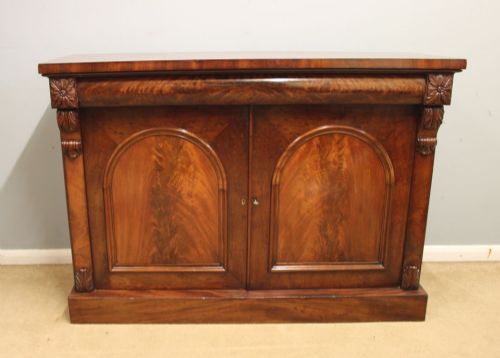
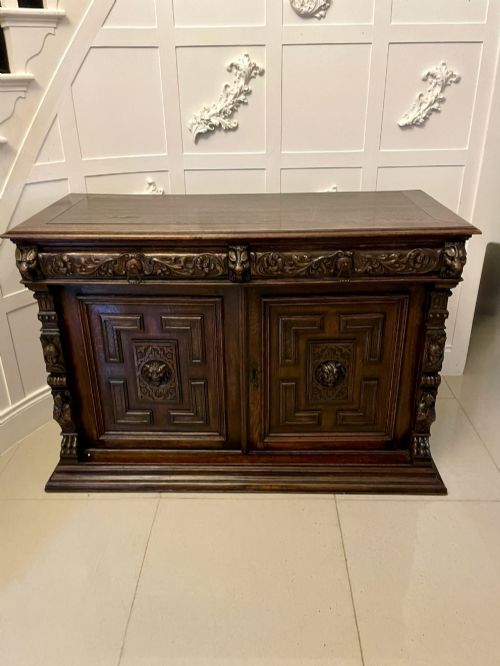
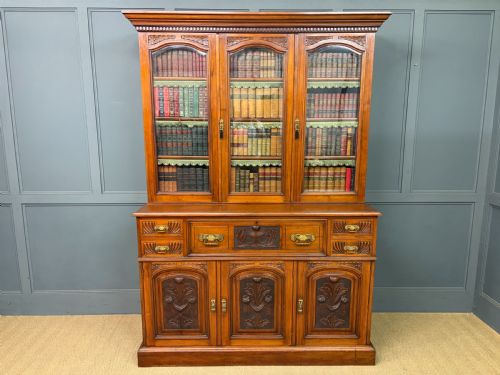
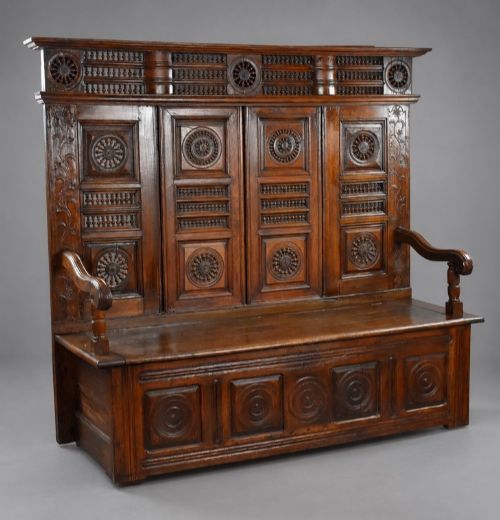
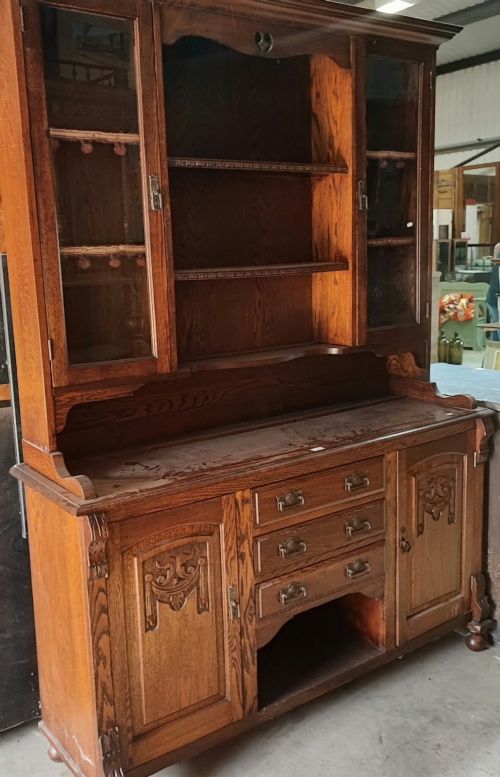
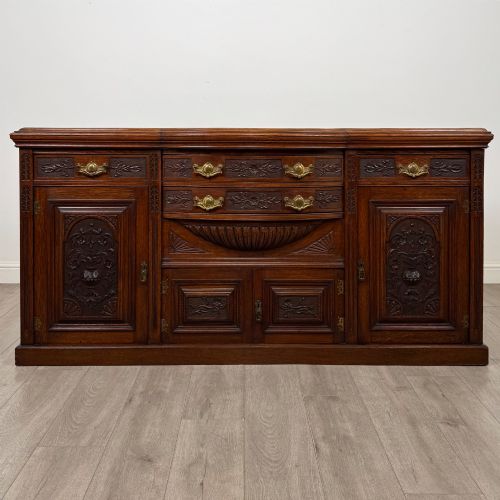
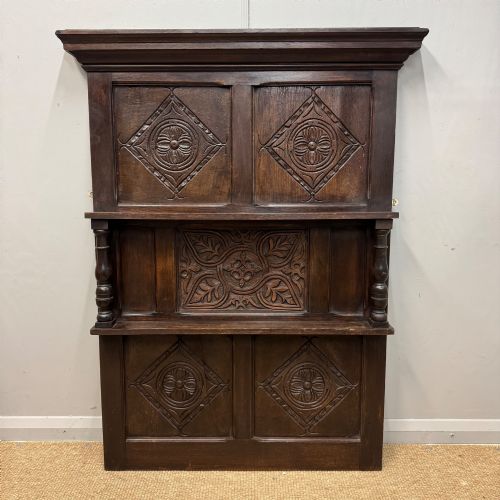
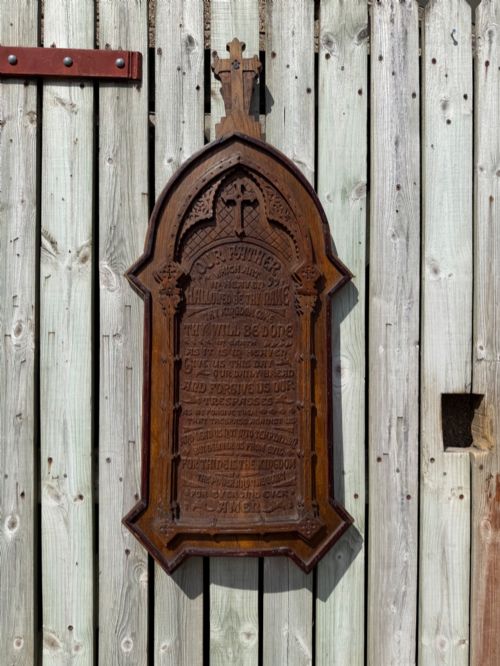
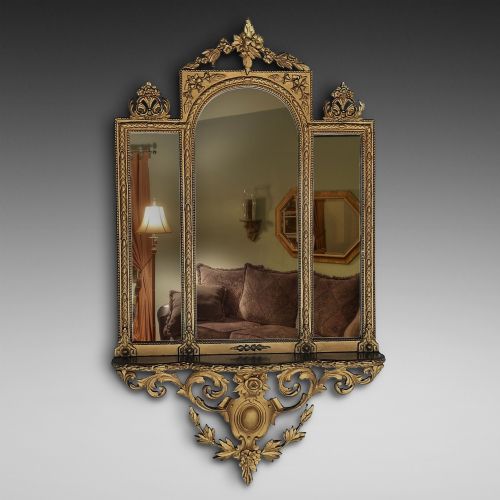
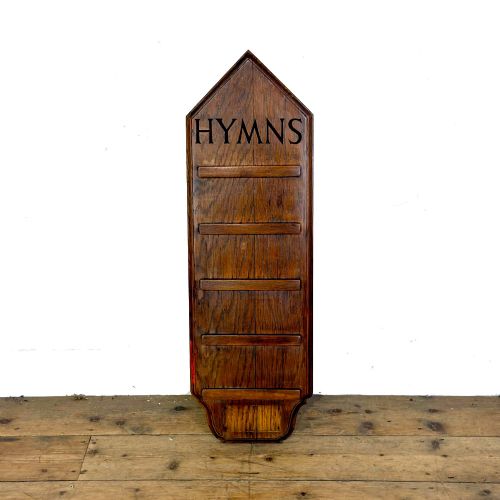
A victorian carved panel appears across various larger furniture forms such as settle benches, church pew fronts, overmantel mirrors, and cabinets, as well as standalone wall plaques.
The evidence shows these elements rooted primarily in the nineteenth century, spanning decades from the 1870s through to 1900, with oak standing out as the dominant timber.
Makers drew on diverse revivalist aesthetics, producing pieces that range from Gothic church tracery and Jacobean motifs to intricate Green Man masks and Flemish cabinetwork.
How they were made
Woodworking workshops relied heavily on native and imported timbers, predominantly oak, alongside walnut, mahogany, and rosewood, shaping them with hand chisels for deep relief.
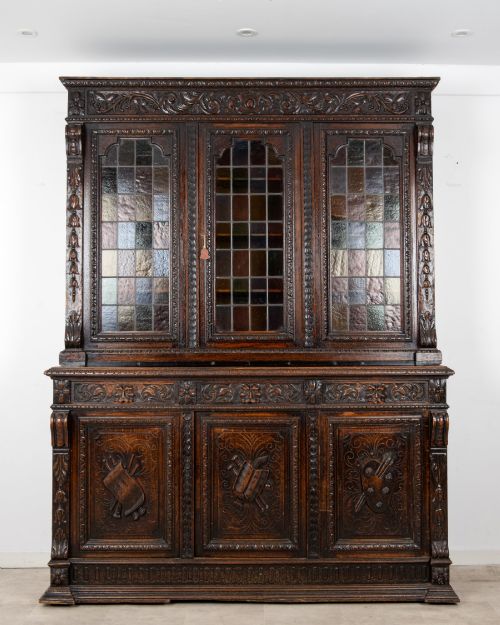
Carvers utilised traditional joinery methods, setting panels into structural frames for dressers, settles, and wall displays, occasionally incorporating brass elements or stained glass.
The archive shows records spanning the 1870s to 1900, encompassing Gothic church fragments alongside domestic settle benches.
What varies in quality
The depth and undercut of the carving separate standard architectural salvage from exceptional cabinetwork, where figures like the Green Man or heraldic motifs possess distinct musculature and expression.
The choice of timber grain and the integrity of the original joints dictate longevity, distinguishing workshop pieces built by established makers from simpler vernacular items.
Edwards & Roberts
The Victorian Carved Panel Glossary
- Green Man
- A sculptural architectural motif depicting a face made of or entwined from leaves and vines. It appears frequently on nineteenth-century church and domestic woodwork.
- Tracery
- Openwork intersecting ribbing in the Gothic style, often seen in window frames and upper cabinet panels. This technique mimics stone church architecture in timber.
- Settle
- A wooden wooden bench with high arms and a high solid back, frequently featuring integrated carved panels and storage beneath the seat. They originated to block cold drafts in older rooms.
- Overmantel
- A large decorative mirror or framed wooden panel designed to sit directly above a fireplace mantelpiece. It often anchors the decorative scheme of a Victorian reception room.
- Needlepoint
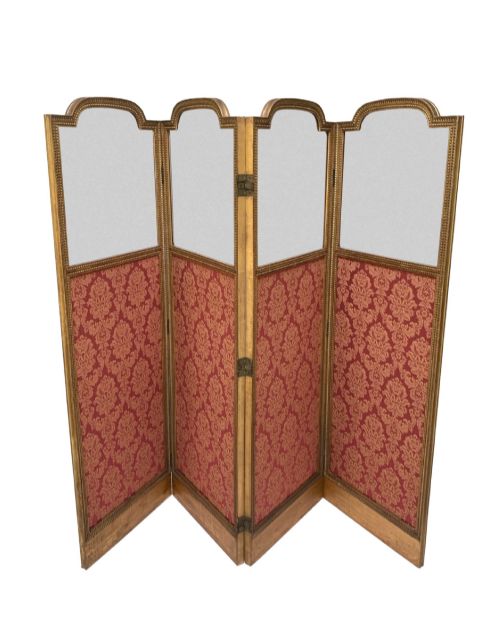
- Embroidery stitched onto a stiff open-weave canvas ground, commonly used for fire screen inserts in the period. It provides a colourful textile contrast to carved wood surrounds.
Victorian Carved Panel: Frequently Asked Questions
Where were carved panels originally placed?
These panels served architectural and furniture roles, appearing on church pew fronts, overdoors, and cabinet doors.
They also formed structural components of large sideboards, settles, and wall plaques.
How do I care for antique carved oak?
Dust the deep recesses of the carving regularly with a soft dry brush to prevent dirt buildup.
Apply a traditional beeswax occasionally to nourish the timber without creating a glossy film.
What styles influence Victorian carving?
Carvers drew heavily on Gothic Revival, Jacobean, and Renaissance styles to satisfy contemporary tastes.
Designs often incorporated mythical creatures, heraldry, and foliate masks alongside traditional floral motifs.
Are wall plaques converted furniture?
Many surviving wall panels originated as cupboard doors, chest panels, or even tabletops before later conversion.
Sellers usually note these alterations in the listing details when describing the piece.